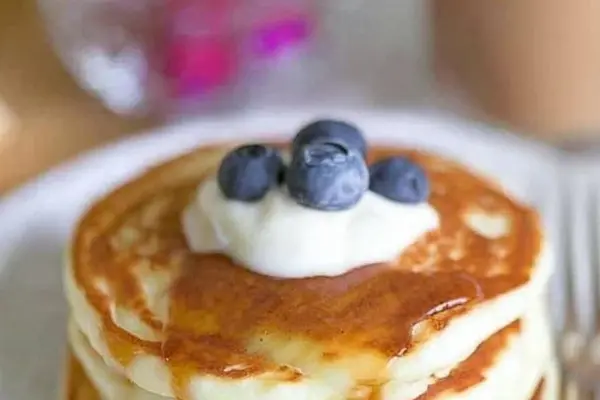
Fluffy Pancakes Recipe with Buttermilk
By Emma
Certified Culinary Professional
·
Recipe tested & approved
Make fluffy pancakes with buttermilk, eggs, and melted butter. This easy pancake recipe uses baking powder and soda for lift. Avoid overmixing for the fluffiest texture.
Prep:
12 min
Cook:
5 min
Total:
17 min
Servings:
8 servings
Crack the eggs in first—then the buttermilk and vanilla. Pulse it just a couple times. You want it looking rough, not smooth. That’s what makes them actually fluffy.
Why You’ll Love This Fluffy Pancake Recipe
Takes 17 minutes start to finish—12 to prep, 5 on the griddle. No waiting around. Comfort food that doesn’t feel heavy. Works for a random Tuesday or feeding people who showed up hungry. One bowl for dry stuff, one for wet. Actually easy to clean up after. Tastes like something that took effort. Doesn’t take effort. Your family will ask for this one again. Even the picky ones.
What You Need for Fluffy Hotcakes
Buttermilk. Not regular milk. It’s thicker, tangier, keeps things light instead of dense. Two eggs. Room temperature if you think about it. Doesn’t matter that much. Vanilla extract. A teaspoon. The real stuff, not imitation. You notice the difference. All-purpose flour. 1 1/4 cups. Not bread flour. Not cake flour. Sugar—just two tablespoons. Not for sweetness really. For texture. Baking powder and baking soda. One teaspoon, half teaspoon. These do the heavy lifting on fluff. Both of them. Not one or the other. Salt. A quarter teaspoon. Sounds small. Changes everything. Four tablespoons melted butter. Plus extra for the griddle. Unsalted. Salted butter works but you lose control.
How to Make Fluffy Pancakes That Actually Rise
Blender. That’s the move. Crack your eggs in there first, pour the buttermilk and vanilla right on top. Pulse two or three times. Not until it’s smooth. Until it looks rough, like you barely touched it.
Separate bowl for the dry stuff—flour, sugar, baking powder, baking soda, salt. Whisk it once or twice just so there’s no lumps hiding. Takes 30 seconds.
Pour half the dry mixture into the blender. Pulse again. Two or three times. Lumps are actually what you want here. Stop before you convince yourself to smooth them out. Add the rest of the dry stuff, pulse again.
Melted butter goes in last. Pulse until you can’t see streaks anymore. That’s it. Stop. This is where people mess it up—they keep going. Overmixing kills the fluff. The batter should look thick and slightly rough.
Recipe for Fluffiest Pancakes: The Cook
Medium-low heat on your griddle. Not high. Everyone wants to crank it. Don’t. Fluff needs time.
Butter it generously. Let it sit until it stops sizzling.
Scoop a third cup of batter onto the hot surface. It should look thick. You should see the batter sitting there, not spreading immediately. Leave space between pancakes—they puff up.
Watch the edges. Tiny bubbles will form, then pop on the surface. That’s not the signal. Wait until you see the edges start to firm up and brown slightly. That’s when they’re ready to flip. Usually 2 to 3 minutes.
Flip once. Careful with it. You’ll hear the sizzle—that’s right. Cook another minute, maybe two, until the bottom’s golden and it springs back when you poke it gently. Done.
Keep them warm in a 200-degree oven if you’re making a batch. Don’t stack them or they’ll get soggy. Serve immediately if you can.
Buttermilk Pancakes Tips and What Goes Wrong
The batter thickness matters more than you think. If it’s too thin, they spread flat. Too thick and they don’t cook through. Should look like thick yogurt, not cake batter, not soup.
Heat’s the second thing people get wrong. Too hot and the outside burns before the inside cooks. Too low and you get rubbery pancakes that never brown. Medium-low. You’ll figure out your griddle.
Don’t flip early. That’s the impulse everyone has. Wait for the bubbles to pop and the edges to look set. Flip too soon and they fall apart. Flip too late and the bottom’s burnt.
Buttermilk pancakes are different from regular milk pancakes—they’re tangier, they brown faster, they need a little more time on the second side because of the baking soda reacting. Not a problem, just different.
Baking soda needs acid to work. That’s what the buttermilk is doing. Baking powder does its own thing. You need both. One without the other and they don’t rise the same way.
Fluffy Pancakes Recipe with Buttermilk
Prep:
12 min
Cook:
5 min
Total:
17 min
Servings:
8 servings
Ingredients
- 1 1/4 cups buttermilk
- 2 large eggs
- 1 teaspoon vanilla extract
- 1 1/4 cups all-purpose flour
- 2 tablespoons granulated sugar
- 1 teaspoon baking powder
- 1/2 teaspoon baking soda
- 1/4 teaspoon salt
- 4 tablespoons unsalted butter, melted plus extra for cooking
Method
- 1 Start by cracking eggs, pour buttermilk and vanilla into blender. Pulse mix 2-3 times just to combine — nothing smooth. Gritty texture is fine.
- 2 In separate bowl, whisk flour, sugar, baking powder, baking soda, and salt. Makes sure no lumps.
- 3 Add half the dry mix to blender, pulse 2-3 times — lumps are good here. Then add remaining dry mix, repeat pulsing.
- 4 Pour melted butter in last. Pulse just until incorporated. Stop. Overmixing kills fluff.
- 5 Preheat griddle medium-low. Butter it generously.
- 6 Scoop 1/3 cup batter per pancake onto hot surface - thick batter visible. Keep space between pancakes.
- 7 Watch edges; tiny bubbles form and pop on top — that’s when it’s ready to flip. Look for browned edges firming up.
- 8 Flip carefully, hear sizzle, cook another 1-2 minutes until golden and set. Touch gently to test doneness, springs back lightly.
- 9 Serve immediately or keep warm in low oven.
Nutritional information
Calories
251
Protein
6g
Carbs
35g
Fat
9g
Frequently Asked Questions About Fluffy Pancake Recipe
Can I make the batter ahead of time? Kind of. Mix it 30 minutes before you cook, max. The baking soda starts reacting with the buttermilk right away. Wait too long and they’re flat. It’s not about storage—it’s about the chemical reaction happening.
What if I don’t have buttermilk? You can make it. Milk plus lemon juice or vinegar. Sit it for 5 minutes. Works. Not identical but close enough. Don’t bother with buttermilk powder—tastes thin.
Why do mine come out flat? Batter’s too thin usually. Or you’re overmixing. Or the heat’s wrong. One of those three. Start with a thicker batter and medium-low heat, see what happens.
Can I use a mixer instead of a blender? Yeah, but slower. Hand mixer on low, 30 seconds max. Or fold it by hand with a spatula. Mixer pancakes tend to get worked too much because it’s easier to just keep going.
How do I know when to flip? Bubbles pop on top and the edges look set and slightly brown. Not a timer. Watch it. Every griddle is different.
Do I need buttermilk or can I use regular milk? Buttermilk pancakes rise different. Regular milk works—you’ll get pancakes. Won’t be as fluffy. Buttermilk is cheaper than you think. Just get it.
You’ll Love These Too
Explore all →
Vegan Ice Cream with Coconut Cream
Cherry Pie Dough Bombs: Fried Biscuit Bites
Mini Pork Tourtières with Flaky Butter Crust
One Pot Meals with Ground Beef and Rice
No-Bake Pumpkin Pie with Cream Cheese
No-Cook Strawberry Jam with Mixed Berries
Roasted Yellow Pepper Potato Soup Recipe
Mocha Coffee Recipe with Dark Chocolate
Creamy Garlic Mashed Potatoes Recipe
Candied Blood Oranges: Chewy Citrus Candy
Coconut Cream Pie with Toasted Coconut Flakes
Cheddar Walnut Cheese Ball Recipe
Seafood Paella with Spaghetti Squash
Lemon Dill Salmon - Easy Oven Baked
Dark Chocolate Ganache with Coconut Cream
Beef Stew Recipe with Red Wine & Root Vegetables

Sheet Pan Pork Chops with Parmesan Potatoes
Rustic Shortcakes with Spelt Flour & Berries
Chicken Marinade with Miso and Ginger