Fluffy Pancakes Recipe with Buttermilk
E
By Emma
Certified Culinary Professional
•
Recipe tested & approved
Make fluffy pancakes with buttermilk, egg whites, and melted butter. This easy homemade recipe uses baking powder and vanilla for tender, golden pancakes perfect for breakfast.
Prep:
12 min
Cook:
14 min
Total:
26 min
Servings:
20 pancakes
Flour, sugar, baking powder, baking soda, salt—whisk them together first. The aeration matters more than you think. Two egg yolks go into buttermilk with melted butter and vanilla. The yolks are the whole point. Then the whites get beaten separately until they stand straight up. Fold them in last, gentle, no deflation. Let the batter rest 12 minutes before you touch the pan. That’s not wasted time. That’s the flour actually hydrating, getting ready to puff.
Why You’ll Love This Simple Pancake Recipe
Takes 26 minutes total—12 to prep, 14 on the griddle. Vegetarian. Uses stuff you already have. The separated eggs make them fluffy in a way that pancake mix never does. No weird aftertaste. Just comfort food that tastes like someone actually cared. Cleanup’s fast. One bowl, one pan, done. Leftovers stay soft the next day if you stack them with parchment between—they don’t dry out.
What You Need for an Easy Pancake Recipe
All-purpose flour. Two and a quarter cups. Not bread flour, not cake flour. All-purpose works. Sugar—three tablespoons. The baking powder and baking soda do the work here. One and a half teaspoons of baking powder, three-quarters teaspoon of baking soda. Salt, one teaspoon. Kosher if you have it.
Buttermilk. A cup and three-quarters. This is the acid that activates the baking soda. Regular milk doesn’t work the same way. Two large eggs, separated—yolks in one bowl, whites in another, clean bowl. The melted butter goes in with the yolks. One-third cup. Not oil. Butter. Vanilla extract, one teaspoon. That’s it. Eight ingredients for a basic pancake recipe that beats anything from a box.
How to Make Fluffy Pancakes from Scratch
Whisk the dry stuff together—flour, sugar, baking powder, baking soda, salt. Just enough to mix it, get some air in there. Not aggressive. Gentle.
Pour the buttermilk into a large bowl with the egg yolks, melted butter, and vanilla. Whisk until it’s smooth. This is where the richness lives. The yolks bring body. The butter brings flavor. Let this sit for 30 seconds.
Pour the wet into the dry. This is the moment most people mess up. Don’t overmix. Fold it. Maybe eight strokes, 12 at most. You should see lumps. Those lumps are good. They mean you didn’t overwork it. If you mix it until it’s totally smooth, your pancakes come out tough. Dense. Rubbery. Nobody wants that.
Now wait. Twelve minutes. Go get your pan ready. Get your spatula. Get your plate warming in a low oven. The batter’s getting better while you do this. The flour’s absorbing the liquid. The whole thing’s coming together.
How to Get Fluffy Flapjacks with Separated Egg Whites
While the batter rests, beat the egg whites. Get a clean bowl—no grease, no yolk, nothing. Use a mixer or beaters if you have them. Start slow, then get faster. You want stiff peaks. They should stand straight up when you lift the beaters. Not droopy. Not soft. Stiff. This takes maybe three minutes if you’re going at it. Longer by hand, which is fine.
Fold these into the batter. Use a large rubber spatula. Scoop under the whites from the bottom, lift, turn the batter over them. Rotate the bowl as you go. Four or five folds, maybe six. Don’t get crazy. The point is the egg whites stay fluffy and don’t deflate. Lumps in the batter now are your friends. They turn into pockets of air in the pancake.
Heat your nonstick skillet to medium. Test it with a drop of water. Should sizzle gently. Not aggressively. Not silently. Gentle sizzle. Brush the pan with a tiny bit of butter. Just enough so it doesn’t stick. If you see smoke, wipe it clean and turn the heat down.
Spoon the batter in quarter-cup portions. Don’t spread them. Let them sit. Wait for bubbles to break through the surface. You’ll see little holes appear across the top. The edges start to look set, a little bit drier than the middle. That’s usually around two minutes, but watch it. Heat varies. Some pans run hot.
Flip once. Gently. The bottom should be golden by now. The second side takes maybe a minute or two, depends on your heat. You’re looking for that same golden color. Not dark. Not pale. Golden.
Fluffy Pancake Tips and What Goes Wrong
The batter rests for a reason. Don’t skip it. Twelve minutes. This is when the flour absorbs the buttermilk and everything gets stronger. You’ll notice the batter gets slightly thicker too. That’s fine.
Heat’s the other thing. Too hot and the outside burns before the inside cooks. The pancake looks dark but feels dense. Too low and they come out pale, sad, kind of rubbery. Medium is the sweet spot. Test it with water. If that sizzle’s too aggressive, turn it down. If the water just sits there, turn it up.
Between batches, check the pan. Does it look dry? Add a tiny bit of butter or oil. Not a lot. A little bit. The pan should stay hot but you don’t want it smoking.
Some people add stuff to the batter—chocolate chips, blueberries, bananas. Works fine. Add them after the batter’s in the pan, before you flip. That way they don’t sink to the bottom. Or fold them in gently at the very end.
If the batter sits for more than 20 minutes before you cook, it gets thicker. You can thin it with a splash of buttermilk. Probably a tablespoon or two. Depends. Just stir it in.
The flour matters less than you’d think. All-purpose works great. Cake flour makes them softer but they fall apart easier. Bread flour makes them chewier. All-purpose splits the difference.
Don’t use pancake mix for this. The point is you’re doing the separation and the resting and the folding. Mix would skip all that and you’d lose what makes this version work.
Fluffy Pancakes Recipe with Buttermilk
Prep:
12 min
Cook:
14 min
Total:
26 min
Servings:
20 pancakes
Ingredients
- 2 1/4 cups all-purpose flour
- 3 tbsp sugar
- 1 1/2 tsp baking powder
- 3/4 tsp baking soda
- 1 tsp salt
- 2 large egg yolks
- 1 3/4 cups buttermilk
- 1/3 cup melted unsalted butter
- 1 tsp vanilla extract
- 2 large egg whites
Method
- 1 Combine flour, sugar, baking powder, baking soda, and salt in medium bowl; whisk gently to aerate and distribute.
- 2 In large bowl, whisk egg yolks, buttermilk, melted butter, and vanilla until smooth. Egg yolks bring richness; melted butter offers flavor boost replacing oil.
- 3 Pour wet mixture into dry. Fold with few gentle strokes to avoid tough batter. Some lumps good; signals batter not overworked. Let rest 12 minutes; hydrates flour, improves structure.
- 4 While batter rests, beat egg whites with clean, grease-free beaters until stiff peaks form. Peaks should hold straight tips, not drooping. Foamy first, then firm peaks.
- 5 Fold egg whites into batter carefully. Use large spatula, scoop under whites, lift, turn batter—no deflation allowed. Lumps welcome here, brings fluffiness to final pancake.
- 6 Heat nonstick skillet over medium. Test heat with drop of water—should sizzle gently. Brush pan lightly with butter; avoid burning. If smoke appears, wipe pan and reduce heat.
- 7 Spoon batter by 1/4 cupfuls. Wait till bubbles appear across surface and edges look set; usually around 2 minutes but watch closely. Flip gently. Cook other side till golden, depending on heat, about 1-3 minutes.
- 8 Remove pancakes to warm plate. Reapply butter or oil before next batch if pan looks dry. Adjust heat between batches; too hot burns, too low yields pale, dense pancakes.
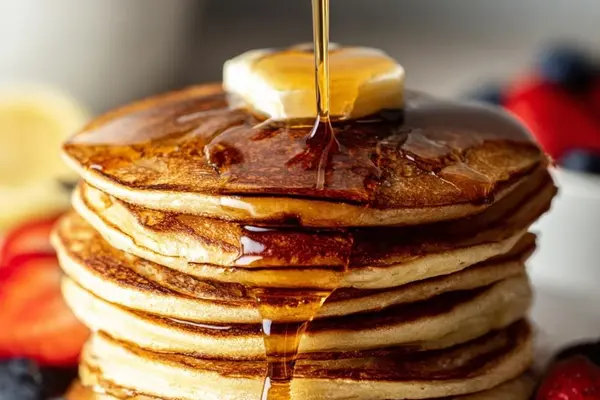
- 9 Serve hot with maple syrup, fresh fruit, peanut butter, or whatever you love. Notice the slight crisp outside, airy tender inside, and the faint vanilla aroma lingering.
Nutritional information
Calories
180
Protein
5g
Carbs
25g
Fat
7g
Frequently Asked Questions About Easy Pancake Recipes
Can I make this recipe ahead and refrigerate the batter? Yeah, but not great. The batter gets thinner as it sits. If you beat the egg whites the night before and fold them in the morning, that’s better. The dry stuff and wet stuff can wait. Separated eggs shouldn’t sit more than a few hours or the whites start breaking down.
What if I don’t have buttermilk? Mix regular milk with a little vinegar or lemon juice. A tablespoon of vinegar per cup of milk, let it sit five minutes. Works. Or Greek yogurt thinned with water. Both do the same acid thing.
Why do I need to separate the eggs? The yolks bring richness and the whites bring lift. You can use whole eggs and they’ll still be pancakes, just denser. Not as fluffy. The separation is the difference between regular and actually fluffy flapjacks.
How do I know when to flip? Bubbles break through the surface. Edges look set and slightly drier. Usually around two minutes but every pan’s different. Don’t flip early or the bottom side’s gooey.
Can I freeze leftover pancakes? Stack them with parchment between and throw them in a freezer bag. Lasts like a month. Toast them in the toaster oven when you want one. They come back almost like fresh.
Why is my batter too thick? Two reasons. Either you overmixed and it got tougher, or it’s been sitting longer than 12 minutes and the flour kept absorbing liquid. Add a splash of buttermilk, like a tablespoon. Stir gently. Don’t overdo it.
You’ll Love These Too
Explore all →
Creamy Onion Soup with Gruyère & Sourdough
Instant Pot Pot Roast with Ginger & Lemongrass
Saltine Crusted Chicken Tenders Recipe
Opera Cake with Hazelnut and Espresso
Apple Caramel Poke Cake Recipe
Pecan Tart Bars with Marzipan & Toasted Nuts
Crispy Chicken Breasts with Parmesan Crust
Peanut Noodle with Tofu and Green Beans
Smoked Trout Salad with Potatoes & Asparagus
Meat and Broccoli Meatballs with Panko
Chocolate Ganache with Coconut Cream
Apricot Jam Baked Brie with Pecans
Buffalo Chicken Dip Crockpot Recipe
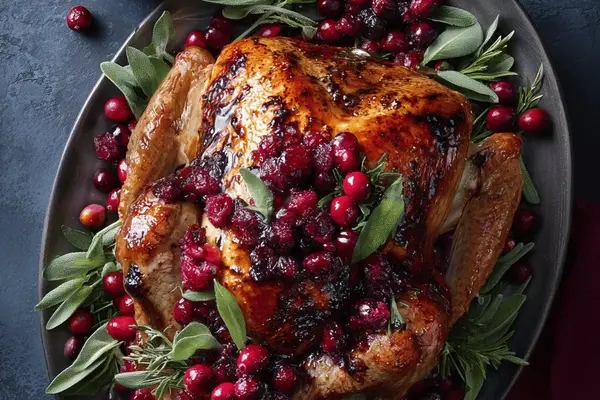
Thanksgiving Food: Port Wine Roasted Turkey
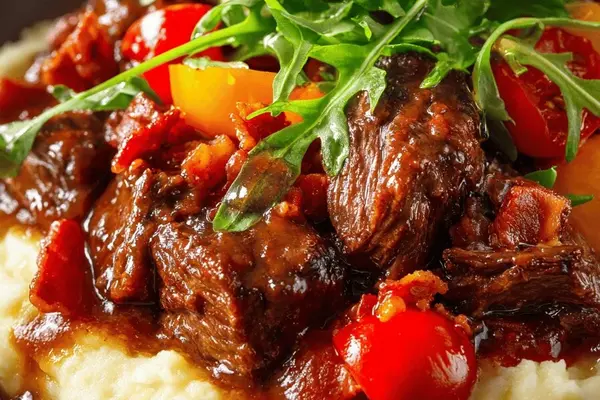
Braised Beef with Peppers and Cherry Tomatoes
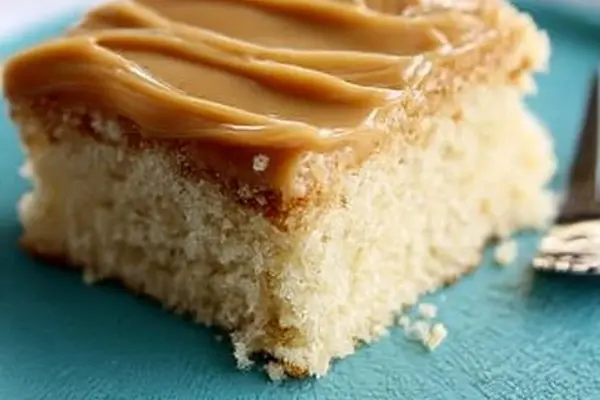
Caramel Sheet Cake with Espresso & Brown Sugar
Rustic Tomato Basil Sauce with Fresh Garlic
Pan Fried Tofu with Peanut Ginger Glaze
Cinnamon Toast Crunch Cookies Recipe