White Sangria Recipe with Strawberry & Pineapple
E
By Emma
Certified Culinary Professional
•
Recipe tested & approved
Pour the water in a microwave-safe container. Fifty seconds. Watch for the small bubble stage — that’s the sweet spot, not a full boil. Remove it carefully. Agave goes in now, and you stir until it thickens just slightly and clears. Set it aside to cool while you get the blender ready.
Why You’ll Love This White Sangria
Takes 8 minutes total. Literally no cooking involved after that first microwave heat. Works as a party drink that doesn’t require bartending skills or complicated equipment — just a blender and frozen fruit. Cold white wine stays cold because you’re blending it with frozen strawberries and pineapple, so the drink actually stays icy without watering down. Tastes like summer. Citrusy pine from the pineapple, berry sweetness, that unexpected ginger warmth if you add it. Makes enough for four people, or you can drink it yourself over the next few minutes before it melts. Cleanup is basically nothing. Rinse the blender. Done.
What You Need for White Sangria
Water. Half a cup. Agave syrup instead of sugar — dissolves cleaner, less grainy when everything’s cold. Two cups frozen strawberries. Don’t buy them fresh and freeze them; frozen ones stay firmer. A cup of dry white wine. Doesn’t have to be expensive. Two cups frozen pineapple chunks. Fresh pineapple thawed turns to mush. Ice cubes. A cup. Ginger, optional but worth it — half a teaspoon, fresh grated. Changes the whole thing if you use it. Fresh strawberries and pineapple wedges for the top.
How to Make White Wine Sangria
Heat the water. Fifty seconds in the microwave. Small simmer, not boiling over. Add the agave syrup and stir until it thickens slightly and clears — no sediment sitting on the bottom. Let it cool while you work. This is your syrup base.
Pour the wine into the blender first. Add the frozen strawberries — all two cups. Drop in the ice. If you’re using ginger, add it now. A quarter cup of your cooled syrup goes in next. The cold syrup actually helps chill everything faster and balances the tartness of the fruit. Hit it on high or smoothie mode. Two and a half minutes. But stop and check the texture. You want velvety but still icy. No lumps. Listen for the clanking to fade. When the puree sounds soften, you’re close. Over-blending makes it too thin and you lose that slush texture. If it’s too thick, add a splash of cold water or more wine. Too thin, add more frozen fruit or ice. Trust what you see more than a stopwatch.
How to Layer White Sangria Perfectly
Rinse the blender. Now do the pineapple batch. Same thing — one cup wine, two cups frozen pineapple, one cup ice, syrup. Skip the ginger this time. Pure tropical. Blend shorter here, about one minute forty-five seconds. Keep it cold. Don’t let it sit or a watery layer separates.
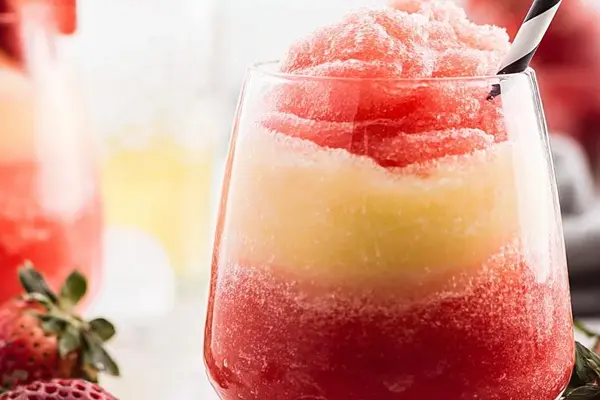
Glasses ready. Spoon half a cup of strawberry slushie to the bottom. Then gently layer half a cup of pineapple on top. The color contrast is visual gold. Use the back of a spoon to keep the layers separate, don’t just pour. Fresh strawberry half and pineapple wedge on the rim. The smell hits first — citrusy pine and berry sweet all at once.
White Sangria Tips and Storage
Serve it immediately. Slushies melt fast and lose texture. If you need to hold it, keep it in the freezer but stir every ten minutes so it stays even. Don’t blend more than two minutes or the whole thing gets too thin. The frozen fruit is doing the work, not aggressive blending. Ginger is optional but it works. Really works. Most people don’t expect it. Some white wine sangria recipes use fresh fruit instead of frozen — don’t do that. Fresh thaws and turns to pulp.
White Sangria Recipe with Strawberry & Pineapple
Prep:
6 min
Cook:
2 min
Total:
8 min
Servings:
6 servings
Ingredients
- ½ cup water
- ½ cup organic agave syrup
- 1 cup chilled dry white wine
- 2 cups frozen ripe strawberries
- 1 cup ice cubes
- 2 cups frozen pineapple chunks
- ½ teaspoon fresh grated ginger (optional twist)
- Fresh strawberries and pineapple wedges for garnish
Method
- 1 Heat ½ cup water in microwave safe container about 50 seconds. Watch bubbles, small simmer stage best, not boiling over. Remove carefully. Add ½ cup agave syrup (subtle replacement for sugar, less grainy when chilling). Stir nonstop till mixture thickens slightly and clears up, no sediment. Set aside to cool; candy-like syrupy sheen signals readiness.
- 2 Pour 1 cup white wine into blender. Add 2 cups frozen strawberries, plus 1 cup ice. Drop in grated ginger now if using; adds unexpected warmth and bite. Spoon in ¼ cup of your syrup. Faster process if syrup cool, it helps chill wine quickly and balances fruit tartness.
- 3 Hit blender high (or smoothie mode) for 2½ minutes. Abrupt stops to check texture. Should be velvety but still icy, no lumps. Listen for clanks to fade, puree sounds should soften. Over blending makes slurry too thin, loses slush charm. If too thick add splash cold water or more wine, too thin add frozen fruit or ice. Trust your eyes more than stopwatch here.
- 4 Rinse blender to clear fragments then repeat process with pineapple, wine, ice, and syrup combo. No ginger this time, pure tropical clarity. Blend shorter here, about 1¾ minutes. Keep cold, don’t leave sitting or it’ll weep watery layer.
- 5 Glasses ready? Spoon ½ cup strawberry slushie to bottom. Then gently layer ½ cup pineapple on top. Visual effect beautiful, sharp contrast. Use spoon sides, don’t just pour to avoid mixing layers. Garnish with fresh strawberry half and pineapple wedge perched on glass rim. Smell hits citrusy pine and berry sweet right away.
- 6 Serve immediately; slushies start melting quickly and lose texture. If hold needed, keep in freezer briefly but stir every 10 minutes for even consistency.
Nutritional information
Calories
210
Protein
1g
Carbs
30g
Fat
0.3g
Frequently Asked Questions About White Sangria Wine
Can you make this ahead of time? Not really. The slush melts. You can make the syrup the night before and keep it in the fridge. You can freeze the fruit batches in the blender containers and just hit blend when you need them. But the actual drink itself needs to happen right before serving.
What if you don’t have agave syrup? Regular sugar works but it doesn’t dissolve as clean. You’ll feel graininess. Honey’s too thick. Simple syrup if you have it. Otherwise just use sugar and stir longer.
Does the ginger really matter? No. But yes. It’s optional but it changes everything. Adds a warm note that makes the fruit taste sharper somehow. You don’t taste ginger specifically — it just works in the background.
Can you use fresh strawberries and pineapple instead of frozen? Technically. But they thaw as they blend and the whole thing gets watery and thin. Frozen is the right move. They stay firm. They chill the wine. It works.
What kind of white wine? Something dry. Sauvignon Blanc, Pinot Grigio, something like that. Not sweet wine. Not expensive. You’re blending it with fruit anyway.
How long does this keep in the freezer? A few hours if you stir it every ten minutes. After that it separates and gets weird. Make it fresh each time.
Can you double this recipe? Yeah. Just double everything and work in batches. Two batches strawberry, two batches pineapple. It’ll take longer total but same process.
You’ll Love These Too
Explore all →
Smorrebrod with Blue Cheese & Fig Chutney
No-Churn Cake Ice Cream with Buttercream
Rustic Chicken Noodle Soup Recipe
Baked Cheese with Mushroom Sauté & Mustard
Slow Cooker Sausage with Vegetables
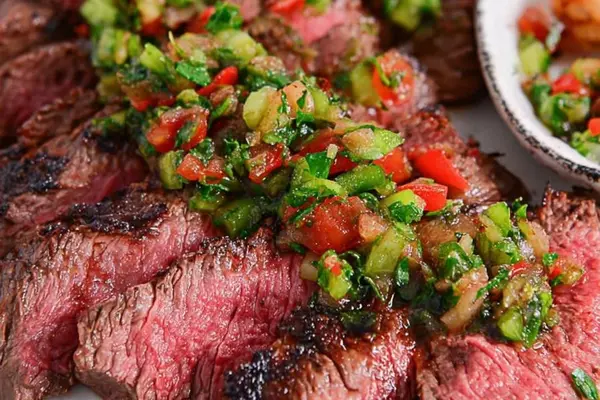
Marinated Bavette Steak with Cilantro Sauce
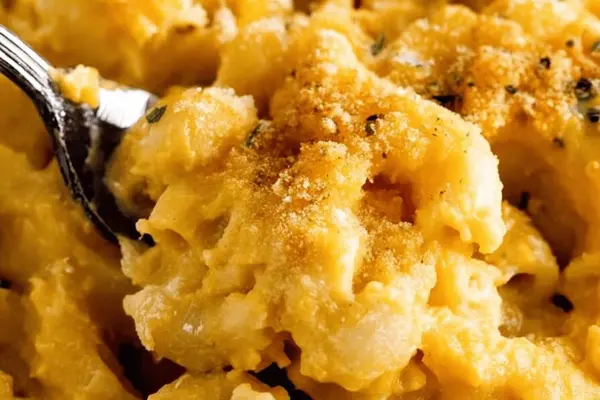
Pumpkin Mac and Cheese with Cheddar
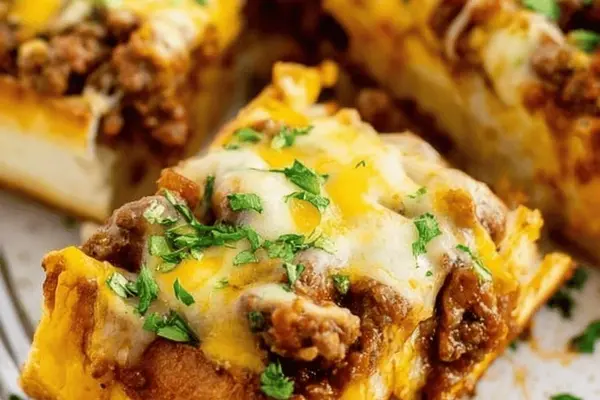
Sloppy Joe Garlic Bread with Melted Colby Jack
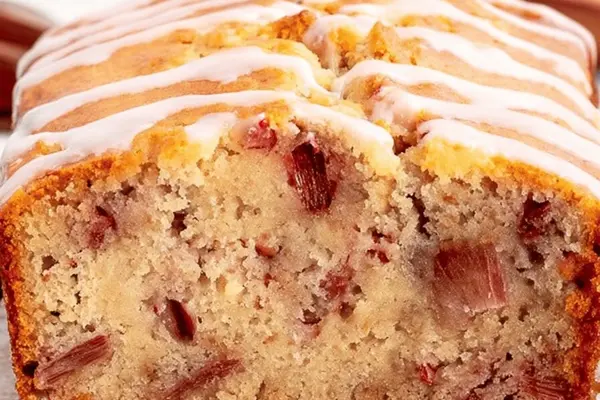
Easy Banana Loaf Recipe with Rhubarb
Chocolate Chip Cookie Recipe with Sour Cream
Caramel Apple Cookies with Oat Flour
Kung Pao Chicken with Snap Peas
Butter Chicken with Tofu and Cream Sauce
Chocolate Chip Cookie Recipe with Cake Mix
Barbecue Shredded Pork Loaded Potato Skins
Herb Scones with Spelt and Oat Flour
Bacon and Egg Potato Salad Recipe
Vegetarian Soup with Quinoa and Zucchini
Mojito Recipe with Raspberry Mixer