Garlic Bread Recipe with Fresh Parsley
By Emma
Certified Culinary Professional
·
Recipe tested & approved
Easy garlic bread made with French bread, butter, fresh garlic, and parsley. Crispy edges, soft middle with melted butter throughout. Perfect for quick meals.
Prep:
12 min
Cook:
28 min
Total:
40 min
Servings:
5 servings
Cut the loaf lengthwise. Spread the softened butter mixed with minced garlic, salt, and parsley down the middle—doesn’t take much more than 12 minutes of prep before the oven does the actual work. 40 minutes total from counter to table, most of it just waiting. Had a triple batch one night with nothing to serve alongside soup. This fixed it.
Why You’ll Love This Garlic Bread
Takes 40 minutes, barely. Most of that is the oven running. Comfort food without the fuss—literally just bread, butter, garlic. Works cold the next day, maybe even better sliced thin and toasted. No special equipment. Hand-mix the butter. No stand mixer needed. One bowl gets dirty. Hits different than store-bought. The garlic actually tastes like garlic, not that powdered version from a breadstick bag. Vegetarian by default. Works as a snack, works alongside anything—soups, stews, pasta, nothing at all. Your call.
What You Need for Garlic Bread
One loaf of French bread. Not thin. Thick enough to soak butter without falling apart. Italian works if French disappears. Half a cup of softened unsalted butter. Room temperature. Matters more than you’d think. Cold butter doesn’t spread right. Four cloves of garlic, minced finely. Fresh. Not powder. Powdered tastes like paper. Sea salt. A tablespoon and a half. Kosher salt works too—maybe a touch less, it’s coarser. Three tablespoons of fresh parsley, chopped. Basil if that’s what’s in the fridge. Chives work. Green matters here, brings it alive. One tablespoon olive oil. Low heat in the pan later, helps the garlic butter melt smooth. Regular oil is fine too.
How to Make Garlic Bread
Heat the oven to 430. Maybe 425. Watch the bread, not the dial. Don’t let the crust burn if the heat runs hot.
Take the loaf and cut it lengthwise—like opening a book but not all the way through. Thick bread. If it’s paper-thin it’ll just toast into chips. Not what we’re doing here.
Softened butter gets the garlic, salt, and parsley mixed in. Use your hands. Stir it smooth. Feel the texture change, butter turning pale and airy. Don’t use a mixer. This isn’t cake.
How to Get Garlic Bread Butter-Soaked and Warm
Spread the butter mixture on the bottom half of the bread—load it but it shouldn’t be sloppy. Press the top half back down. Snug. Like it was never cut.
Wrap it tight in foil. Pack the foil so steam gets trapped inside. That steam does the heating. Slide it onto the oven rack, center position. Close the door.
Bake 28 to 32 minutes. Crack open the foil at 28, peek inside. The butter should pool. Bread should be steaming. The crust gets a slight golden tint under the foil but stays soft because of the steam. Don’t leave it in there past 32 or the crust hardens.
While the bread does its thing, melt the leftover butter mixture in a small pan with the olive oil. Low heat. About 2 to 4 minutes. Wait for the garlic smell to hit. That’s when you know it’s right. Don’t walk away. Garlic burns fast and tastes like regret.
Garlic Bread Tips and Common Mistakes
Pull the bread out. The steam is hot. Unwrap carefully. Press the top gently—should feel warm and pliable. The butter should have melted through the crumb.
Brush or drizzle the melted garlic butter on the warm bread surface. It’ll be shiny. Fresh parsley on top brings a bright green. Slice thick chunks. Eat them warm. Crust crunches. Center is buttery soft. The garlic punch hits upfront.
Tight foil is crucial. That’s how steam traps heat without drying it out. Don’t crack it early unless the smell tells you something’s wrong—burnt is bad, aromatic is good.
If parsley’s scarce, swap it with basil or chives. Different angle, still works. Ghee works for butter if that’s what’s on hand. Fresh garlic always. Powdered dulls everything.
No French bread in the store? Italian loaf gets the job done. Adjust time down 3 to 5 minutes—thinner crumb heats faster. Top crust should have slight give when poked. Middle warm to touch, firm but not tough. If it comes out tough, wrap it again, add 3 to 5 minutes.
Leftover butter melts fast. Don’t walk away or the garlic scorches.
Garlic Bread Recipe with Fresh Parsley
Prep:
12 min
Cook:
28 min
Total:
40 min
Servings:
5 servings
Ingredients
- 1 loaf French bread
- 1/2 cup softened unsalted butter
- 1 1/2 tsp sea salt
- 4 cloves garlic minced finely
- 3 tbsp fresh parsley chopped
- 1 tbsp olive oil
Method
- 1 Heat oven to 430°F, toss the numbers a bit but watch bread, don’t burn crust.
- 2 Cut French loaf lengthwise, split it like a book but not too thin; thick enough to soak butter.
- 3 Mix butter softened, salt, garlic, parsley; skip mechanical mixers, hand stirring better - feel butter texture smooth.
- 4 Spread little more than half of butter mix on one bread half—load it but not sloppy. Press the halves back together snugly.
- 5 Wrap tightly in foil; pack foil well to trap steam. Slide foil parcel into oven rack center - close it.
- 6 Bake 28-32 mins, crack a slit at 28 to peek inside; butter should pool and bread steam through, slight golden tint under foil.
- 7 Meanwhile, melt leftover butter mix in small pan with olive oil - low heat, about 2-4 mins till garlic scent hits. Don’t burn! Listen for soft sizzle, bubbles form, aromatic steam.
- 8 Pull bread out, unwrap carefully (steam sting warning). Check softness by pressing top gently, should feel warm, pliable, butter fully melted in crumb.
- 9 Brush or drizzle melted garlic butter evenly on warm bread surface – extra punch, shiny gloss, fresh parsley sprinkled for bright green pop.
- 10 Slice thick chunks; grab while warm, crust crunchy, center buttery soft, garlic punch hits upfront, herbs linger.
- 11 If parsley scarce swap with basil or chives – brings softer herb floral notes. Butter can swap for ghee or flavored oil in pinch. Use fresh garlic always, powdered dulls depth.
- 12 Tight foil wrap crucial; trap steam so bread heats through without drying, avoid opening before 28 min unless smell tells story.
- 13 Leftover butter mixture melts fast, don’t walk away or garlic scorches - smells burnt ruin fast.
- 14 No French bread? Try good Italian loaf, adjust baking time 3-5 min less for thinner crumb.
- 15 Quick check for doneness: top crust slight give when poked, middle warm to touch but firm. If tough, add 3-5 min wrapped again.
- 16 Serve hot with soups, stews, or use as sandwich base. Cold next day? Toast lightly, butter fresh again.
Nutritional information
Calories
575
Protein
9g
Carbs
47g
Fat
38g
Frequently Asked Questions About Garlic Bread
Can I use salted butter instead of unsalted? Yeah, but cut back the sea salt. Otherwise it gets salty. Unsalted gives you control. Not worth skipping it if you have any.
What if I don’t have fresh parsley? Basil. Chives. Even dried oregano works if nothing green is around. Fresh is better but it’s not a dealbreaker.
How do I know when the garlic butter is done melting in the pan? Listen. Soft sizzle, bubbles forming, garlic smell fills the kitchen. Two to four minutes. That’s it. Burnt smells sharp and weird—pull it off heat if that starts.
Can I make the garlic bread ahead and reheat it? Mix the butter and store it. Spread and wrap the bread in foil, stick it in the fridge. Bake it straight from cold—just add 5 minutes to the time. Tastes almost the same cold the next day. Toast it lightly if you want the crust back.
Why not just use garlic powder? Tastes like nothing. Seriously. Fresh garlic melts into the butter and brings actual flavor. Powder’s just dust.
What’s the difference between this and Olive Garden breadsticks? One you make at home, one you buy. Theirs has garlic salt, lots of it. This is butter-forward. Different vibe. Better, probably, if you’re being honest.
Can I add cheese to this garlic bread? Sure. Parmesan. Mozzarella. Stir it into the butter mix or sprinkle it on before wrapping. Just watch it doesn’t brown too fast—lower the heat 10 degrees if you go that route.
Do I have to wrap it in foil? That foil traps steam and keeps everything soft. Without it, you’re just toasting bread. The butter dries out. Don’t skip it.
You’ll Love These Too
Explore all →
Mexican Street Corn Chicken Rice Bowls

Simple Turkey Chili with Black Beans
Easy Banana Loaf Recipe with Rhubarb
Buckwheat Crepes with Maple Syrup
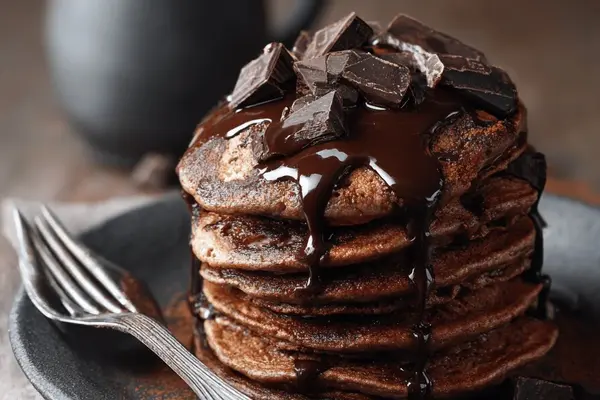
Fluffy Chocolate Pancakes with Egg Whites
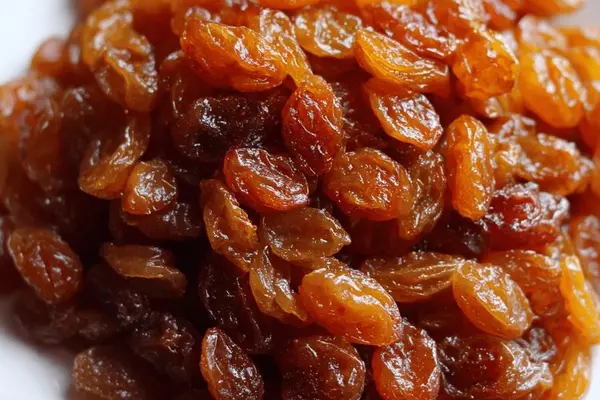
Homemade Raisins in Syrup with Honey
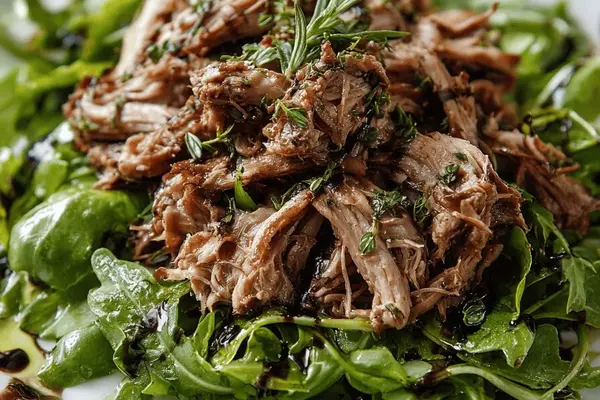
Slow Cooker Pulled Pork with Garlic & Thyme
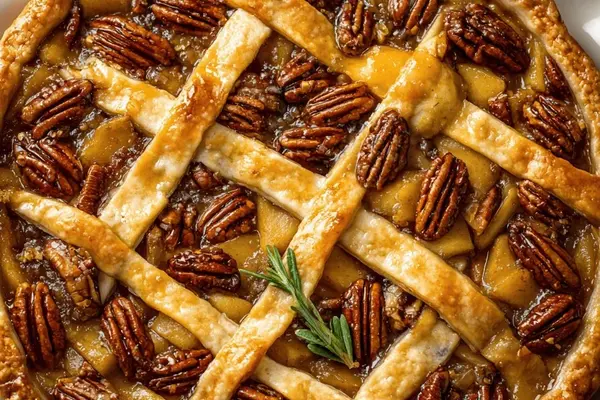
Apple Tart with Pecans and Dried Apricots
Veggie Naan Flatbreads with Lemon Basil Mayo
M&M Cookies With Pecans and Crunch

Mini Cheesecake Bites with Chocolate Ganache

Egg Muffins with Spaghetti Squash
Ginger Cookies Recipe: Layered Butter & Chocolate
Pickle Relish Sweet with Cauliflower
Quick Pickled Red Onions with Rice Vinegar
Red Pepper Tomato Sauce with Garlic
Creamy Ham and Potato Bake with Brie
Pork Tenderloin Marinade with Tamarind

Chicken & Chorizo Jambalaya Recipe