Garlic-Dijon Hasselback Potatoes
E
By Emma
Certified Culinary Professional
•
Recipe tested & approved
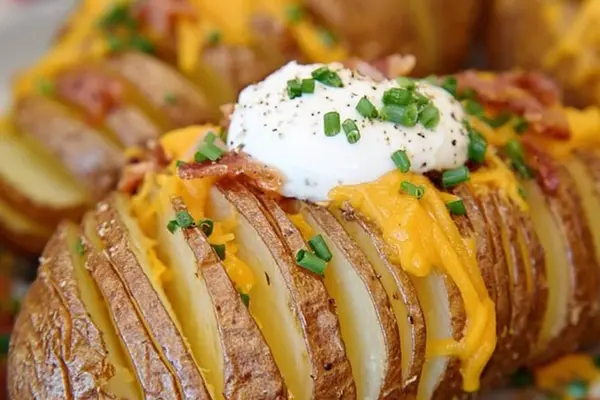
Crispy skinned russet potatoes sliced thin but held intact, brushed with a savory butter Dijon garlic glaze, baked to crackling perfection then stuffed with melted cheddar. A chive sour cream and smoky pancetta topping finishes it off. Uses Yukon golds instead of all russets for creamier texture. Adjusted bake times for size variations. Salt and pepper seasoning upfront, garlic powder in butter mix for punch. Thin slits mean easy layering but watch not to cut through. Butter Dijon blend seeps into slits, amps flavor, vital step. Cheese melts in the last few minutes, avoid drying out. Visual separation of slices signals perfect stage for glazing. Crispy, golden edges with soft creamy center. Adaptable toppings suggested, plus tips on slicer steadiness and oil brushing depth.
Prep:
20 min
Cook:
55 min
Total:
75 min
Servings:
4 servings
#American
#potatoes
#baking
#comfort food
#cheese
#savory
#sides
Before You Start
Slashing potatoes thin but not all the way through creates this incredible crispy-soft texture. I use Yukon golds instead of all russets; they hold shape but stay creamy inside. Makes all the difference. Brushing oil deep into the slices locks in moisture and crisps every edge. Butter, garlic, and whole grain mustard spread just right paint flavor inside, not just on top. Cheese melts into those cracks last second so it gets gooey, not rubbery. Toppings like sour cream and pancetta add salty cream and smoky crunch. Don’t bring out the oven timer too soon or you miss that crispy separation. Watch for golden edges and the crackling sound. Trial after trial taught me chilling potatoes helps the slice control and even cooking. Get that flat bottom so spuds don’t wobble, speeds prep. Serious comfort food with an elevated twist.
Ingredients
- 4 large Yukon gold potatoes dry
- 3 tablespoons olive oil
- Coarse sea salt
- Freshly cracked black pepper
- 3 tablespoons unsalted butter softened
- 1/2 teaspoon garlic powder
- 2 teaspoons whole grain mustard substitute Dijon
- 1/2 cup shredded sharp cheddar cheese
- 4 tablespoons sour cream
- 1 tablespoon fresh chopped chives
- 3 tablespoons cooked pancetta bits substitute bacon
- Optional: pinch smoked paprika for finishing sprinkle
In The Same Category · Side Dishes
Explore all →
Candied Sweet Potatoes Pecan Twist
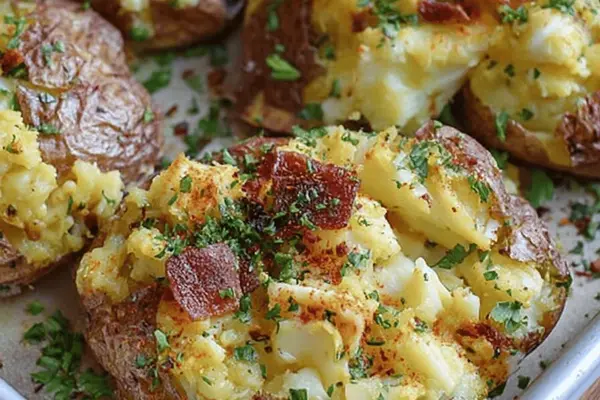
Crab Smashed Potatoes
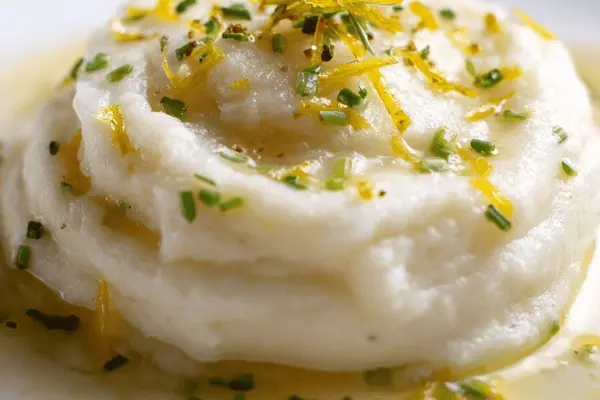
Celery Root Purée Twist
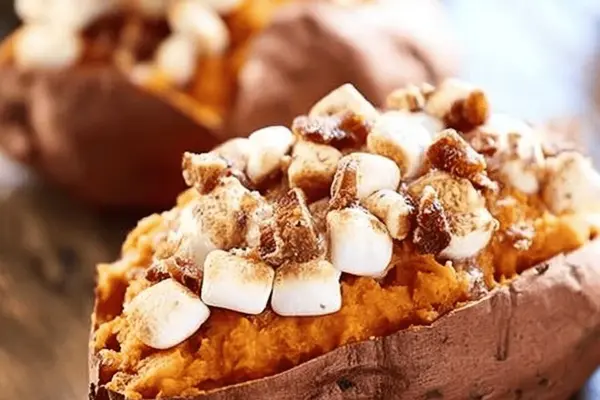
Twice-Baked Sweet Potatoes
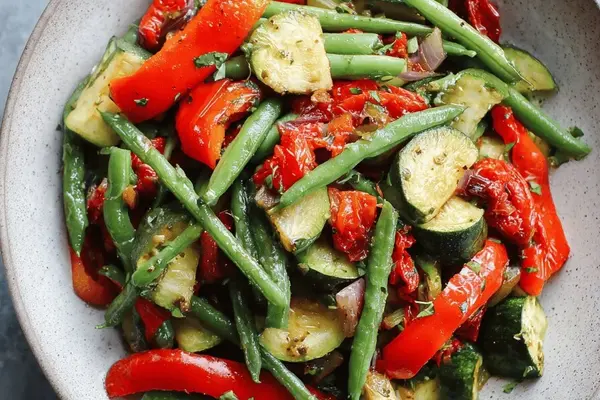
Tender Veggies in Tomato Sauce
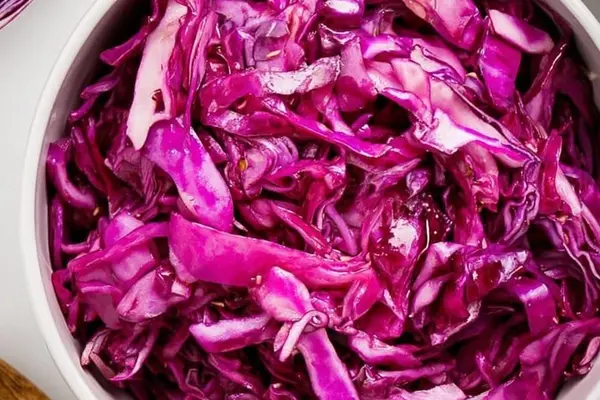
Tangy Red Cabbage Slaw
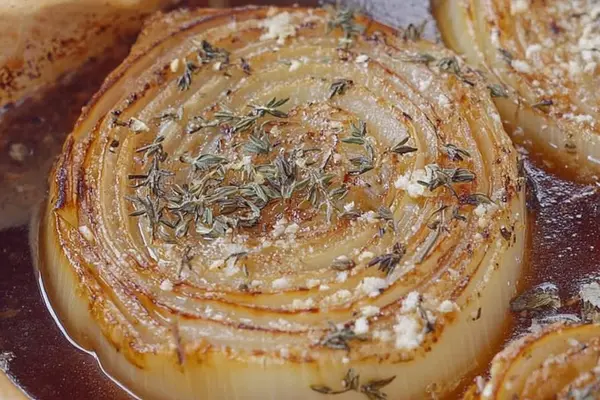
Rustic French Baked Onions
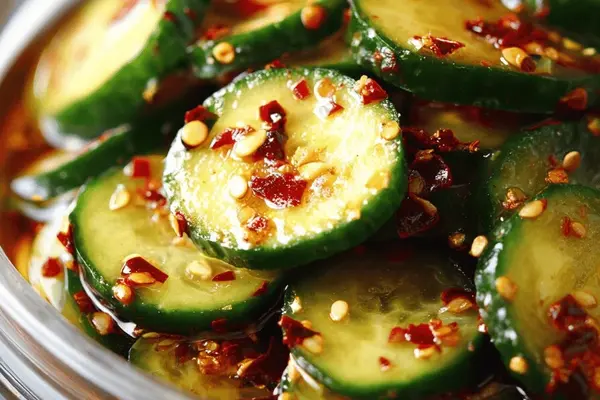
Spiced Pickled Cucumbers
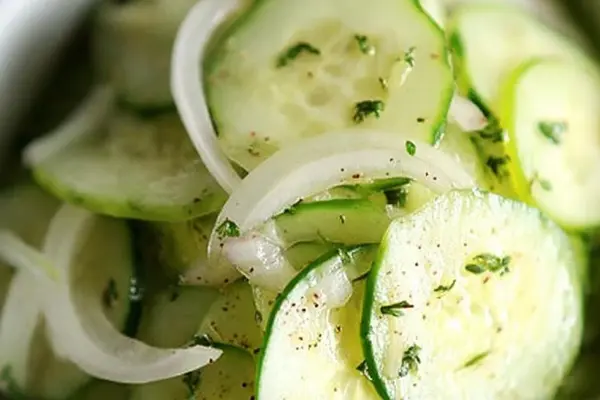
Crisp Cucumber Onion Salad
Orzo Salad Goat Cheese
Rustic Cornbread Dressing
Chive Buttermilk Mash
Chickpea Mushroom Sauté
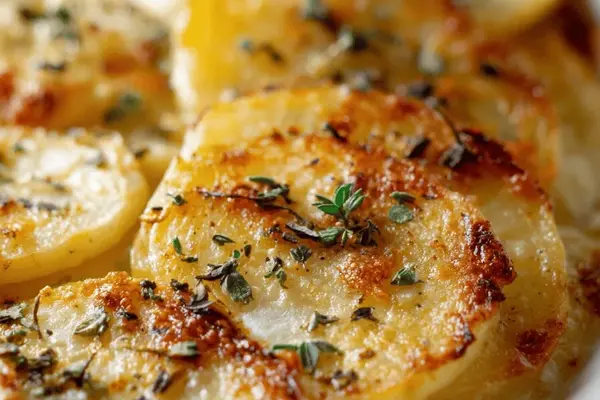
Crunchy Creamy Potato Gratin
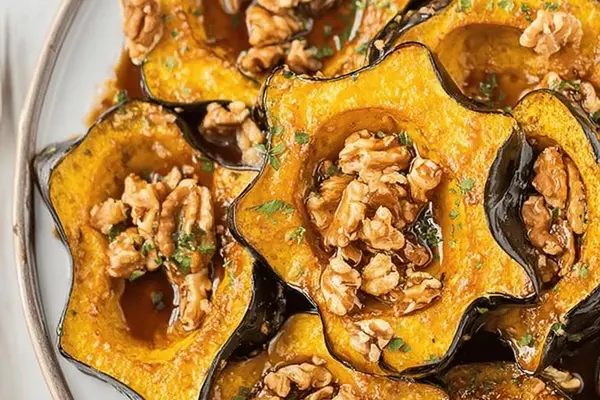
Spiced Roasted Acorn Squash
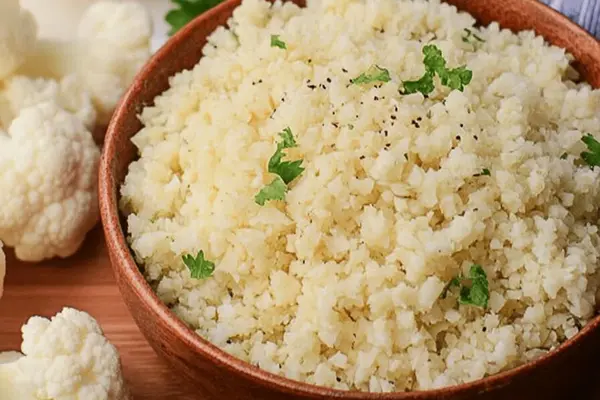
Quick Riced Cauliflower
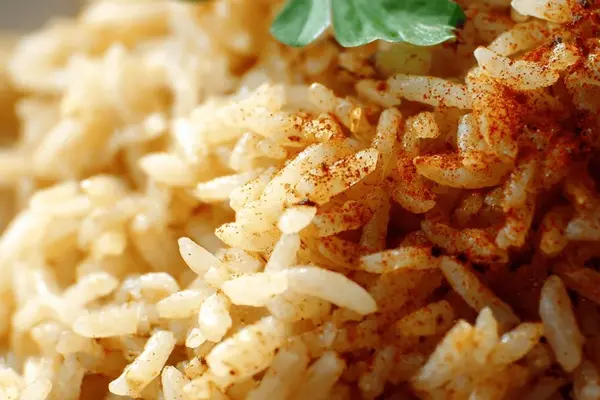
Spiced Chili Rice
Slow Cooker Green Bean Casserole
Buttered Seasoned Noodles
Bacon Wrapped Jalapeño Corn
About the ingredients
Use Yukon gold for creamier insides; russets crisp more but can dry out if overbaked. Olive oil quantity matters — not too little or skin dries, not too much or soggy edges. Unsalted butter preferred to control salt level after oil and seasoning. Garlic powder in butter replaces raw garlic, avoiding bitter burnt notes. Whole grain mustard adds subtle texture and tang; Dijon is fine but sometimes too sharp. Cheese choice flexible but sharper cheddar cuts richness nicely. Pancetta elevates smoky element but bacon is fine. Sea salt preferred coarse for crust developing. If pressed for time, microwave potatoes 3 minutes first to speed baking but loses some crisp texture. Chill potatoes before slicing prevents bottom from splitting—big mistake I learned. Oil brush with silicone brush coat every nook to avoid dry spots.
Method
- Preheat oven around 420°F. Set rack mid-height to avoid burning edges.
- Pat potatoes very dry, the drier the crisper skin. Cut thin parallel slits about 1/8 to 1/5 inch apart, stopping just before bottom slice stays connected. It helps to rest on a damp towel for grip.
- Optional: slice a small flat on bottom to prevent rolling, steady slicing.
- Arrange potatoes on rimmed baking sheet. Brush 3 tablespoons olive oil inside slits and whole surface, really get at those cracks.
- Generously sprinkle sea salt and fresh cracked pepper over entire potato, salt seals crust formation.
- Bake 40 to 50 mins until slices visibly open and edges start crisping with golden tips.
- While baking, soften 3 tablespoons butter in small bowl; whisk in garlic powder and whole grain mustard instead of Dijon for a rustic tang.
- Remove potatoes, brush butter mixture thoroughly over and in between slices for flavor and moisture.
- Return to oven for 15-20 mins till layers crisp distinctly and deeper golden tone appears.
- Turn oven off but leave potatoes inside to rest, consolidates texture without drying out. Size dictates final crisp times, bigger need longer after glazing.
- Stuff cheese evenly into slits, use back of spoon to push deeper. Return to warm oven 1-2 minutes, watch so cheese melts but does not burn or dry.
- Top with dollops of sour cream, sprinkle chives, scattered crisp pancetta (or bacon). Optional pinch smoked paprika for extra aroma.
- Serve while still hot so cheese gooey, skins brittle-crisp. Adds texture contrast and smoky richness.
- Leftovers reheat but lose crisp. Best fresh.
- If potatoes resist slicing, chill for 20 minutes before—firmer for precision cuts, helps avoid breaking bottom.
- Alternate toppings like sautéed mushrooms or caramelized onions work too. Finish with drizzle of truffle oil for luxury take.
Cooking tips
Slice thin but stop before bottom—key to keep slices connected so they fan open during baking, not fall apart. A good tip: place chopsticks or wooden spoons lengthwise on each side while slicing to avoid cutting through. Brushing oil early and deep, not just surface, ensures edge crisp and moist interior. Salt post-oil, prior to baking; enhances crust formation scientifically. Bake until slices visibly spread plus edges golden with crackling sounds–that’s your cue to move to butter step. Butter mixture seals moisture, flavor soaks in, prevents dryness. Timing here is flexible; watch for surface turning glossy. Cheese melts only at the end to preserve that fresh gooey pull, not stringy. Oven off phase lets potatoes rest inside heat, texture settles before cheese stuffing. Toppings added last avoid sogginess. Common fail: cutting too thick or too thin yields poor texture. Use sharp paring knife for control. Patience key; rushing kills that layered crispness. Clean slice edges catch the light, signal readiness.
Chef's notes
- 💡 Slice thin but stop before bottom slice—keeps layers connected. Use damp towel or chopsticks on sides for steadiness. Yukon golds chosen for creamy inside—russets get crispier but risk dryness. Brush oil deep into the slits, not just surface. Early seasoning with salt after oil seals the crust. Thickness matters—a thick cut means undercooked layers, too thin means breaking. Sharp paring knives give best control.
- 💡 Butter mix with garlic powder and whole grain mustard not Dijon—less sharp, more rustic flavor. Mix softened butter thoroughly, whisk in powders just before glazing so powder doesn’t clump. Brush between layers generously, sealing moisture. Timing is loose here; aim for glossy surface—signals absorption. Let potatoes rest in oven off phase to settle moisture before cheese stuffing; avoids rubbery burn risk.
- 💡 If potatoes resist slicing, chill for 20 minutes first—firmer slices, cleaner cuts. A small flat cut on bottom prevents rolling and slipping during slicing. Bake times vary with potato size and thickness. Use visual cues—edges golden, slices visibly open, hearing crackling sound—better than timer alone. Cheese only last step; melts gooey inside cracks, not stringy. Return to warm oven briefly—1-2 minutes max.
- 💡 Sour cream and pancetta sprinkling adds texture contrast—crunch meets creamy tang. Bacon can substitute pancetta; smoked paprika sprinkle optional but builds aroma layer. Olive oil quantity important—too little skin dries, too much makes soggy. Preferred unsalted butter balances salt added via oil and seasoning. Microwave shortcut speeds baking but loses crisp texture—only if pressed for time.
- 💡 Patience with slicing and brushing oil pays off—rushing kills crisp edges. Crispy skin and creamy center balance needs thin parallel cuts and deep oil brushing. Visual separation between slices and crackling sound are your go signals. Use silicone brush for coverage. Leftovers lose crisp; best fresh. Alternate toppings like sautéed mushrooms or drizzle truffle oil can update flavor profile.
Common questions
How thin should the potato slices be?
Aim for 1/8 to 1/5 inch apart. Close enough to open but not cut all the way through. Stop just before bottom slice holds them together. Use chopsticks or wooden spoons on sides prevent cutting through. Thinner slices crisp better but risk breaking. Thickness impacts cooking time too.
Can I substitute russets for Yukon gold?
Russets crisp more, create crunchier skin, but they dry faster. Yukon gold stay creamier inside; better for softer centers. Butter and oil absorption differ slightly. Either works but watch bake times, russets may need shorter or more careful timing to avoid dryness. Adjust seasoning accordingly.
What if slices don’t fan open during baking?
Could be cut too thick or not stopping at bottom slice. Try chilling potatoes before slicing for firmer cuts. A flat bottom helps steady. Baking at too low temp slows opening. Watch visual cues; if too dense, cook longer after glazing to crisp layers. Avoid cutting fully through—slices fall apart.
How best to store and reheat leftovers?
Refrigerate in airtight container. Crispy texture lost after reheating. Warm gently in oven or toaster oven to revive edges but expect softer skin. Microwave heats faster but makes skin soggy. Leftovers good for next day mash or skillet frying for crisp patches again. Not ideal reheated straight as baked.
You’ll Love These Too
Explore all →
Tangy Creamy Orange Julius

Warm Apple Rosemary Butter Mocktail
Classic Strawberry Shortcake
Chicken Sausage Jambalaya
Zucchini Parmesan Waffles
Cheesy Arepas Twist
Boiled Corn On Cob
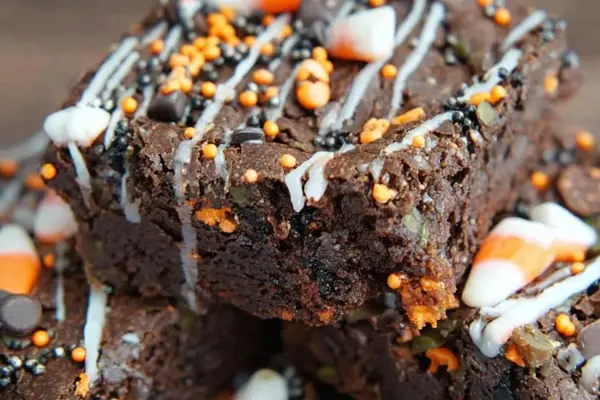
Espresso Chip Brownies
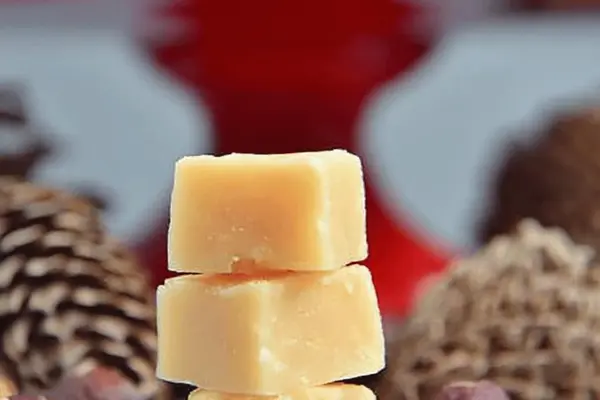
Vanilla Cream Fudge

Spiced Orange Cinnamon Cocoa
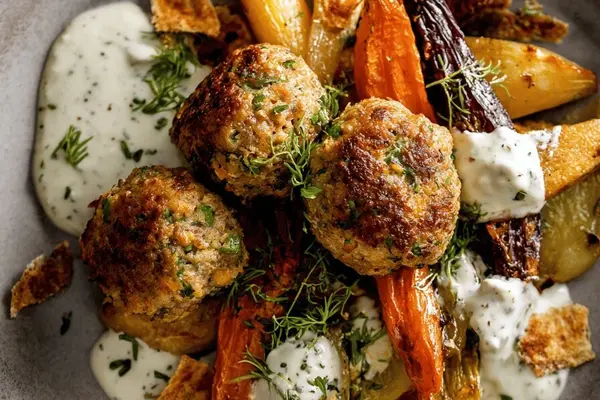
Baked Pork Meatballs Winter Veggies
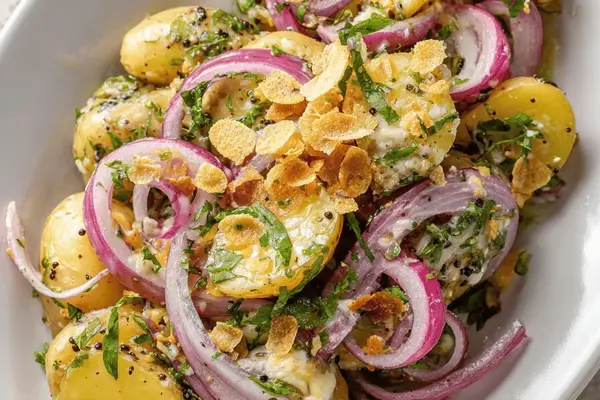
Ratte Potato Salad Twist
Buckwheat Banana Almond Muffins
Corn Flour Savory Crêpes
Cheesy Toasted Welsh
Stuffed Portobello Mushrooms
Zesty Crumble Bars

Glazed Honey Carrots
Rustic Gnocchi Potato Salad
Barbecue Chicken Salad Twist