Garlic Herb Fry Tower
E
By Emma
Certified Culinary Professional
•
Recipe tested & approved
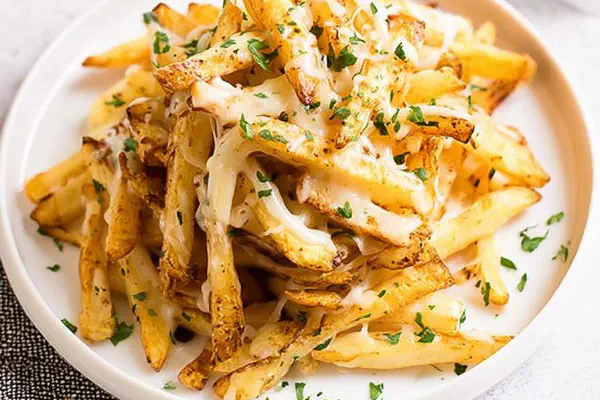
A layered French fry stack with garlic, parsley, and gooey cheese baked in a can for height and crunch. Uses baking or frying methods adjusted with sensory cues. Cheese acts as binder; removal of the can demands care. Garlic and parsley bring punch. Includes substitutions and timing visuals to dodge soggy fries or burnt garlic. A kitchen hack for a fun presentation where texture and smell guide your success.
Prep:
12 min
Cook:
18 min
Total:
30 min
Servings:
4 servings
#American
#snack
#baking
#frying
#cheese
#garlic
#parsley
#kitchen hacks
Before You Start
Started as a lazy snack to upgrade freezer fries. Stacking fries vertically always seemed odd but worked better than expected. Cheese turns into a glue with garlic and parsley. Fried or baked—both have quirks. Oil pops, fries hiss; baking fries demands watchful eyes for color and crisp edges. Garlic smell blooming signals layers ready. The can trick saves space, shapes fries into a tower. Removing metal snugged by gooey cheese requires patience—rush and fries spill. This turned into a bit of science and art in my kitchen with tweaks after testing. Every run teaches me heat and timing rely on senses, not clocks. Decided to swap paprika for smoked, adds depth. Tried dried parsley but fresh rules here. Cheese choice really alters texture—sharp cheddar melts just right for sticking, mozzarella too floppy. It’s a snack that dazzles without fuss once you get layering and timing down.
Ingredients
- Frozen French fries 1 bag (about 24 oz)
- 4 cloves garlic minced fine (or 1 1/2 teaspoons garlic powder for less bite)
- 1/3 cup fresh parsley chopped (substitute with 1 teaspoon dried)
- 1 teaspoon smoked paprika (instead of regular paprika)
- 1/4 teaspoon cayenne pepper optional for heat
- 1/2 teaspoon kosher salt
- 1/2 teaspoon freshly ground black pepper
- 1 cup shredded sharp cheddar cheese (substitute mozzarella for milder melt)
- Cooking spray for pans and cans
In The Same Category · Snacks
Explore all →
Twisted Gruyère Thyme Biscuits
Cheesy Arepas Twist
Cashew Crunch Brittle
Garlic Dill Oyster Crackers
Spicy Antipasto Mix
Chocolate Peanut Butter Balls
Crispy Dill Pickle Fritters

No Bake Horse Cookies
Blueberry Cream Cheese Danish Twist
Canned Biscuit Pretzel Bites
Pepperoni Cheese Logs
No-Bake Pumpkin Brownie Bites
Sweet Potato Snaps
Pulled Pork Cornbread Tarts
Spiced Lamb Kebbés
Candied Blood Oranges
Tangy Pickled Carrots
Peanut Butter Pretzel Choc Cookies
Cheesy Churros Twist
Deep Fried Pecan Pockets
About the ingredients
Frozen fries are a shortcut but pay attention to how you cook them. Baking fries takes patience—don’t multitask too much or crispness fades. Frying requires a thermometer or a hot oil test; slipping in cold fries causes spikes and splatter hazards. Garlic must be minced fine so it distributes evenly without chunks overwhelming bites. Fresh parsley brightens the dish but dried can work if fresh isn’t on hand—adjust quantity down to avoid bitter notes. Smoked paprika replaces plain for smoky warmth—try it if you have but regular is okay. Cayenne optional; adjust for your spice tolerance. Sharp cheddar melts with good stretch and golden coloring but swap for mozzarella for a milder, gooey melt that pulls apart differently. Cooking spray on cans saves a mess; skip this and you’ll wrestle fries and cheese off metal. Use sturdy empty cans; thin ones bend, thick cans hold shape better for stacking. Seasoning adjustments should be done in the mixing bowl before you toss fries—less mess, even coating. Cheese is more than topping here, it glues layers; don’t skimp.
Method
- Set oven to 355 degrees F for a little extra crispness. Line a rimmed baking sheet with foil then spray with oil—it helps fries not stick and makes cleanup painless.
- Prepare fries per the package but modify. Baking: watch fries turn golden edges and crisp underside, poke with fork after 15 minutes to check firmness. Frying: do 2-3 small batches only when oil is screaming hot. Cold fries in hot oil means splatter explosions. Drain on paper towels quickly, no sitting or fries turn mushy.
- Mix garlic, parsley, smoked paprika, cayenne, salt, and pepper in a bowl. It gets sticky. You might think it's too wet or clumpy at first but this is the glue for layers. It sticks to fries better if tossed now; helps flavor stick deeply.
- Spray old metal cans inside—use empty soup or tomato sauce cans cleaned well. Place on baking sheet. Layer fries inside by pinching them in snug layers. Start with a thin bed, then sprinkle cheese moderately, repeat until the can is full. End with a thick final cheese layer so it acts like glue holding your tower together.
- Bake in oven for roughly 12 minutes. Watch cheese melt into golden pools, bubbles forming—do not go too long or cheese crisps hard and sticks to cans. The visual of bubbling cheese tells you to start prepping spatula.
- Use a wide spatula to gently slide under and lift the fry stack. Take care holding firm. Slowly pull the can up to leave your tower standing free. If cheese grips too tight, wiggle a bit with the spatula, but patience is key.
- Admire your creation. The scent of roasted garlic, fresh parsley, and cheese greets you before the crackle of the stacked fries crunching under bite. If fries feel soggy, next time fry less or bake longer. Cheese choice changes chew and stretch—try smoked gouda or gruyere for a twist.
- If any step feels off, remember temperatures and layering matter most. Overpacked cans = limp fries. Undersprayed cans = sticky mess. Cheese is your glue and your caution. Tweak seasoning and heat with your senses, not just clocks.
Cooking tips
Preheat higher than package instructions to get fries crisping instead of steaming inside the foil-lined pan. Aluminum foil helps retain heat and makes cleaning a breeze—spraying it ensures fries don’t stick. When frying, small batches maintain oil temperature; cold fries cause splatter and tough fries. Drain fries immediately on paper towels so residual oil doesn’t create sogginess. Toss fries in the garlic-parsley mix when still warm so flavors cling but handle quickly or coating clumps. When layering fries, don’t just throw them loosely. Pack them fairly tight because air pockets cause the tower to collapse when baking. Cheese is key for holding stacks together; visual cues like bubbling and golden edges tell you when it’s ready. Pull the metal can out with steady upward motion once slightly cooled but before cheese hardens. Use a wide spatula to prevent breaking the tower. If cheese sticks too much, wiggle spatula gently, sometimes reheating a minute helps loosen. Avoid baking too long or tower collapses from dry fries. Watch, smell, and feel textures rather than strictly timing. Kitchen hacks like re-spraying cans sometimes with oil between layers improve release. Experiment with cheese types and herbs for variations but always trust visual and aroma cues.
Chef's notes
- 💡 Start preheating oven hotter than package says to push fries crisp, not steamed in foil. Foil plus light oil spray stops fries from bonding to pan—and cleanup’s easier. Baking needs watchful eyes for edges turning golden, smell of roasted garlic means layers locking in well. Crunch depends on tossing fries warm to stick garlic-parsley paste evenly, dry fries hold seasoning poorly.
- 💡 When frying, heat oil screaming hot. Cold fries drop oil temp—splatter hazard plus fries soak oil, soggy results. Work in small batches. Drain immediately on paper towels no lingering oil puddles. Fries lined quickly avoid limp texture. Garlic powder swap cuts punch but powder clumps easy, so sprinkle in layers carefully for even flavor distribution.
- 💡 Layer tight in cans, pinch fries to close air pockets or tower collapses mid-bake. Cheese needs to be sprinkled between every few layers—acts glue. Sharp cheddar provides strong melt and browns nicely. Mozzarella melts gooier but too floppy, stack falls easier. Smoke paprika herbs add depth, cayenne optional but kick alters balance, use cautiously.
- 💡 Spraying well inside cans critical—skip and cheese sticks hard, can tears fry layers on release. Lift slow, spatula wide helps slide under stacks. Wiggle spatula gently if stuck, reheating 30 secs loosens cheese bonds. Pushing too hard breaks tower. Patience pays. Metal cans vary: thicker hold better shape, thin bend and crush fries.
- 💡 Texture shifts signal done: cheese bubbles visible, edges can brown but avoid hard crisp cheese or tower shards. Garlic smell strong means roasting at right level. Overbake dries fries. Underspray oil or loose layering leads to sticky messes and flavor loss. Experiment substitute cheeses, fresh parsley best but dried saves time; just reduce quantity or risk bitterness.
Common questions
Fry soggy after baking?
Often underheated oven or foil trapping steam. Use hotter temp than package. Toss fries tight in layers. Let smell garlic roasting guide—means drying out. Cheese bubbles help judge doneness. Next time spray foil well, don’t crowd fries.
Can I skip fresh garlic?
Yes, garlic powder works but less punch. Mix finely so no clumps. Flavor less layered but simpler. Add at seasoning step before tossing fries. Adjust quantity down; powder strong sometimes bitter if overused. Dried parsley also okay but fresh brightens layers best.
Cheese sticks hard to can?
Happens if no oil spray or bake too long. Spray inside cans every batch. Pull cans slow with spatula underneath. Warm can slightly in oven if stuck. Cheese texture matters—sharp cheddar melts firm but give wiggle room pushing can off. Don’t rush removing metal or tower cracks.
How best to store leftovers?
Fridge wrapped loosely in foil or airtight container. Reheat gently, better in oven or toaster over microwave to restore crisp. Keep cheese layer intact if possible. Fries soften over time; crisp up by baking longer on rack so air circulates. Avoid reheating too high or dries fries fast.
You’ll Love These Too
Explore all →
Blueberry Bread Pudding Maple Sauce
Kitchen Sink Cookies
No-Bake Blueberry Cheesecake Remix
Sweet Potato Quinoa Pie
Halloween Rice Krispie Cake
Italian Meatball Soup Remix
Nutty Caramel Crunch
Herb-Roasted Chicken Couscous
Chilly Melon Banana Blend
Grilled Whole Red Snapper
Reduced Strawberry Cake
Quick Cherry Sauce Twist
Mint Mocha Cupcakes Remix
Loaded Mashed Potato Bake

Twisted King Cake
Caramel Pecan Cinnamon Rolls
Citrus Tequila Sour Twist
Chocolate Peanut Butter Cake
Smothered Chicken Burritos Remix
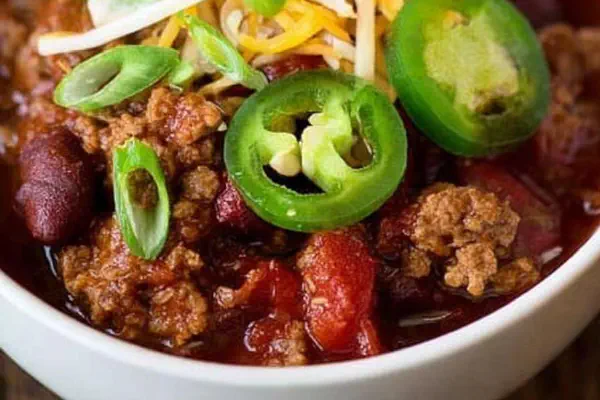
Slow Cooker Chili Remix