Honey Glazed Brown Sugar Ham
E
By Emma
Certified Culinary Professional
•
Recipe tested & approved
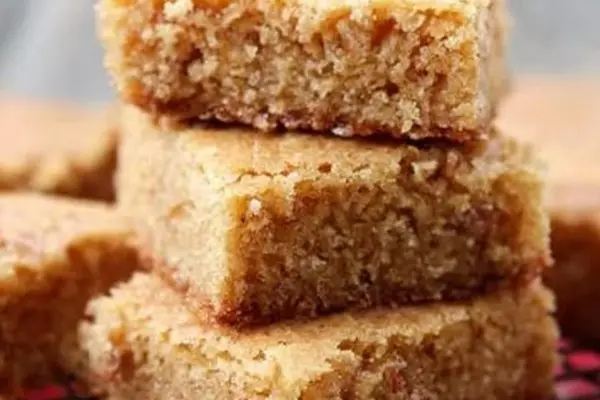
Crack an egg into a bowl and start whipping. Honey goes in next—just pour it over, watch it coat everything. Brown sugar follows, and you’re already 5 minutes in with something that looks like it might actually work. Three tablespoons of that light brown sugar, not white. White doesn’t give the same chew. Mix until there’s no streaks left, just one unified thing. Then the oil, slow. Bourbon vanilla. You’re making honey pecan bars from scratch, and it takes 46 minutes total to go from nothing to something dense and golden and still somehow chewy in the middle.
Why You’ll Love This Honey Pecan Bars Recipe
Tastes southern without tasting heavy. Like cornbread’s sweeter cousin, kind of. The pecans don’t disappear. They stay crunchy, hold their shape, don’t get lost in honey. Works for dessert. Works for breakfast the next day. Works cold out of the fridge. Stays chewy for days. Most pecan bars from scratch dry out. These don’t. The bourbon vanilla does something—can’t explain it. Just makes it taste fuller somehow.
What You Need for Georgia Pecan Bars
One large egg. Beat it till it’s almost fluffy—that’s your base. Two tablespoons honey. Not a teaspoon, not three. Stickiness comes from this. Light brown sugar, three tablespoons. The molasses in it matters. White sugar won’t give you the same thing. Oil, a third of a cup. Vegetable oil works. Olive oil tastes wrong. Bourbon vanilla extract, one teaspoon. Real vanilla. The kind with actual bourbon in it works better than plain, but plain works. All-purpose flour, one cup. Sifted. Prevents clumping. Pecans, a third cup, chopped fine. Walnuts or almonds swap in fine. Pecans taste like Georgia though. Butter or oil to grease the pan.
How to Make Baked Pecan Bar Dessert
Oven goes to 345 degrees. Preheat it empty, 3 minutes. Heat in the pan matters.
Crack the egg into a large mixing bowl. Whip it till the yolk and white are one thing, almost fluffy—not stiff, just blended. Take maybe 2 minutes. It looks different when it’s actually broken down.
Dump honey over it. Then brown sugar. Stir them until no streaks. This takes a minute, maybe two. You’ll see the honey coat the sugar, then the sugar dissolve slightly. That’s when it’s done.
Pour oil slowly—don’t dump it. Stir gently while you pour. Add the bourbon vanilla. Keep stirring. It looks like a thick syrup now, almost like it won’t work, but it will.
Sift flour over the top. Don’t skip the sifting. Fold it in with a spatula, gently. Three or four folds, not ten. Overmixing tightens the gluten and you get tough, not chewy. The dough should be dense but you can still move it around.
Fold in the chopped pecans last. They stay whole-ish this way, don’t break down into the batter.
How to Get Honey Brown Sugar Bars Crispy on the Edges
Grease a 13 by 9 inch pan. Butter or oil, doesn’t matter. Press the dough in evenly. Use the back of a spatula, pat it smooth. Doesn’t need to be perfect. It won’t look like much yet.
Bake for 27 to 30 minutes. Twenty-eight minutes is my baseline. The edges turn golden, get a slight dark crust. The center still jiggles when you shake the pan. That jiggle means it’s not overbaked—means it’s moist inside, almost fudgy.
Pull it out and set it on a cooling rack, still in the pan. This matters. Don’t unwrap it yet.
Wait 45 minutes minimum. Don’t rush this. The bars need to set up or they fall apart when you cut them. I know 45 minutes is long. Worth it though.
Homemade Pecan Bars Tips and Common Mistakes
Room temperature egg matters more than you’d think. Cold egg doesn’t blend as smoothly, and you end up with grittier texture. Pull it from the fridge 10 minutes before you start.
Don’t overmix the flour. Seriously. The second you see no flour streaks, stop. Thirty more stirs and the bars get tough.
The bourbon vanilla actually matters. Not worth skipping. If you don’t have it, use regular vanilla but add just a dash of bourbon if you have it—the alcohol cooks off and leaves flavor behind.
Shaking the pan to check doneness works. The center jiggles but the edges don’t budge. That’s the tell.
If edges brown too fast and center’s still raw, cover the pan loosely with foil for the last 5 minutes. Slows the top down.
These bars hold shape once cooled. Cut them cold, not warm. Warm they fall apart. Cold they slice clean.
Honey Glazed Brown Sugar Ham
Prep:
18 min
Cook:
28 min
Total:
46 min
Servings:
12 servings
Ingredients
- 1 large egg
- 2 tablespoons honey
- 3 tablespoons light brown sugar
- 1/3 cup vegetable oil
- 1 teaspoon bourbon vanilla extract
- 1 cup all-purpose flour
- 1/3 cup finely chopped pecans
- Butter or oil for greasing baking dish
Method
- 1 Preheat oven to 345 degrees F. Grab a large mixing bowl. Crack egg in and whip it till yolk and white blend, almost fluffy.
- 2 Dump in honey and brown sugar. Stir them until no streaks left. Honey gives stickiness, sugar crunch but less than original recipe for chewiness.
- 3 Slow pour oil and bourbon vanilla. Stir gently, combine liquid into thick syrup.
- 4 Sift flour over mixture, then fold in with spatula. Don’t over mix or gluten will tighten the crumb. Dough should be dense but malleable.
- 5 Now fold in chopped pecans. Nuts crunch, but you can switch with walnuts or almonds if pecans missing.
- 6 Grease a 13 x 9 inch pan with butter or oil. Press dough evenly, pat with back of spatula to get smooth surface.
- 7 Bake for 27 to 30 minutes. Edges turn golden with slight dark crust, center remains just a bit jiggly when shaken. Jiggle means moist inside, almost like fudge.
- 8 Leave in pan on cooling rack for at least 45 minutes. Don’t rush slicing or bars fall apart.
- 9 Cut into squares when cold. Should hold shape easily, texture dense but chewy.
Nutritional information
Calories
190
Protein
3g
Carbs
22g
Fat
10g
Frequently Asked Questions About Honey Pecan Bars
Can I use a different type of pecan? Pecans are pecans. Halves work, pieces work, doesn’t matter. Just chop them fine so they distribute.
What if I don’t have bourbon vanilla? Regular vanilla works. Tastes different—less depth—but it works. The bars taste good either way.
How long do these last? Five days, easy. Stays chewy the whole time if you keep it covered. Longer if you freeze them.
Can I swap the brown sugar for white sugar? Not really. White sugar gives crunch without chew. That’s not what these are.
Do I have to let them cool 45 minutes? Yes. Forty minutes minimum. Less than that and they fall apart when you cut them. Learned that the hard way.
Can I make these in a smaller pan? A 9 by 9 goes too deep, bars get underbaked in the middle. The 13 by 9 is right. Spreads the heat properly.
What if the center still jiggles after 30 minutes? Give it 2 more minutes. Ovens vary. Mine runs hot. Yours might run cool. The jiggle is your signal more than the timer.
Can I add more honey? You could. Changes the texture though—softer, greasier. Three tablespoons is the amount that works. More and it doesn’t set right.
You’ll Love These Too
Explore all →
Cream Cheese Carrot Dip with Cinnamon
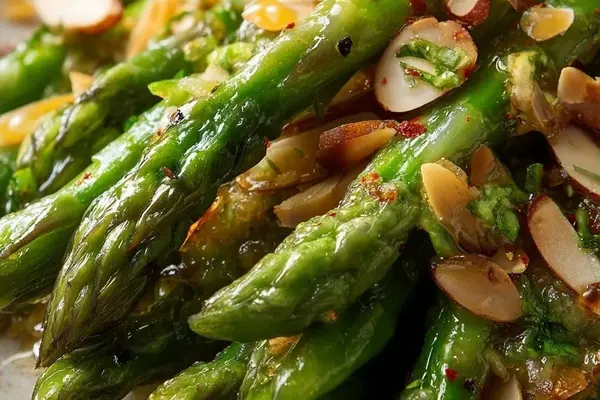
Vegan Lemon Butter Asparagus with Almonds

Long Island Iced Tea Recipe with Mezcal
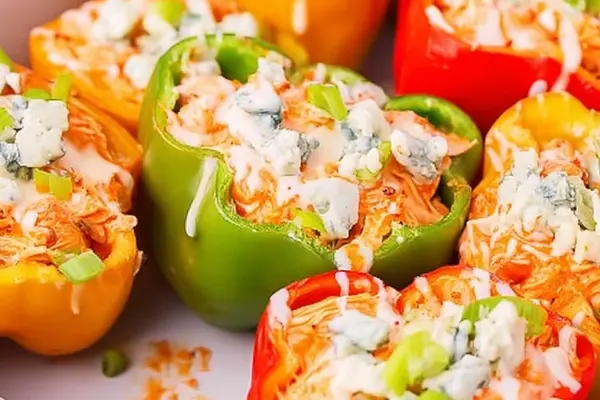
Buffalo Chicken Stuffed Peppers Recipe
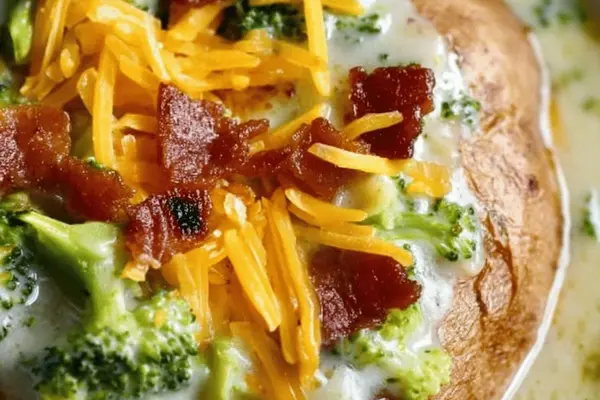
Cheesy Broccoli Potato Soup with Smoked Gouda
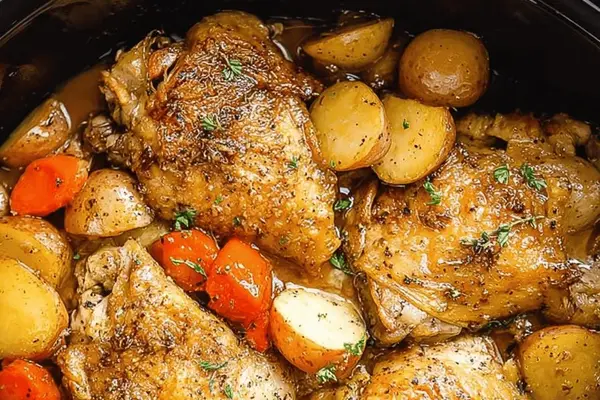
Slow Cooker Chicken Thighs with Potatoes
Berry Quinoa Bowl with Greek Yogurt
Slow Cooker White Chicken Chili Recipe
Meatball for Spaghetti Recipe with Italian Sausage
Beef Broth Soup with Parsnip Mousse
Dairy-Free Polenta with Coconut Cream
Strawberry Short Cake with Flaky Tartlets
Roasted Root Vegetables Recipe with Balsamic
Cheesy Risotto Arancinis with Taleggio
Chili Verde Recipe with Ground Pork
Slow Cooker Cranberry Meatballs Recipe
Caprese Salad with Tomatoes and Fresh Tarragon
Blood Orange Chiffon Cake with Cardamom
Blueberry Danish with Cream Cheese & Lemon