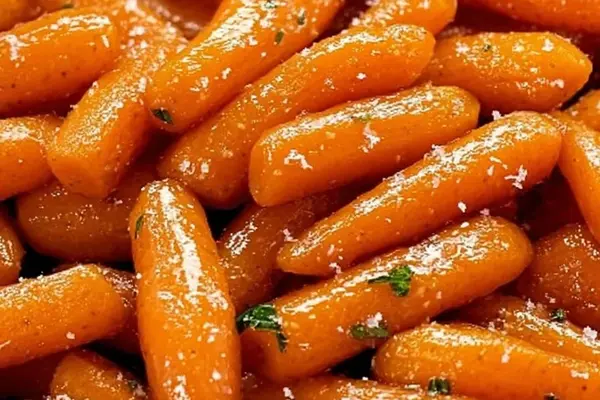
Glazed Carrots with Maple Syrup & Brown Sugar
By Emma
Certified Culinary Professional
·
Recipe tested & approved
Glazed carrots simmered in butter, dark brown sugar, and maple syrup until fork-tender with a sticky glaze. Finished with cracked black pepper and fresh parsley for an elevated side dish.
Prep:
6 min
Cook:
18 min
Total:
24 min
Servings:
4 servings
Carrots go in cold water with everything else. Cover. Medium heat. The steam does the work first—sugar stays off the bottom, carrots soften without any fuss. Then you uncover, crank it up, and watch brown sugar honey glazed carrots actually turn into something shiny and sweet.
Why You’ll Love This Easy Glazed Carrots Recipe
Takes 24 minutes flat—6 to prep, 18 to cook. No standing around. Works as a vegetarian side dish that doesn’t taste like punishment. Honey butter carrots this good usually need actual skill. This one doesn’t. The glaze sticks to every piece instead of pooling at the bottom. One skillet. Cleanup is maybe three minutes. Tastes better the next day, which is weird but true.
What You Need for Honey Butter Carrots
A pound of carrots, peeled and cut thick—coins, not thin rounds. Thick matters. They stay firm while the glaze softens them, not into mush.
Cold water. 1/3 cup. Not hot. Cold changes how the carrots cook underneath the glaze.
Unsalted butter. Three tablespoons. Salted works but then you’re guessing on salt at the end.
Dark brown sugar. 1/4 cup. Light brown is too mild. Doesn’t taste like anything.
Pure maple syrup. Two tablespoons. Honey works if maple’s gone—expect the glaze thinner, less smoky. Doesn’t taste worse, just different. Some people like it better.
Black pepper. Fresh cracked. Not the stuff in the tin that’s been open since 2019.
Flat-leaf parsley. Fresh. Chopped. Right before serving, not before cooking.
How to Make Maple Syrup Carrots
Put the skillet on medium heat. Carrots go in cold—along with the water, butter, brown sugar, and maple syrup. Everything at once. Cover it immediately.
Listen. You’re listening for a soft simmer, not aggressive bubbling. Stir every three minutes or so. It’s not a timer thing—just when you remember. The goal is steam cooking the carrots gently, sugar dissolving without burning. Takes 7 to 9 minutes. Carrots should be softer but not falling apart. You want them to still push back a little when you poke them.
How to Get Fork Tender Carrots with a Glaze That Sticks
Lid comes off. Heat goes to medium-high. Everything changes now.
The water starts to evaporate. Brown sugar honey glazed carrots start looking thicker, stickier. Stir constantly—bottom matters because sugar burns if you don’t. You’re scraping the pan every few seconds. The sound shifts. Bubbling water noise turns into syrup sound. Thicker. Less active. More like it’s coating instead of swimming.
Edges start looking darker, shiny. That’s caramelization happening. Good. Keep going until carrots feel soft all the way through when you poke one, and the glaze has body—not runny, not hard. Takes another 7 to 9 minutes. Turn off heat.
Easy Glazed Carrots Tips and What Goes Wrong
If sugar starts scorching—smells burned instead of caramel—lower heat or add a splash of water. You want slow brown sugar caramel happening, not aggressive burning. Slow wins.
Black pepper goes in last. Generous grind. The sharp cuts the sweetness so the whole thing doesn’t feel cloying. Toss once so it coats everything.
Parsley goes on right before the plate. Not earlier. Cooking kills it. Just chopped fresh parsley scattered across the top. That green brightness matters—it’s the reason this doesn’t feel heavy.
Serve hot. Or cold tomorrow. Cold is honestly better—flavors sit deeper, glaze firms up slightly. Pairs with literally anything. Roasted chicken, fish, grains, alone on a plate. Works every time.
Glazed Carrots with Maple Syrup & Brown Sugar
Prep:
6 min
Cook:
18 min
Total:
24 min
Servings:
4 servings
Ingredients
- 1 pound carrots, peeled and sliced into thick coins
- 1/3 cup water
- 3 tablespoons unsalted butter
- 1/4 cup dark brown sugar
- 2 tablespoons pure maple syrup
- Freshly cracked black pepper to taste
- Chopped fresh flat-leaf parsley for garnish
Method
- 1 Start with cold water, butter, dark brown sugar, maple syrup, and carrots in a 10-inch skillet over medium heat. Cover immediately to steam carrots gently. Give it a stir here and there, about every 3 minutes. Listen for a soft simmer, not a boil. Be ready to shift heat if sugar starts to stick too aggressively. Usually takes 7-9 minutes until carrots start softening but still have bite.
- 2 Remove the lid, raise heat to medium-high. Watch closely—sugar will bubble and thicken rapidly now. Stir frequently, scraping bottom to prevent burning. Sweet syrup should reduce to sticky glaze coating every piece. The sound changes from bubbling water to sly syrup thickening. Turn off heat when carrots are fork tender and glaze has plush body, about 7-9 minutes. The edges will look shiny and a little caramelized.
- 3 Finish with a generous grind of cracked black pepper across the pan—sharp contrast to the sweetness. Toss once for even seasoning. Sprinkle parsley on top just before serving; its fresh brightness cuts through the rich glaze. Serve hot. Can stand alone or paired with roasted meats or grains.
- 4 Pro tip: If sugars scorch, lower heat or add splash water; you want a slow gentle simmer, not a rapid boil. Maple adds a smoky note but honey works if preferred—expect slightly thinner glaze. Don't rush the uncovered step; it's where magic happens for texture and flavor depth.
Nutritional information
Calories
254
Protein
1g
Carbs
39g
Fat
11g
Frequently Asked Questions About Glazed Honey Carrots
Can I use honey instead of maple syrup in this recipe? Yeah. Glaze will be slightly thinner, less smoky depth. Still good. Some people prefer it. The carrots taste sweeter that way.
Why does the recipe call for cold water instead of hot? Cold slows everything down. Sugar stays distributed, doesn’t clump or burn. Hot water would speed up the cook and you lose control over the glaze. Doesn’t work the same.
How do I know when the carrots are actually done? Fork tender. Push a coin with a fork—it should give all the way through. No resistance in the middle. The glaze should coat everything, look shiny. Not runny. Not thick like candy.
Can I make buttered carrots with maple syrup ahead of time? Make it an hour before if you want. Reheat gently in a skillet over low heat—just enough to warm through. Don’t boil it or the glaze breaks. Cold straight from the fridge tastes better than reheated, honestly. Glaze firms up.
What if my glaze is too thick or too thin? Too thin—you uncovered too early or heat wasn’t high enough on the second step. Next time wait longer before uncovering. Too thick—you cooked it too long. Add a teaspoon of water and stir. Not complicated.
Can I use a different vegetable instead of carrots? Parsnips work. Turnips too. Brussels sprouts if you want something less sweet. Everything takes different time though—this timing is specific to carrots the size described. Smaller pieces cook faster.
You’ll Love These Too
Explore all →
Lemon Butter Frosting with Yuzu & Almond Milk
Foie Gras Canapés with Peach Preserves
Homemade Marshmallows Recipe with Vanilla
Beef Gnocchi with Smoked Paprika
Rustic Onion Gratinée with Sherry
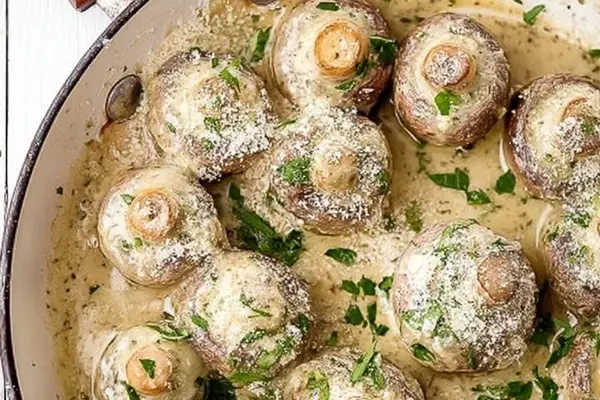
Creamy Mushroom Sauce with Parmesan

Barbecue Smoked Turkey Salad with Corn
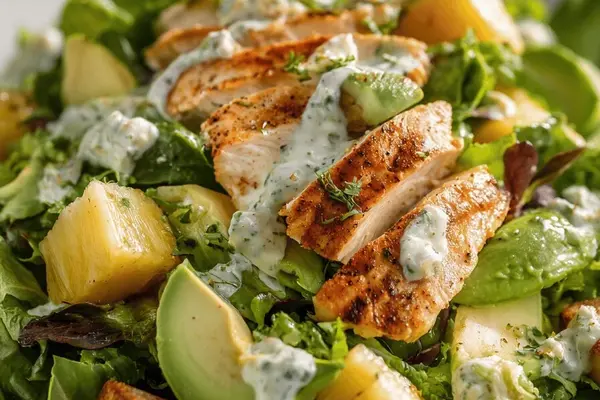
Pineapple Chicken Salad with Avocado
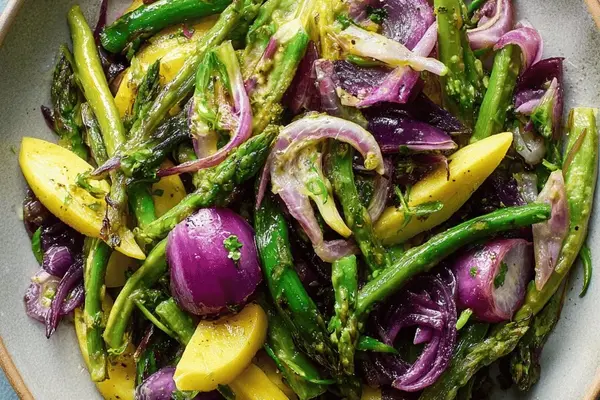
Grilled Vegetables: Charred Three Bean
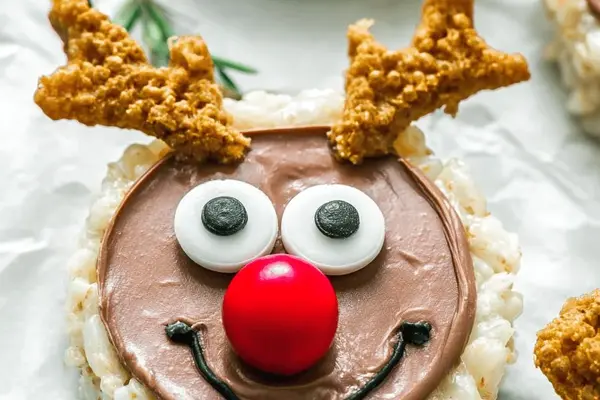
Nutty Reindeer Rice Cakes with Hazelnut
Pulled Pork Bites with Cornbread Mix
Lactose-Free Strawberry Ice Cream with Coconut
Blueberry Muffins with Yogurt and Honey
Mediterranean Chicken Crescents with Feta
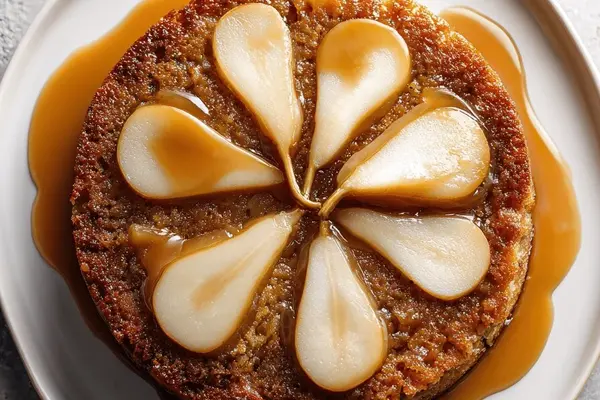
Pear Upside-Down Spice Cake Recipe
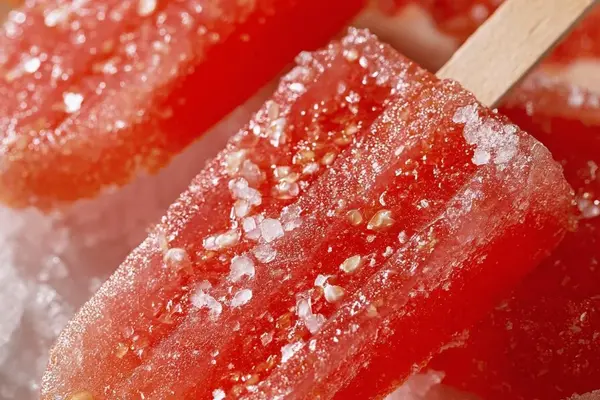
Grapefruit Syrup Snow Candy on Sticks
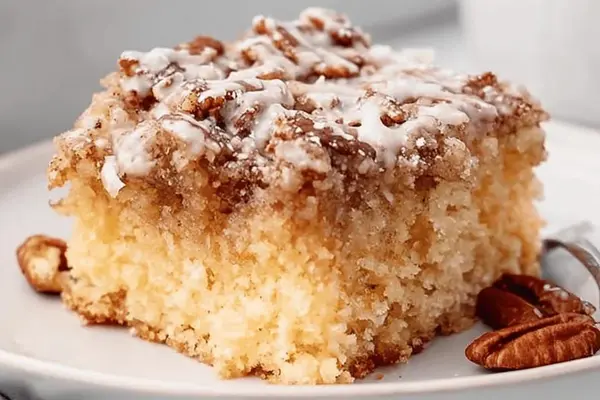
Pineapple Upside Down Cake Recipe
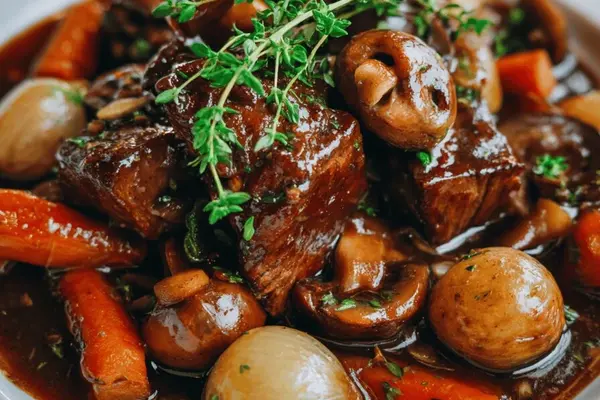
Seitan Bourguignon with Red Wine & Mushrooms
Strawberry Bread with Yogurt and Lemon