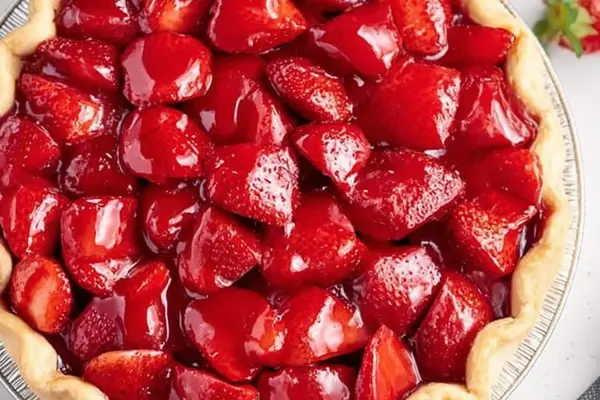
Glazed Strawberry Pie Twist
E
By Emma
Certified Culinary Professional
•
Recipe tested & approved
A sweet strawberry pie with a crisp crust sealed by egg whites to prevent sogginess. Cornstarch and sugar form a quick glaze thickened on heat, then mixed with strawberry gelatin for punch and sheen. Fresh berries layered beneath the shiny glaze, chilling for set firmness. Simple but thoughtful tweaks ensure a sturdy base and glossy finish. Slightly adjusted bake times, a dash less sugar. Substituted clear gelatin for strawberry to let fresh fruit color pop. Short tips on avoiding soggy bottom and handling delicate berries.
Prep:
25 min
Cook:
15 min
Total:
4h 40min
Servings:
8 servings
#American dessert
#fruit pie
#strawberry
#baking tips
#glaze techniques
#no soggy crust
Before You Start
Pie crust crackling in hot oven. Scents of sugar heating with cornstarch thickening into glossy glaze. Biting into firm, fresh strawberry pockets with a shine that promises tart brightness and not just sweetness. Past attempts left me with a soggy soggy crust, clear gelatin replacing strawberry for brightness—worked better visually but mixed reactions on flavor. Egg whites brushed on the crust like a moisture barrier? Game changer. It seals the dough drawing a thin skin that keeps a brittle edge while the interior stays tender. Gives the perfect resistance to the glaze too; no soft spots. Chill the whole flavor bomb for several hours or overnight to let everything firm. I still love that little pop of whipped cream or a dust of lemon zest on each slice. Baking is as much feel and smell as exact measurements. Watch the crust edges, listen for silence once the jiggling stops, wait for the glaze to settle. This pie is as much a process as a reward.
Ingredients
- 1 9-inch pie crust
- Nonstick spray or butter for greasing
- 2 egg whites beaten lightly
- 3/4 cup granulated sugar (reduced slightly)
- 3 tablespoons cornstarch
- 1 cup water
- 1 package clear gelatin (sub for strawberry gelatin)
- 4 cups fresh strawberries, hulled and halved
- Whipped topping for garnish
In The Same Category · Desserts
Explore all →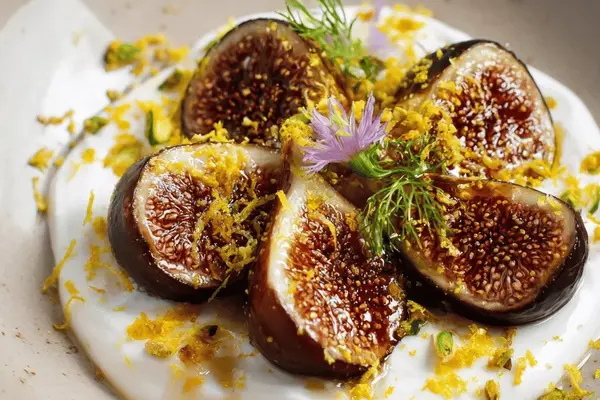
Caramelized Figs Honey Yogurt Twist
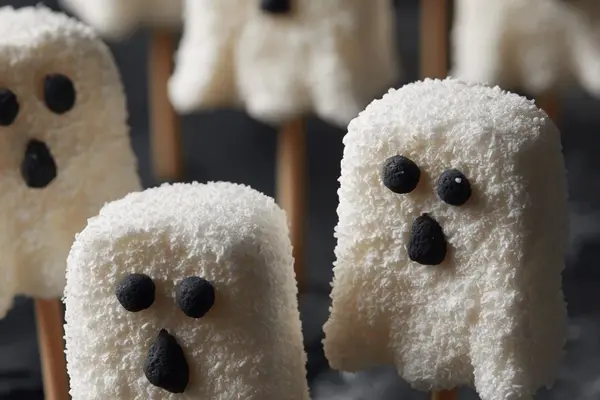
Ghost Marshmallow Pops
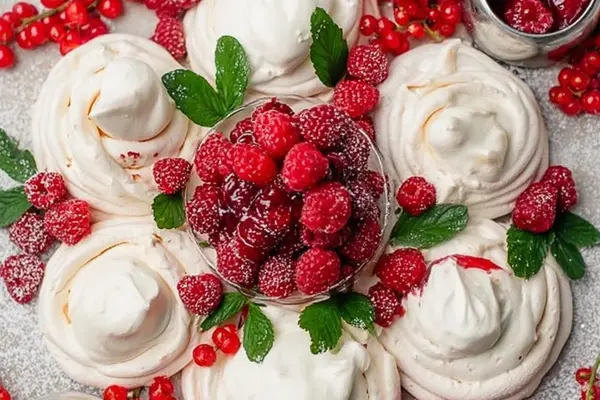
Cranberry Meringue Wreath
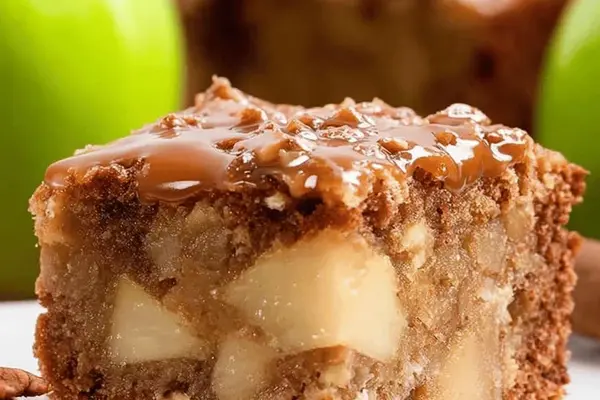
Apple Dapple Cake Remix
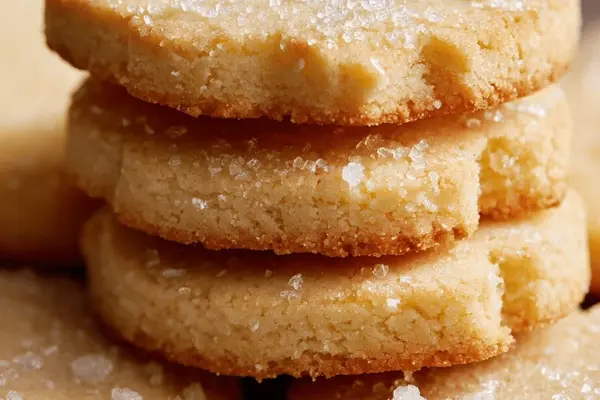
Vanilla Almond Shortbread
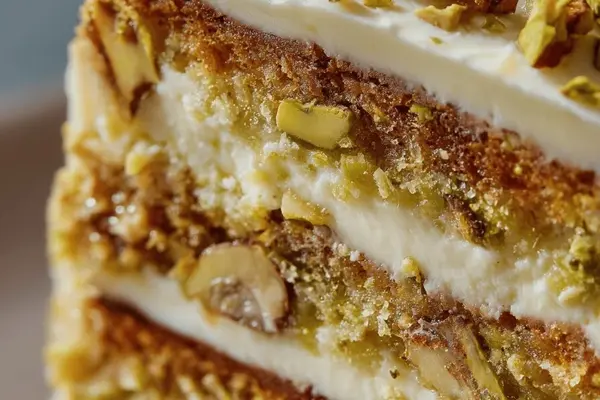
Twist Pistachio Cake
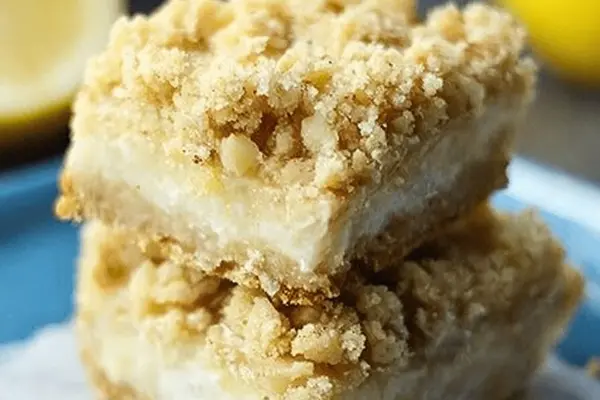
Zesty Crumble Bars
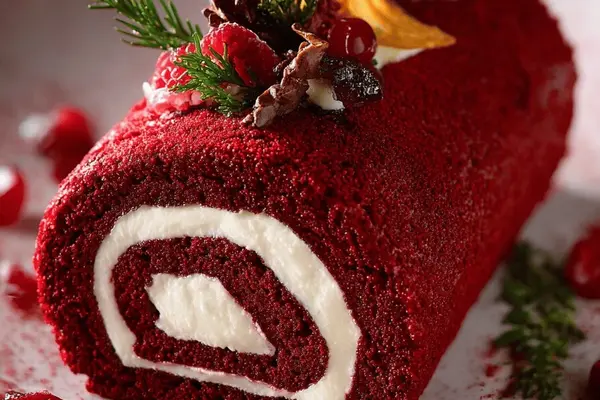
Red Velvet Yule Log
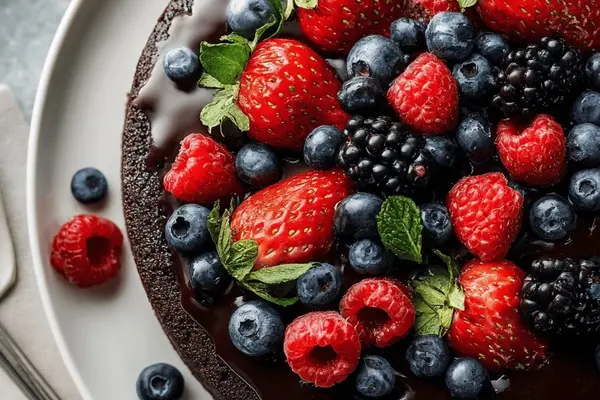
Less Sweet Chocolate Cake
Vegan Strawberry Shortcakes
Apple Crescent Coffee Cake
Coconut Flan Twist
Spider Cupcakes Twist
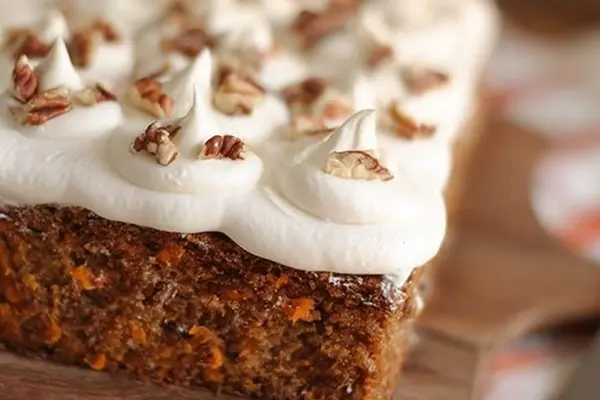
Sweet Potato Cake Remix
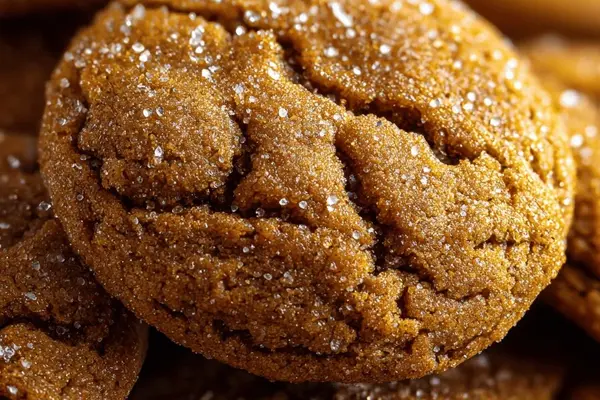
Molasses Banana Cookies
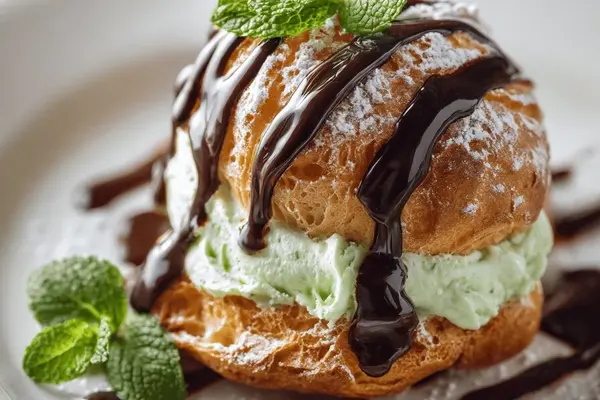
Chocolate Mint Profiteroles
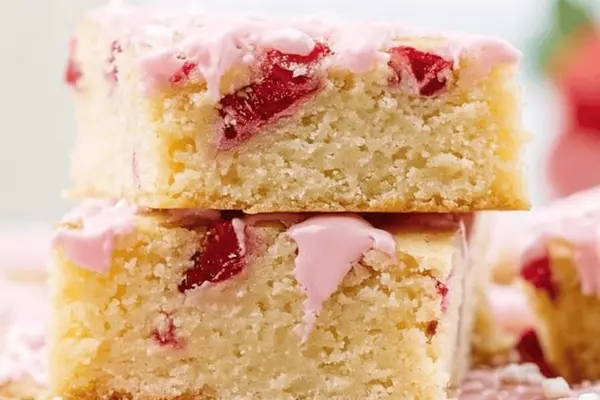
Strawberry Lemon Blondies Remix
Pumpkin Apple Pecan Pie
Apricot Coconut Bars
Cherry Almond Cake
About the ingredients
Pie crust can be homemade or store-bought—watch for quality; some are thicker and need longer blind baking. If you don’t have pie weights, dried rice or beans substitute but toss them after use. Egg whites create a seal; skip them and expect sogginess—no shortcuts. Sugar adjusted down slightly from usual to let fresh berry flavor shine without cloying sweetness. Cornstarch thickens glaze fast but avoid lumps by whisking slowly as water joins. Replacing strawberry gelatin with clear gelatin preserves color and cleaner berry bite—good for fresh sliced strawberries. If you want more punch, a dash of lemon juice helps brighten glaze without overpowering. Always pick firm berries with minimal bruising as glaze won’t fix mushiness. Whipped topping optional but a welcome textural contrast.
Method
- Preheat oven to 420°F—slight tweak to standard 425 to avoid overbaking crust edges.
- Unroll pie crust into 9-inch lightly greased pie plate. Dock with fork at bottom and sides to let steam escape—this stops bubbling and uneven rising.
- Line crust with sprayed foil, fill with pie weights or dried beans. Bake 12 minutes or until edges just start to color—watching for faint golden flecks, not dark brown.
- Remove pie weights and foil carefully, then brush beaten egg whites evenly inside crust including sides—this sealing layer stops soggy filling disaster.
- Return crust to oven 8-12 minutes till surface looks matte, golden and firm to touch.
- Meanwhile whisk sugar and cornstarch in heavy-bottom saucepan over med-high heat, pour in water slowly while whisking—no lumps, smooth slurry.
- Keep whisking until glaze just thickens and clings to spoon, about 3-4 minutes. Watch closely—too thick gets gummy; too runny won’t set.
- Off heat, sprinkle clear gelatin over glaze, stir briskly to dissolve completely—no grainy bits. Let cool 7 minutes, glaze will deepen color and thicken a bit as it cools.
- Arrange halved strawberries tightly in cooled pie shell—fill gaps but no crushing, maintain fresh shape and texture.
- Pour glaze gently over berries, tilting pie plate to coat evenly but avoid overflow.
- Chill pie minimum 4 hours until set—glaze will firm, berries stay glossy with fresh snap. Serve with dollops of whipped topping on each slice.
- To rescue soggy crust, pre-bake longer edges or add thin layer melted white chocolate before icing egg whites for extra barrier.
- If no pie weights, dried beans or rice works but never eat after use. Egg whites can be salted for savory, here keep plain.
- Clear gelatin highlights fresh berry color better than flavored versions, but strawberry gelatin can be used—just expect deeper pink tones.
- Overbaking crust dries it out, underbaking means collapse under wet filling; rely on color and touch, edges firm but not tough.
- Chopped or pureed frozen strawberries can replace fresh in glaze but texture/lumps vary.
- Avoid stirring berries into glaze or they break down—layering keeps them intact and pretty.
Cooking tips
Blind baking crust is critical—pricking holes vents steam preventing bubbles and cracks. Use foil wrapped around weights or beans; shiny side down to reflect heat and prevent burning crust bottom. Egg white brushing seals crust pores—too thin and ineffective, too thick with clumps. Watch for crust color carefully—light golden edges signal doneness; darker means dry or bitter. On heat, cornstarch mixture thickens rapidly; constant whisking essential to avoid sticking or burning. Remove before full gelatin dissolve, as residual heat finishes the job. Let glaze rest off heat so it thickens slightly; pouring too hot risks softening crust or cooking berries. Arrange strawberries with cut side down or layer impressively for texture contrast. Chill so glaze firms, no rushing here. Problems: soggy bottom means underbaked crust or lack of egg barrier. Watery glaze means too little cornstarch or overheat. If pie cracks on cooling, your egg white layer might be too thin or glaze poured too hot. Always practice patience—good pie is a waiting game.
Chef's notes
- 💡 Blind bake crust well. Dock that dough with fork pokes everywhere. Use foil with weights shiny side down. Watch edges closely; 12 mins near 420°F sparks golden flecks, not dark brown. Long bake risks dry crust; short means wet sog under filling. Egg whites brush thick but even—patchy brings sogginess. Brushing sides matters as much as bottom. Seal pores like a barrier. Let dry before next step.
- 💡 Whisk sugar and cornstarch before adding water slowly. Avoid lumps. Heat med-high, constant whisking till glaze clings and thickens but not gummy. Off heat add clear gelatin; must dissolve fully or glaze grainy. Leaving bits ruins texture and shine. Let glaze cool until slightly thick but pourable — too hot wrecks crust and berries. Watch timing; glaze sets fast as it cools.
- 💡 Arrange berries tight in pie shell but don’t smash. Halves face cut side down or layer evenly for texture contrast. Avoid stirring berries into glaze; breaks them down, messes texture. Glaze poured gently with tilted plate to coat evenly; overflow loses glaze and dulls crust. Chill min 4 hours. Patience makes firm, glossy glaze keep berry snap. Skipping chill risks runny finish.
- 💡 If no pie weights handy, dry beans or rice substitute OK but discard after. Egg whites pure or salted for savory; here plain lets thin barrier form better. Sub clear gelatin for strawberry variety to keep fruit’s natural color bright, less pink. Frozen pureed berries possible in glaze but add lumps and chew variations. Care needed. Bake temps crucial: 420°F slight drop from 425 prevents overbake at edges solving dry bitter spots.
- 💡 Soggy crust means underbake or missing egg white seal. Prebake longer edges or add thin melted white chocolate layer before egg whites for extra stopgap. Overbaked pie dries and cracks on cooling, fragile edges. Watch crust color and finger touch — firm not tough means just right. If cracks appear after cooling glaze, likely thin egg layer or glaze too hot when poured. Always chill well.
Common questions
How to avoid soggy crust?
Seal crust inside with thin beaten egg whites. Blind bake crust well, dock holes prevent bubbles. Longer bake edges help. Thin white chocolate layer works too. Skipping or thin coat means soggy bottom. Cooling glaze off heat helps stop softening crust.
Can I use flavored gelatin?
Clear gelatin preferred for color pop. Flavored like strawberry deepens pink tone, masks fresh berry look. Substitute okay but expect color shift. Flavored sometimes changes texture slightly or sweetness. If no clear, use less sugar so glaze not overpowering.
My glaze is too runny what now?
Check cornstarch amount; too little won’t thicken. Whisk constantly on medium heat during cook till glaze clings spoon. Off heat add gelatin early, residual heat finishes melt. Too hot glaze poured damages crust and berries. Cooling glaze before pouring fixes runniness. Also watch timing closely, glaze thickens fast or gets gummy.
How best to store leftover pie?
Refrigerate covered loosely to keep glaze shiny but avoid condensation. Chilling helps firm glaze. Room temp risks glaze melt and berry sogginess in hours. Freeze not ideal, freezes berries mushy and glaze breaks. Stored leftovers lose some berry snap after day 2 but glaze holds reasonably well in fridge.
You’ll Love These Too
Explore all →
Zesty Honey Mustard Dip
Cinnamon Sugar Popovers
Peanut Butter Caramel Mousse
Sauteed Spinach Sausage Pasta
Dairy-Free Pesto Twist

Braised Pork Corn Quesadillas
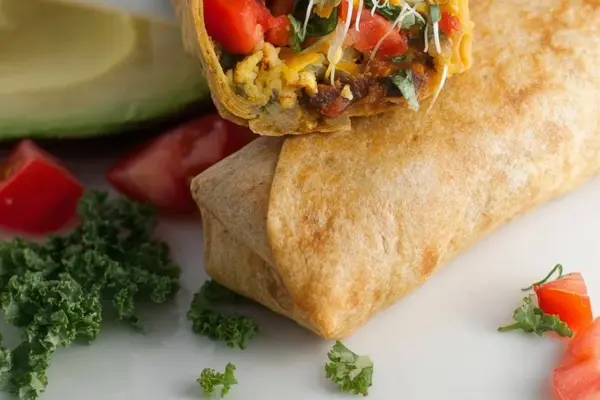
Veggie Crunch Wrap Burrito
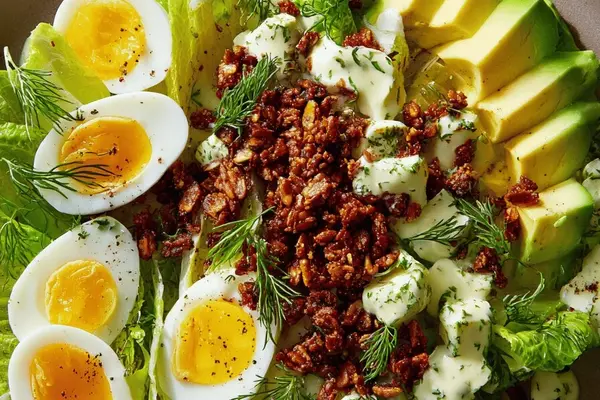
Brunch Salad with Creamy Italian Dressing
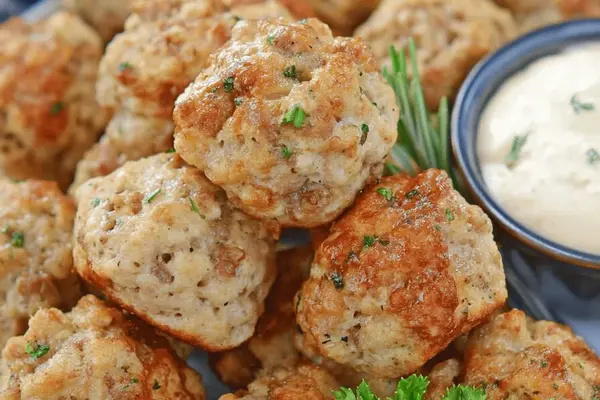
Twisted Sausage Balls
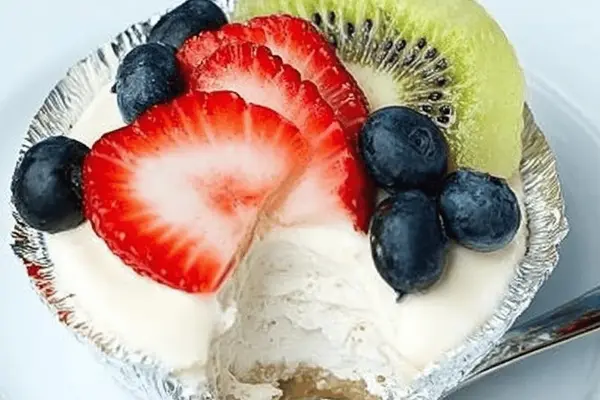
Zesty Lemon Cream Cups
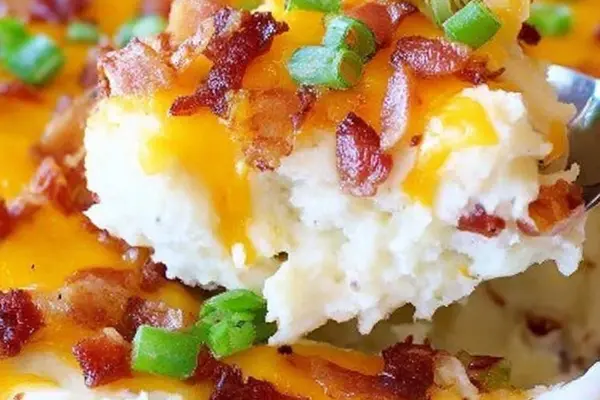
Loaded Mashed Potato Bake
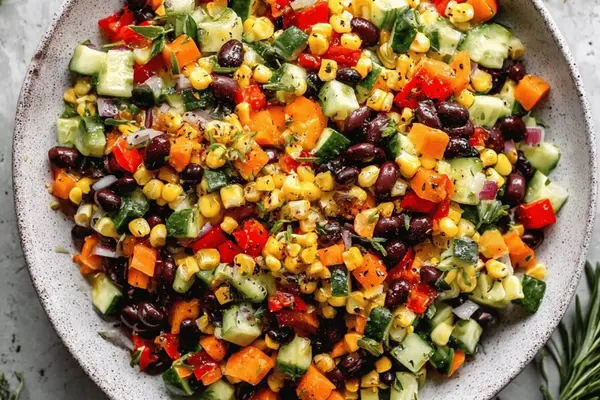
Corn Black Bean Salad
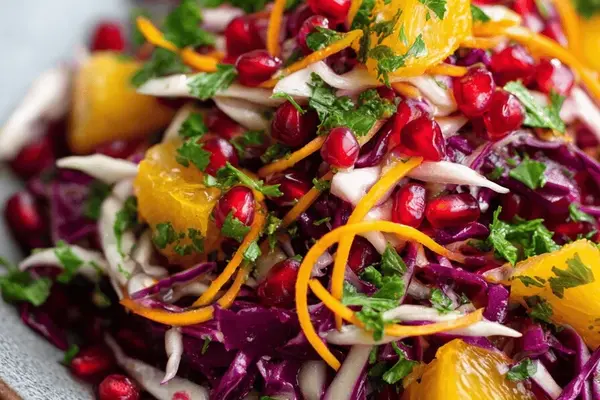
Cabbage Beet Pomegranate Salad

Crispy Mexican Tortilla Pie
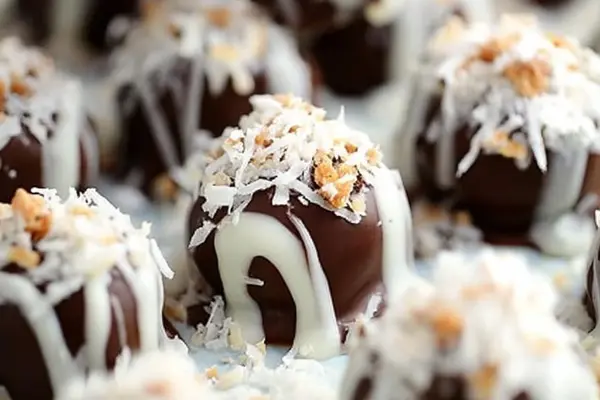
Twisted Washington Balls
Coffee Caramel Macarons
Cheesecake with Fruity Sauce
Beef Eggplant Pleurote Ramen
Tomato White Bean Soup
Crispy Herb Roast Chicken