
Hearty Spiced Red Lentil Soup

E
By Emma
Certified Culinary Professional
•
Recipe tested & approved
A warming red lentil soup rich with cumin and coriander flavors, balanced by a fresh burst of tzatziki and lemon. Sautéed vegetables form the base, slowly softened to enhance natural sweetness. Lentils simmer until breaking apart, creating a textured, creamy body when blended. Slightly altered spices and replaced plum tomatoes with fire-roasted for depth. Adjusted cooking steps for better layering and ease. A practical, flexible dish with tips to handle common kitchen challenges, from sticking lentils to balancing acidity. Serves 8 with vibrant contrasts—creamy, tangy, and earthy all in one bowl.
Prep:
20 min
Cook:
50 min
Total:
70 min
Servings:
8 servings
#lentils
#Mediterranean
#vegetarian
#comfort food
#soups
#one pot
Before You Start
Crunch of celery and scent of cumin fill the kitchen before soup even hits the pot. Tried this combo several times–each tweak uncovered subtle magic. Red lentils are forgiving. Overcook? You get velvety base. Under-seasoned? Flat wonderland. Layer flavors early—softened veggies, toasted spices—build that background hum you want. Adding fire-roasted tomatoes? Now the acid balances without dullness, keeps it lively. Tzatziki as a swirl? That’s my secret weapon for cooling heat and adding fresh creaminess, beyond just yogurt or sour cream. Lemon juice squeeze before eating? Classic kitchen move to lift bold stew. This one stays cozy but never heavy. My go-to for chilly evenings and when guests come unannounced.
Ingredients
- 3 tablespoons unsalted butter
- 1 medium yellow onion chopped
- 3 medium carrots diced
- 3 celery stalks diced
- 4 garlic cloves minced
- 3 fire-roasted plum tomatoes chopped
- 1 teaspoon ground cumin
- 1/2 teaspoon ground coriander
- 1 teaspoon smoked paprika
- 2 cups red lentils rinsed
- 8 cups low-sodium vegetable stock
- 1 cup tzatziki sauce plus extra for serving
- 1 teaspoon coarse sea salt
- Fresh lemon wedges for serving
In The Same Category · Soups
Explore all →
Country Cabbage Soup
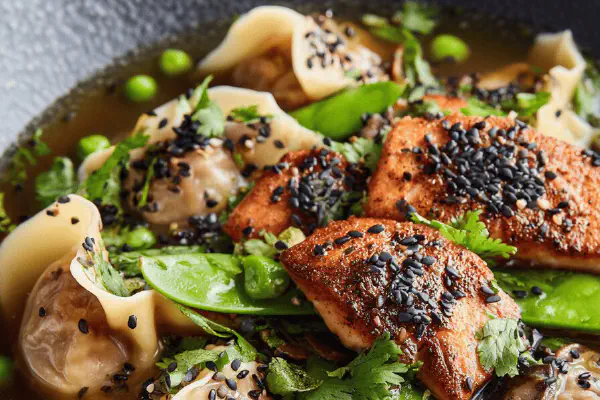
Sesame Salmon Wonton Soup

Roasted Creamy Tomato Soup

Yellow Pepper Gazpacho
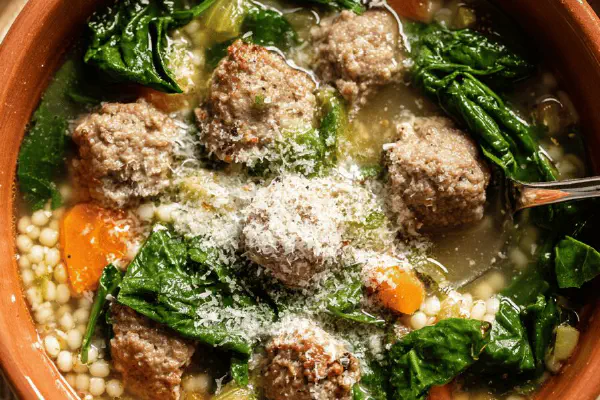
Rustic Italian Wedding Soup

White Bean Chili Twist

Roasted Sweet Potato Soup

Instant Pot Stuffed Cabbage Soup

Smoky Kraut Soup
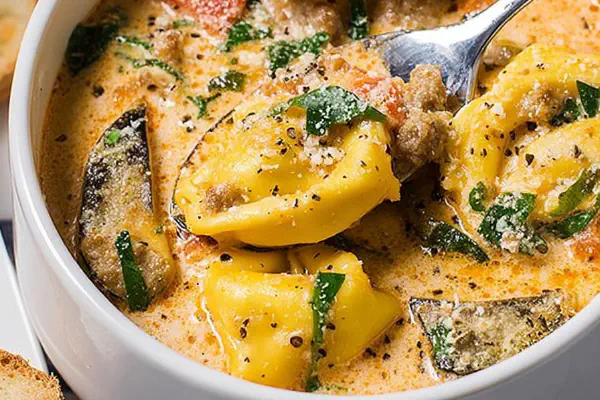
Creamy Sausage Tortellini Soup
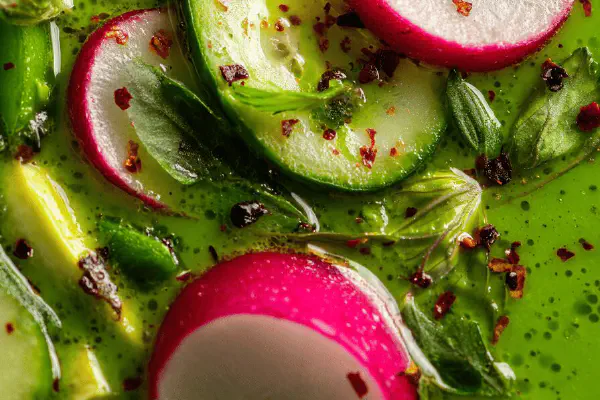
Chilled Green Soup

Roasted Parsnip Onion Soup

Barley and Legume Soup

Tomato White Bean Soup

French Shallot Velouté

Creamy Chicken Gnocchi Soup
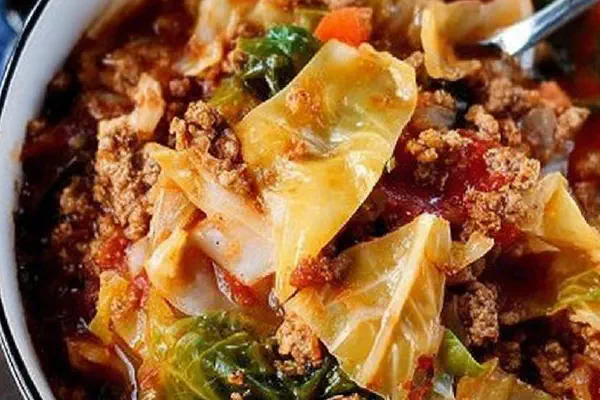
Twisted Stuffed Cabbage Soup

Nutty Pumpkin Potato Soup

Cauliflower Cream Mussels
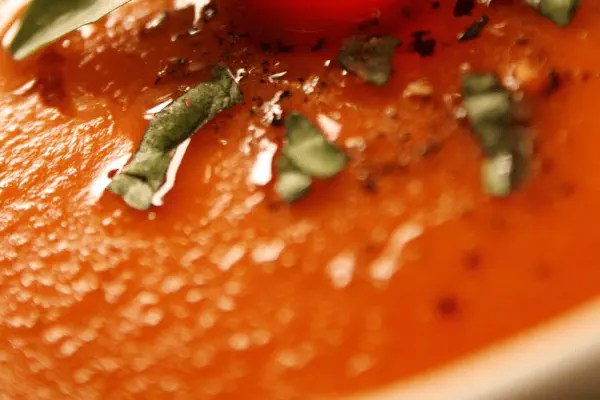
Savory Tomato Soup
About the ingredients
Butter chosen over oil here for richness; butter browned lightly adds nuttiness but watch the burn—medium heat and patience is key. Yellow onion stands taller in aroma than white; flexible, but adjust sweetness by cooking time. Carrots and celery diced evenly ensure uniform softening. Garlic crushed rather than sliced intensifies punch without risking bitterness. Roasted plum tomatoes ignite smoky sweetness; canned fire-roasted puree swapped in a pinch. Spices altered slightly—smoked paprika adds easier heat balance than ancho chile powder, which can be finicky. Lentils must be rinsed to remove surface starch for cleaner cooking and less foam. Low-sodium broth preferred for seasoning control. Tzatziki can be homemade or store-bought; cucumber adds freshness, wary of watery versions. Lemon wedges essential, avoid dried-out wedges that sabotage final brightness.
Method
- Melt butter in large Dutch oven over medium-high flame. Toss in onions, carrots, celery, garlic, and roasted tomatoes. Stir often. Watch for glistening veggies and softened edges, around 12 minutes. If bottom’s browning too fast, lower heat. The smell must shift into sweet earthiness—not burnt.
- Sprinkle cumin, coriander, smoked paprika over the softened mix. Stir constantly, coaxing out the oils—aromas pop after 3-4 minutes, richer, deeper than just powder alone. Don’t rush or spices burn; patience pays.
- Add dry lentils and vegetable stock all at once. Bring to a lively simmer, then drop to just below medium heat. Lentils should bubble gently, not madly. Stir every 10 minutes to stop sticking or gums forming. Cook until lentils start falling apart under slight pressure, about 35 minutes. Longer if you want thicker soup.
- Pull from heat and wait 10 minutes to temper. Not piping—that helps flavor meld and safe immersion blending. Puree partially using immersion blender—some texture left, not baby food smooth. Don’t over-blend; nice if bits remain.
- Drop in tzatziki and salt; swirl and taste. The dollop cools the warm, earthy punch. Salt to your palate. If too thick, add splash of stock or water to loosen.
- Serve ladled in small bowls. A dollop of cold tzatziki in center. Lemon wedges on the side. I always squeeze fresh juice before first bite—brightens, cuts richness. That citrus snap, essential.
- Experience told me roasted tomatoes are game-changers; fresher tomatoes can be bland, watery. Smoked paprika replaces ancho chile powder for easier find and smoky warmth. Butter instead of oil for depth. If in a hurry, use pre-minced garlic but notice difference. Don’t skip stirring–lentils glue fast. Keep lemon wedges ripe and zesty, not old and bitter. A dash of cayenne if daring spice fans want fire.
Cooking tips
Melt butter fully before veggies go in, watch for foam subsiding to avoid burning. Sauté evenly, do not crowd pan or moisture gets trapped and vegetables steam rather than sweeten. Stir often; onions should turn translucent and carrots slightly tender with edges softening but not mushy. Adding spices slowly over low heat while stirring releases key aromatics without charred bitterness—skip this and soup feels flat. When stock and lentils meet, start on high heat and drop to low simmer right after to prevent rough bubbles that break lentils unevenly. Stirring every 10 minutes stops crust forming on bottom, a common mishap. Cooling before blending prevents splatter and flavor dulling from heat shock. Pureeing to texture rather than baby food keeps rustic feel. Adding tzatziki off heat to maintain fresh tang and cream helps balance earthiness. Lemon juice only added at table to keep it bright, failure causes bitterness if cooked. Serve immediately or chill and reheat slowly, bubbling to reduce separation issues.
Chef's notes
- 💡 Butter browns faster than oil. Watch the smell; when earthy sweet starts—ready for onions. Medium heat hold steady. Lower if scorch. Onions translucent signals move on. Carrots and celery diced similarly for even softening; too big and cook uneven. Garlic crushed not sliced; keeps punch, no bitter surprise. Fire-roasted tomatoes bring smoky depth—fresh sometimes too watery, dull. Canned fire-roasted okay backup but check salt. Spice toast low, stir constantly. Oils bloom aromas but burn quick; brown bits smell burnt. Patience wins over rush.
- 💡 Stir every ten minutes once lentils hit stock. Lentils glue fast, stick bottom--quiet but steady watch crucial. High boil bursts lentils unevenly, rough texture, split skins. Drop to low simmer fast. Around 35 mins lentils soften but not mushy. Pull early if texture matters. If thicker wanted, extend cook. After heat off, wait ten minutes—blending hot causes splash, dulls flavors. Partial puree—keep some texture for rustic feel. Overblending kills body. Tzatziki off heat; cold yogurt swirl cools heat punch. Salt after taste test—layer slow.
- 💡 Lemon wedges essential finish. No lemon before serving; cooking citrus kills zing, goes bitter fast. Freshness noticeable in aroma and mouthfeel—sharp, crisp cut through earthy. Add cayenne dash if heat needed; bold but careful, too much covers complexity. Butter over oil brings richness; gentle bubbling butter nutty but not burnt. If pressed for time, use pre-minced garlic but different pungency. Don’t skip stirring spices—dry powder weak, toasting deepens. Veggies should soften, edges not mush. Pan crowding traps steam, no caramelization. Foam when melting butter means temp too high.
- 💡 Roasted tomatoes game-changer for acidity. Fresh tomato here risky—watery soup, dull flavor. For canned, check fire-roasted label. If tomato chunks big, dice smaller; even cook and texture. Coarse sea salt best for easy control, fine salt risks over-salting. Low sodium stock balances seasoning later. Tzatziki cucumberiness varies; watery versions dilute. Homemade better control, but store-bought saves time. Blend after cool-down. Wait before immersion blending to avoid splatter; cold immersion safer than hot pot blend. Keeps hands and stove clean.
- 💡 Lentil soaking skipped here; rinsing removes foam and surface starch. Saves time, keeps clearer broth. When cooking slow simmer, thick foam less issue. If stick happens, scrape bottom gently; don't burn. Stir often, no less than every 10. Butter sizzling signals too hot if brown bits form too fast. Slow heat good for layering flavors. After blending, taste. If too thick, water or veggie stock splash loosen. Salt late, better adjust final seasoning. Serving temp matters; cool tzatziki vs warm soup contrast. Lemon juice pressed fresh at table, freshest zest and bite.
Common questions
How to prevent lentils sticking?
Stir every 10 minutes minimum. Use low simmer after initial boil. Watch bottom color—if browning fast, lower flame. Butter can burn and stick; patience key. Foam forms on rinsed lentils less sticky than dry. If stuck, scrape gently don't burn. Also, bigger pot better circulation.
Can I swap fire-roasted tomatoes?
Yes but fresh tomatoes watery, dull acidity. If canned, pick fire-roasted for smoky notes. If not possible, add smoked paprika extra. Roasting fresh adds depth. Tomato puree can add color but less texture. Adjust salt and cook times for fresh. Tomato quality affects taste, no shortcuts really.
What if soup too thick or thin?
Thin with splashes water or stock. Add gradually; avoid diluting aroma. Thick soup cook longer simmer uncovered slowly. Stir often prevent bottom burn. Lentils absorb liquid when cooling—adjust just before serving. Tzatziki helps cool and thins slightly. Avoid adding lemon juice during cooking, affects consistency.
Best storage method?
Refrigerate in airtight container up to 3 days. Reheat gently on stovetop, add small water if thickened. Freeze in portions, thaw in fridge overnight or defrost microwave. Reheat slowly to prevent separation or texture loss. Tzatziki better added fresh after reheating. Lemon juice fresh squeezed only after warming in container.
You’ll Love These Too
Explore all →
Nancy's Meatball Sauce Mix

Caprese Skewers Remix
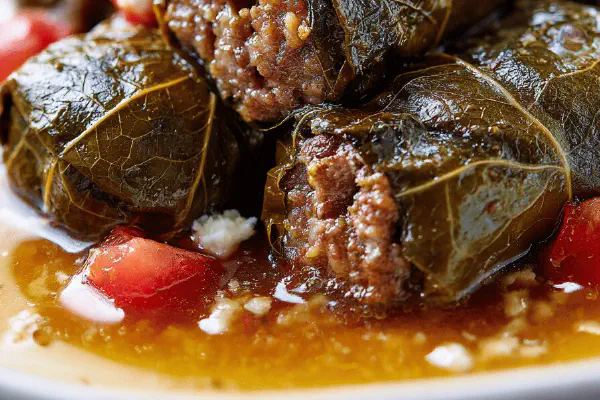
Stuffed Grape Leaves Twist

Snowball Truffles

Creamy Corn Bake Twist

Strawberry Meringue Tartlets

Crunchy PB Chocolate Balls

Soft Peanut Butter Cookies

Baked Eggplant Rollatini
Chicken Drippings Gravy

Chocolate Peanut Butter Cake
Calvados Cured Salmon
Smoked Ham Steaks with Sage Cream

Spiced Cajun Chicken Fettuccine
Maple Citrus Salmon
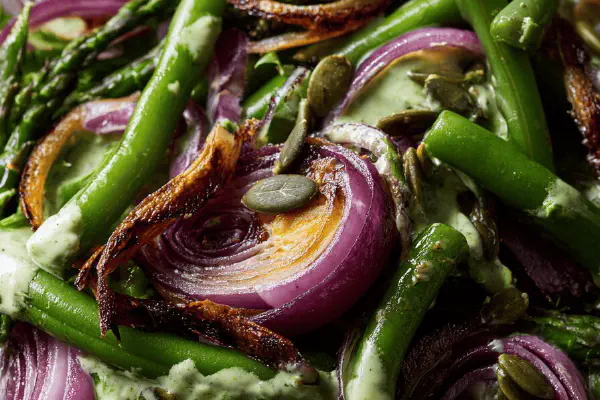
Green Veggie Salad with Roasted Shallots
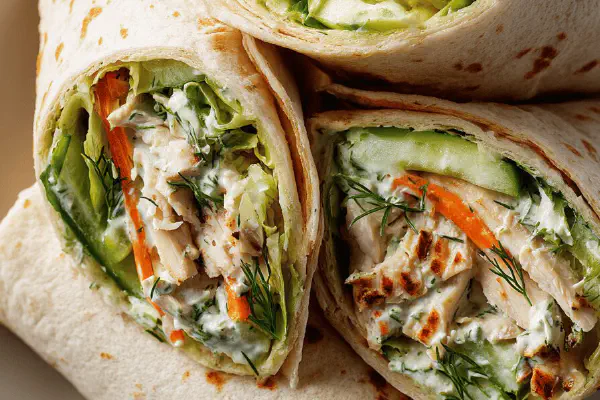
Grilled Chicken Salad Wraps

Lemon Yogurt Loaf Plus

Pitcher Paloma Remix

Air Fryer Carrots Twist