Herbed Butter Pork Tenderloin
E
By Emma
Certified Culinary Professional
•
Recipe tested & approved
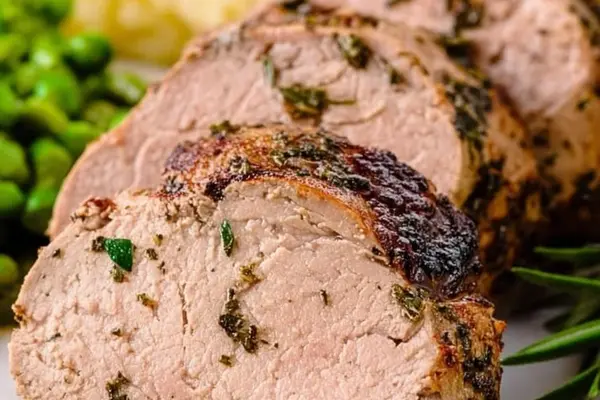
Roast pork tenderloin coated in a garlic-herb seasoning blend; seared first for a caramelized crust. Butter dots add richness while oven-roasting. Internal temp guide ensures juicy, just-pink meat. Fresh parsley finish for a bright herbal bite. No marinade required, simple aromatic dry rub changes depth with easy ingredient swaps. Balanced macros, moderate sodium, with real kitchen tips on timing, texture, and fallback plans for missed searing or uneven cooking. Crunchy exterior, moist interior—a pork classic dialed in from trial and error. 40 minute total prep and cook.
Prep:
22 min
Cook:
22 min
Total:
44 min
Servings:
4 servings
#pork
#roasting
#dry rub
#sear
#American cuisine
#easy dinner
#weeknight meal
#meat thermometer
Before You Start
Ever wrestled with pork tenderloin that ends up dry or pale? Learned the hard way that dry rubbing with a robust seasoning mix then searing before the oven sets the stage for depth and a crunchy crust. Don’t skip the rest period crucial for juicy slices. Butter on top during roasting injects richness. I swapped dried parsley for Italian seasoning when out of fresh herbs—surprisingly perfect. The key is in the heat control and watching color changes—not just relying on time. Avoid overcooking by trusting your thermometer and feel. A sprinkle of fresh parsley at the end? Bright contrast against buttered pork, fresh and herbal. Serve sliced thin, grain-aware, no more guessing about doneness once the skin crackles and the aroma transforms your kitchen.
Ingredients
- 1 pork tenderloin (about 1 to 1.2 lbs)
- 1 tbsp olive oil
- 3 tsp garlic powder
- 2 tsp kosher salt
- 1 tsp black pepper
- 2 tsp dried Italian seasoning
- 1 tsp onion powder
- 3 tbsp butter, cut into 3 pieces
- Fresh parsley, chopped (for garnish)
In The Same Category · Main Dishes
Explore all →
Turkey Spinach Meatballs
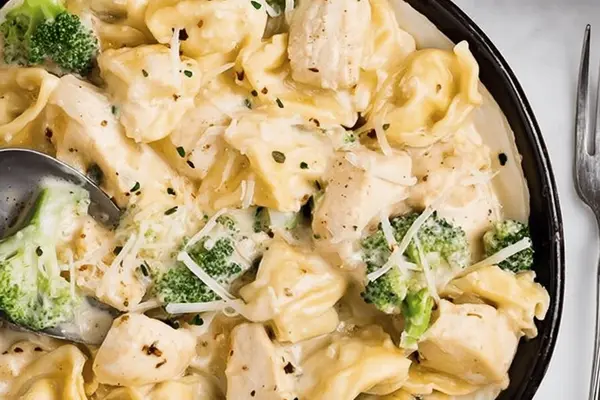
Chicken Broccoli Tortellini
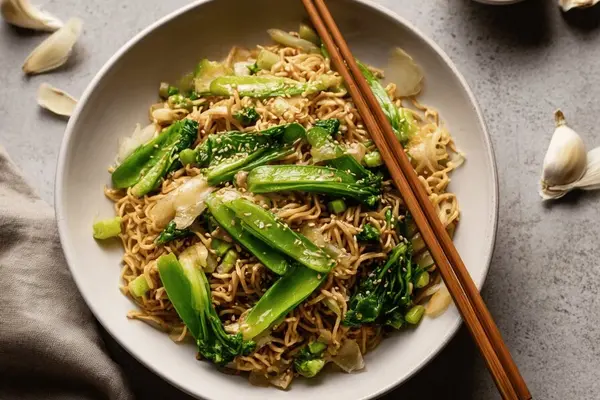
Panda Styled Chow Mein
Veggie Lasagna Roll-ups
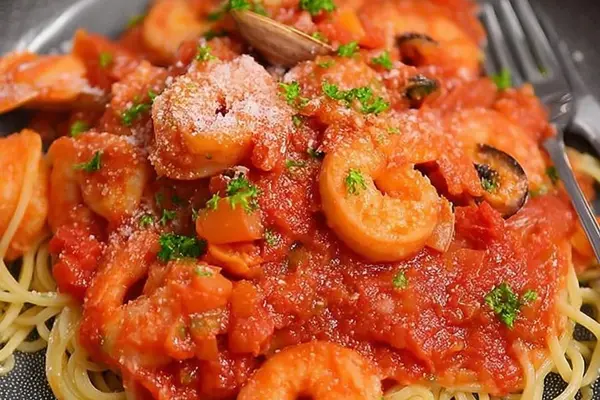
Seafood Fra Diavolo Spin
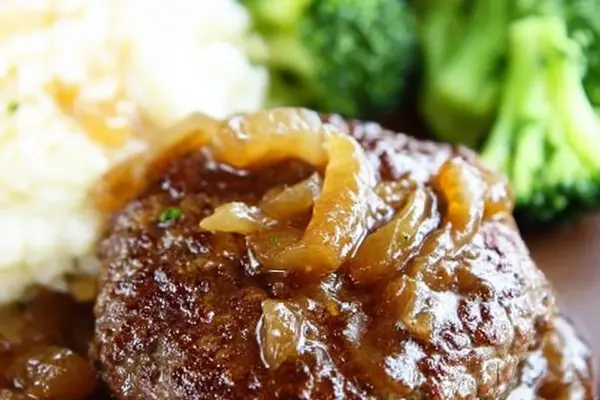
Onion Soup Hamburger Steaks
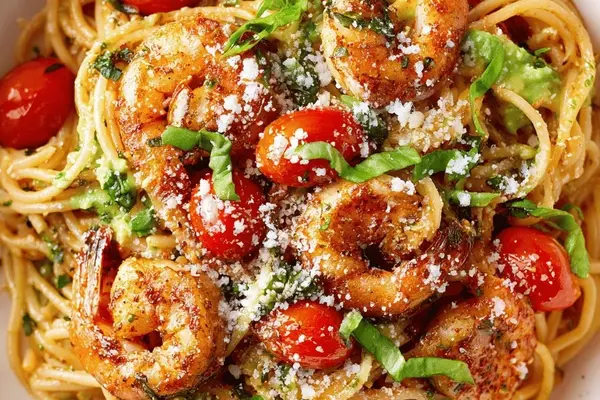
Shrimp Tomato Spaghetti
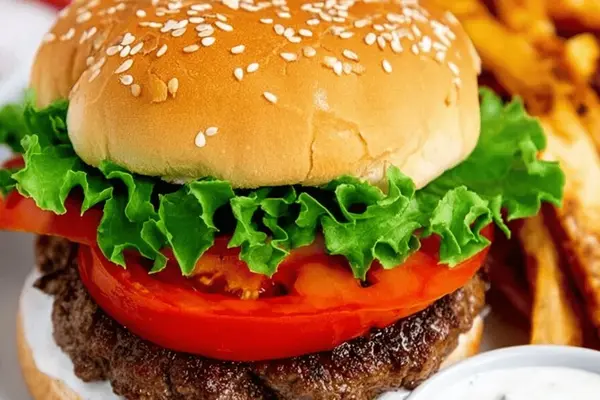
Ranch-Seasoned Burger
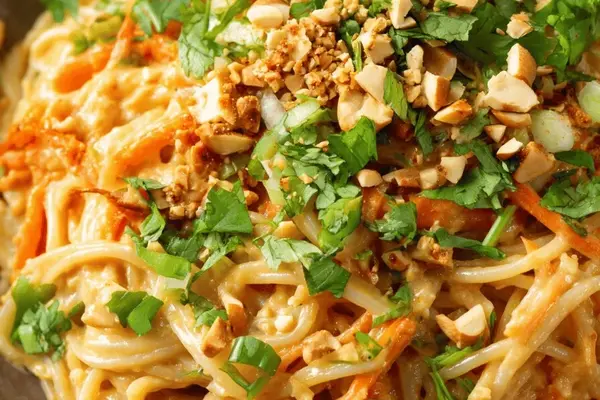
Asian Noodles with Peanut Sauce
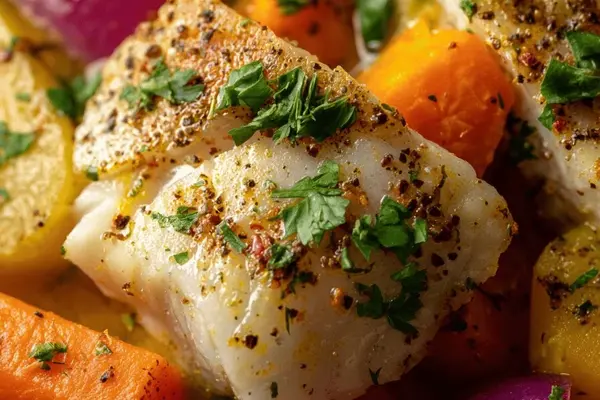
Curried Fish Stew with Veggies
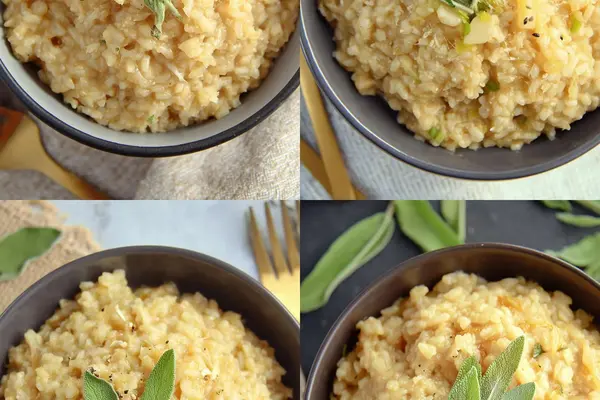
Parsnip Risotto Twist
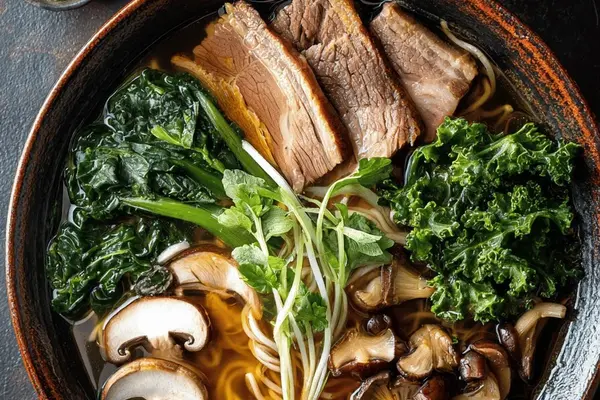
Shabu-Shabu Twist
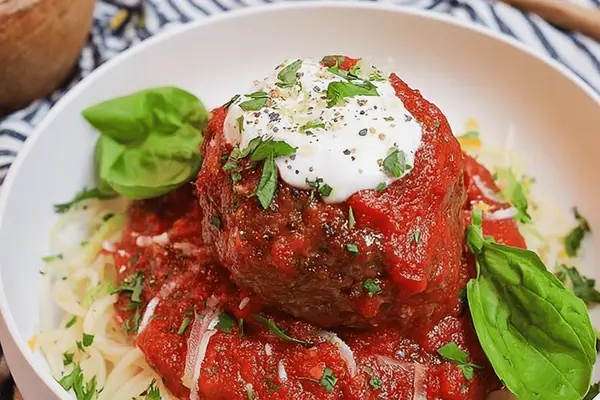
Large Italian Meatballs
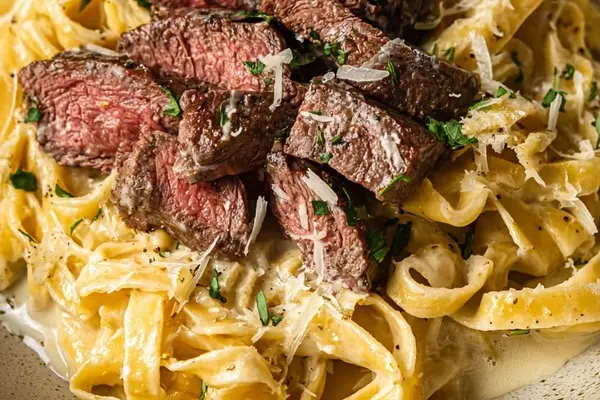
Steak Pasta Alfredo
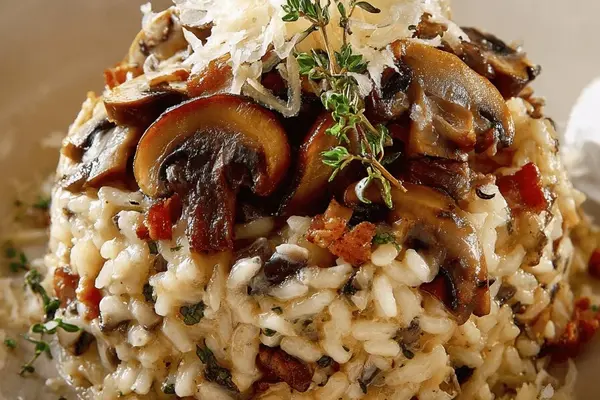
Mushroom Pancetta Risotto Remix

Smothered Beef Burritos
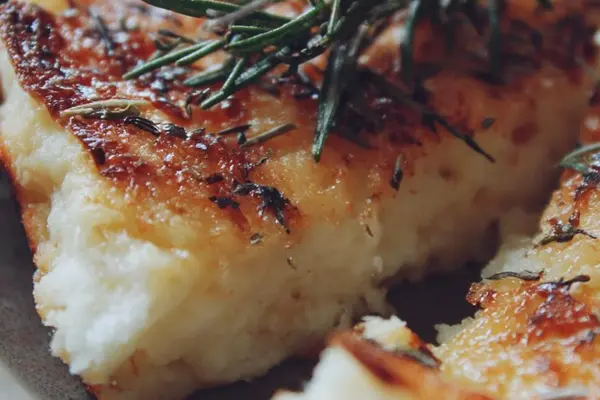
Savory Herb Chicken Thighs
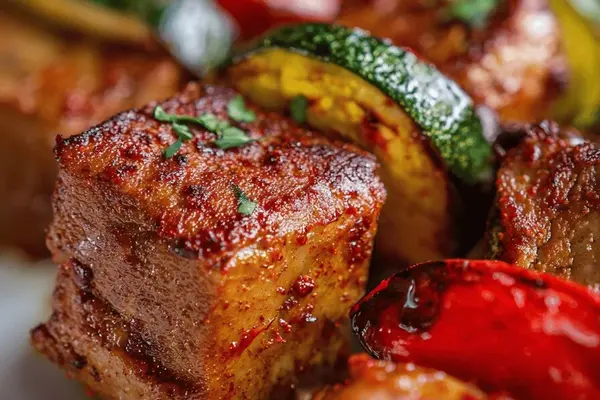
Spiced Pork Skewers
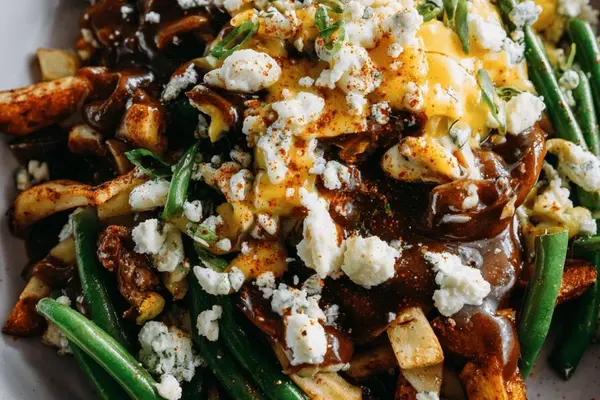
Veggie Poutine Twist
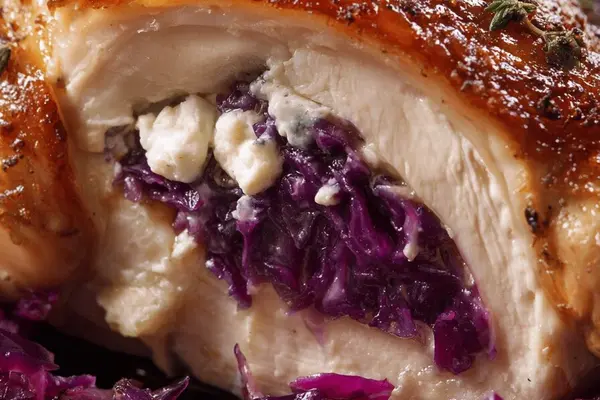
Stuffed Chicken with Goat Cheese & Red Cabbage
About the ingredients
Instead of dried parsley, Italian seasoning works well to elevate flavor complexity with a blend of oregano, basil, thyme, and rosemary. Garlic powder remains essential for that deep umami garlic warmth. Butter pats can be replaced with ghee or even olive oil for a leaner finish but expect less richness and softer exterior. Olive oil type affects searing; a high smoke point oil like avocado oil can also substitute if worried about burning. Salt quantity can be reduced if using brined or highly salted pork. To keep the tenderloin moist without butter, tent tightly with foil but don’t skip the sear—it locks in juices and flavor. For onion powder, granulated shallot or dried minced onion are acceptable substitutes if onion powder isn’t on hand.
Method
- Preheat oven to 410F and prepare a baking sheet with foil; set aside.
- In medium bowl, blend garlic powder, salt, pepper, dried Italian seasoning, onion powder until combined.
- Dry pork tenderloin thoroughly with paper towels; moisture ruins crust.
- Coat tenderloin all around with seasoning blend, rub in deeply with fingertips.
- Heat olive oil in heavy skillet over medium heat until it shimmers and lightly smokes.
- Add seasoned pork; sear each side and ends until dark golden crust forms (about 3-4 min per side). Resist moving too much; you want that Maillard reaction.
- Transfer pork directly to foil-lined sheet. Place three butter chunks spaced evenly on top.
- Wrap pork loosely but sealed in foil, tenting over the top to trap butter melt and steam.
- Roast in oven about 18-25 minutes or until internal temp hits 143-158F. Check at 18 min to avoid overcooking. Use instant read thermometer into thickest part. Timing varies by tenderloin thickness.
- Remove from oven, sprinkle fresh parsley over top for brightness.
- Tent again loosely with foil; rest 5 min to let juices redistribute. Don’t skip resting or pork dries out.
- Slice against grain for tender bites.
Cooking tips
Searing is the critical step that creates flavor through the Maillard reaction—don’t rush it or start cold. The oil must be shimmering but not smoking violently. Use tongs to move the tenderloin, ensuring all sides have equal contact—don’t stab with a fork or it will lose moisture. Butter placed on top during roasting melts and bastes the pork subtly—wrapping loosely with foil traps steam, aiding tenderness. Oven roasting done at a slightly higher heat than usual accelerates crust development but watch closely; bigger tenderloins take longer and thin ones can overcook fast. Never trust time alone, rely on temperature, color of the crust, and a slight bounce when poked. Resting is crucial; foil tent keeps warmth without steaming, reallocating juices back into muscle fibers to keep slices moist. Slice against the grain every time for maximum tenderness.
Chef's notes
- 💡 Sear in hot oil. Shimmering edge shows ready. No stabbing with fork. Move gently with tongs. Wait for dark gold crust. That Maillard smell is key. Skipping sear means no crust, mushy outside. Butter pats melt slowly, baste tenderloin inside foil tent. Tight seal traps steam but don’t suffocate pork. Oven temp high enough to quick roast—410F cuts time, boosts crust. Check internal temp early, about 18 min, slows overcook risk. Thickness varies cook time wildly. Rest covered loosely in foil five full minutes. Resting redistributes juice — don’t skip it.
- 💡 Seasoning dry rub changes volume depth fast. Italian seasoning optional but sun-dried herbs add complexity. Garlic powder nailed umami every time. Onion powder swap works: granulated shallots or dried minced onions equal flavor punch. Salt level flexible; reduce if pork brined or salted beforehand. Olive oil smoke point important. Avocado oil replaces olive oil if worried about burn. Butter substitutes: ghee or light olive oil. But expect altered richness or exterior texture. Know your fat. It changes melt, browning, internal moisture retention.
- 💡 Use instant-read thermometer for doneness. Temp window 143-158F wide on purpose. Lower end juicy, pink. Higher safe but firmer. Visual cues help—skin crackles, aroma deepens, slow sizzle from butter melting. When in doubt, test thickest spot. Wrap tight? No. Leaving foil tented traps heat but doesn’t steam too much. Rest leaves tenderloin juicy, slices soft without drying. Slicing against grain key for chew. Ignore and meat fibers toughen bite. Layer flavor: rub, sear, butter bastes all play role in texture and flavor depth.
- 💡 Butter placement matters. Three pats spaced top, not clumped. As butter melts, juices mix; foil tent keeps moisture cycling. Tight wrap dries meat; loose wrap steams. Moisture balance critical for pork tenderness. Searing temperature: oil must shimmer but no wild smoke. Cold pan means no crust, just cooking fat soak. High heat too early burns seasoning, fat, yields bitterness. Oil type impacts smoking thresholds—track closely. Using foil-lined baking sheet traps drippings; easy cleanup, helps heat reflection. Check tenderness and internal temp early if tenderloin thinner. Timing not fixed.
- 💡 Don’t overtrust time clocks or weight alone. Thickness beats weight; two tenderloins one pound, one inch thick cooks faster than wider one. Rest time backed by muscle fiber science—juices reabsorb, soften texture. Meat smells change at temp thresholds - from fresh pork aroma to roasted, nutty scent. Watch color transitions, crust formation, juices pooling by foil edges. Substitutions rely on textural outcomes: ghee adds nuttiness, olive oil less richness. Dried parsley swap with Italian seasoning covers herb punch but no fresh brightness. Keep herbs balanced against garlic and onion base. One off and depth shifts.
Common questions
How to know sear is right?
Oil shimmering key sign. No big smoke. Wait ‘til dark golden crust forms. Move gently with tongs. Resist prodding or stabbing. Smell shifts to nutty, deep browning aroma means good Maillard happening. No crust equals no flavor depth.
Can I skip butter pats?
Butter melt bastes pork gently, adds richness and moisture. Skip, and use tightly tented foil but dryness risk higher. Substitutes ghee or olive oil used but texture less rich. Butter also aids crust under foil steam. Alternatives change mouthfeel and taste intensity.
Pork dry after cooking?
Most common mistake- no rest or overcook. Rest redistributes juices for tenderness. Over 160F pork turns firm, dry. Cold pan sear also culprit—fat soaks not browns. Butter and foil tent moisture crucial. Check thermometer early to stop overcook.
How store leftovers?
Wrap cooled pork tight—foil in fridge up to 3 days. Freeze sliced in airtight container for longer. Reheat gently; avoid microwave heat blasts—dry out textures. Sear again quickly or add sauce to revive moisture. Room temp storage nope, risk bacterial growth.
You’ll Love These Too
Explore all →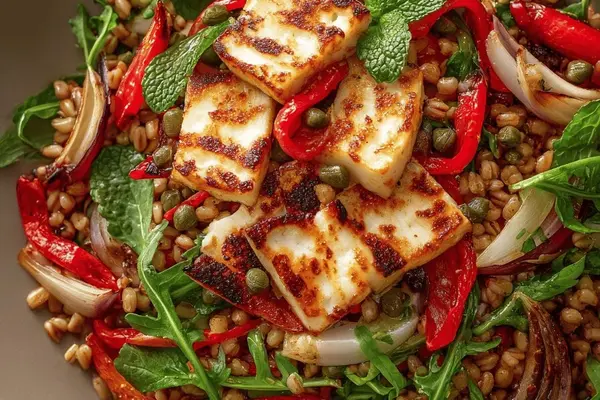
Barley Salad with Roasted Veggies
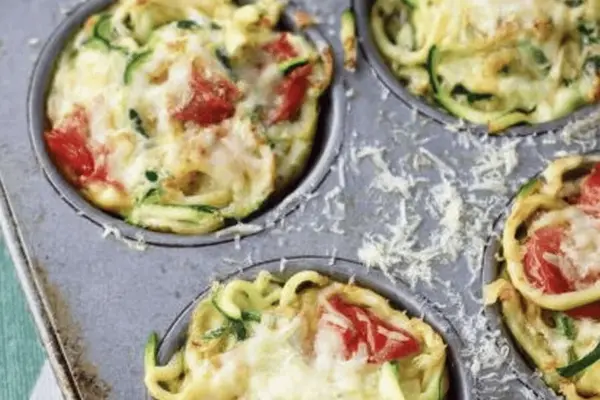
Zoodle Egg Nests
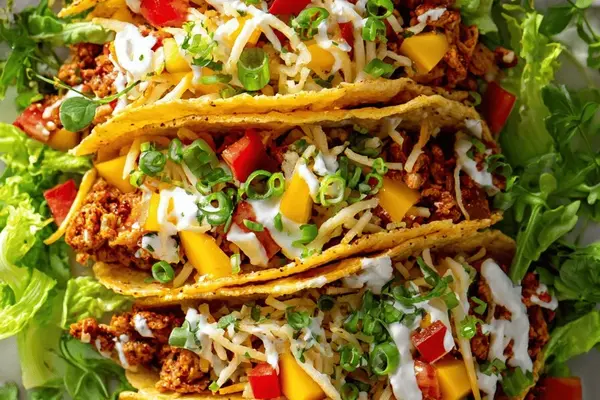
Spiced Chicken Tacos Twist
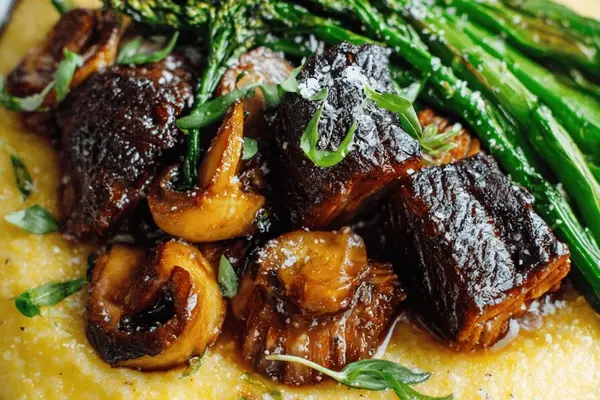
Creamy Quick Polenta Twist

Holiday Deviled Eggs Trio
Nana's Hoop Cheese Mac
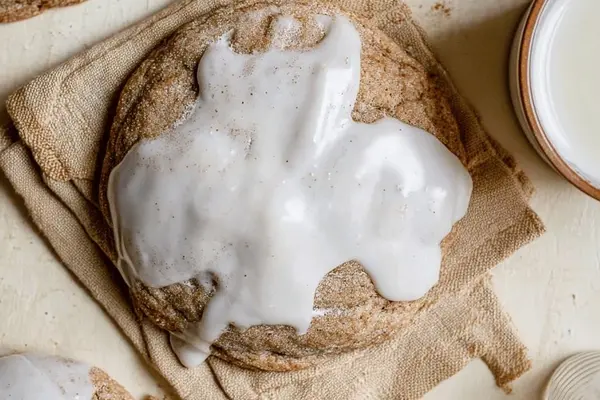
Spiced Chai Cookies Remix

Lemon Velvet Cake Remix
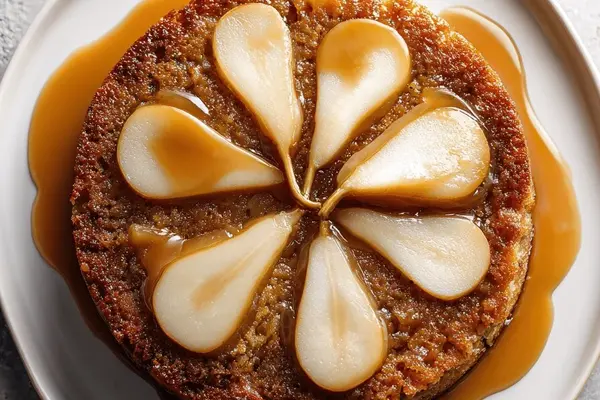
Pear Upside-down Spice Cake
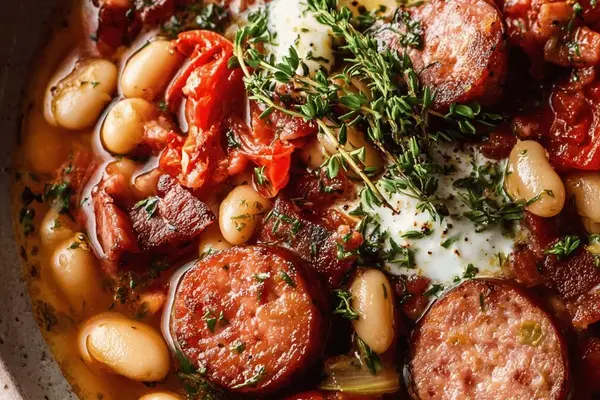
Sausages with Flageolets
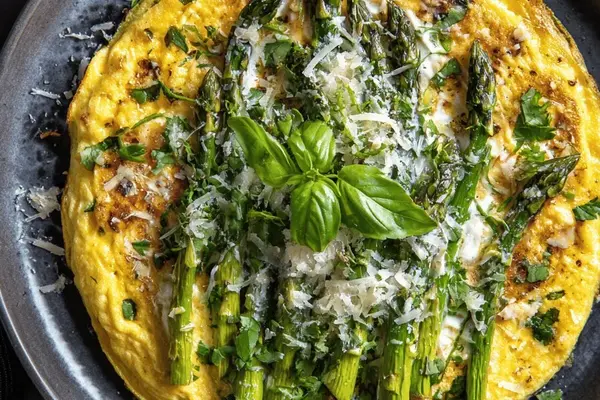
Herbed Asparagus Omelette Twist
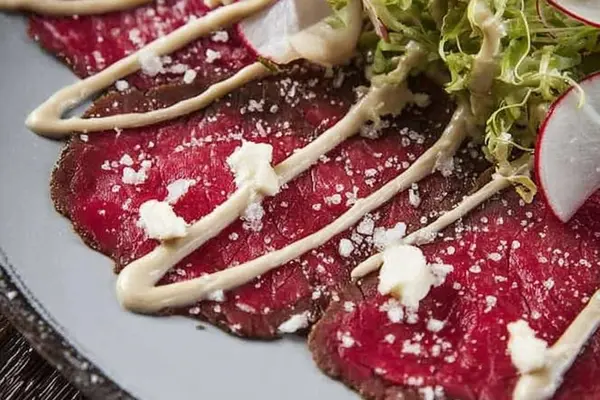
Coffee-Spiced Tenderloin Carpaccio
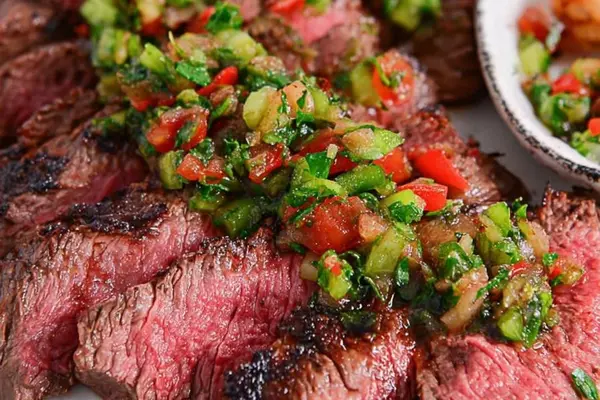
Marinated Bavette Steak
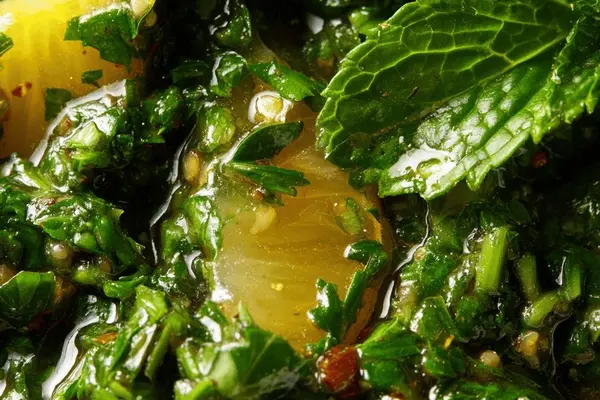
Twisted Chermoula Sauce
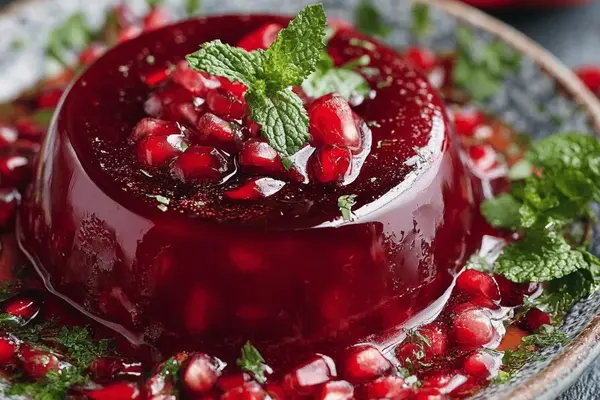
Pomegranate Ginger Jelly
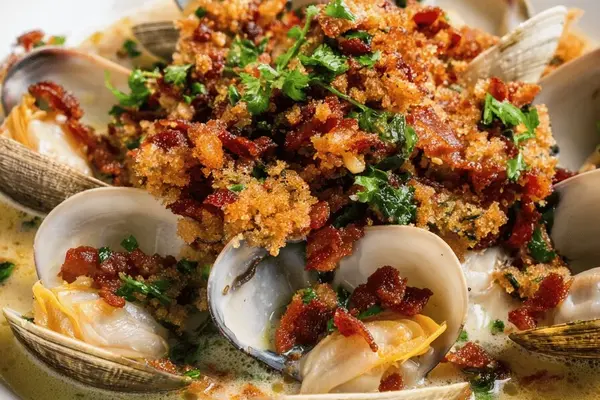
Clams White Wine Bacon Crumble
Gooey Autumn Spice Cake

Italian Fried Dough Zeppole
Yellow Pepper Potato Soup
Smoky Ham Bean Soup