Herbed Spatchcock Chicken with Roasted Vegetables
By Emma
Certified Culinary Professional
·
Recipe tested & approved
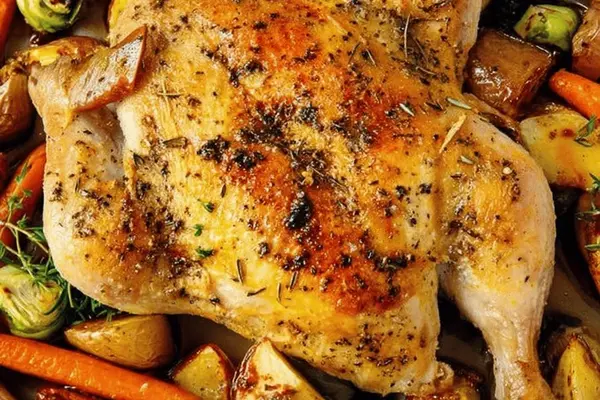
Spatchcock chicken roasted with fresh thyme, sage, and garlic, surrounded by crispy potatoes, Brussels sprouts, and carrots. Golden skin and tender vegetables in one pan.
Prep:
25 min
Cook:
55 min
Total:
80 min
Servings:
4 servings
Set the oven to 480. While it heats, flatten a whole chicken by breaking its backbone—the motion is loud and satisfying. Pat it completely dry. Moisture is the enemy of crispy skin. Rub garlic and fresh thyme into the bird, salt it hard, surround it with quartered potatoes and halved Brussels sprouts. Forty-five minutes later, your dinner is golden and crackling. One pan. No fuss.
Why You’ll Love This Herbed Chicken with Roasted Vegetables
Comes together in 80 minutes start to finish. Most of that’s oven time—you’re not actually working the whole time. Twenty-five minutes of prep and you’re done with your hands in it.
Roasted chicken dinner that tastes like you spent way more effort than you did. The herbs go into the oil so they cook right into the skin. Vegetables roast alongside so everything picks up that mingled flavor.
Crispy skin roasted chicken is the whole point. One blast at high heat gets it snapping, then lower temp finishes the meat without drying it out. Works every time if you do that step.
Comfort food that feels special. Not complicated. Just better than what you usually make.
What You Need for Herbed Spatchcock Chicken
One whole chicken, 3 to 4 pounds. Not cut up. Whole. Extra virgin olive oil—six tablespoons total, no less. Fresh thyme leaves and fresh sage leaves, three to four sprigs of each. Garlic, five or six cloves minced fine. The garlic matters more than you’d think. Purple potatoes and fingerling potatoes, about a quarter pound each, quartered so they’re all similar size. Brussels sprouts halved. Four medium carrots cut lengthwise then into quarters crosswise. Kosher salt. Fresh ground black pepper. That’s everything.
Don’t sub the fresh herbs for dried. Just don’t. Dried tastes like dust when it roasts. Fresh sage has this earthiness that works here. If you can’t find sage, use thyme twice over. Rosemary’s too strong. Too piney. Skip it.
How to Make Spatchcock Chicken with Thyme and Sage
Remove the giblets first—they’re usually in a little bag inside the cavity. Pull out any loose skin around the neck, especially the flaps. They’ll burn otherwise and taste bitter. Pat the whole bird dry with paper towels. Bone dry. Water on skin equals steamed skin, not crispy skin.
Lay it breast side down on your cutting board, legs pointing toward you. Use your fingers to find the backbone—that hard ridge running down the center. You’re cutting on both sides of it. Grab kitchen shears if you have them. If not, a sharp knife works but it’s harder. Start at the tail end. Cut right beside the spine on the right side, bone and all, using firm pressure in one long motion. The bones are dense; you need to commit. Repeat on the left side. Pull out the backbone. It’s tough but it comes free. Keep it for stock or toss it.
Now flip the bird breast side up. This is the important part. Press down hard with the heel of your hand right on the breastbone. Press until you hear a crack. The bird should flatten. It’s satisfying. Don’t hold back. This flattens everything so it roasts evenly.
Preheat the oven to 480 degrees. Get it actually hot—this high heat is what makes the skin snap. While it preheats, mix six tablespoons of olive oil with the fresh thyme leaves, fresh sage leaves, and minced garlic in a small bowl. Just stir it. Raw garlic smells aggressive in there. That’s correct.
Take about two tablespoons of this herb oil and rub it all over the chicken—both sides, under the skin where you can reach. Use your hands. Rub hard. Season generously with kosher salt and crack black pepper right over it. The salt dissolves into the oil and stays on the bird instead of falling off.
Prep the vegetables while the oven finishes heating. Cut carrots in half lengthwise, then cut those halves into quarters crosswise. Quarter your potatoes the same size. Halve the Brussels sprouts. Toss all of it in a bowl with the remaining herb-garlic oil. Be gentle—don’t smash them. Add a light sprinkle of salt. Skip the extra herbs on top if you want the crispest roast surface. Or don’t. Doesn’t matter much.
Spread the vegetables around the bird on a rimmed baking sheet. Scatter leftover garlic cloves over everything. Slide it into the oven at 480 degrees. You’ll hear immediate sizzling. That’s the sound of skin beginning to crisp. Stay in there for 15 minutes at that temperature.
How to Get Crispy Skin Roasted Chicken
After 15 minutes at 480, you should see the chicken skin browning at the edges. The oven smells like herb and garlic now. Lower the temperature to 395 degrees and keep it going for 35 to 40 minutes more. Total roast time is roughly 50 to 55 minutes depending on your oven’s actual temperature—ovens lie sometimes.
Every ten minutes, turn the vegetables with tongs or a wooden spoon so they brown evenly and don’t stick. They should be developing golden edges but not falling apart into mush.
The chicken’s done when juice runs clear if you poke the thickest part of the thigh. Check temperature too—you’re looking for 160 to 165 degrees inside. Don’t rely only on time. Ovens vary. Look and listen and poke. That’s how you know.
If the skin is still soft after the time’s up, crank the broiler on high for two or three minutes and watch it constantly. The skin can go from golden to black in seconds under the broiler. You want deep golden brown. Actual dark mahogany color. Not charred.
Once it’s done, pull it out and tent it loosely with foil. Let it rest for ten minutes. This seals the juices back in or you risk biting into dry chicken. The vegetables keep warming underneath during rest.
Spatchcock Chicken Tips and Common Mistakes
If the breastbone won’t crack when you press, the chicken’s still cold. Let it sit out a few minutes longer or it’s just a tough bird—press harder. Don’t be gentle. The cracking noise means you’re doing it right.
Don’t skip the initial 15 minutes at high heat. That blast is what creates crispy skin. Lower temp the whole time and you get soft, rubbery skin. It has to get hot first.
Whole roasted chicken with fresh herbs tastes better the next day cold, actually. The flavors deepen overnight. Eat it for dinner, eat it for lunch the next day. Works both ways.
Chicken shears are worth having. A knife works but shears are easier and safer. You have less chance of the knife slipping and cutting yourself.
If you don’t have both types of potatoes, use double the fingerling or double the purple. Size consistency matters more than specific variety. Same-sized pieces cook evenly.
Sage is earthy and works perfectly here. If you only have thyme, use more thyme. If you have rosemary, don’t use it. Rosemary overpowers everything. Thyme and sage play nice together. That’s the whole point.
Garlic burns if it gets too high heat. That’s why you lower the temperature after 15 minutes. The initial blast hits the chicken and veggies, but the garlic oil needs slower heat or it tastes acrid.
The pan drippings are treasure. Soak it immediately after eating or the bits will cement to the bottom and take forever to scrub. Drippings make gravy or a quick sauce if you deglaze the pan with wine or broth.
Herbed Spatchcock Chicken with Roasted Vegetables
Prep:
25 min
Cook:
55 min
Total:
80 min
Servings:
4 servings
Ingredients
- 3-4 pound whole chicken
- 6 tablespoons extra virgin olive oil
- 4 sprigs fresh thyme leaves
- 3 sprigs fresh sage leaves instead of rosemary
- 5-6 cloves garlic finely minced or pressed
- 1/4 pound purple potatoes quartered
- 1/4 pound fingerling potatoes quartered
- 1/4 pound Brussels sprouts halved
- 4 medium carrots halved lengthwise then quartered crosswise
- Kosher salt
- Fresh ground black pepper
- Optional whole herb sprigs (thyme or sage) for roasting pan
Method
- Spatchcock the Chicken
- 1 Start by removing any giblets and trimming excess skin especially around the neck. Look for loose flaps that will burn if left on. Pat dry thoroughly with paper towels; moisture kills crisp skin. Lay chicken breast side down, legs facing you on a stable cutting board.
- 2 Use your finger to trace along the backbone; feel that hard ridge between softer ribs. Identify the spine for cutting.
- 3 Grab chicken shears. Begin snipping at the tail end on the right side of the backbone in firm, long cuts through bone. The bones are thin but dense; brace yourself, slow and deliberate. Repeat on the left side.
- 4 If you don’t have shears, place a sharp chef’s knife just beside the spine and cut down with one forceful motion using the heel of your palm to push through the ribs. Go slowly at first to avoid slipping. Remove the backbone completely—it’s a bit of a wrestling match. Discard or save for stock.
- 5 Flip the bird so breast side up, cavity down. This next move releases tension. Press hard with the heel of your hand on the breastbone until you hear a slight crack; the bird should flatten out fully. Don’t be timid here; this step ensures even cooking.
- Roast the Chicken and Veggies
- 6 Preheat oven to 480°F for that initial blast of heat—this gets skin crackling fast. While warming, mix 6 tablespoons olive oil, fresh thyme leaves, sage leaves, and the garlic. Stir well; the raw garlic punches the oil with aroma.
- 7 Drizzle about 2 tablespoons of this mixture over the chicken both sides, rub it in with clean hands. Reserve the rest for the vegetables. Salt the bird generously—Kosher salt is forgiving yet effective—and dot with black pepper. This seasoning method makes the flavors punch through the skin.
- 8 Prep veggies while chicken starts warming. Cut carrots lengthwise in half, then crosswise into quarters. Same size for fingerling and purple potatoes helps everything cook evenly. Toss veggies in remaining herb-garlic oil in a bowl using a wooden spoon or silicone spatula gently—don’t bruise too hard.
- 9 Spread the veggies around the chicken on the rimmed baking sheet. Scatter any leftover garlic cloves over veggies. Salt and season the vegetables sparingly; herbs on top add aroma but skip if you want a crispier roast surface.
- 10 Put pan in oven. Roast for 15 minutes at 480°F. You’ll hear sizzling and start to see skin browning at edges; this is critical. Lower oven to 395°F and continue roasting for 35-40 minutes. Start looking for juices running clear when you poke near the thigh and an internal temp near 160°F. Don’t rely only on time—sensorial checks win here.
- 11 Every 10 minutes, check veggies. Gently turn with tongs or spatula to avoid tearing. They should develop some golden edges but not fall apart into mush.
- 12 Once chicken is done, rest it tented loosely with foil for 10 minutes. This step seals juices back into meat or risk drying. Vegetables will continue to soften slightly under the chicken’s warmth during resting.
- 13 If no fresh rosemary on hand, sage is a great substitute—earthier, less piney. Garlic powder can replace fresh cloves, but fresh garlic caramelizes better and lends a sweeter note. If you lack shears, use a sharp, sturdy knife carefully. Watch your fingers.
- 14 The cracking noise when flattening the chicken? Essential. If it won’t crack, your bird is cold or very tough; warm slightly or press harder. Keep the skin dry—any wetness makes for steamed, soggy skin instead of that crisp snap.
- 15 Serve right from the pan. The roasted herbs smell outlandish. Carrots should yield tender bite, potatoes fluffy inside with faint crust. Chicken skin crisp, meat juicy, herbs in every tender bite.
- 16 Cleanup tip: soak the pan immediately to prevent stuck roasted bits from becoming a nightmare to scrub. Done correctly, the roasting pan will have treasure trove drippings perfect for gravy or sauce.
- 17 In case the skin is stubbornly soft after roasting, pop under broiler for 2-3 minutes but watch like a hawk. Caramelization should be a deep golden brown, not blackened.
- 18 Chicken spatchcocking speeds cooking, helps even browning, and easy to carve once rested. Plus, roasting veggies at the same time means fewer dishes and better mingled flavors. All in one shot. Fancy dinner? Nailed.
Nutritional information
Calories
550
Protein
45g
Carbs
20g
Fat
35g
Frequently Asked Questions About Whole Roasted Chicken with Fresh Herbs
Can I use dried thyme and sage instead of fresh? Not really. Dried tastes like nothing when roasted. Use fresh or skip the herbs entirely.
What if I don’t have kitchen shears? Use a sharp chef’s knife. Brace the knife against the ribs and press down hard with your other hand on the blade’s spine. Slower than shears. Riskier. Works though.
How do I know when it’s actually done? Poke the thickest part of the thigh. If clear juice runs out, it’s done. Use a meat thermometer if you have one—160 degrees minimum. Time is just a guess.
Can I roast this ahead and reheat it? Yeah. Cook it, cool it, store it covered. Reheat in a 350-degree oven for 15 minutes until it’s warm through. Cold is better actually.
What if my skin isn’t crispy after roasting? Broil it for 2 or 3 minutes on high. Watch constantly. It goes from golden to burned fast. Deep mahogany color. That’s when you pull it out.
Can I substitute different vegetables? Sure. Same-sized pieces. Harder vegetables like root veggies roast longer. Softer ones like zucchini roast faster. Stick with root vegetables if you want everything done at once. Potatoes and Brussels sprouts are safe choices.
Why do I have to rest it after roasting? The heat pushes juices toward the outside. Resting lets them redistribute back into the meat. Skip it and the chicken tastes dry even if it’s technically cooked through.
Do I really need to crack the breastbone? Yes. It flattens the bird so everything roasts evenly. Thick breast and thin thighs cook at different rates if you don’t. Cracking solves that problem.
You’ll Love These Too
Explore all →
Pineapple Cheese Casserole with Crackers
Roasted Spaghetti Squash with Tomato Sauce

Cherry Pie Dough Bombs: Fried Biscuit Bites
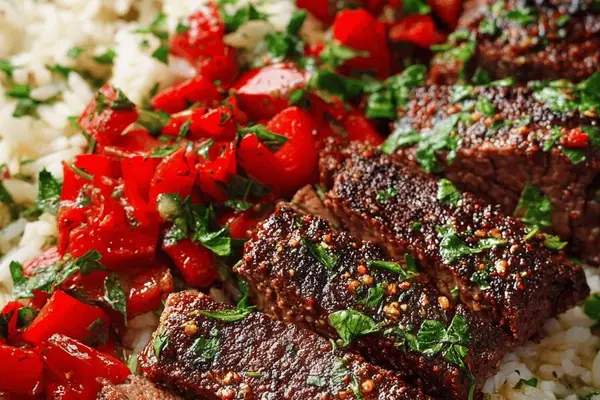
Steak Marinade with Cajun Spices & Rice

Raspberry Cream Spread with Coconut Oil

Cookie Monster Cupcakes with Buttermilk

Lemon Raspberry Bars with Coconut Oil Shortbread
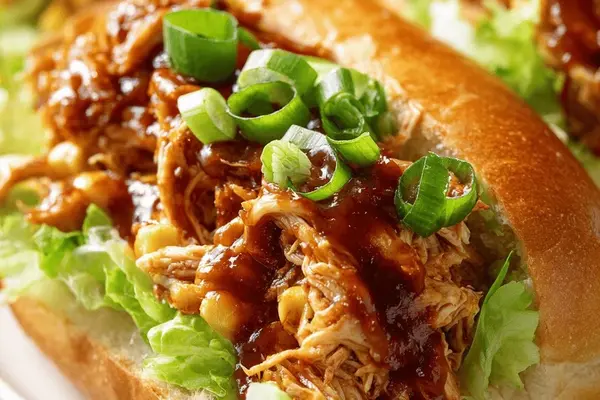
Chicken for Sandwich with BBQ Sauce

Nana's Hoop Cheese Mac and Cheese Recipe
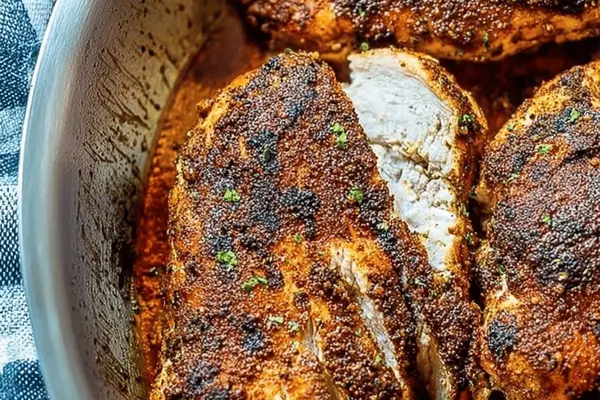
Chicken Wing Rub with Paprika & Cayenne

Ritz Toffee Twist with Caramel & Chocolate

Meringue Ice Cream Bowls with Vanilla

Snicker Salad with Apples and Vanilla Pudding

Mint Chocolate Brownies with Ganache
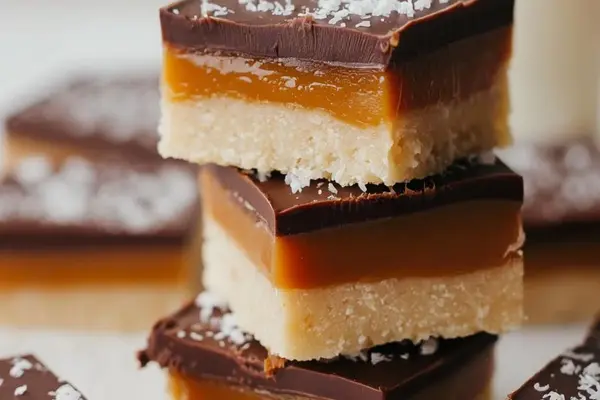
Salted Caramel Shortbread Bars with Chocolate

Maple Blueberry Pavlova with Crispy Meringue
Spaghetti Caponata with Crispy Eggplant

Homemade Cinnamon Rolls with Honey Caramel
Beef Pasta with Beets and Gorgonzola