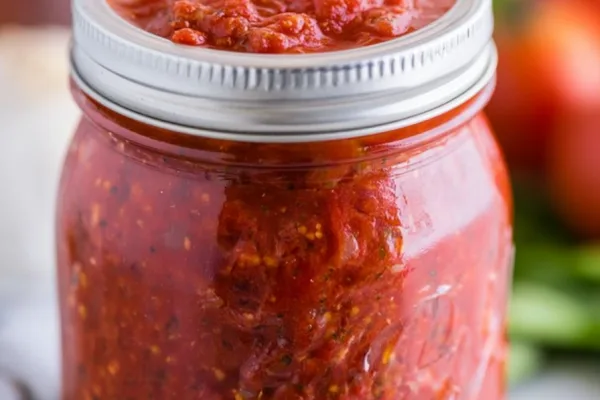
Homemade Pasta Sauce
By Emma
Certified Culinary Professional
·
Recipe tested & approved
Homemade pasta sauce bursts with garlic and herbs, slowly simmered for hours. The garlic’s aroma fills the kitchen before rich tomatoes meld with basil and black pepper. Cheese finishes with a creamy touch after a long, careful simmer.
Prep:
5 min
Cook:
3h
Total:
3h 5min
Servings:
Not specified
I don’t know why people act like homemade pasta sauce is some huge project when you literally just need to let it sit on the stove and do its thing. Last Tuesday I came home around 6, started this by 6:15, and by the time I showered and answered emails the kitchen smelled insane. The slow simmer is the whole point—it’s not something you rush.
Why You’ll Love This Recipe
- Takes 5 minutes of actual work then you just walk away
- The garlic gets this mellow sweetness instead of staying sharp and bitter like it does in quick sauces
- You can hear when it’s done—the bubbles change from thin and watery to thick and slow
- Cheese at the end makes it cling to pasta instead of sliding off
- Tastes like you bought it from someone’s Italian grandmother, not a jar
- The sugar thing sounds weird but it cuts the acidity without making it sweet
The Story Behind This Recipe
I got tired of pasta sauce recipes that promised 30 minutes and tasted like exactly that. My roommate in college used to make a slow simmered sauce every Sunday and I’d come home to the smell and just stand there in the kitchen. She’d never measure anything which drove me crazy but she told me the only rule was low heat and patience. After she moved out I tried recreating it and failed like four times—I kept cranking the heat or adding too much at once.
This version finally worked because I stopped trying to control it. The uncovered-then-covered thing was an accident actually. I forgot to cover it the first hour and panicked but then realized the sauce had reduced down really nice and concentrated, so I covered it after to keep it from drying out completely.
What You Need
Olive oil is the base here—just enough to coat the bottom of your pot and give the garlic something to sizzle in. I used regular olive oil, not the fancy extra virgin, because you’re cooking it anyway and the difference disappears after 3 hours. Chopped or pressed garlic is next, and I always press mine because it distributes better and doesn’t give you those big chunks that can burn. You need tomatoes—I used 2 (10.5-ounce) cans of whole peeled tomatoes and crushed them by hand in the pot because it felt right. Canned is actually better for this pasta sauce recipe since they’re picked ripe and you’re not gambling on grocery store tomatoes in May.
Black pepper goes in early, which I didn’t expect but it blooms in the oil and becomes part of the sauce instead of just sitting on top. Basil should be fresh if you can swing it—I used about a cup of torn leaves and added more at the end because some of it disintegrates during the simmer. Sugar is just a teaspoon, maybe a little more if your tomatoes are aggressive. And cheese at the end, I used a half cup of grated Parmesan but honestly any hard Italian cheese works. The recipe doesn’t specify amounts for everything which stressed me out but also made sense once I started cooking.
How to Make Slow Simmered Sauce
Warm your olive oil in a pot that’s at least 5 quarts—I used my big stockpot because I didn’t want sauce bubbling over the sides later. Medium heat until the oil starts to shimmer a little. Toss in your chopped or pressed garlic and listen for that sizzle, it should sound gentle not angry. The garlic releases this sharp aroma that makes your eyes water a little bit in a good way, and you’ve got about one to two minutes before it can burn so don’t walk away.
Pour in your tomatoes right when the garlic just starts to turn golden around the edges. Follow immediately with black pepper—I did maybe a teaspoon of coarse ground—then your basil and that sprinkle of sugar. Stir it often while the temperature climbs and you’ll see bubbles start teasing the surface, little ones at first then a proper low boil. This part takes maybe 5 minutes and the smell shifts from raw garlic to something rounder.
Turn the heat down to low, like really low, so you’re getting a bubble every few seconds not a constant simmer. Now you wait for two to three hours. I set a timer for 30-minute intervals to remind myself to stir because if you don’t the bottom will stick and you’ll get bitter burnt spots in your tomato basil sauce. The first hour I left it uncovered and watched the sauce shrink down and get darker, more concentrated. Then I covered it for the rest of the time so it wouldn’t dry out completely—my lid was slightly askew to let steam escape.
Around the 2-hour mark I could hear the bubbles change. They got thicker, slower, like they had to push through something heavy. The color went from bright red to this deep rusty brick color and the kitchen smelled insane in a way that made me not want to leave. With about 5 minutes left I stirred in the cheese and it melted slowly, making the sauce cling to the spoon instead of sliding off.
What I Did Wrong the First Time
I cranked the heat to medium-low instead of actual low because I thought it would be fine and I’d just stir more. It was not fine. The sauce reduced way too fast, got thick and almost paste-like by the 90-minute mark, and I had to add water to loosen it which made the flavor thin and sad. Low means low—if you’re getting constant bubbles you’re too hot. I learned to judge it by sound, not by looking. One slow bubble every 3 or 4 seconds is what you’re after.
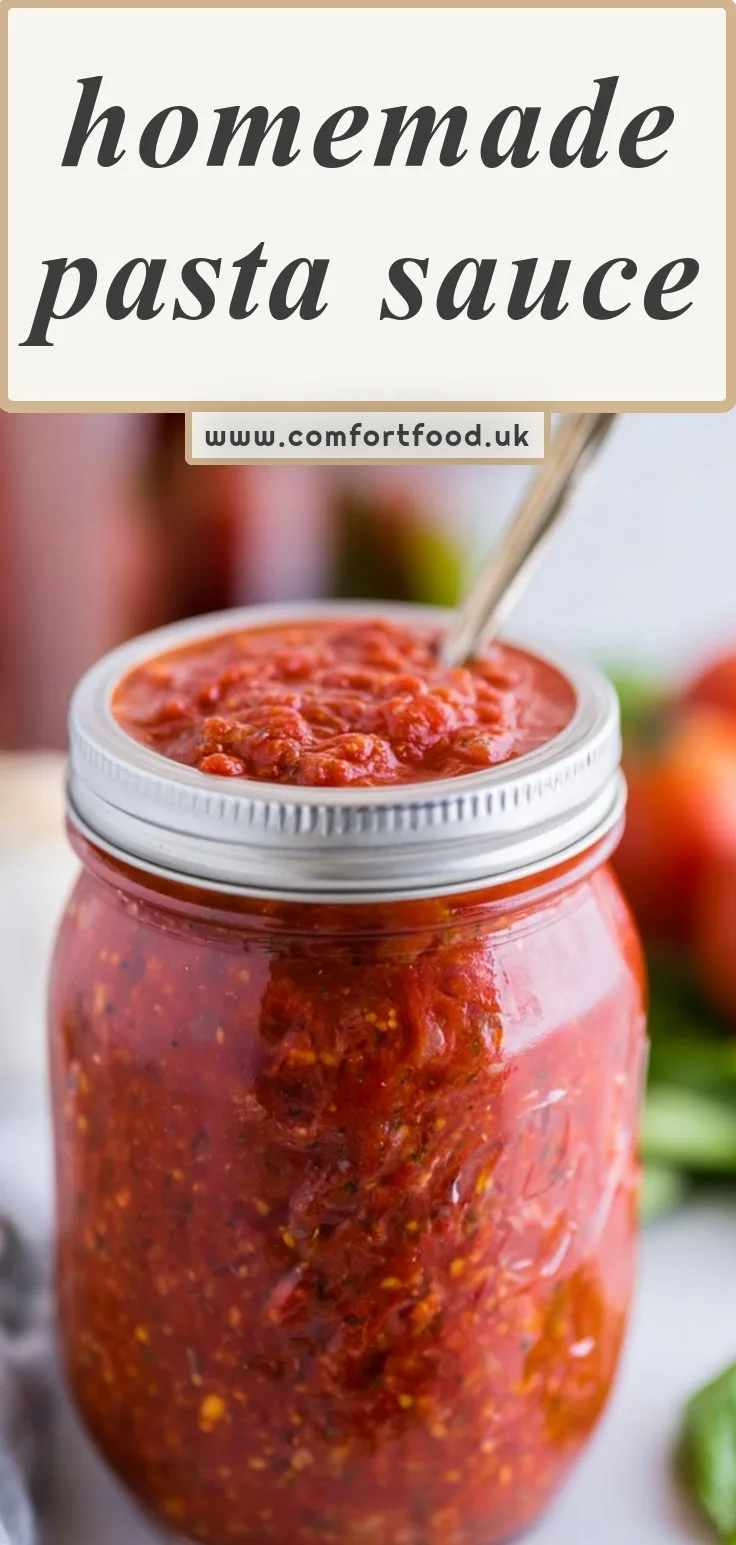
Homemade Pasta Sauce
Prep:
5 min
Cook:
3h
Total:
3h 5min
Servings:
Not specified
Ingredients
- Olive oil
- Chopped or pressed garlic
- Tomatoes
- Black pepper
- Basil
- Sugar
- Cheese
Method
- 1 Warm olive oil in a pot of at least 5 quarts over medium heat. Toss in chopped or pressed garlic. The garlic sizzles gently, releasing that sharp aroma—watch closely to avoid burning it, about one to two minutes.
- 2 Pour in tomatoes followed immediately by a good crack of black pepper, handfuls of fresh basil, and a sprinkle of sugar. Stir often while the mix reaches a low boil, bubbles teasing the surface.
- 3 Turn the heat down to low and let it simmer for two to three hours, stirring frequently so nothing sticks or burns. The sauce should thicken and deepen in color; the kitchen fills with a fragrant, earthy scent.
- 4 Leave the pot uncovered for the first half of the simmer to help the sauce reduce; then cover it during the last half to meld flavors and avoid too much drying out.
- 5 With about five minutes left, stir in the cheese. It melts slowly into the sauce, thickening it and adding a creamy texture that balances the acidity perfectly.
Nutritional information
Calories
856
Protein
31g
Carbs
112g
Fat
41g
Tips for the Best Homemade Pasta Sauce
Stir more than you think you need to in the first 45 minutes because that’s when the tomatoes are still watery and most likely to stick to the bottom. I walked away for 20 minutes once and came back to brown bits welded to my pot that never fully came off.
Use a wooden spoon instead of metal because it scrapes the bottom better without scratching and you can leave it resting in the pot between stirs. The sauce will climb up the handle a little and leave this dried tomato ring that’s actually useful for seeing how much it’s reduced.
If your sauce looks too thick around hour two add a quarter cup of the pasta cooking water later when you toss everything together, not plain water. I tried plain water once and it made everything taste diluted and sad, but starchy pasta water binds it back together.
Don’t skip tasting it at the 90-minute mark even though it’s not done. That’s when you’ll know if you need more sugar or if your tomatoes are naturally sweet enough, and you’ve still got time to adjust before the flavors lock in.
The bubbles will start making this thick glopping sound instead of a light simmer around hour two and that’s your signal that it’s almost there. I started listening for it instead of watching the clock and I haven’t overcooked it since.
Serving Ideas
Toss it with rigatoni or penne because the sauce gets trapped inside the tubes and every bite has that slow simmered flavor. I tried it with spaghetti and it was fine but it slid off too easy.
Spoon it over chicken parm or meatballs the next day because it’s thick enough to sit on top without making everything soggy. My roommate heated up leftover meatballs in the sauce for like 20 minutes and they soaked up all that garlic.
Spread it on pizza dough before you add cheese—it’s concentrated enough that you don’t need much and it won’t make your crust wet. I used about three tablespoons for a 12-inch pizza and it was enough.
Variations
Add a half cup of red wine right after the tomatoes go in and let it cook down for an extra 15 minutes before you drop the heat to low. It makes the sauce a little more complex and less sweet, which works if you’re serving it with something rich like short ribs.
Throw in a parmesan rind during the simmer if you have one sitting in your fridge. It adds this salty umami thing that’s hard to describe and you just fish it out before serving, though sometimes I forget and someone finds it in their bowl.
Blend half the sauce with an immersion blender after it’s done if you want it smoother but still chunky. I did this once when my friend said she doesn’t like “bits” in her pasta sauce recipe and it worked fine, though I think the texture’s better when you leave it alone.
Skip the basil entirely and use a couple sprigs of fresh oregano instead for a more pizza-sauce direction. It’s not traditional for this slow simmered sauce but it’s good if that’s what you’re craving, just use less because oregano’s stronger.
FAQ
Can I use crushed tomatoes instead of whole peeled? Yeah but the sauce will be smoother and less chunky. I prefer whole because crushing them by hand gives you control over the texture and it feels more involved, but crushed tomatoes work and save you 30 seconds.
Do I really need to simmer it for 3 hours or can I cut it shorter? You can stop at 2 hours if you’re in a rush but the flavor won’t be as deep. The third hour is when the sauce goes from good to the kind that makes you want to eat it with a spoon, so I’d plan for the full time if you can.
Can I make this in a slow cooker instead of the stove? I haven’t tried it but I think it’d work on low for 4 to 5 hours with the lid cracked. You’d lose some of that control over the simmer and the ability to hear when it’s done, but it should still turn out fine.
What kind of pot works best for this? Something heavy like enameled cast iron or a thick-bottomed stockpot because thin pots don’t distribute heat evenly and you’ll get hot spots that burn. I use my 6-quart Dutch oven and it’s never scorched on me.
Can I double the recipe? Yeah just use a bigger pot, like 8 quarts minimum, and add maybe 15 minutes to the simmer time because there’s more volume to reduce. I doubled it once for a dinner party and it worked but I had to stir more often because the bottom layer was thicker.
How do I store leftover sauce and how long does it keep? Let it cool completely then put it in an airtight container in the fridge for up to 5 days. I’ve also frozen it in ziplock bags laid flat for up to 3 months and it defrosts fine, though the basil gets a little darker and less bright.
Can I use dried basil instead of fresh? You can but use way less, like a tablespoon max, because dried basil is more concentrated and can taste dusty if you overdo it. Fresh basil is really what makes this tomato basil sauce sing though, so I’d grab some if you can.
What if my sauce is too acidic even with the sugar? Add another half teaspoon of sugar or a tiny pinch of baking soda, like an eighth of a teaspoon. The baking soda neutralizes acid fast but too much makes it taste soapy, so go light and taste as you go.
Do I have to use Parmesan or will other cheese work? Parmesan’s classic but Pecorino Romano works great and is a little saltier and sharper. I’ve used a mix of both and liked it, just avoid pre-shredded stuff with the anti-caking powder because it doesn’t melt as smooth.
Can I skip the cheese entirely? Sure if you’re keeping it dairy-free or just don’t want it. The sauce will be thinner and less creamy but it’ll still taste good, you’ll just lose that cling factor that makes it stick to pasta better.
Why is my sauce watery after 3 hours? Your heat’s probably too low or you kept it covered the whole time. Try simmering it uncovered for another 20 to 30 minutes to let more liquid evaporate, and make sure you’re getting at least a few bubbles per minute.
Can I add meat to this sauce? Yeah brown some ground beef or Italian sausage first, drain most of the fat and add it after the tomatoes go in. It’ll need the full 3 hours to let the meat get tender and absorb all the garlic and basil flavors.
What if I don’t have a 5-quart pot? You can use a 4-quart but watch it closer because it’s more likely to bubble over when you first bring it to a boil. Just don’t try to make it in anything smaller than that or you’ll have sauce all over your stove.
How do I reheat this without drying it out? Low heat on the stove with a splash of water or pasta cooking water, stirring often until it’s hot. Microwave works too but do it in 30-second bursts and stir between or the edges get weirdly thick and the middle stays cold.
Can I use garlic powder instead of fresh garlic? I mean you can but you’ll lose that whole sizzle-in-oil moment and the flavor won’t build the same way. Fresh garlic is the backbone here so I’d really try to use it, even the jarred minced stuff is better than powder for this.
Do I need to remove tomato seeds before adding them? No the seeds break down during the long simmer and you won’t even notice them. I used to worry about this but after making it a few times I realized it doesn’t matter at all.
What if my garlic burns before I add the tomatoes? Scoop it out and start over because burnt garlic tastes bitter and will ruin the whole batch. It’s annoying but it only takes 2 minutes to heat new oil and try again, and trust me it’s worth it.
You’ll Love These Too
Explore all →
Chorizo Corn Macaroni Bake with Cheddar

Deviled Eggs: Three Elegant Styles

Instant Pot Shrimp Biryani with Basmati Rice
Homemade Marshmallows Recipe with Vanilla
Chicken Sandwich with Prosciutto & Spinach

Hot Chocolate with Irish Whiskey & Gingerbread
Greek Yogurt Marinated Chicken Kabobs
No Bake Cheesecake with Strawberry Oreos
Recipe For Bean Salad With Wild Rice
Hamburger Steaks with Onion Gravy

Iced Sugar Cookie Recipe with Royal Icing
Baked Cabbage and Bacon with Cheddar
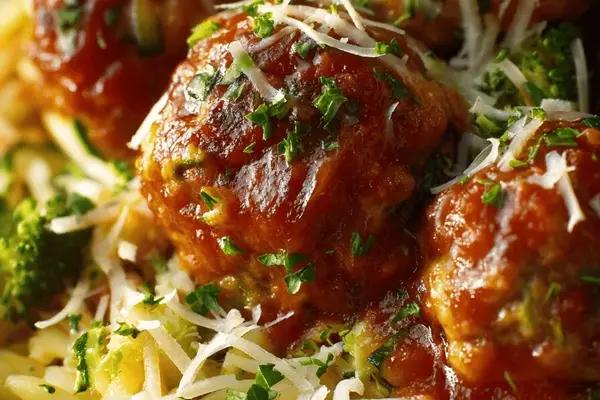
Sausage Meatballs with Orzo and Broccoli
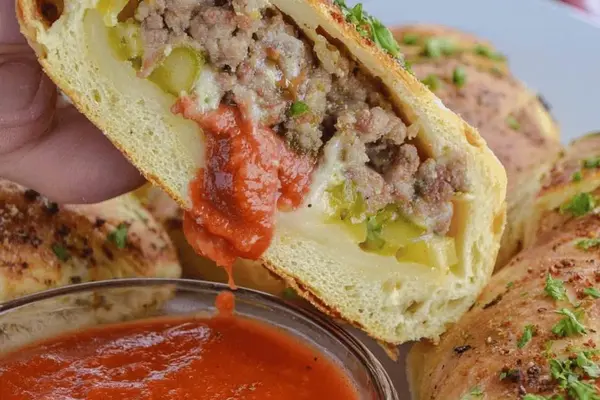
Sausage Stromboli with Pepperoncini Peppers

Grapefruit Spritz with Aperol & Prosecco
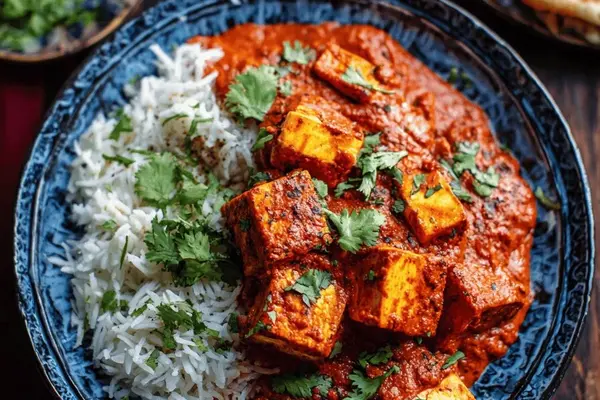
Buttered Tofu Recipe with Tomato Cream Sauce
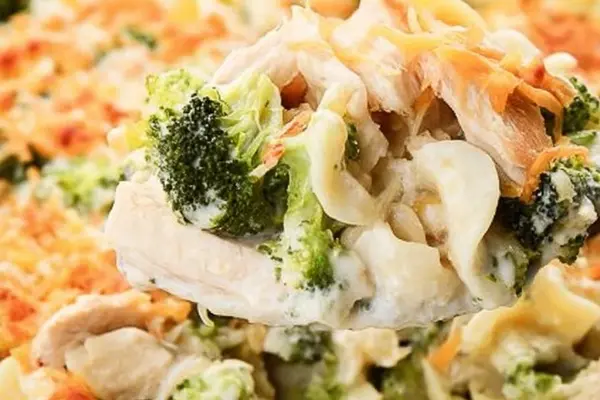
Chicken and Rice Casserole with Broccoli
Crunchy Peanut Brittle with Maple Syrup

Crispy Chicken with Spicy-Sweet Glaze