Homemade Self-Rising Blend
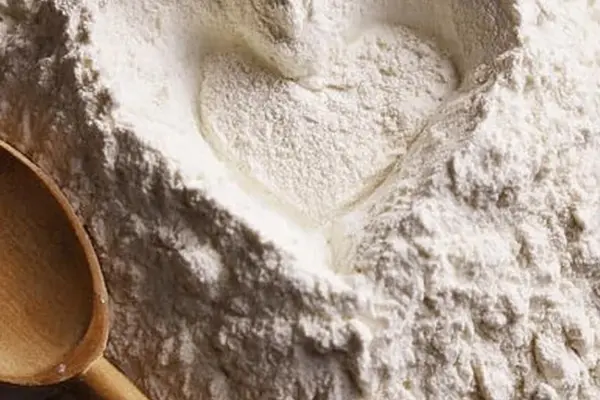
E
By Emma
Certified Culinary Professional
•
Recipe tested & approved
Swap all-purpose flour for a quick mix of flour, baking powder, and a pinch of salt. Adjusted ratios to balance rise and flavor. I replaced baking powder with a combo of cream of tartar plus baking soda for freshness. Whisk dry ingredients until fully combined for even lift. No sifting needed if whisked well. Works fine in quick breads, biscuits, pancakes. Watch dough texture, not just clock. Too dense? Too much leavening or flour—fix next batch. Experiment with substituting white whole wheat or oat flour for texture. Basic, versatile, quick to prep. Easy fix when you run out of the store-bought stuff.
Prep:
3 min
Cook:
0 min
Total:
3 min
Servings:
1 cup
#baking tips
#flour substitutes
#quick breads
#homemade blends
#kitchen hacks
Before You Start
Running low on self-rising flour? Happens more than I like to admit when mid-bake. Took me a while to figure out the tweak. Not just flour plus baking powder bluntly thrown together. Baking powder aging, salt levels all play tricks. Cream of tartar gives zip and freshness. Always whisk dry powders well. Clumps kill the rise—seen it too many times. The smell when you mix these powders right? Earthy but sharp. Like you’re about to coax dough into fluffy clouds. Don’t trust clocks blindly. Watch how the dough responds. Look for rise bubbles, gentle bounce back. Not all flours behave the same. Swapped some all-purpose out for white whole wheat once, added a nutty heft. Works but demands a tad more moisture. Keep a stash. Saves headaches when the store’s shelf’s wiped clean. Quick fix that doesn’t shortchange your bake.
Ingredients
- 1 cup all-purpose flour
- 1 ¼ teaspoons cream of tartar
- ¼ teaspoon baking soda
- ⅛ teaspoon kosher salt
In The Same Category · Breads
Explore all →
Banana Chocolate Loaf Remix
Homemade Crisp Breadcrumbs
Chocolate Cranberry Ginger Pull-Apart
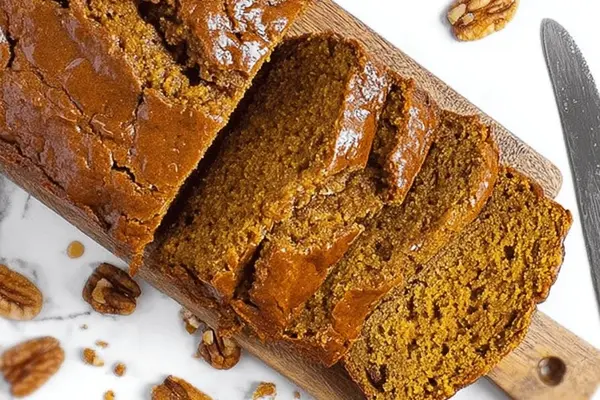
Pumpkin Banana Bread Twist

Lenten Spiced Buns

Lenten Brioche with Apricots

Maple Blueberry Quick Bread

Savory Herb Fougasse
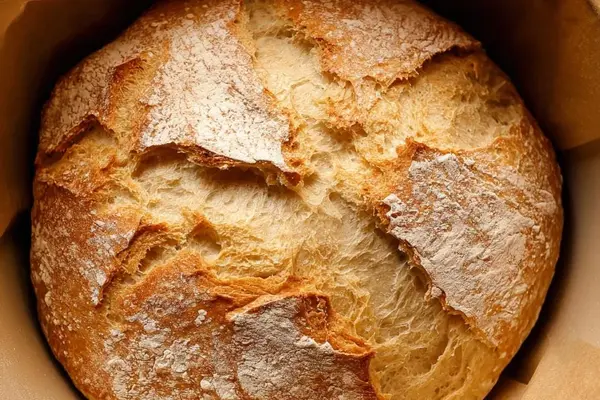
No-Knead Overnight Rye Bread

Tangy Milk Buns

Strawberry Rhubarb Loaf
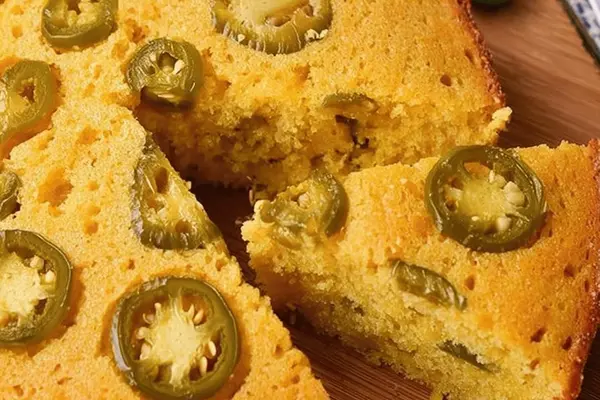
Honey Jalapeño Cornbread Twist

Cheddar Jalapeño Biscuit Drops
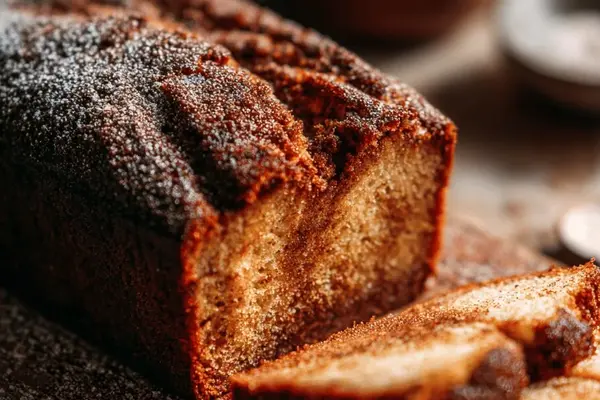
Twisted Butter Pound Cake
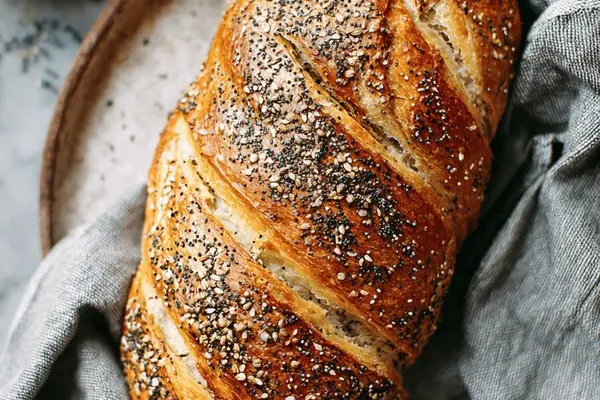
Seeded Ciabatta Twist

Spicy Jalapeño Corn Muffins

Twisted Jiffy Cornbread Muffins
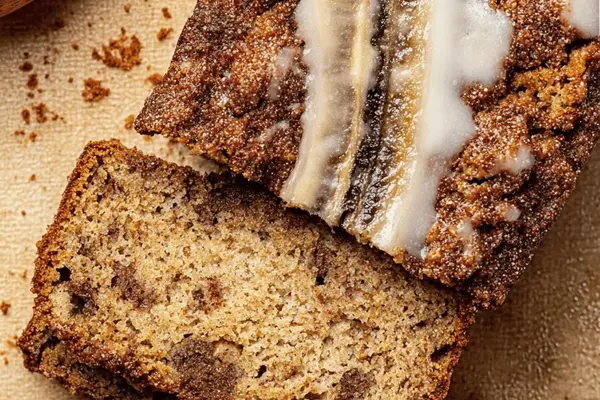
Cinnamon Banana Bread Twist
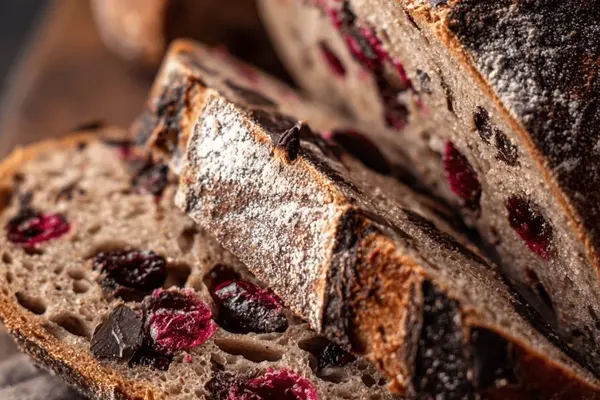
Cran-Choco Rustic Loaf
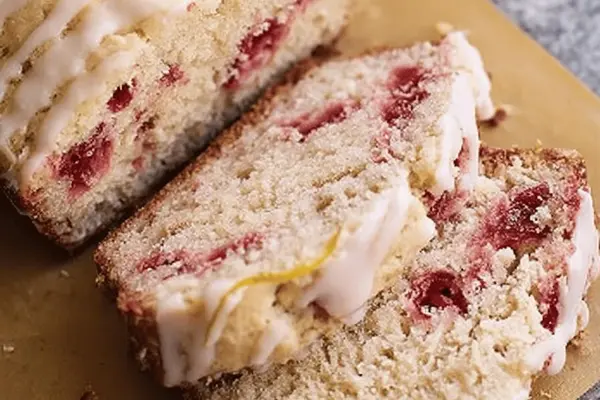
Strawberry Lemon Yogurt Bread
About the ingredients
Switched baking powder to cream of tartar plus baking soda—keeps leavening punch fresh without losing fizz mid-storage. Measured cream of tartar slightly higher than typical ratio to compensate for baking soda’s neutralizing effect. Kosher salt preferred over table salt for evenness and cleaner flavor. If you want, swap all-purpose for white whole wheat, but expect a denser crumb and slightly darker color. Never use self-rising whole wheat—it usually boosts salt and powder excessively, throwing your bake off balance. Store this mix away from humidity—flour loves to clump, powders to lose punch. If you lack cream of tartar, double baking powder but expect shorter shelf life. You can toss a little cornstarch in for flow, but not necessary especially if whisked well. Freshness matters, especially baking soda—clumps or smells like nothing? Toss it.
Method
- Put flour, cream of tartar, baking soda, salt in a medium bowl
- Whisk firmly or shake in a sealed container until powder mixed evenly
- Use in place of self-rising flour in any quick bread or biscuit recipe
- Check texture of dough — should feel soft, slightly sticky, but not wet
- Adjust powder ratio next time if too crumbly or heavy
- Store leftover mix in airtight container away from heat, moisture
Cooking tips
The trick—whisk well until uniformly pale, no pockets of powder. Shake vigorously in jar if you want to stash more for next time. Add slowly into wet ingredients like normal self-rising flour would, no special stir or fold needed. Watch dough texture—too stiff means too much flour or not enough powder, adjust next batch by lowering flour by a tablespoon. Too loose? Add small pinch more flour next time. I rely on touch, pressing dough gently—a bit sticky, but not gluey. Watch for bubbles forming once heat hits pan or oven rack, dough should feel buoyant, not heavy. If baking biscuits, listen for that initial sizzle, edges crisping first—sign dough is ready to come out. Store leftover dry mix airtight, no air, no moisture. When in doubt, mix fresh—baking powder loses strength fast.
Chef's notes
- 💡 Measure cream of tartar higher than baking soda to keep fizz alive—neutralizing effect. Use kosher salt for cleaner salt taste; dissolves better. Don’t add self-rising whole wheat—it throws salt and leavening balance off. Whisk dry powders until pale and lump-free. Skip sifting if you whisk long. Store airtight away from moisture and heat, powders lose punch quick in humidity. Shake jar vigorously if prepping bulk. White whole wheat swap adds nuttiness but needs more moisture. Texture test: dough should feel soft, slightly tacky, not wet or gluey. Adjust flour or powder next batch based on feel.
- 💡 Dough texture beats clock timing always. Look for bounce back and bubbles rising once heat hits pan or oven rack. Sound matters too—biscuits crisp at edges, sizzle initial moments. No bubbles? Powder old or mixed wrong. Clumps kill rise—always whisk or shake well. If too dense, drop flour by tablespoon next go or up powder slightly. Too crumbly? Cut powder slightly or add tiny flour pinch. Avoid blind timing. Rely on sensory cues—dough's feel, aroma, bounce. Fresh powders smell sharp, almost earthy. If smell flat or clumpy, toss it. Baking soda freshness critical here.
- 💡 Substitutions need attention. Cream of tartar plus baking soda equals fresh baking powder but stronger and less shelf-stable. Double baking powder if no cream of tartar—shorter shelf life expected. Cornstarch optional for flow but skip if well whisked. Mix powders dry before adding to wet ingredients slowly, like self-rising flour normally. No extra stir needed. Leftover mix airtight, no moisture or air. Flour loves to clump, powder strength wears fast during storage. Stir powder to check color uniformity—no spots of white or tan. Bulk prep? Store smaller portions sealed tight.
- 💡 Whisk dry blend until uniformly light colored. Look for no lumps or streaks. Store leftovers sealed tight—powder loses strength faster than flour. Moisture wrecks everything. Shake jar before each use if stored long. Watch for dough feel post mixing in wet—soft, slight tack, not glue. Clumpy mix or dough means old powder or moisture got in. Store dark, cool, dry spot. Flour clumps get you in oven results. Try swapping some flour for oat or white whole wheat but expect different crumb. Add moisture to dough then. Avoid self-rising whole wheat—it throws ratios out wildly.
- 💡 Keep powder ratios steady but adjust based on results. Cream of tartar measured slightly higher counters baking soda neutralizing action. Monitor dough texture closely every bake—feel, stick, bounce back. Baking heat triggers bubbles, dough rises uneven if powder old or clumpy. Fresh powders help crisp edges on biscuits—listen to initial sizzle sound. If dough too stiff, cut flour next batch by tablespoon; too loose, add small flour pinch. Store mix airtight with no air or moisture exposure. If unsure, mix fresh instead of guessing with old powders. Watch smell and feel powders before mixing.
Common questions
How to know if mix is fresh?
Smell sharp, earthy, almost like baking soda zing. Clumps or dull smell means toss. Powder loses lift silently. Stir to check color—should be uniform, pale. No brown spots.
Can I use table salt instead of kosher?
You can but flavor uneven, might taste harsher or salt is too dense. Kosher salt dissolves smoother and disperses better. If swapping, reduce salt slightly.
Dough too dense what to do?
Cut flour next time by a tablespoon first. Or up powder dosing a bit. Check powder freshness. Maybe mixing uneven or powders clumped. Add moisture slowly if crumbly dry.
How to store homemade blend?
Airtight container no moisture. Cool dry spot away from heat or humidity best. Store in small jar, shake or whisk before use. If unsure of age, mix fresh batch.
You’ll Love These Too
Explore all →
Grilled Veal with Avocado Beet Salad

Cheesy Queso Sauce

Peanut Butter Chocolate Chip Muffins

Checkerboard Cake

Turkey Stew with Potatoes and Peppers

Citrus Fennel Salad

Garlic Herb Fry Tower

Cheesy Basmati Arancini

Crispy Yukon Gold Fries
Zesty Ranch Dressing Remix

Goat Cheese Beet Crackers
Safe Edible Cookie Dough

Vanilla Coconut Ice Cream

Spiced Turkey Roast with Carrots

No-Bake Pumpkin Pie

Crab-Stuffed Lobster Tail

Mini Meatloaf Cupcakes

Spiced Carrot Cream Dip
Garlicky Cheese Dipping Oil

Spiced Apple Bread Pudding