Nana's Hoop Cheese Mac
E
By Emma
Certified Culinary Professional
•
Recipe tested & approved
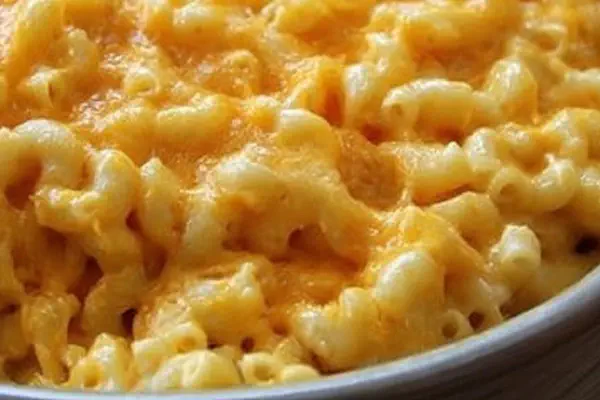
Macaroni cooked till just tender then tossed hot with cubed hoop cheese melted into creamy evaporated milk base. Salted water for bite, cheese cut small so melts faster, no lumps, nor stodgy heaviness. A touch lower cooking time than usual but trusts feeling not clocks. Substitute sharp cheddar or smoked gouda for hoop cheese, add pinch cayenne or mustard powder for warming twist. Gentle heat key; cheese goes gooey, silky, coats noodles rather than clumps. Quick, satisfying, humble—older-school comfort without fuss, with practical tips for bubbling cheese & rescue tricks if milk curdles or cheese seizes. Better than boxed hands-down, in my burnt pot experience.
Prep:
6 min
Cook:
24 min
Total:
30 min
Servings:
4 servings
#southern cooking
#macaroni recipes
#cheese sauces
#comfort food
#quick meals
Before You Start
Water roils furious boil, salt crackling in, thick paste clinging to elbow macaroni. Not mush, not rubber; just right. Cut cheese small—tiny cubes melting like gems into evaporated milk’s creamy thin sauce. I used hoop cheese once, stubborn but with a gentle coaxing heat, melts buttery silk. Quick to burn if distracted; too cold, chunks stubborn. Switched sharp gouda some days, added pinch cayenne for zip. Ideal texture means watching, stirring, tasting, not staring at clock. Cheese melting makes soft crackle and scent of warm milk. Pasta coated, glossy and plush—not gluey, not dry. Not kitchen fairy tale—it’s hand-off with respect to ingredient’s mood. Macaroni doesn’t wait, nor does melting cheese temper the impatience. Simple, bright, and soulful punch—just enough to coax memories. This is a love letter to patience.
Ingredients
- 4 cups water
- 1 teaspoon kosher salt
- 1 cup elbow macaroni
- 8 ounces hoop cheese, cut into tiny 1/2 inch cubes; substitute sharp gouda slice thin
- 3/4 cup evaporated milk
- Optional pinch cayenne pepper or mustard powder
In The Same Category · Main Dishes
Explore all →
Beef Mushroom Noodles
Grilled Beef Fillet Garlic Butter
Baked Beans Ground Beef
Instant Pot Salsa Chicken Remix
Lobster Spaghetti Delight
Tunisian Penne Merguez
Sushi Rice Fish Bowl
Slow Cooker Beef Tips Rice
Slow Cooker Chili Remix
Dry-Rubbed Porc Méchoui
Sole Potato Gratin

Twisted Cheese Tortellini
Spiced Miso Ginger Chicken
Braised Pork Beer Cabbage

Simple Turkey Chili

Creamy Slow Cooker Chicken Tacos
Veal Escalopes Marsala Spinach
Cauliflower Spelt Gratin
Veggie Lasagna Roll-ups
Spiced Cajun Chicken Fettuccine
About the ingredients
Elbow macaroni—classic shape holds sauce better. Kosher salt in boiling water makes difference; flavoring pasta itself, also firms texture. Hoop cheese is traditional, but often elusive; substitution with sharp gouda or even aged monterey jack works well with slight flavor twist. Cut cheese small, cubes or thin shreds to promote quick melting; big chunks no good unless slow melting intended. Evaporated milk brings weight without heavy cream; substitute half & half if richer desired, or whole milk for lighter version but watch for watery thinness. Cayenne or mustard powder optional but adds depth—use sparingly to protect cheese flavor. Avoid pre-shredded cheese; often contains anti-caking agents that prevent smooth melt.
Method
- Bring water to roiling boil. Loud bubbling, rolling surface. Salt well. Not just flavor but to toughen pasta surface; keeps bite firm, al dente, never mushy. Toss in macaroni. Stir once to prevent sticking. Watch macaroni bubble, swell. Taste around 7 minutes but feel texture; should yield little resistance when bitten, never floppy.
- Drain macaroni through fine colander, shake well. Return immediately to warm dry pot off heat gently while prepping cheese and liquid. Using dry pot after draining avoids sogginess; residual heat keeps pasta warm without overcooking.
- Small cubes matter. Cheese melts faster in smaller pieces; less clumping. Cut hoop cheese into tiny cubes roughly half an inch or smaller. Gouda if used thin slices or shredded. The cheese melts in pockets releasing creamy fat enveloping pasta strands.
- Pour evaporated milk over hot pasta, stirring lightly off direct heat (lowest burner setting or warm stovetop) to prevent curdling. Add optional cayenne or mustard powder here for subtle punch. Slowly add cheese cubes, folding gently so cheese melts evenly. Listen: If you hear sizzling or hear solids cracking, heat too high, pull off burner momentarily.
- Stir until cheese melted into creamy silkiness coating every piece, glossy and luscious. No clumps or greasy puddles; glossy sheen indicates right amount of cheese dissolving within milk. Serve immediately—cheese hardens and thickens as it cools, losing silky charm.
- Got too thick? Splash more evaporated milk or even half & half, stir briskly to loosen. Too thin? Add handful shredded cheese off heat then back on very low flame just until thickened.
- Pro tip: Using dry pot after draining avoids clumpy overcooked pasta. Also, adding cheese off direct heat prevents grainy texture from overheating dairy proteins.
- If cheese seizes (flakes or hardens), quickly remove pot off heat and stir vigorously; adding a teaspoon of cream or milk can help restore smooth texture.
- Serve out quickly—hoop cheese macaroni best indulged hot. Reheating? Slow stove reheats with splash milk and low stirring—microwaving toughens cheese.
Cooking tips
Salted boiling water crucial—never skip or skimp. Salt seasons deeper, firms pasta exterior creating authentic bounce. Watch pasta closely around 7 minutes for al dente—bite should resist just slightly with no chalky center. Drain promptly through fine colander; shaking off water prevents sogginess. Return to dry pot, not hot burner directly, or pasta sticks and gums. Heat control key when melting cheese; too hot and proteins seize, gritty texture results. Stir gently off direct heat letting cheese melt slowly in evaporated milk bath; cheese cubes small to melt evenly. If sauce thickens too fast or splits, rescue with splash of milk and gentle stirring off heat. Serve immediately—delayed serving means sauce toughens and cheese hardens. Reheating best slow and gentle; microwave ruins silkiness. Keep an eye and listen for melted cheese crackle, milk warming aroma. Avoid multi-tasking here or risk burnt bottom.
Chef's notes
- 💡 Salt water boiling hard first step. Not just for taste. It firms pasta, bounce not mush. Watch bubbles crackle with salt hitting water. Toss pasta then stir one time only, stops sticking. Timing multiple senses — listen, watch noodles swell, feel bite around 7 minutes for just right.
- 💡 After draining, back to dry pot off heat quick. Residual heat keeps noodles warm but no sogginess. Hot burner ruins texture fast, pasta sticks, gums instantly. Use colander shake well to drain fast. Prep cheese meanwhile; smaller cubes speed melting, less lump chunks. No big blocks here or cheese won’t fold smoothly.
- 💡 Cheese needs gentle coaxing. Add evaporated milk slowly, off direct heat. Stir lightly while milk warms. Watch for crackling sounds — sound tells you heat too high. If solids cracking, pull pot off burner fast. Add cheese cubes bit by bit, fold gently. No blast heat, no rushing. Sizzle signals overheating dairy proteins, grainy texture coming.
- 💡 If sauce thickens too fast or breaks, add splash milk or half & half. Stir briskly to loosen. Too thin? Off heat, add shredded cheese handful. Back on low flame just till thicker. No stirring frenzy or sauce splits. Keep folds gentle, heat low and steady. Patience saves sauce silkiness, cheese coating noodles like velvet.
- 💡 Keep eyes, ears, fingers tuned. Cheese melts releasing fat, bubbles in pockets coating pasta. Crackling soft, not harsh. Aroma warm milk, subtle sharp notes from cheese. If cheese seizes, flakes — remove pot from heat, stir hard. Add teaspoon cream/milk to bring silk back. Overheated dairy proteins irreversible otherwise.
- 💡 If subbing cheeses other than hoop, use sharp gouda thin sliced or shredded. Monterey jack aged works too. Bigger cubes slow melt, no good unless slow cook intended. Evaporated milk preferred; heavier than whole milk but lighter than cream. Half & half works if richer. Avoid pre-shredded cheese—anti-caking agents kill smooth melt.
- 💡 Reheat slowly off stove with low flame, add splash milk and stir gently. Microwave wrecks cheese texture instantly — tough, dry, gluey. Slow heat keeps sauce glossy, cheese pliable. Stir often but gently. Use residual heat tricks to avoid scorching bottom; never crank burner high after initial cooking.
- 💡 Use kosher salt in water, makes difference in bite and flavor depth. Not table salt for this step. Also smaller pasta shape holds sauce better — elbow macaroni classic for good reason. Big shells or penne might not coat same way. Watch pasta closely, al dente bite just mild resistance, no chalkiness inside.
Common questions
Can I substitute the hoop cheese?
Yeah, thin sliced sharp gouda or aged monterey jack. Bigger cubes tough, melt slow. Shredded works too but texture varies. Don't use pre-shredded with additives; melt can get grainy.
What if my cheese sauce curdles?
Off heat immediately, stir vigorously. Add small splash cream or milk to smooth out lumps. If overheated, proteins tighten and can’t recover. Lower burner next time or stir more off direct heat.
How do I reheat leftover macaroni?
Slow and low on stove. Add splash evaporated milk or half & half. Stir gently often. Avoid microwave if possible — turns cheese rubbery, sauce breaks down fast.
How to store leftover macaroni?
Store in airtight container, refrigerate up to 3 days. Reheat slow with splash milk. Can freeze but texture changes, sauce may separate. Stir well after thawing, add more milk if too thick.
You’ll Love These Too
Explore all →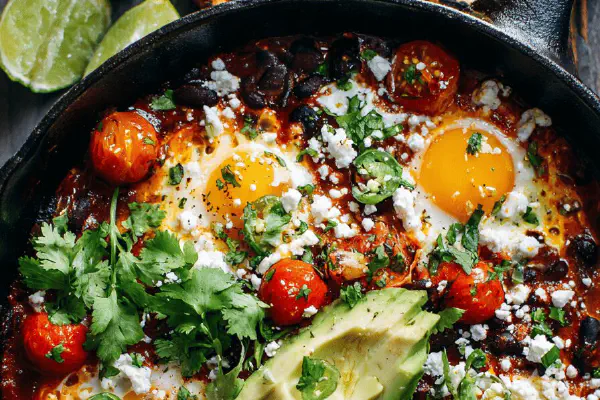
Grilled Ranch Eggs Black Beans
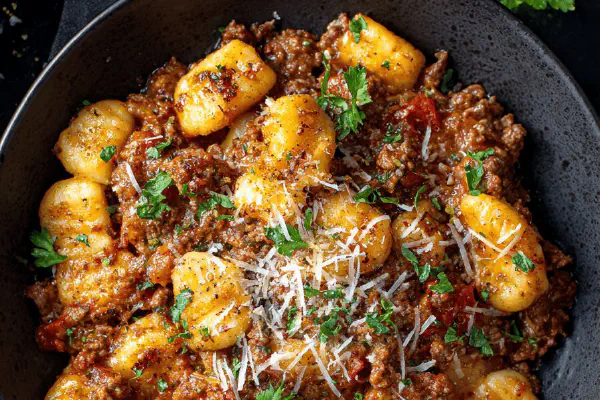
Beef Rosemary Gnocchi

Bleeding Blonde Beer
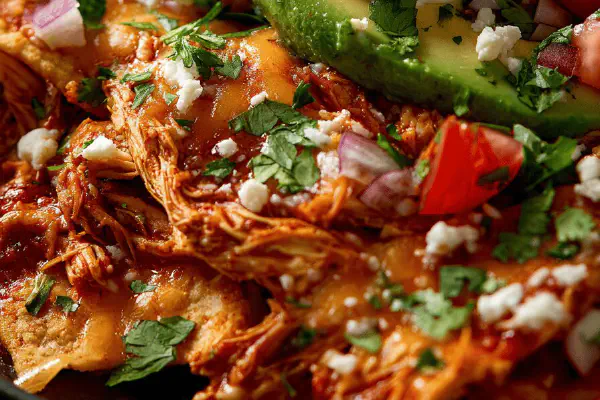
Turkey Chile Chilaquiles
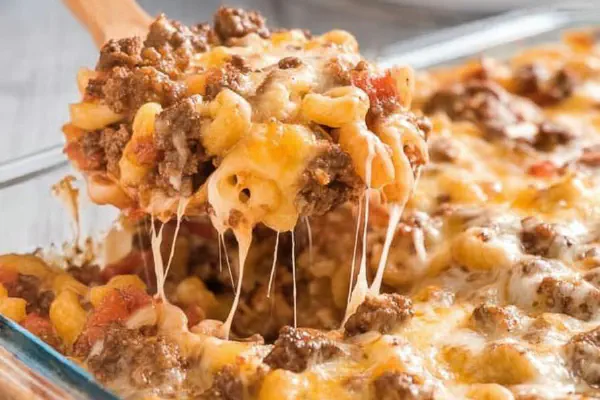
Cheeseburger Pasta Bake
Tunisian Penne Merguez
Prosciutto and Strawberry Toasts
Zesty Lemon Herb Butter
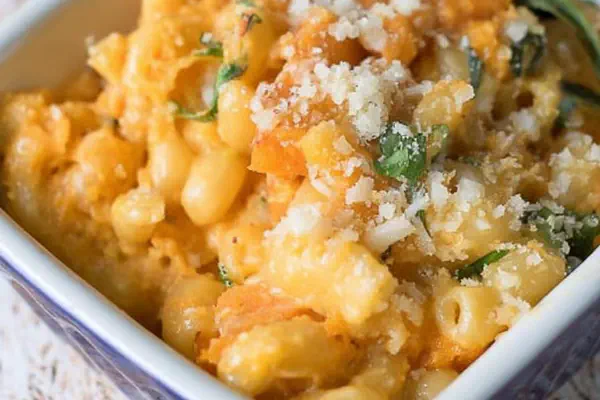
Sweet Potato Mac Bake
Twisted White Bean Panzanella
Caramel Apple Cookies Remix
Maple Ginger Pork Quinoa
Creamy Garlic Parmesan Linguine
Tofu Veggie Wraps

Honey Cinnamon Apple Fritters

Fig Prosciutto Baguette
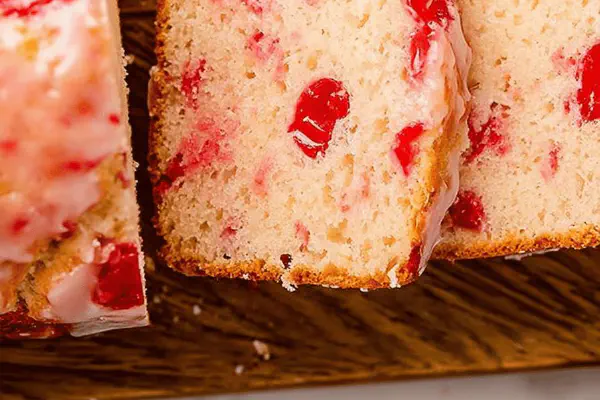
Chunky Cherry Almond Bread
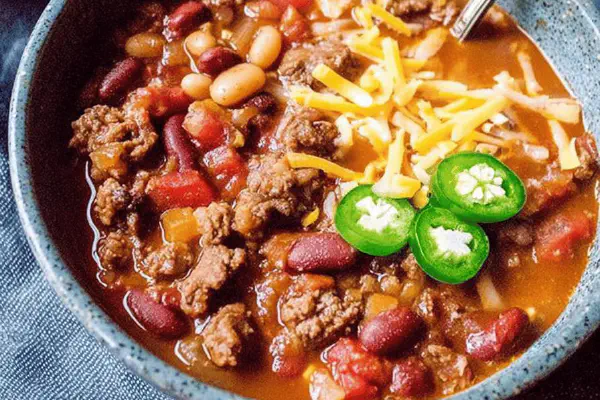
Slow Cooker Spiced Lamb Chili
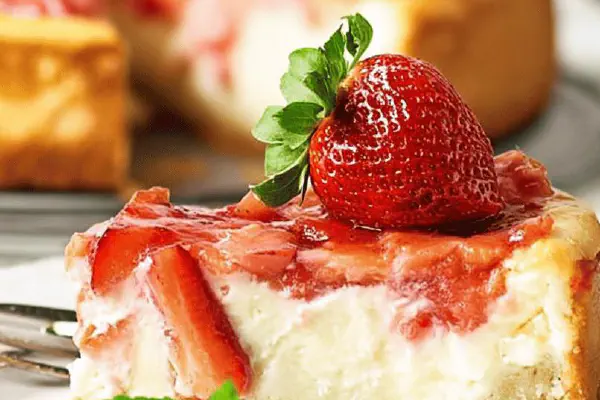
Baked Strawberry Cheesecake Twist
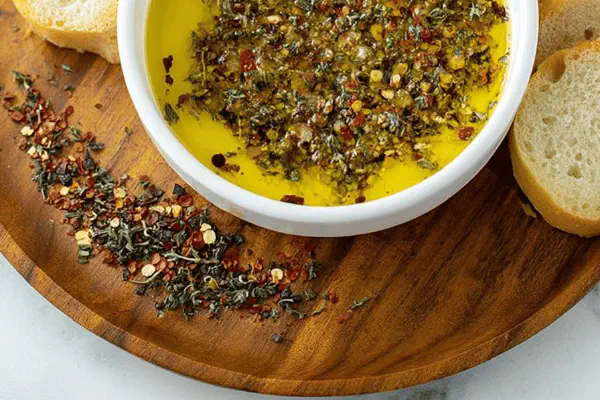
Herbed Spicy Olive Dip