Kung Pao Chicken with Snap Peas
By Emma
Certified Culinary Professional
·
Recipe tested & approved
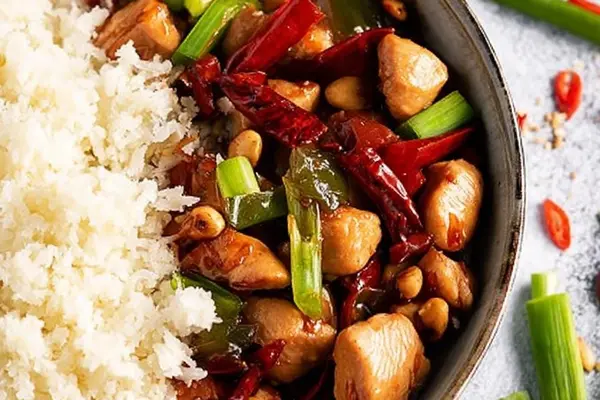
Kung pao chicken with snap peas, roasted peanuts, and tamari soy sauce. Tender chicken thighs marinated in cornstarch and shaoxing wine, stir-fried with garlic, ginger, and dried chiles for bold umami flavor.
Prep:
12 min
Cook:
22 min
Total:
34 min
Servings:
4 servings
Spread chicken pieces in a hot wok — don’t crowd them. They need room to crisp, not steam. That’s the whole thing right there.
Why You’ll Love This Asian Chicken Stir Fry
Takes 34 minutes total if you move. Prep 12, cook 22. That’s it. Chicken thighs stay juicy even when you’re not careful, which helps. Spicy peanut chicken that doesn’t taste like takeout because you’re not using bottled sauce — you built it in the pan. Works as an easy weeknight chicken dinner on a Tuesday when you have nothing planned, or a Friday when you want something faster than delivery. The sauce clings instead of pooling. That matters more than people think.
What You Need for Spicy Peanut Chicken
Chicken thighs. A pound, boneless skinless, cut into chunks. Dark meat stays tender, doesn’t dry out like breast does. Baking soda in the marinade sounds weird — it is — but it keeps edges from getting tough. Use half a teaspoon. More and it gets slimy.
Tamari and soy sauce. Two teaspoons tamari, two tablespoons soy. Why both? Tamari’s softer. Soy’s sharper. Together they taste like something actually happened to the chicken.
Shaoxing wine twice — once in the marinade, once in the sauce. Dry sherry works if you can’t find it. Tastes slightly different but not worse.
Cornstarch in the marinade and the sauce — gets cut slightly in the sauce so it thickens without turning gluey. One tablespoon for the chicken, one teaspoon for the pan. Rice vinegar, hoisin, sesame oil. Brown sugar. That’s your sauce structure. Whisk it and let it sit.
Snap peas instead of peppers — crunch holds up better. Celery. Garlic. Ginger. Green onions. Roasted peanuts. Dried red chiles — six to eight depending on how much heat you actually want. Vegetable oil for the pan.
How to Make Asian Chicken Stir Fry
Toss chicken with half a teaspoon baking soda and one tablespoon cornstarch. Rough toss, not delicate. Pour in one tablespoon shaoxing wine and two teaspoons tamari. Toss again until everything’s coated and slick. Let it sit. Eight to twelve minutes. Don’t go longer — the cornstarch starts breaking down and your coating comes off in the pan instead of staying on the chicken.
While it rests, get your vegetables cut. Snap peas. Celery sliced thin. Garlic minced. Ginger minced. Green onions chopped — white and light green parts, save the dark stuff for later if you want. Peanuts measured out. Chiles sitting somewhere you can grab them.
Whisk the sauce. Two tablespoons soy sauce, one tablespoon rice vinegar, one tablespoon shaoxing wine again, one and a half teaspoons brown sugar, one tablespoon hoisin, one teaspoon sesame oil, one teaspoon cornstarch. Whisk it until the cornstarch dissolves mostly. It should look like something you’d actually want to eat, not like flour paste.
How to Get Kung Pao Chicken Crispy and Balanced
Heat your wok or largest skillet over medium-high. Add three tablespoons vegetable oil. Watch it. When it shimmers and almost smokes — that specific moment where you’re not sure if it’s about to catch — it’s ready. Temperature matters here because cold oil means steamed chicken, and you don’t want that.
Spread the chicken pieces out immediately when they hit the pan. Spread them. Don’t stir. Don’t touch them. Let them sit for two and a half minutes. You’ll hear it popping. You’ll watch the edges turn gold. That’s crisping. That’s what you waited for.
Flip everything. Cook the other side another two to three minutes. Chicken puffs up when it’s close to done, feels firm but still gives a little when you push it. Remove it to a plate. Tent it loosely with foil — loosely, not tight, because trapped steam makes it go soft.
Same pan. Add snap peas and celery. That sizzle should still sing. Stir briskly for five to six minutes. You want them softening but still snapping under your teeth, color bright green, not dull. Now here’s where it gets fast. Toss in garlic, ginger, green onions, the dried chiles, the peanuts. Push everything toward the edges so peanuts toast from the side heat without burning. Twenty to thirty seconds. That’s how long fragrance takes to hit.
You’ll smell it. Garlic goes gold, ginger sweet, chiles release this dry heat into the air. Stop before the garlic turns brown and bitter. Bitterness ruins everything.
Pour the sauce over chicken and vegetables. Toss carefully. Sauce should thicken and bubble within four to five minutes. Watch for glossy sheen on the back of a spoon — that’s the signal you’ve got the texture right. Not gloopy. Not watery. Watch it.
If it’s reducing too fast, lower heat to low-medium. If it’s thickening too early, dial back the heat immediately. Serve over steamed rice. Rice is essential. It balances the spice and catches the sauce.
Easy Weeknight Chicken Dinner Tips and Fixes
Chicken overcooks and toughens sometimes. Use thigh meat always — it forgives you more than breast does. If it happened, it happened. Next time pull it off one minute sooner.
Peanuts can stick or burn if the heat’s too high on that initial toast. Pre-toast them separately on a dry pan if you’re worried. Just doesn’t matter much either way.
Dried chiles vary in heat. Six will be medium. Eight will be spicy. Taste the sauce and adjust before serving if you need to.
Shaoxing wine — if you can’t find it, dry sherry works fine. Omit it if neither’s around, but the sauce loses something. Not ruined, just less complex.
Walnuts or cashews instead of peanuts. Works. Same amount. Toast them the same way.
Baking soda in the marinade sounds sketch because it is, a little bit. But it works. Half a teaspoon. Don’t go rogue and add more — you’ll get slimy edges that feel wrong in your mouth.
Kung Pao Chicken with Snap Peas
Prep:
12 min
Cook:
22 min
Total:
34 min
Servings:
4 servings
Ingredients
- 1 lb boneless skinless chicken thighs chunked
- ½ teaspoon baking soda
- 1 tablespoon cornstarch plus 1 teaspoon
- 1 tablespoon shaoxing wine
- 2 teaspoons tamari soy sauce substitute
- 2 tablespoons soy sauce
- 1 tablespoon rice vinegar
- 1 tablespoon shaoxing wine
- 1½ teaspoons brown sugar
- 1 tablespoon hoisin sauce
- 1 teaspoon sesame oil
- 3 tablespoons vegetable oil
- 1 cup snap peas swapped for peppers
- ½ cup celery sliced
- 3 cloves garlic minced
- 1 teaspoon fresh ginger minced
- 3 green onions chopped, white and light green parts
- ⅓ cup roasted peanuts
- 6-8 dried red chiles
Method
- Marinate the chicken
- 1 Toss chicken chunks with ½ teaspoon baking soda and 1 tablespoon cornstarch — baking soda’s a gamble for tenderness but don’t overdo; past mistakes left slimy edges. Splash in 1 tablespoon shaoxing wine and 2 teaspoons tamari, toss until slick. Rest 8-12 minutes — don’t let cornstarch soak too long or coating falls off. Meanwhile prep veggies and sauce.
- Mix the sauce
- 2 Whisk 2 tablespoons soy sauce, 1 tablespoon rice vinegar, 1 tablespoon shaoxing wine, 1½ teaspoons brown sugar, 1 tablespoon hoisin, 1 teaspoon sesame oil plus 1 teaspoon cornstarch. Cornstarch amount cut slightly to avoid gluey sauce. Set aside. Sauce should shimmer, hold loosely, not glue the bowl.
- Stir Fry
- 3 Heat wok or large skillet over medium-high, vegetable oil until shimmering, almost smoking — pan must be hot or chicken steams, not crisp. Drop chicken pieces in, spread out immediately, don’t crowd. Rest undisturbed 2½ minutes till base crisps, hear popping, edges turning gold. Flip, cook other side another 2-3 minutes. Chicken will puff up, feel firm but juicy. Remove, tent loosely with foil — don’t trap steam or chicken sogs.
- 4 Add snap peas and celery to same pan; sizzle should still sing. Stir briskly for 5-6 minutes till veggies soften yet snap under teeth, vibrant green intact. Now toss in garlic, ginger, green onions, chiles, peanuts along pan edge so peanuts toast from radiant heat without burning. Saute 20-30 seconds — fragrance hits, garlic gold but not bitter. Control heat here; garlic burns quick, bitterness kills dish.
- 5 Pour in sauce and chicken. Toss carefully to coat every piece; sauce should thicken and bubble within 4-5 minutes, watch for glossy sheen coating back of spoon — signals correct texture, not gloopy or watery. Adjust heat low-medium if sauce reduces too fast or thickens prematurely.
- 6 Serve immediately with steamed rice — essential to balance spice and umami punch.
- 7 Cleanup tip: If peanuts stick or burn, pre-toast on separate dry pan. If chicken overcooks lest tough; use thigh meat always for juiciness. Substitute walnuts or cashews for peanuts if allergy kicks in. Dried chiles vary by heat; adjust to taste. Alternate shaoxing with dry sherry or omit if none available, but flavor dims slightly.
- 8 If tried, come back and rant or rave, stars appreciated.
Nutritional information
Calories
380
Protein
35g
Carbs
15g
Fat
20g
Frequently Asked Questions About Kung Pao Chicken with Peanut Butter Sauce
Can I use chicken breast instead of thighs? You can. Doesn’t work as well. Breast dries out faster even with the baking soda trick. Thigh stays juicy because there’s actual fat in it. If you’re using breast, pull it off heat a full minute sooner than the recipe says.
What if I don’t have shaoxing wine? Dry sherry. Same amount. Or honestly, just skip it and use more soy sauce — one extra tablespoon. Won’t be quite the same but it’s not ruined.
Does the sauce thicken more as it sits? Yeah. It gets slightly thicker as it cools. If you’re eating it right away it’ll be looser. If you’re holding it warm for a bit it tightens up. Plan accordingly.
Can I meal prep this? Not really. Chicken gets soft from sitting in sauce, peanuts go mushy, snap peas get sad. Make it fresh and eat it fresh. Thirty-four minutes isn’t long.
How spicy is this actually? Depends on the chiles. Most dried red chiles are medium heat. Eight of them gets you warm, sweating a little. Four gets you flavor without the punch. Start with six and taste it — you can’t un-spice it.
What soy sauce substitute should I use? Tamari if you need gluten-free, which is what the recipe calls for. Coconut aminos if you’re avoiding soy entirely — tastes different, sweeter, but it works. Regular soy sauce obviously works too if you’re not avoiding it.
You’ll Love These Too
Explore all →
Grilled Tilapia with Pineapple Salsa
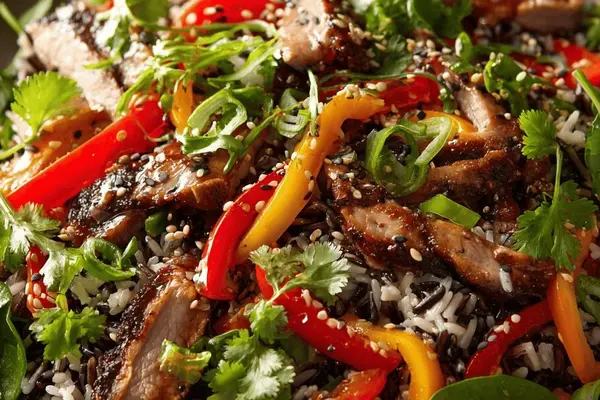
Grilled Pork Chops with Wild Rice & Sesame
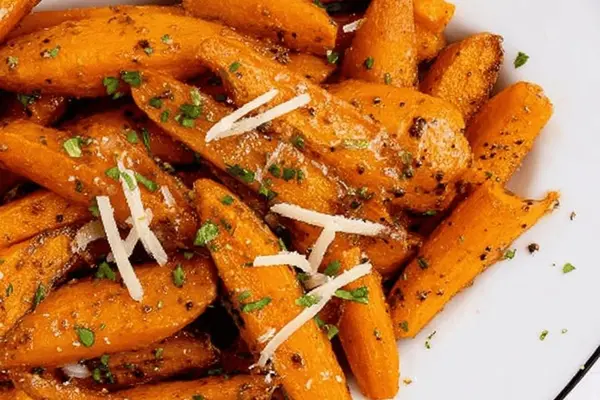
Air Fryer Carrots with Thyme and Parmesan
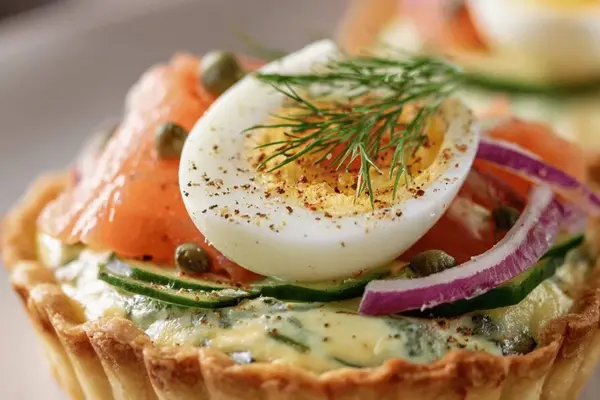
Smoked Salmon Hors D'Oeuvres Tart

Donut Chicken Sandwich with Maple-Dijon
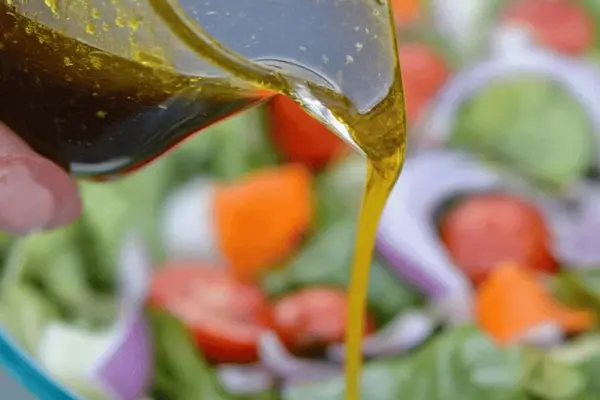
Herb Vinaigrette Remix with Tarragon
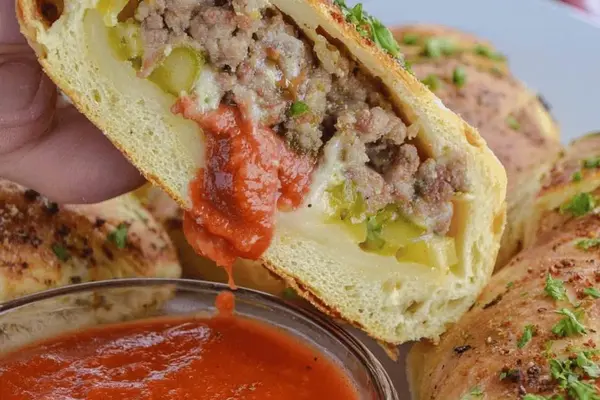
Sausage Stromboli with Pepperoncini Peppers
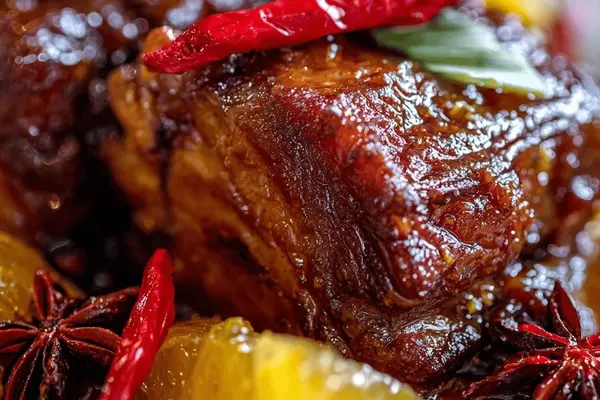
Braised Pork Shoulder with Orange Juice
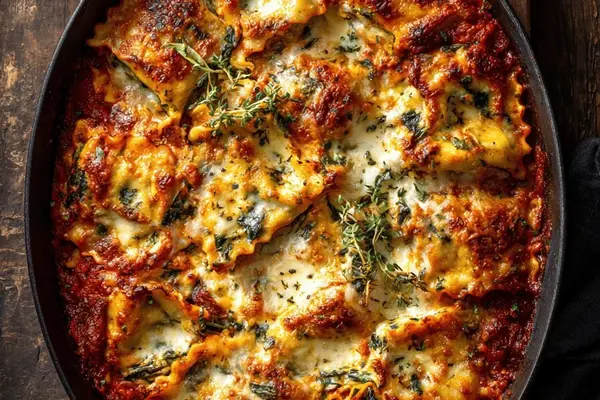
Ricotta Spinach Fazzoletti with Plum Tomatoes
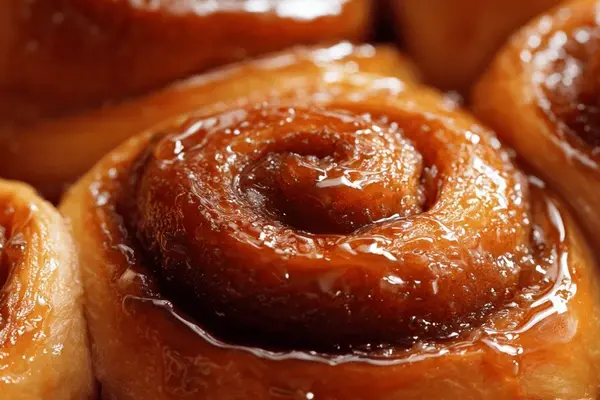
Homemade Cinnamon Rolls with Honey Caramel
Peanut Butter Banana Bread with Chocolate
Apple Upside Down Cake Recipe
Crispy Corn Fritters with Smoked Paprika
Fluffy Omelette with Ricotta Salata
French Onion Soup with Shallots
Instant Pot Chicken Burrito Bowl Recipe
Hasselback Potatoes with Cheddar and Pancetta
Peach White Chocolate Risotto Recipe
Copycat PF Changs Lettuce Wraps Recipe