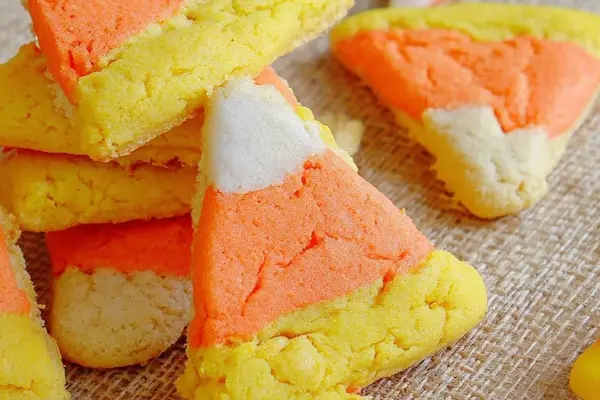
Layered Candy Corn Cookies
E
By Emma
Certified Culinary Professional
•
Recipe tested & approved
Dense sugar cookie dough split into three parts. Each dyed yellow, orange, and white to mimic candy corn layers. Pressed in loaf pan then chilled. Sliced thin, cut into triangles. Baked until just set. Edges kept pale to avoid bitterness. Textured, not overly sweet. Visual pop from distinct colors. Uses classic sugar cookie base with substitutions for color and subtle spice twist.
Prep:
25 min
Cook:
9 min
Total:
34 min
Servings:
36 servings
#cookies
#fall baking
#sugar cookies
#holiday treats
#layered desserts
Before You Start
Cookies that literally look like candy corn shards. Color layered sugar dough pressed into loaf, chilled, sliced, and cut like candy. Crafting these taught me patience—messy dough, stubborn layers, but the payoff with visual wow and subtle spice twist is worth the fuss. Color blending is tricky; overdo it and dough sours or stiffens. Sometimes I skip the vanilla and add a whisper of almond extract for nutty depth. The texture’s dense but tender if you don’t overwork the dough. Baking’s about watching the cookie surface closely—too brown means bitter edges, too soft and it falls apart. Also learned that chilling the dough overnight makes slicing cleaner and layers hold better. These aren’t quick throws together. They demand respect, but the way they look—and the balance between soft inside and slightly crisp edges—makes the effort obvious. Perfect for fall tables or when you want a playful twist on sugar cookies.
Ingredients
- 2 1/2 cups all-purpose flour, sifted
- 1/2 teaspoon baking soda
- 1/2 teaspoon salt
- 1 cup unsalted butter, softened
- 3/4 cup granulated sugar
- 1 large egg
- 1 teaspoon pure vanilla extract
- yellow food coloring, gel or paste
- orange food coloring, gel or paste
- 1/4 teaspoon ground ginger as twist (replace baking powder)
- heavy duty plastic wrap or parchment paper for lining
In The Same Category · Desserts
Explore all →
Berry Buttermilk Bundt
Chocolate Yule Log
Lemon Cheesecake Bars Twist

Ghost Marshmallow Pops

Velvety Red Cookies

Dress-Up Doll Cookies
Soft Gingerbread Cookies
Microwave Butter Brownies
Twisted Butterscotch Delight

Boston Cream Cupcakes
Cinnamon Chocolate Bark

Raspberry Cupcakes Twist
Gluten-Free Almond Chocolate Cake
Sugar Pie in Jars
Frozen Yogurt Oat-Coconut Cake
Funfetti Sprinkle Cookies
Cherry Chip Cake Remix
Ricotta Coffee Tiramisu
Snickers Apple Salad
Warm Melty Chocolate Tart
About the ingredients
Flour must be sifted to avoid dense pockets. Butter softened not melted; butter texture directly influences cookie tenderness. Substituting ground ginger for baking powder adds earthiness that cuts sweetness. Vanilla’s classic but swapping almond extract or replacing egg with flax egg works if needed. Food coloring: gel or paste preferred to liquid to avoid altering dough moisture and consistency. Expect dough stiffening with added colors so work quickly to prevent drying. Lining loaf pan securely prevents stuck edges; parchment easier than plastic wrap but wrap conforms better to corners. Chill dough minimum 2 hours—shorter times cause messy slicing. Don’t skip kneading dry thoroughly with wet to avoid flour lumps. Dough texture dense but pliable is key; too tough means over-mixing. If dough cracks when slicing, chill more or briefly freeze. If you want more spice punch, add cinnamon or allspice but keep balanced or risk overpowering subtlety.
Method
- Preheat air with oven off but fan on if possible, keep dough chilled separately.
- In large bowl or stand mixer with paddle, cream butter and sugar until pale and fluffy, takes about 3-4 minutes on medium speed. Look for texture light enough to trap air but not greasy.
- Beat in egg and vanilla fully. Mixture looks shiny and thickens.
- Whisk together flour, salt, baking soda, and ground ginger. Adding spice changes texture slightly; must blend well.
- Add dry ingredients slowly to wet. Mixer struggles as it turns thick and dense. Scrape sides often. Avoid over mixing past just combined; dough should feel heavy but cohesive.
- Divide dough evenly into three bowls. Stay organized.
- Leave one bowl plain white-ish. Add yellow coloring to one bowl. Adjust drop by drop til bright but natural. For orange, mix red and yellow food coloring gradually. Avoid too much red or dough stiffens and colors dull.
- Line loaf pan with plastic wrap or parchment, press yellow dough into bottom firmly, fill corners evenly. Add orange next, press carefully but firmly to avoid air gaps. Lastly white on top. Check layers visually; must be distinct, not muddled.
- Cover pan, chill at least 2 hours or overnight for best slicing and color clarity. If rushed, freeze briefly but watch for cracking.
- Remove chilled loaf gently using wrap edges, place on cutting board.
- Slice loaf into 1/4 inch slices with sharp serrated or chef knife, gentle sawing motion prevents squashing. Dough feels cool and firm, key to clean edges.
- Cut each slice into triangular wedges. Ends often uneven; discard or taste test.
- Arrange triangles 2 inches apart on parchment-lined baking sheets. Dough spreads slightly; closer spacing leads to sticking and uneven cooking.
- Bake at 370 to 375 F (190 C) for 7 to 10 minutes. Watch closely. Cookies ready when tops look set but still very pale. Underbaked texture gives chewiness inside; avoid coloring outside edges, bitter taste warning.
- Let cool several minutes on sheet. Edges fragile and may crack. Trim uneven bits if needed before transferring to wire rack.
- Store airtight once fully cool. Freezing dough before baking gives more perfect layers but adds waiting.
- Try swapping ground ginger for cinnamon or nutmeg if you want a different warm note.
Cooking tips
Creaming butter and sugar until fully light is vital—this traps air for less dense cookies. Beat egg in completely before dry to avoid curdling. Slowly add sifted dry ingredients to limit lumps and flour pockets. Dividing dough into three bowls for coloring is tedious but essential to get distinct candy corn layers. Press layers firmly into loaf pan, avoid bubbles by pressing edges and smoothing. Chilling solidifies dough, prevents layers from mixing when sliced. Use a sharp serrated knife, sawing motion, and slice in one smooth pass to prevent smooshing or uneven cuts. Cutting slices into triangles takes patience; uneven ends can be nibbled or discarded. Bake on parchment-lined sheets spaced well apart; dough spreads slightly so crowded cookies fuse. Watch baking closely—cookies are underdone when tops dull but not shiny and pale in color. Allow to cool on sheets so edges firm up; trimming edges before full cooling prevents breakage. Store airtight to keep chewiness. If you don’t trust timing, rely on visual indicators over clock.
Chef's notes
- 💡 Butter softened, not melted—key for crumb texture. Cream sugar and butter until pale, fluff forms. Takes time; don’t rush mixing speed. Stop when you see air trapped. This stage controls final density and crumb. Mix egg & vanilla fully for thickness. Adds body. Fold dry ingredients slow with gentle scrape. Avoid overmixing or dough gets tough.
- 💡 Dividing dough evenly into bowls for colors seems simple but rushing causes mixed layers. Use gel or paste coloring to keep moisture in check. Drop by drop—too much red dulls orange. Work fast once color’s added since dough stiffens. Press layers firmly in pan, no gaps. Visual distinct layers need clean edges; don’t smear the borders.
- 💡 Chilling loaf pan minimum 2 hours prevents mixing during slicing. If impatient, short freeze works, but risk cracking. Remove with wrap edges carefully. Slice with sharp serrated knife, steady, gentle sawing—not force or slice squashes. Dough should feel cool, firm for clean cuts. Triangles take patience; uneven ends better nibbled or tossed.
- 💡 Baking: watch cookie tops. Should be pale, not shiny but not browned. Browning edges mean bitterness risk. Texture inside chewy, edges slightly fragile but not crumbly. Spacing cookies apart avoids sticking; dough will spread. Cool on sheet; edges firm up before moving. Trim uneven bits pre-rack transfer to avoid breakage.
- 💡 Substitutions can tweak flavor or handle allergies. Ground ginger replaces baking powder for subtle warmth; cinnamon or nutmeg offer different vibes but balance is key. Almond extract swaps vanilla if wanting nutty note. If no egg, flax egg works but dough texture changes—expect stiffer dough. Gel coloring preferred; liquid alters moisture, toughens dough if overdone.
Common questions
Why chill dough so long?
Keeps layers distinct. Without chill, colors blend on slicing. Also firms dough for clean cuts. Shorter chill? Freeze brief but risks cracks. Patience pays off visually and structurally.
Can I substitute ground spices?
Yes, ginger’s base replacement for baking powder. Cinnamon or nutmeg swap adds warmth but adjust amount or flavor overwhelms. Balanced spice keeps sweetness in check. Don’t mix all at once unless you test batch.
What if dough cracks when slicing?
Likely not chilled enough or knife dull. Chill longer or freeze briefly. Use sharp serrated blade, slow sawing motion. Edges firm, dough cold help cuts clean. Could re-roll scraps if needed but loses layering.
How to store baked cookies?
Airtight container once cooled fully. Freezer okay for preservation; thaw at room temp. Dough freezing before bake gives defined layers. In fridge, keep wrapped tightly to avoid drying. Avoid stacking fresh warm cookies as they stick.
You’ll Love These Too
Explore all →
Edamame Vegetarian Chili
Char-Grilled Corn Twist
Herbed Lamb Meatballs
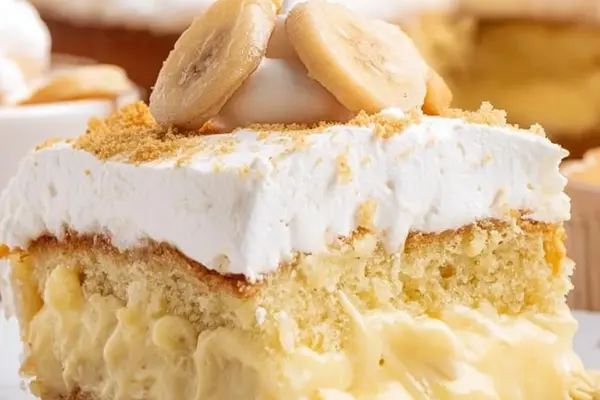
Banana Pudding Cake Remix
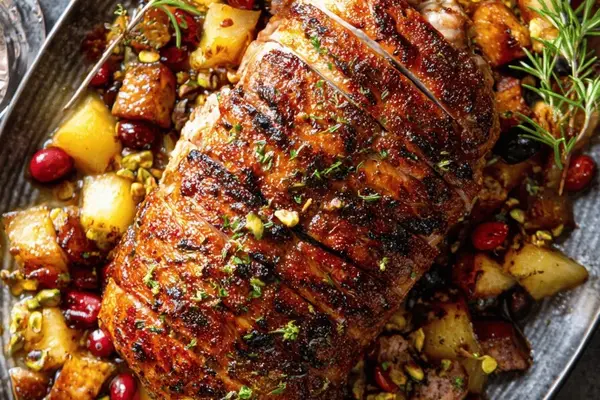
Turkey Pineapple Roast
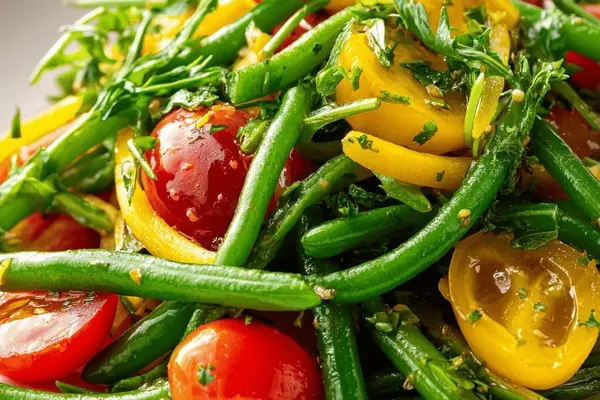
Yellow Bean Rocket Salad
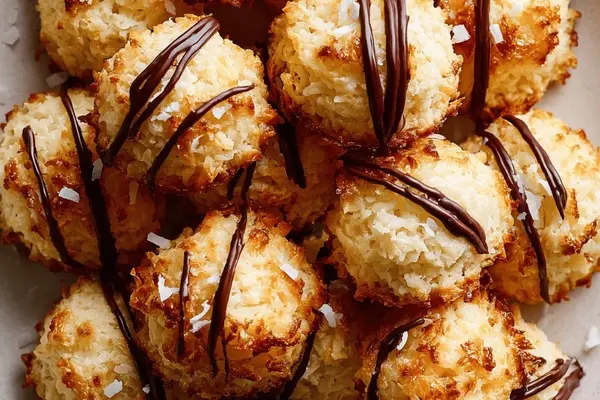
Coconut Macarons Vegan

Crispy Chicken Croquettes
Blackberry Buckle Twist
Southern Collard Greens Revival

Twisted Limoncello Spritz
Butter Shortening Frosting
Beef Noodles Remix
Blueberry Angel Food Trifle
Oat Sunflower Burgers
Slow Cooker Italian Beef

Cherry Chocolate Chip Cookies

Jasmine Tapioca Kiwi

Reinvented Samosas Without Frying
Snickers Apple Salad