Lemon Arugula Tortellini Skewers
E
By Emma
Certified Culinary Professional
•
Recipe tested & approved
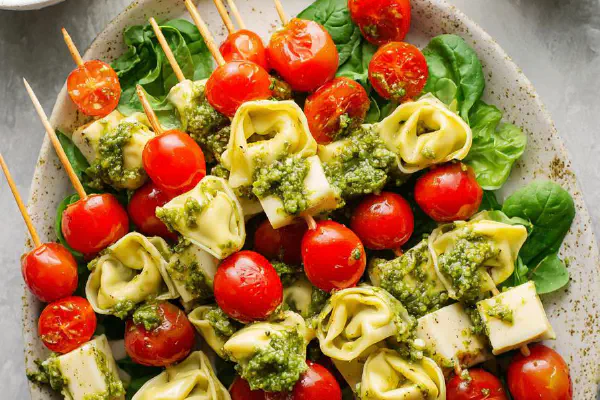
Tortellini twisted with a tangy lemon-arugula pesto rather than spinach. Cooked al dente then chilled immediately to hold shape. Layered on skewers with cherry tomatoes and creamy bocconcini balls swapped for fresh mozzarella pearls. A handheld bite with contrasting textures—soft pasta, juicy tomatoes, chewy mozzarella. The pesto swaps basil for peppery arugula, adding a sharper edge. Olive oil adjusted for drizzle consistency. Quick to assemble, ideal for warm weather or casual gatherings with dipping sauce at center stage.
Prep:
12 min
Cook:
12 min
Total:
24 min
Servings:
16 skewers
#Italian-American
#appetizer
#skewers
#pesto
#summer food
#party bites
Before You Start
Cooked tortellini always tricky. Overdo it, mushy blobs that dissolve off skewers. Learned my lesson early—blanch, shock cold, drain like a pro. Pesto swap here; arugula brings punch where spinach fades. Lean pine nuts over walnuts for nutty depth, toasted right. Mozzarella pearls traded for fresh, creamier bite. Skewers stacked—not random—to keep each mouthful balanced. Bright lemon zest screams summer. This makes a laid back appetizer a conversation piece with texture contrasts and creamy pockets. Skewering tricks matter to not lose that perfect bite. Pesto consistency not runny, but spreadable. Takes about 25 minutes but time flexible by watching colors and feels. Aromas lead you more than timers.
Ingredients
- 1 package refrigerated cheese tortellini 19-20 ounces
- 1 pint cherry tomatoes
- 8 ounces fresh mozzarella pearls (bocconcini substituted here)
- 2 cups fresh arugula leaves packed
- 1 garlic clove minced
- 1/4 cup toasted pine nuts
- 1/4 cup grated Parmesan cheese
- 1 small lemon zested and juiced
- 1/3 cup extra virgin olive oil (plus more if needed)
- Salt to taste
- Freshly ground black pepper to taste
- 16 wooden skewers soaked in water 30 minutes
In The Same Category · Appetizers
Explore all →
Chorizo Baked Oysters
Grilled Pitas with Green Veggies
Spiced Pumpkin Deviled Eggs
Smoky Crab Bake Toast
Buffalo Chicken Nachos Remix

Crunchy Blue Cheese Olives
Sheet Pan Chicken Nachos
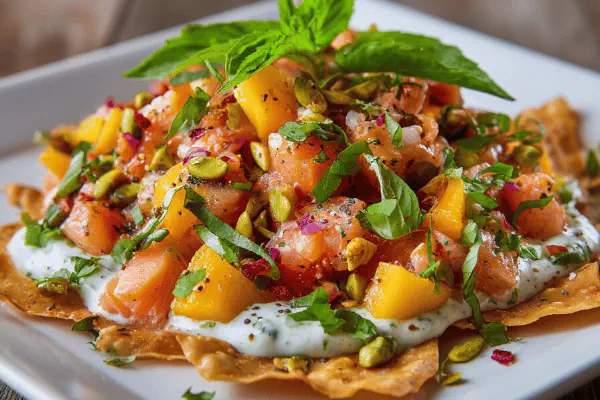
Salmon Mango Tartare Curry Sauce
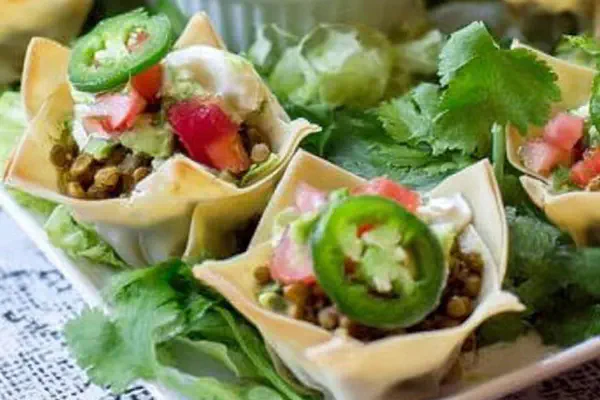
Lentil Wonton Tacos Remix
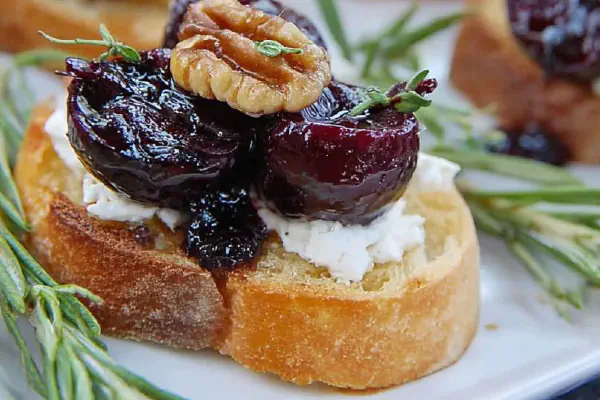
Balsamic Cherry Crostini Twist
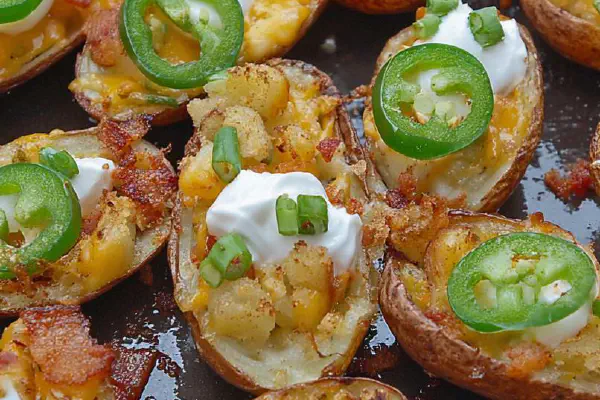
Jalapeño Popper Potato Skins
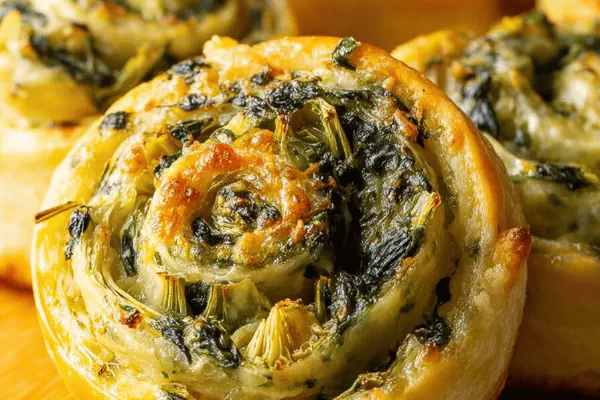
Spinach Artichoke Pinwheels
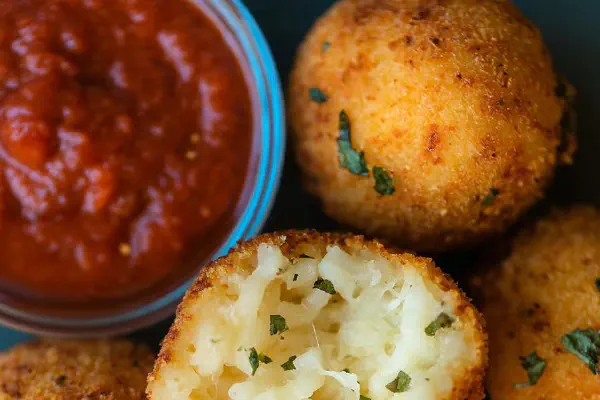
Cheesy Basmati Arancini
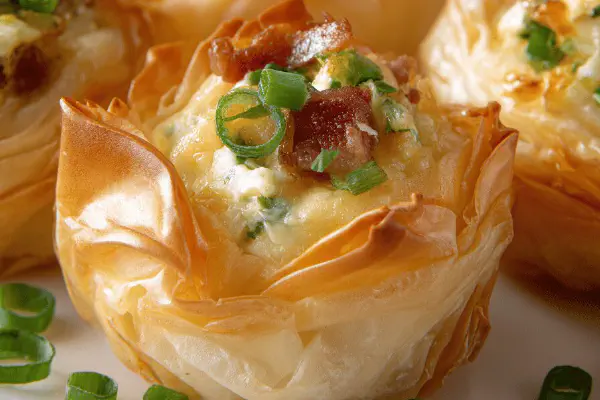
Savory Jalapeño Pastry Poppers
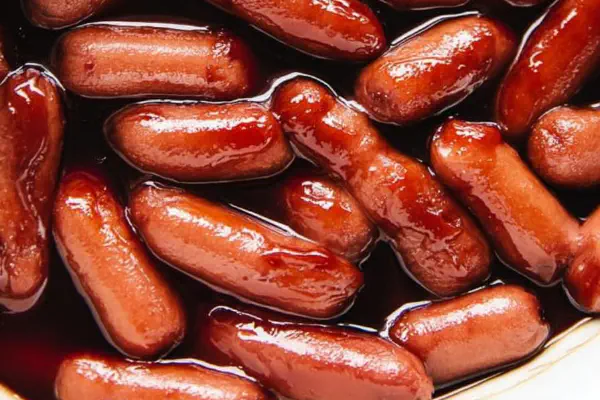
Smoky Sweet Little Smokies
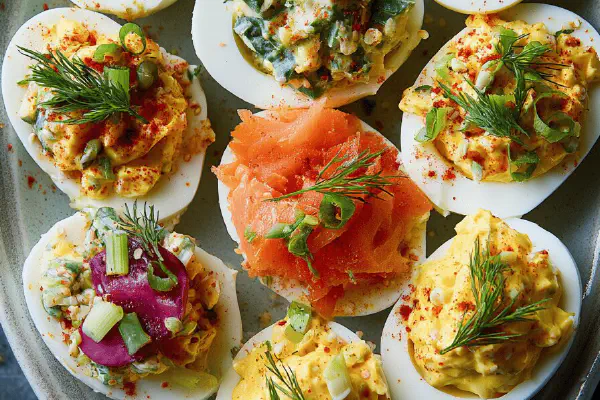
Festive Deviled Egg Platter
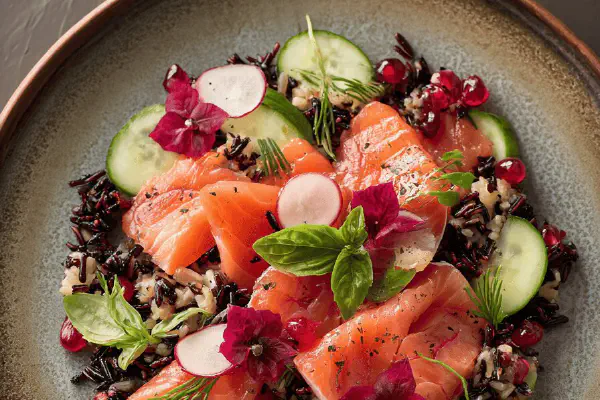
Omble Crudo Cranberry
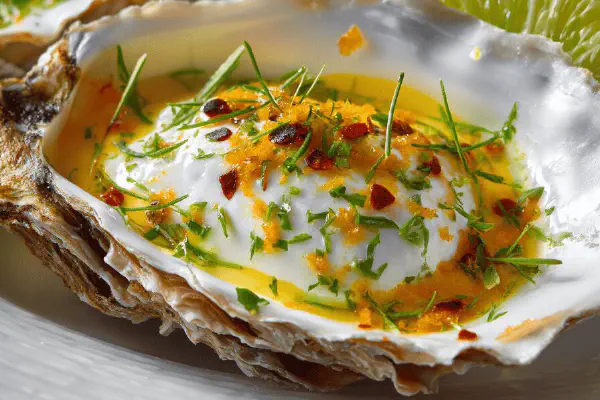
Citrus Oyster Gratin Twist
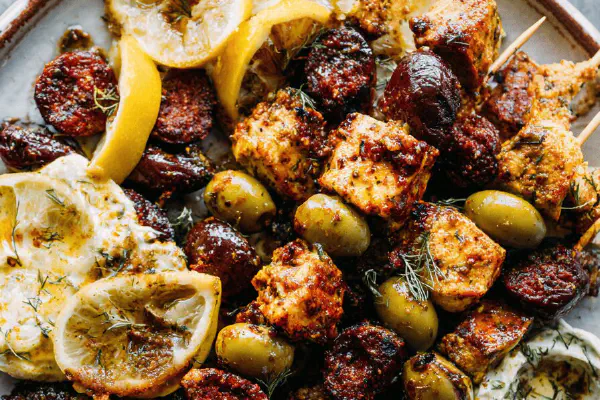
Chicken Chorizo Olive Skewers
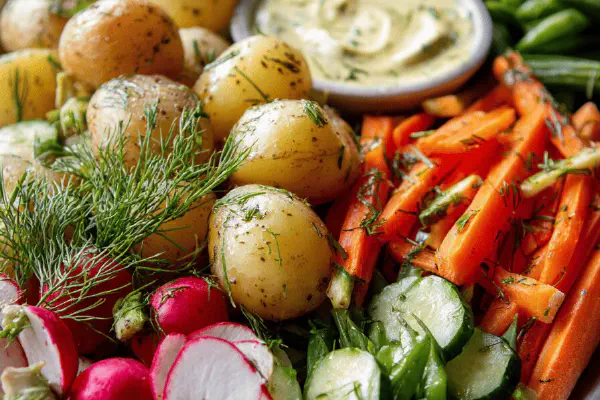
Vegetable Platter with Garlic Aioli
About the ingredients
Tortellini quality is key; fresh refrigerated preferred for texture. If none, frozen okay but cook carefully, skip to cold rinse fast. Cherry tomatoes with intact skins are better—avoid bruised or overly soft. Fresh mozzarella pearls best sourced from deli or specialty stores for milky texture. Bocconcini is great if pearls unavailable but cut into bite sizes and dry before skewering. Arugula over spinach for sharper flavor; baby kale or watercress could substitute but adjust lemon to balance bitterness. Toast pine nuts until fragrant; burnt nuts ruin pesto. Lemon zest critical for brightness; fresh juice over bottled always. Olive oil choice matters—go good quality cold pressed for true flavor depth. Salt and pepper added sparingly then adjusted after tasting pesto. Wooden skewers must soak 30 minutes minimum to avoid flame smokiness if grilling. If no food processor, mortar and pestle patience needed or finely chop ingredients and whisk oil in.
Method
- Bring a large pot of water to a rolling boil. Salt it generously; pasta needs flavor. Toss in tortellini and cook per package but shave off 1-2 minutes to keep firm. When tender but still slightly resistant to bite, drain immediately.
- Rinse under cold running water to stop cooking dead cold fast — crucial. Let sit in colander to drain thoroughly. Damp tortellini slips and falls off skewers if wet. Leaving water clinging is a rookie mistake. Dry, cool, ready.
- Meanwhile, blitz arugula, garlic, pine nuts, Parmesan, lemon zest plus juice in food processor until finely chopped but not pureed. Drizzle olive oil gradually while running machine till combined but slightly chunky. Should spread easily but not puddle. Adjust oil to consistency — remember it thickens when chilled. Salt and pepper at end, taste, tweak.
- Poke skewer through layered assembly - first tortellini, then tomato, mozzarella, tomato, and one last tortellini. Tightly packed but gentle pressure so ingredients don’t split or swallow skewer.
- Arrange on platter. Spoon lemon-arugula pesto into center bowl. Serve promptly. Pesto can be made ahead; refrigerate covered. Let come to room temp before serving to release aroma.
- Listen to the slight pop as tomatoes meet skewer, smell sharp lemon zest mingle with peppery arugula while piercing mozzarella’s milky softness. Visual contrast of bright green pesto with reds and whites invites digging in.
- If lacking fresh mozzarella, cubed feta works as a salty tang alternative, though texture different. For pine nuts missing? Toasted walnuts or almonds—you want crunch and earthiness to cut lemon.
- Avoid overcooking tortellini; floppy pasta ruins bite and skewering mess. Cold rinse immediately. Dry skewer spaces quickly between bites or sauce will drip, waste, dilute impact.
- Make pesto thicker than you think. Oils steady when chilled, olive oil separates if too thin and oily. Coarse pesto texture retains personality, no need to blend silky smooth here.
- If short on wooden skewers, use metal ones but note heat retention. Wooden soaked prevents burning when grilling, but here cold serving, not grilling, so no worries.
- Pesto flavor improves a bit after resting an hour or more but still bright if fresh served.
- Tomatoes—choose firm cherry or grape varieties. Soft tomatoes get crushed on skewering. Cherry tomatoes have skin snapping under bite, not mushy pulp.
- Mozzarella pearls small so layers balance bite size; big chunks overwhelm. If large sub, cube uniformly and drain well to avoid wetting pasta.
- Keep an eye on aroma while blending pesto; over-processing brings out bitterness. Stop just before it turns dark green.
- Skewers best assembled little before serving; too long and moist ingredients compromise pasta texture.
- A sprinkle of flaky salt on finished skewers sharpens flavors when plating for guests.
- Serving suggestion: chilled or room temperature. Fresh, invigorating—not heavy.
- Leftovers: store pesto separately, tortellini dry and cool wrapped. Reassemble just before party continues.
Cooking tips
Heating water salted heavily is the first flavor step. Cooking tortellini to exact doneness requires feeling resistance with pressing between fingers—firm but yielding. Immediate cold water bath stops starch overgelling preventing gluey pasta stuck on skewers. Drying pasta well is non-negotiable—wet pieces cause shredded sloppy bites. Combining pesto ingredients in food processor in order matters: dry to wet, nuts and greens first, garlic minced small. Drizzling olive oil slowly while mixing controls texture; adding too fast causes oil to separate. Salt and pepper added last avoid masking fresh herb brightness. Skewering layers balanced by size and firmness—start and end with tortellini for stability. Nestle tomatoes and mozz gently but firmly, avoid tearing skins which release juice prematurely. Final platter presentation with pesto in center bowl invites dipping and color contrast. Clean up efficient: wash processor blade immediately to prevent pesto stuck. Leftover pesto refrigerated in airtight container keeps a few days but best fresh. Timing flexible if chilling pesto in fridge before assembling. Learn to trust senses over timers—look for vibrant green pesto, firm tortellini with no sag, and popping tomato skins.
Chef's notes
- 💡 Cook tortellini firm, shaved a minute or two from package time. Firmness means no mush, holds on skewers better. Cold rinse immediately stops cooking and pulls heat fast. No wet pasta on skewers or ingredients slip right off. Dry thoroughly—use colander air dry or paper towels even. Damp pasta equals frustration at serving.
- 💡 Pesto texture’s key. Don't puree fully—fine chop with bite left. Olive oil drizzled slowly while mixing. Too thin and it separates chilled; too thick and it clumps. Adjust in small increments then taste salty, peppery at end. Lemon zest sharpens, juice freshens but too much juice makes pesto watery. Keep it chunky; it holds texture contrast on skewers.
- 💡 Skewer layering matters: tortellini start and end hold structure; tomatoes need gentle handling, no crushing skin or juice leaks, keep them firm. Mozzarella pearls small for balance—big cubes overwhelm. Alternate carefully so each bite balanced soft pasta, juicy tomato, creamy cheese with bright pesto punch. Press too hard? Ingredients split or juice escapes—too loose, skewers fall apart.
- 💡 If fresh mozzarella unavailable, use cubed feta for salty tang, drier texture. Missing pine nuts? Toasted walnuts or almonds give crunch and earthiness that cuts through lemon brightness. Toast nuts carefully; burnt nuts ruin flavor fast. Use any leafy green substitute for arugula with caution—baby kale or watercress slightly bitter, adjust lemon to avoid overpowering.
- 💡 Wooden skewers soaked at least 30 minutes prevents burning if grilling; here cold skewers fine untreated but soaking helps rigidity. Metal skewers retain heat if grilling but cool otherwise. Assemble skewers shortly before serving; long sit moistens pasta and mushes pesto layer. Keep pesto covered and refrigerated if made early, bring to room temperature for aroma and smooth spread.
Common questions
How to avoid soggy skewers?
Rinse tortellini cold and dry completely. Use firm tomatoes only. Let pesto thicken; watery sauce makes everything slip off. Layer tight but gentle. Keep assembled time short.
Can I substitute nuts in pesto?
Yes. Toasted walnuts or almonds replace pine nuts. Provide crunch, add rich element. Avoid burnt nuts—taste changes. Mortar and pestle works if no processor. Chop finely and whisk oil in slowly.
What if I don't have fresh mozzarella pearls?
Cut bocconcini small, drain well. Feta cubes add tang but change texture. Avoid wet cheese—excess moisture ruins skewers. Cheese size matters for balance. Consider shredding if in a pinch but less ideal.
How to store leftovers?
Keep pesto airtight in fridge for couple days max. Dry tortellini separate, wrapped. Assemble fresh to avoid sogginess. Skewers do not freeze well; fresh bites best. Bring pesto to room temp before serving to reactivate flavors.
You’ll Love These Too
Explore all →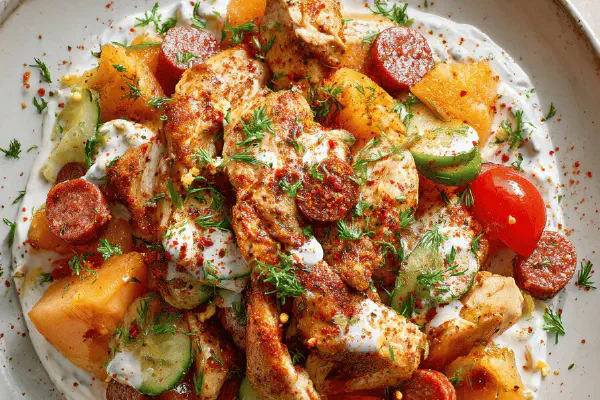
Spicy Chicken with Melon and Chorizo
Nordic Shrimp Avocado Burgers

Ruby Red Jubilee
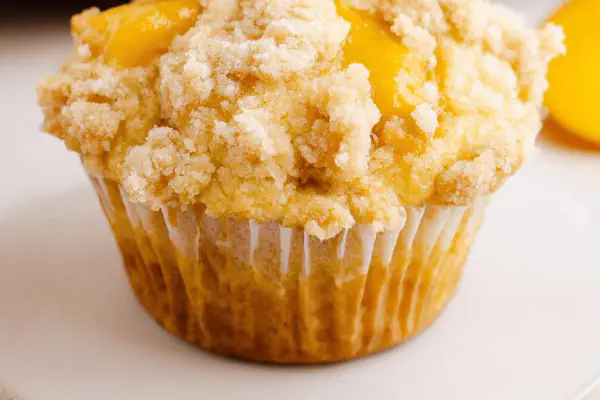
Peach Cobbler Muffins
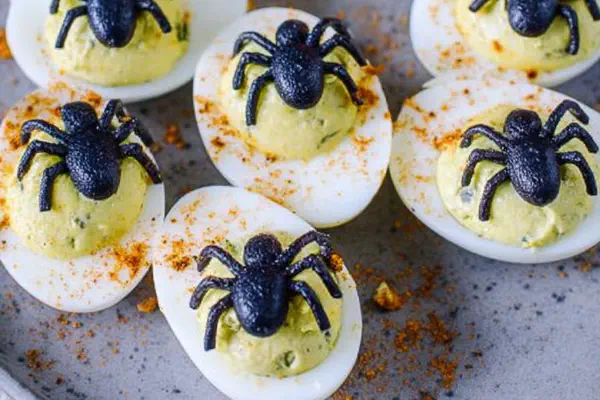
Instant Pot Halloween Deviled Eggs
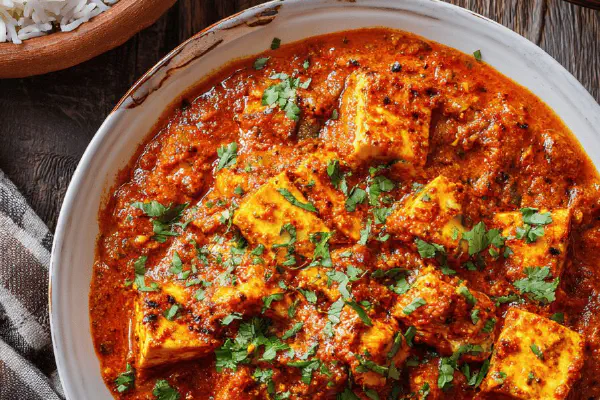
Tofu Butter Chicken Style
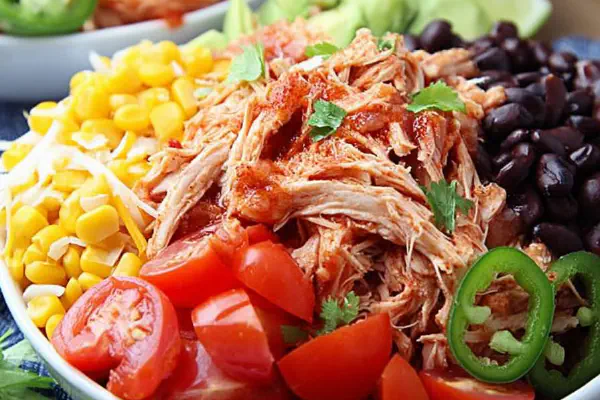
Instant Pot Salsa Chicken Remix
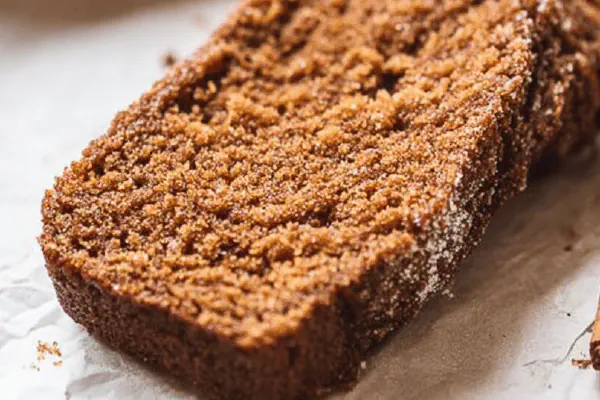
Molasses Gingerbread Loaf
Lemon Raspberry Bars
Crunchy Veggie Salad Remix
Maple-Oatmeal Cookies
Pork Chops Citrus Fennel
Buttered Seasoned Noodles
Vegan Strawberry Shortcakes
Layered Candy Corn Cookies
Caramelized Banana Foil
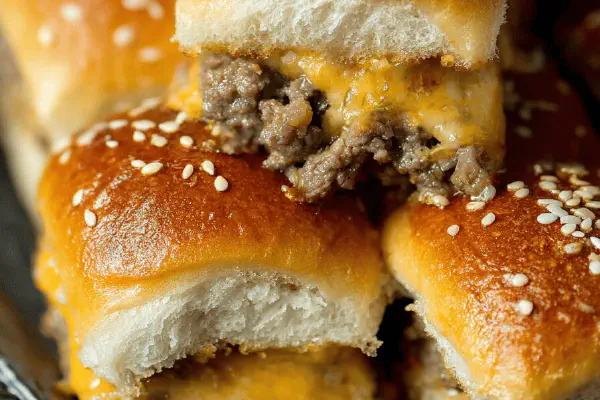
Cheeseburger Sliders Twist
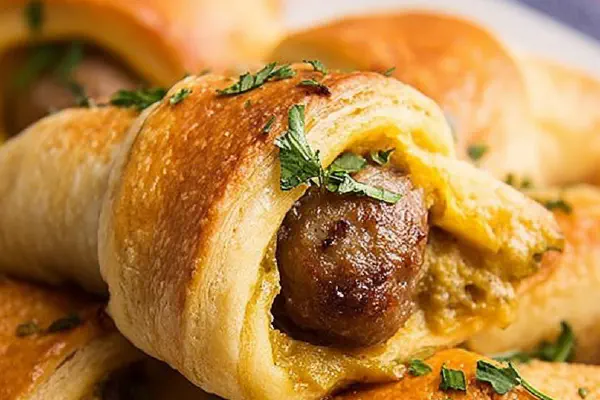
Sausage Egg Crescents
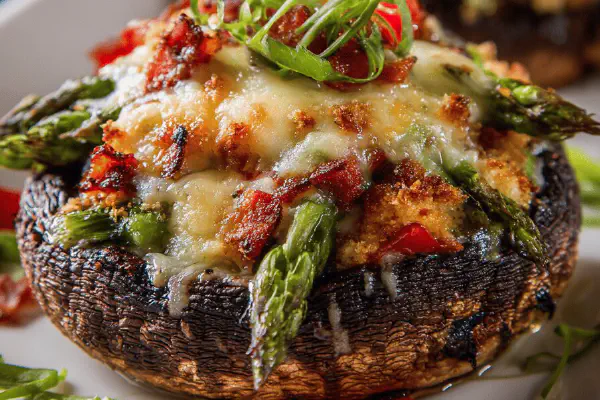
Stuffed Portobello Mushrooms
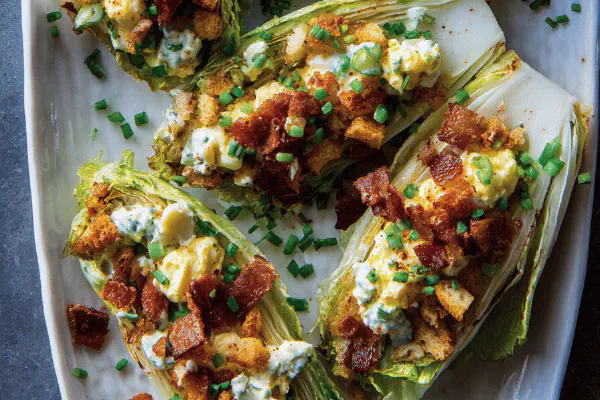
Stuffed Endives with Eggs Bacon