Lemon Herb Chicken Marinade
By Emma
Certified Culinary Professional
·
Recipe tested & approved
Lemon Herb Chicken Marinade uses lemon juice, olive oil, garlic, and fresh herbs to bring bright, punchy flavor. Marinate 2 to 24 hours then grill indirect on medium-high heat until 165°F.
Prep:
5 min
Cook:
30 min
Total:
35 min
Servings:
4 servings
I’ve been grilling chicken for years but this lemon herb chicken marinade finally got me to stop overthinking it. You mix the marinade, you coat the chicken, you wait anywhere from 2 to 24 hours, and then you grill it on medium-high indirect heat until it hits 165°F.
Why You’ll Love This Recipe
- Takes 5 minutes to whisk together. No food processor, no chopping board marathon.
- Fresh parsley, basil and oregano give you that herb marinade punch without tasting like a salad.
- The lemon juice and garlic work together in a way that’s sharp but not sour, which I didn’t expect until I tasted it.
- You can marinate for 2 hours if you’re rushed or 24 if you planned ahead. Both work.
- Grilled chicken comes out with actual flavor soaked into the meat, not just sitting on top.
- Red pepper flakes add a little heat that sneaks up on you halfway through the bite.
The Story Behind This Recipe
I needed a lemon marinade that didn’t require a trip to three stores or a bunch of dried spices I’d use once. Last Tuesday after work I had chicken thighs in the fridge, half a lemon, and a handful of fresh herbs from the farmers market that were starting to wilt.
I threw it all together expecting something decent and ended up with chicken that my roommate asked about twice. The thing I noticed—and I don’t know why this surprised me—is that the olive oil doesn’t just carry flavor, it actually protects the chicken from drying out on the grill even when you go a minute or two past optimal. That’s when I knew this one was going in the rotation.
What You Need
You’ll start with 1/4 cup lemon juice, which is roughly one large lemon or maybe two small ones depending on how juicy they are. The acidity breaks down the surface of the meat just enough to let everything else soak in. Don’t use the bottled stuff if you can help it—it tastes flat and a little chemical.
Then 1/4 cup olive oil, and I’m not saying spend $40 on a fancy bottle, but don’t use the dusty one that’s been sitting in your cabinet since 2019 either. The oil coats the chicken and carries the herbs into every crevice, plus it keeps things from sticking to the grill grates later.
For garlic you need 3 cloves, minced. I use a garlic press because I’m lazy and it gets the job done in 10 seconds. If you skip the garlic the whole thing tastes like lemon water on chicken, so don’t.
Red pepper flakes come in at 1/4 teaspoon, which sounds like nothing but it sneaks up. You want that little tingle, not a fire drill. Then 1 teaspoon Kosher salt and 1/2 teaspoon black pepper—regular table salt works too but you’ll need less because it’s finer.
The herbs are 2 tablespoons fresh parsley chopped, 1 tablespoon fresh basil chopped, and 1 tablespoon fresh oregano chopped. Fresh is non-negotiable here because dried herbs taste like lawn clippings in this marinade. Finally you’ll need 2 pounds chicken pieces, and I used bone-in thighs last Tuesday but boneless breasts work if that’s what you’ve got.
How to Make Lemon Herb Chicken Marinade
Grab a bowl and mix your lemon juice, olive oil, minced garlic, red pepper flakes, Kosher salt, black pepper, parsley, basil and oregano until everything’s combined. It’ll look a little separated at first because oil and lemon juice don’t love each other, but keep whisking and it’ll come together enough.
Toss your 2 pounds of chicken into a large bowl or slide it into an airtight plastic bag—I used a gallon Ziploc because I didn’t want to wash another dish. Pour the marinade over the chicken and then rub it in with your hands, getting it under the skin if you’re using bone-in pieces. Every surface needs to be coated or you’ll end up with bland spots.
Cover the bowl with plastic wrap or seal the bag and stick it in the fridge for at least 2 hours. I left mine for about 6 hours because I made it right after work and didn’t grill until later that night. You can go up to 24 hours if you’re planning ahead, but don’t push past that or the texture gets weird and soft from the acid breaking down the meat too much.
When you’re ready to cook, preheat your grill to medium-high and set it up for indirect heat—that means the flames or coals are on one side and the chicken goes on the other. Pull the chicken out of the marinade and let the excess drip off. Toss the leftover liquid because you’re not using it again.
Put the chicken on the indirect side and listen for that first sizzle when it hits the grates—it should sound like a quiet hiss, not a violent pop. You’re looking at about 30 minutes of cooking time, flipping the pieces every 8 to 10 minutes so nothing burns and everything browns evenly.
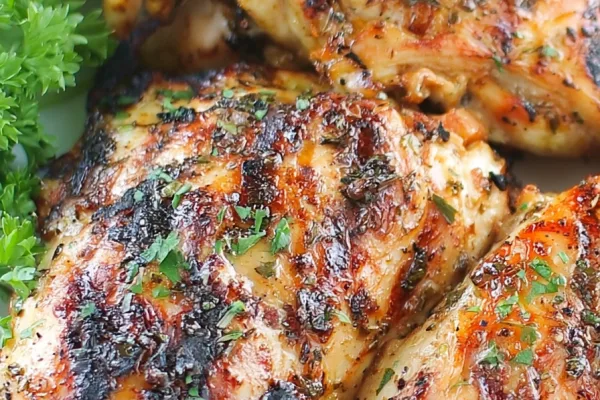
The skin will start crisping up and you’ll see it turning this golden-brown color that smells like butter and herbs. That’s the Maillard reaction doing its thing, which is just a fancy way of saying the surface is caramelizing. When the juices run clear and you hit 165 degrees Fahrenheit on a meat thermometer, you’re done.
Pull everything off and let it rest for 5 minutes before you cut into it. I know it’s tempting to eat it right away but those juices need time to settle back into the meat instead of running all over your cutting board.
What I Did Wrong the First Time
I forgot to rub the marinade under the skin on the thighs and just poured it over the top like I was watering a plant. The meat under the skin tasted fine but not great, and the skin had all the flavor which felt like a waste. When I made it again on Tuesday I actually got my hands in there and worked the herb marinade between the skin and the meat, and that’s when everything clicked. It’s a little gross and slippery but it makes a huge difference in how the flavor sits.

Lemon Herb Chicken Marinade
Prep:
5 min
Cook:
30 min
Total:
35 min
Servings:
4 servings
Ingredients
- 1/4 cup lemon juice
- 1/4 cup olive oil
- 3 cloves garlic, minced
- 1/4 teaspoon red pepper flakes
- 1 teaspoon Kosher salt
- 1/2 teaspoon black pepper
- 2 tablespoons fresh parsley, chopped
- 1 tablespoon fresh basil, chopped
- 1 tablespoon fresh oregano, chopped
- 2 pounds chicken pieces, bone-in or boneless
Method
- 1 Mix lemon juice, olive oil, garlic, red pepper flakes, Kosher salt, black pepper, parsley, basil, and oregano in a bowl until combined.
- 2 Add chicken to the marinade in a large bowl or seal in an airtight plastic bag. Rub marinade thoroughly into the meat so every piece is coated.
- 3 Cover and refrigerate the chicken for at least 2 hours but no more than 24 hours; longer soak deepens flavor but don't go past a day to avoid overly soft texture.
- 4 When ready, preheat your grill to medium-high and prepare for indirect cooking.
- 5 Remove chicken from marinade, discard leftover liquid, and listen for the subtle sizzle as chicken hits the grill surface.
- 6 Place chicken on indirect heat. Expect 30 minutes of cooking, turning occasionally to prevent hotspots, until the chicken's juices run clear and internal temperature hits 165 degrees Fahrenheit.
- 7 Look for the skin crisping and a golden-brown color that signals the Maillard reaction is in full effect.
- 8 Pull chicken off the grill and let it rest at least 5 minutes to let the juices redistribute, which keeps the meat juicy and flavorful.
Nutritional information
Calories
280
Protein
26g
Carbs
2g
Fat
18g
Tips for the Best Lemon Herb Chicken Marinade
Don’t shake the bag too hard when you’re coating the chicken because the herbs clump up in one corner and you end up with uneven distribution. I learned that Tuesday when half my thighs had basically no basil on them. Instead, massage the marinade in with your hands for about 30 seconds per piece.
If you’re using bone-in chicken, flip the pieces skin-side down in the marinade first so the underside gets a head start on absorbing flavor. The skin acts like a barrier and the meat underneath needs extra contact time.
Your grill grates need to be clean or the herb marinade will stick and tear the skin when you try to flip. I scrape mine down with a wire brush while they’re still hot from preheating, then oil them lightly with a paper towel dipped in vegetable oil.
When you pull the chicken out of the fridge, let it sit on the counter for about 15 minutes before it hits the grill. Cold chicken straight from the fridge cooks unevenly because the outside chars before the inside warms up, and I’ve had too many pieces that were 165 degrees Fahrenheit on the edges but still cold near the bone.
The smell changes halfway through cooking—it goes from raw and acidic to this roasted garlic and lemon thing that’s almost sweet. That’s when I know I’m about 10 minutes from done even before I check the thermometer.
Serving Ideas
I put mine over a big pile of arugula with halved cherry tomatoes and shaved parmesan, then drizzled the whole thing with balsamic because the peppery greens cut through the richness. My roommate ate it with plain white rice and said the juices from the grilled chicken soaked into the grains and made it taste like pilaf without any effort.
It’s also good cold the next day, sliced thin and stuffed into a pita with cucumber, red onion and tzatziki. The lemon marinade holds up even when the chicken’s been in the fridge overnight, which surprised me because I usually hate leftover poultry.
Variations
You can swap the chicken thighs for salmon fillets but cut the marinating time down to 30 minutes max or the acid turns the fish mushy. I tried it with a thick piece of salmon last month and it worked but you have to watch it close.
If you want more heat, double the red pepper flakes to 1/2 teaspoon and add a pinch of cayenne. I did that once when I had friends over who like spicy food and it still tasted like a lemon herb marinade, just with a longer burn at the end.
Lime juice instead of lemon gives you a sharper, almost tropical thing that’s good if you’re serving it with rice and beans. The flavor profile shifts just enough that it feels like a different recipe even though you’re using the same technique.
You can throw in a tablespoon of Dijon mustard to the marinade if you want it creamier and a little tangy, but it changes the color to this pale yellow that doesn’t look as fresh.
FAQ
Can I use dried herbs instead of fresh?
You can but it won’t taste the same—dried herbs get bitter in the lemon marinade and they don’t release their oils the way fresh ones do. If you’re stuck, use half the amount and expect a flatter flavor.
How do I know when the chicken is done without a thermometer?
Cut into the thickest part and check if the juices run clear, not pink. The meat should be opaque all the way through. I don’t recommend skipping the thermometer though because guessing gets you dry chicken or undercooked centers.
Can I marinate the chicken for less than 2 hours?
You can but the flavor won’t penetrate much past the surface. I’ve done 45 minutes in a pinch and it was fine but not worth writing about.
What if I only have bottled lemon juice?
It’ll work but it tastes flat and a little chemically sharp. Fresh lemon juice has this brightness that bottled stuff just doesn’t have, and you’ll notice it in every bite.
Can I use this marinade on chicken breasts instead of thighs?
Yes but breasts dry out faster so pull them at exactly 165 degrees Fahrenheit and don’t leave them on the grill an extra minute. Thighs forgive you if you go a little over, breasts don’t.
Do I need to pierce the chicken before marinating?
No, and don’t do it because you’ll lose juices when it cooks. The acid in the lemon breaks down the surface enough to let the herb marinade in without stabbing holes everywhere.
Can I reuse the leftover marinade as a sauce?
Absolutely not—it’s been sitting with raw chicken for hours and it’s full of bacteria. If you want a sauce, make a double batch and set half aside before the chicken touches it.
How long does marinated chicken last in the fridge?
If it’s raw and marinated, use it within 24 hours or the texture gets mushy. If it’s cooked, it’ll keep for 3 to 4 days in an airtight container.
Can I freeze chicken in the marinade?
You can and it actually works well because the chicken marinates while it thaws. Put it in a freezer bag, freeze for up to 3 months, then thaw in the fridge overnight before grilling.
What if my grill doesn’t have an indirect heat zone?
Move the chicken to the coolest part of the grill and keep the lid closed as much as possible. You’ll need to watch it closer because hot spots will try to burn the skin before the inside cooks.
Why is my chicken sticking to the grill grates?
Either your grates are dirty or you flipped too early. Let the chicken sit undisturbed for at least 4 minutes before you try to move it—it’ll release naturally once the surface sears.
Can I broil this instead of grilling?
You can but you lose the smoky char and the flavor’s not as deep. Set your oven to broil, put the chicken on a wire rack over a sheet pan, and cook about 6 inches from the heat source for roughly the same time.
What’s the best way to mince garlic for this?
A garlic press is fastest and it breaks the garlic down into tiny bits that distribute evenly. If you chop it with a knife you’ll get chunks that burn on the grill and taste bitter.
Can I add other herbs like thyme or rosemary?
You can but rosemary’s really strong and it’ll take over the whole thing. If you use it, cut it back to 1 teaspoon chopped and expect a different flavor entirely.
Why does my chicken taste sour?
You either used too much lemon juice or marinated it past 24 hours. The acid keeps working and eventually it overpowers everything else, especially if you went heavy-handed on the citrus.
Can I make this marinade ahead and store it?
You can mix it and keep it in the fridge for 2 days before you use it, but the herbs will start turning brown and losing their punch. It’s better to make it fresh right before you marinate the chicken.
What if I don’t have red pepper flakes?
Leave them out and the chicken will still be good, just missing that little tingle of heat. You could add a pinch of cayenne or black pepper but it’s not the same slow burn.
How do I keep the chicken from drying out on the grill?
The olive oil in the marinade helps but don’t cook it past 165 degrees Fahrenheit and don’t skip the resting time. Those 5 minutes off the heat let the juices settle back into the meat instead of running out when you cut it.
You’ll Love These Too
Explore all →
Mango Sorbet with Lime Juice & Agave
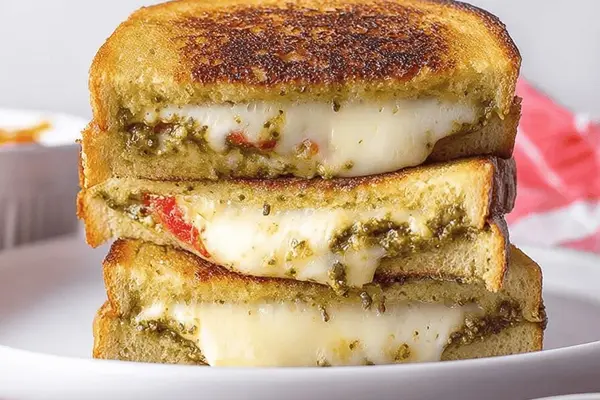
Pesto Pine Nut Grilled Cheese with Jarlsberg

Peach Cupcakes with Cream Cheese Frosting

Thai Peanut Noodles with Tahini Sauce

Recipe For Chicken For Tacos
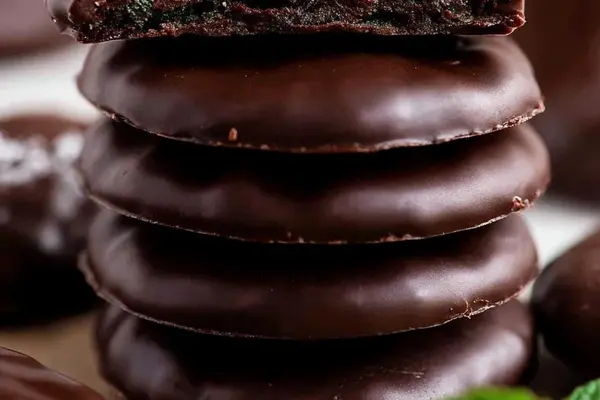
Mint Chocolate Crisps with Peppermint Extract
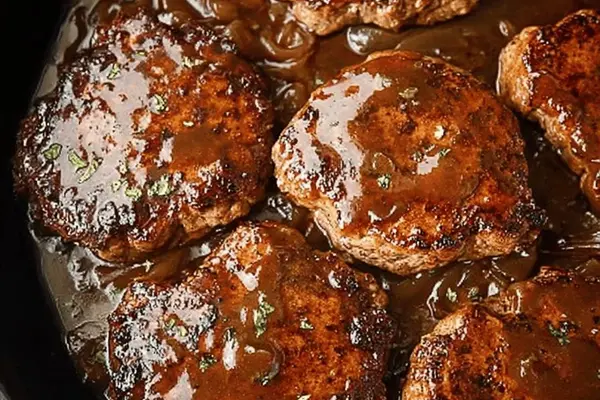
Salisbury Steak Recipe with Onion Gravy
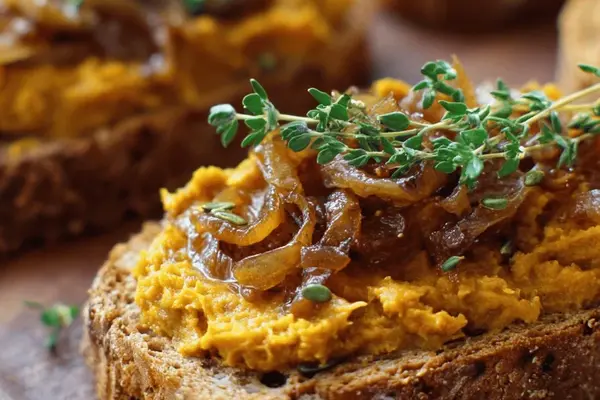
Caramelized Onion Veggie Pâté Recipe
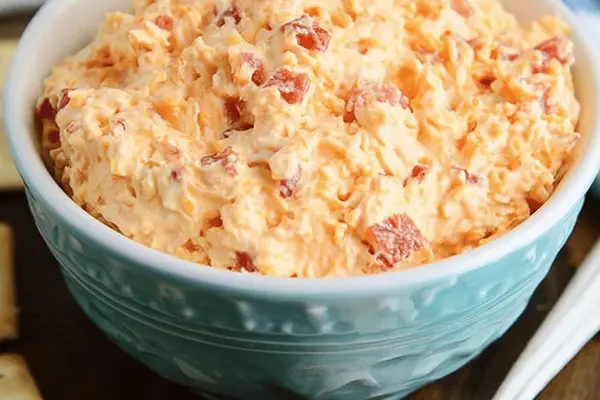
Pimento Cheese with Manchego and Smoked Paprika
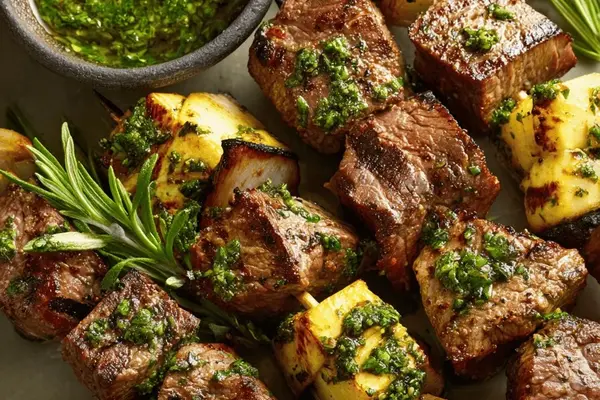
Herbed Pork Beef Skewers with Sage & Coriander

Bleeding Blonde Beer Cocktail Recipe
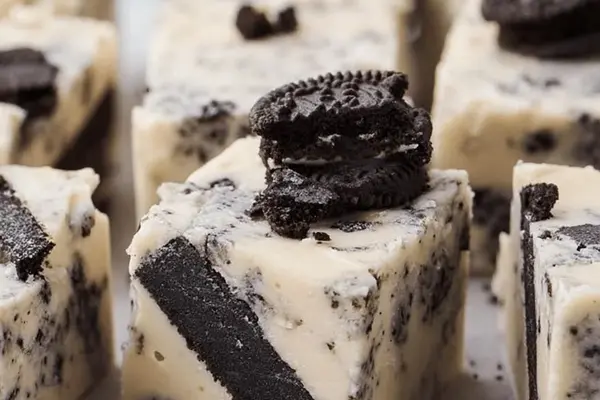
Sundae Cookie Fudge with Oreos
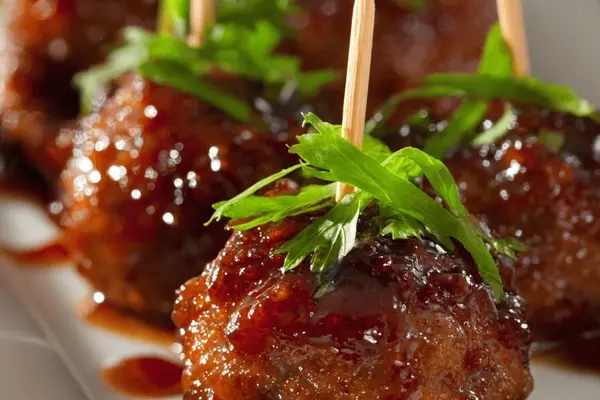
Cocktail Meatball Recipe with Tangy Sauce
Strawberry Short Cake with Mousse
Green Minestrone Soup with Kale & Zucchini
Easy Minestrone Soup
Seared Scallop Orange Salad with Tulip Petals
Homemade Pear Butter with Lemon Juice
Charred Broccolini with Garlic & Red Wine