Lemon Ricotta Fritters

E
By Emma
Certified Culinary Professional
•
Recipe tested & approved
Light ricotta fritters with a zing of lemon zest and a hit of sharp pecorino. Crispy outside, tender inside. Sage for earthiness, balanced with salt and baking powder to lift. Fried in shallow oil, quick flips, golden crusts form—listen for the sizzles, smell the citrus hit. Chill the batter first, firm up flavors and texture. Great with aioli or a simple yogurt dip. Swapped all-purpose flour for half almond flour, adds nuttiness and holds moisture. Pecorino swapped with aged gruyere, slightly sweeter and melts beautifully under heat.
Prep:
12 min
Cook:
11 min
Total:
53 min
Servings:
24 servings
#Italian-American
#fritters
#snacks
#cheese
#fried
#ricotta
Before You Start
Ricotta fritters—fleetingly crispy, creamy in the center. With lemon zest they sing bright, sagely notes deep enough to anchor the zing. Fried bites demand attention to textures; too wet batter turns greasy mess, too dry—clunky and dense. Best stuff to use is fresh full-fat ricotta, gives you that fluffy base. Fun to tweak cheese or flour ratios; I swapped half flour for almond in my last batch to lift flavor and cut gluten a bit. Frying oil temp is crucial. The sizzle sound, the golden crust forming, those visual cues beat timers. An underrated snack or starter.
Ingredients
- 1 1/2 cups whole milk ricotta cheese, drained
- 2 large eggs
- 3/4 cup all-purpose flour
- 1/4 cup almond flour
- 1 teaspoon baking powder
- 1 tablespoon fresh sage, finely chopped
- 1/2 teaspoon kosher salt
- 1 teaspoon lemon zest, finely grated
- 1/3 cup finely grated aged gruyere cheese
- Vegetable oil for frying
In The Same Category · Appetizers
Explore all →
Sticky Tofu Bites Ginger Peanut
Buffalo Chicken Nachos Remix
Marinated Italian Eggplants
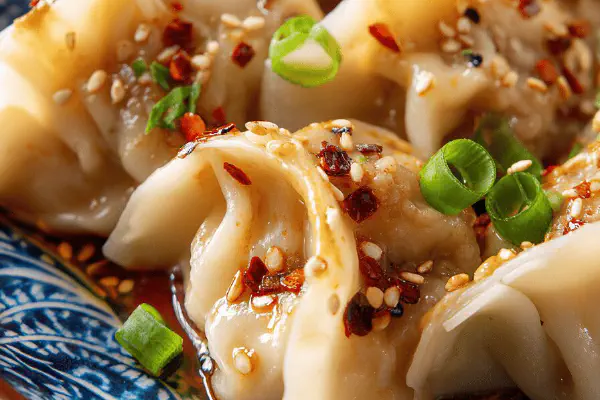
Pork Dumplings with Spicy Peanut Sauce
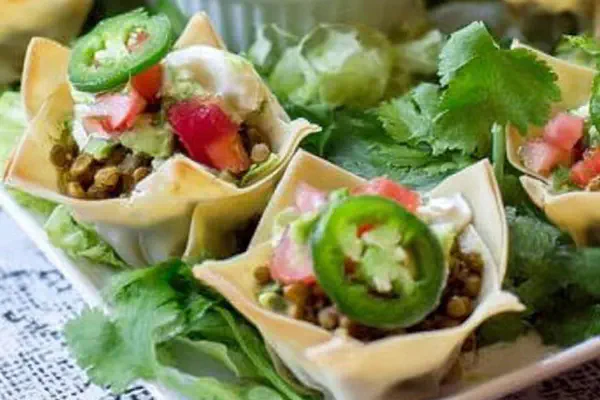
Lentil Wonton Tacos Remix
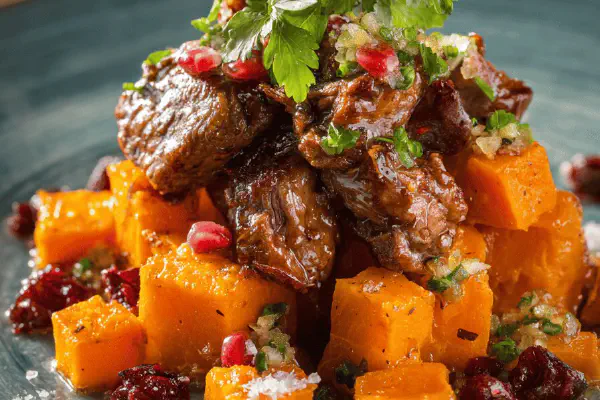
Roasted Squash Lamb Canapés
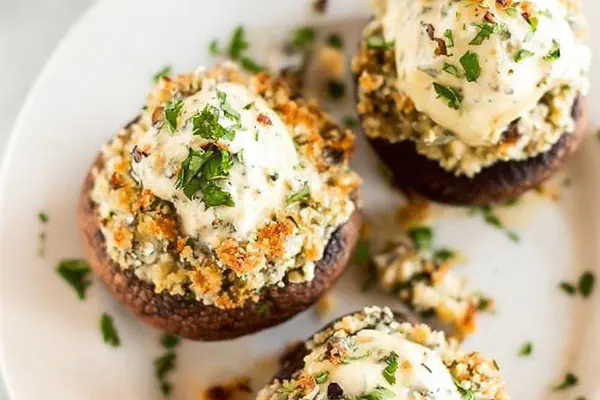
Stuffed Mushrooms Twist
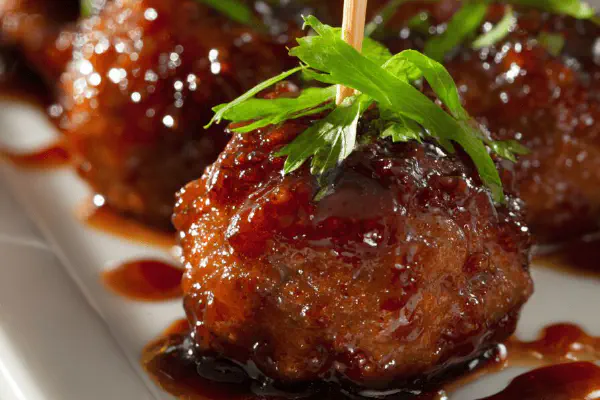
Veal Bites in Spicy Glaze
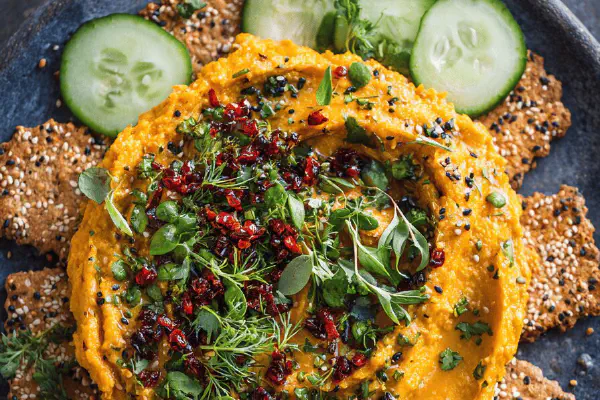
Parmesan Pumpkin Purée Bite
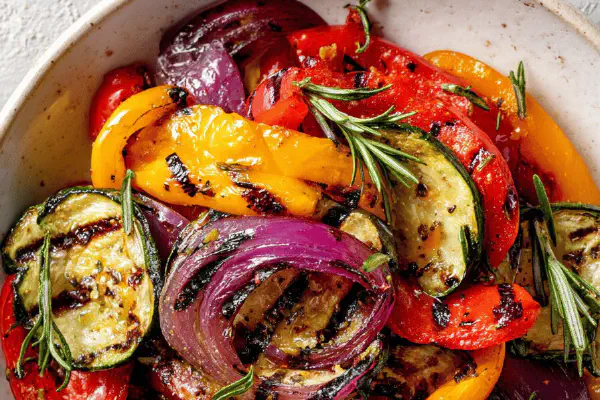
Smoky Marinated Veggies
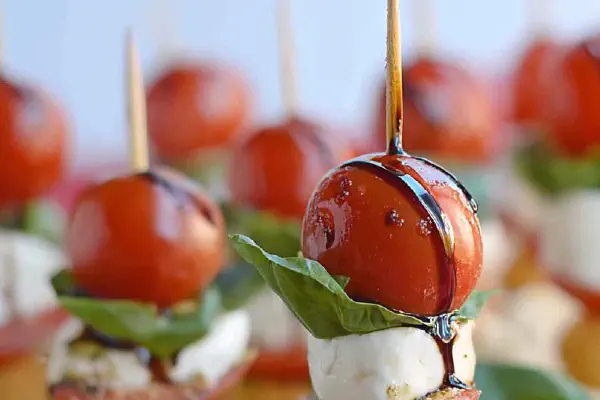
Caprese Skewers Remix
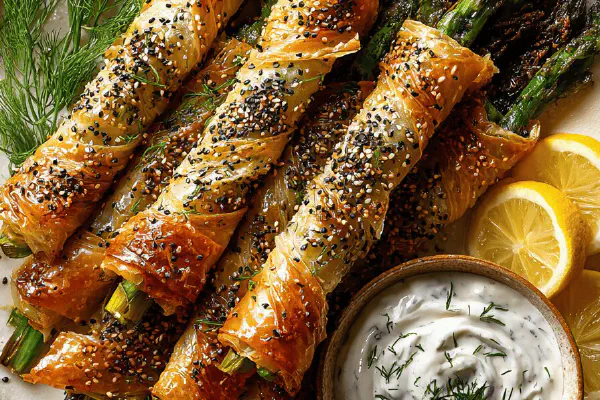
Crunchy Wrapped Asparagus
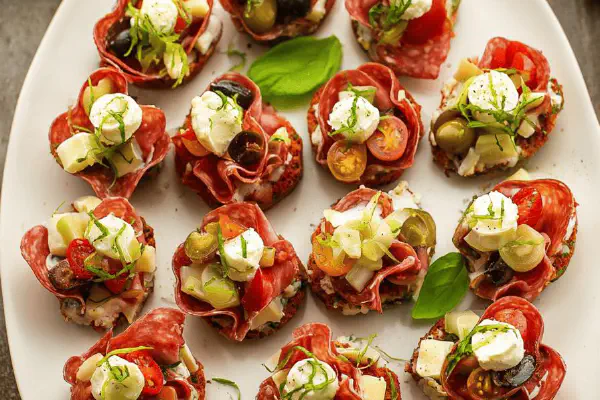
Crispy Salami Cups
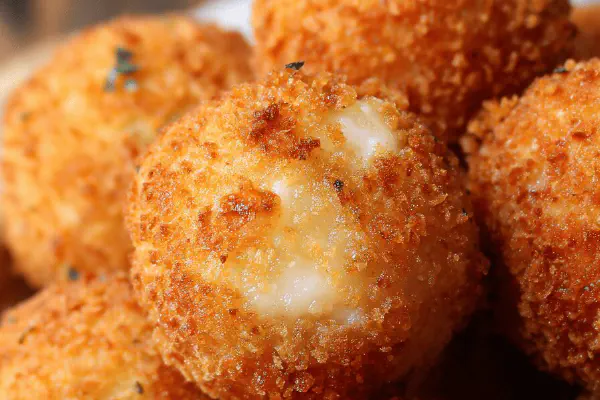
Cheesy Risotto Arancinis
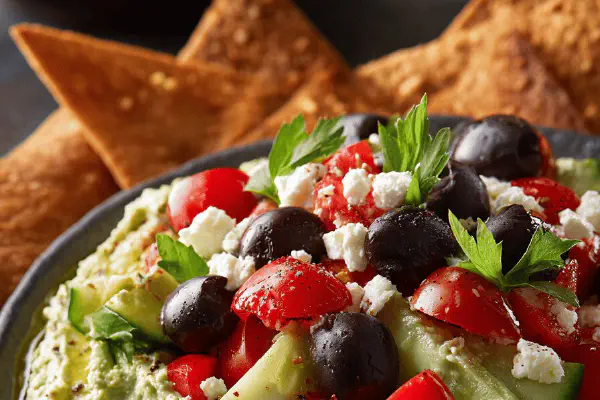
Mediterranean Avocado Dip
Cheesy Chile Relleno Bites
Slow Cooker Cranberry Meatballs
Gluten-Free Tuna Fritters
Tomato Ricotta Tartlets
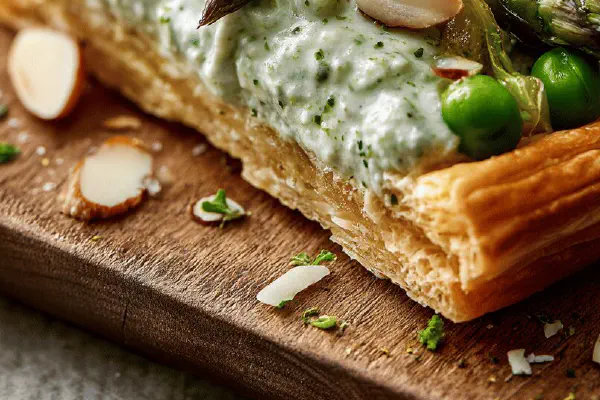
Asparagus Pea Puff Tart
About the ingredients
Ricotta must be well-drained. Water-ridden ricotta kills texture and makes batter loose—strain in cheesecloth for 30 minutes if needed. Flour combo matters; all-purpose alone works but mixing in almond flour adds nuttiness and lighter crumb. Baking powder lifts fritters. Sage chopped finely, fresh only. Too big bits overwhelm but you want hints of herbal depth. Pecorino romano robust and salty, swapped here for gruyere which melts better and tames saltiness slightly. If gruyere missing, hard sheep’s milk cheeses semi-firm work too. Lemon zest fresh, bright—don’t substitute with juice, ruins balance and batter consistency. Use flaky salt when serving. Regular table salt is harsh.
Method
- Start whipping ricotta and eggs in a large bowl or mixer until perfectly smooth. No lumps—helps batter bind and airy. Takes about 1-2 minutes, watch texture.
- In another bowl, toss flours, baking powder, chopped sage, salt together. Sage adds woody scent, don’t skip, but finely chopped for subtle bursts.
- Fold dry mix gradually into wet ricotta combo. Don’t overmix—stop when just combined. Overworking toughens fritters. Then fold lemon zest and grated gruyere in last. Zest bright, gruyere sharp, melts inside golden crusts after frying.
- Cover bowl, slap in fridge minimum 25 to 30 mins. Chill lets flour hydrate, batter firms up slightly, easier to shape. Tried skipping chill before—batter too wet, fritters fall apart in pan.
- Pour about 1-inch vegetable oil in large skillet, medium heat. Test: sprinkle tiny batter; it should instantly sizzle and float up, not burn fast. Too cold → greasy soggy fritters. Too hot → dark outsides, raw middles.
- Scoop tablespoon or small cookie scoopfuls batter gently into oil. Don’t overcrowd pan; space for flips, crisping.
- Fry each side 1½ to 2 minutes until golden brown with crunchy crust. Watch edges curl slightly and bubble sound slow down—signs it’s ready to flip.
- Flip carefully with metal spatula or slotted spoon, avoid breaking. Second side less time, 1 minute usually.
- Drain on wire rack over baking sheet to keep crisp, not soggy. Keep warm in oven set to 200°F if needed, but best fresh out of pan.
- Dust with flaky sea salt just before serving. Cuts richness, lifts flavors. Serve with tart yogurt or garlic aioli for contrast.
- If gruyere not on hand, aged asiago or manchego also work. Almond flour substitution adds texture and cuts gluten if needed.
- Trouble with greasy fritters? Oil temp too low or overcrowding pan usually culprit. Patience and space are everything here.
Cooking tips
Whipping ricotta and eggs smooth matters for batter cohesion—don’t just stir or lumps stay. Dry ingredients whisked separately prevents clumps of baking powder which would taste metallic. Folding gently keeps fritters tender. Overmix = tough fritters. Chilling firms batter, crucial step; skips at your peril. Heat oil medium, not high. Test heat by dropping tiny batter blob; instant sizzle without smoking says ready. Don’t fry too many at once—crowded pans cool oil, fritters soak oil, greasy. Fry each side golden with visual cues: edges crisp, bubbles slow down. Flip carefully to keep shape. Drain fritters on wire rack to prevent sogginess from trapped steam. Keep warm oven trick useful if making batches. Sprinkle flaky salt just before serving for best layer of salt crunch.
Chef's notes
- 💡 Ricotta must be drained really well. I strain overnight in cheesecloth or at least 30 minutes minimum. Watery ricotta kills batter consistency; fritters spread out, soggy insides. Avoid lumps by whipping ricotta and eggs until total smooth. Takes about 1-2 minutes. No lumps means batter sticks together better. Dry ingredients whisked separately stop baking powder in clumps which taste weird and metallic. Fold gently - tough fritters come from over mixing. Add zest and cheese last, fold only lightly.
- 💡 Batter chilling is no joke. At least 25 minutes in fridge. Fat binds, flour hydrates, flavors meld. Tried skipping chill once - fritters fell apart and spread in hot oil. Chilling firms mix so spoonfuls hold shape when frying. Even 30 minutes more helps. Temperature of oil critical - test with tiny batter drop. Should sizzle loud and float quickly, no black burn. Too hot scorches outsides raw center, too cold absorbs oil, heavy greasy bites. Adjust heat mid-fry if needed.
- 💡 Oil quantity and pan crowding impact texture. Use about 1-inch oil depth in skillet. Too shallow and fritters touch bottom, no crisp crust. Too much oil wasteful but better than greasy heavy fritters. Don’t overcrowd pan - allows space for flipping and prevents oil temperature drop. Fritters need that consistent medium heat. Watch sound and look for bubbles slowing at edges, slight curl signals ready flip moment. Flip with care - metal spatula or slotted spoon preferred to avoid breakage. Then second side is quicker, usually about 1 minute.
- 💡 Flour swap tips: almond flour replaces half all-purpose flour for nuttiness and moisture retention. Gives lighter crumb but watch batter thickness; too much almond flour means fragile fritters. Gruyere cheese melts better than pecorino I first used, less salty, sweeter. Can swap aged asiago or manchego if missing. Lemon zest must be fresh, finely grated. Avoid zest substitution with lemon juice; messes batter hydration and flavor balance. Use flaky sea salt for garnish only. Table salt harsh here, flakes add crisp salt bursts and crunch.
- 💡 Draining fritters post fry is key. Use wire rack over baking sheet to avoid steam sogginess. A paper towel traps steam and softens crust. Keep warm in low oven (around 200°F) while frying batches. Fritters lose crunch fast once out of oil. If greasy, usually temp too low or overcrowding oil cooled. Turn heat up or fry smaller batches. Scoop sizes matter too – small tablespoons keep cooking even. Larger sized fritters can cook uneven, edges crisp middle raw.
Common questions
How to test oil temperature?
Drop tiny batter bit. Should sizzle instantly and float up. If no sizzle or sinks → oil cold. If burns quickly → too hot. Adjust heat. Watch closely. Temperature controls texture and oil absorption. Oil temp kills the crunch or wrecks insides.
Can I use other cheeses instead of gruyere?
Use aged asiago or manchego. Pecorino romano works but saltier and less melt. Avoid soft cheeses or very moist cheeses. Hard sheep’s milk cheeses semi-firm good substitutes. Each changes final texture slightly, flavor shifts too. Mixing cheeses affects melt and bite firmness.
Why do fritters fall apart sometimes?
Usually batter too wet or overmixing. Draining ricotta well helps. Chilling batter 25+ minutes firms up mix. Oils temp low or overcrowding pan means soggy, fragile fritters. Folding gently and stop at just combined keeps crumb tender but holds shape. Spoon sizes affect fragility - bigger means less stable internally.
How to store leftovers?
Eat fresh if possible. Store cooled fritters in fridge in airtight container. Reheat in oven or air fryer for crisp. Microwave → soggy. Can freeze cooked fritters; thaw in fridge then oven to restore crunch. Batter leftovers don’t freeze well, best make fresh batches for consistent texture.
You’ll Love These Too
Explore all →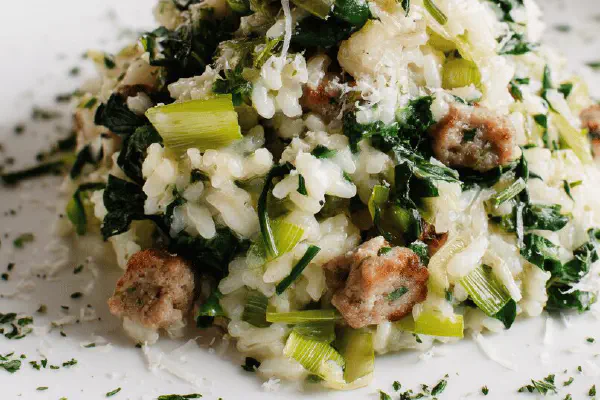
Oven Risotto Leek Spinach
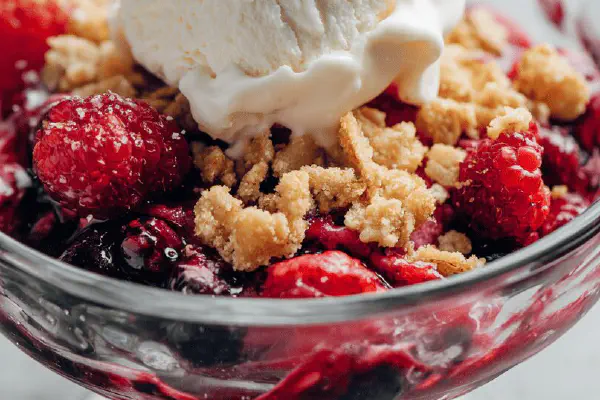
Strawberry Tart Sundae Remix
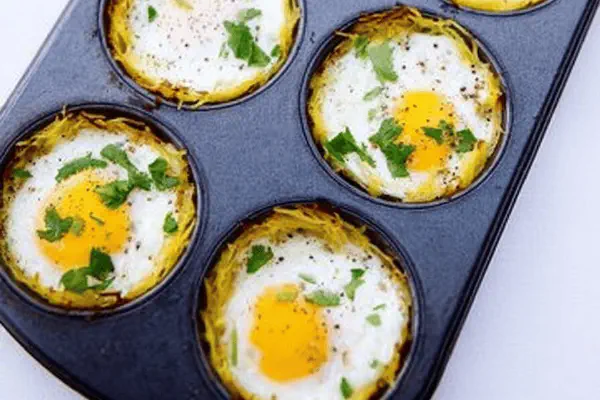
Spaghetti Squash Egg Nests
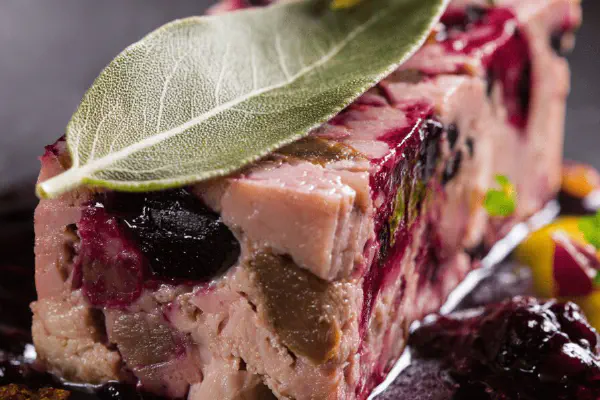
Pork Cassis Terrine Twist
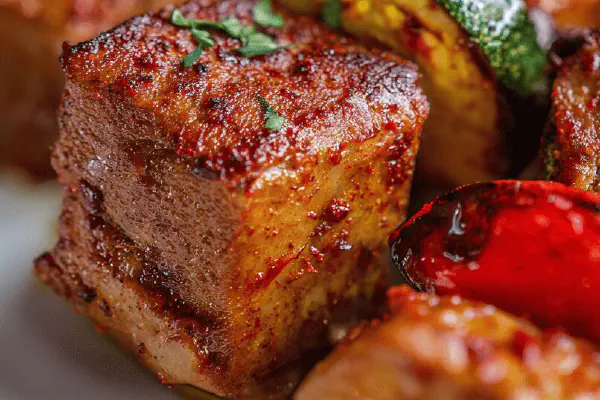
Spiced Pork Skewers

Green White Hot Cocoa
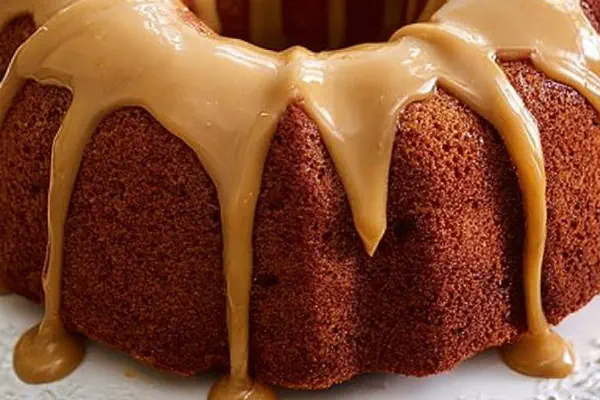
Salted Caramel Pound Cake
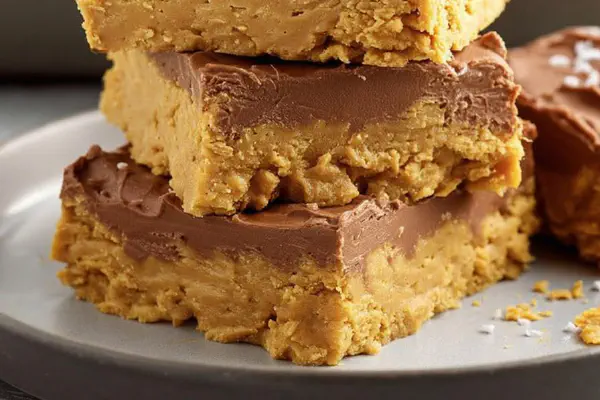
Peanut Butter Bars Remix
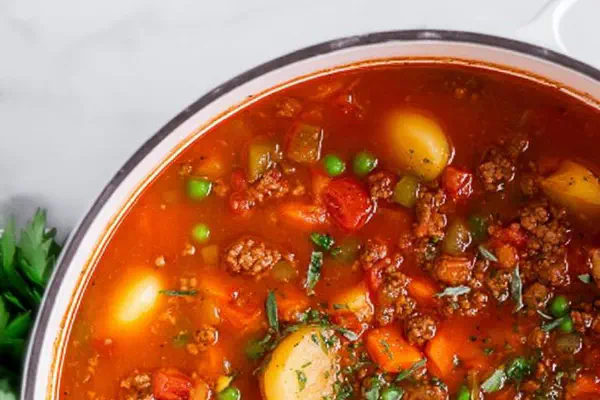
Hearty Beef Vege Stew

Chunky Baked Potato Salad
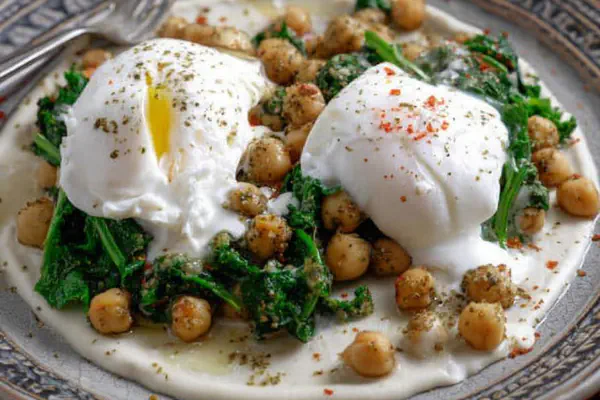
Za'atar Chickpeas Poached Eggs
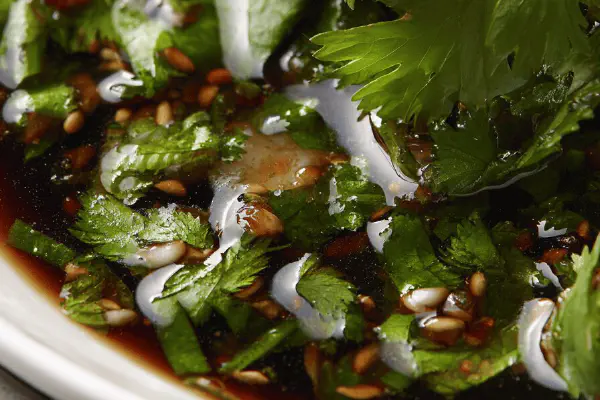
Asian Mignonette Twist
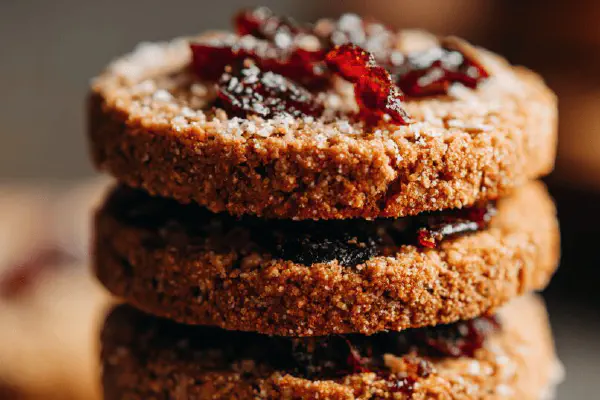
Jar Cookie Mix
Pancake Spaghetti Remix
Almond Pound Cake Twist
Braised Maple Endives
Spiced Masala Chai Twist
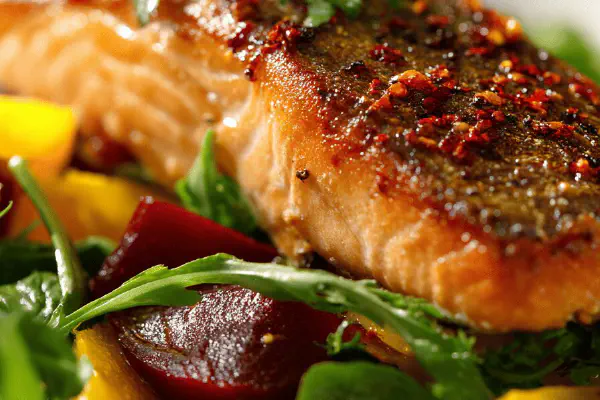
Spiced Trout and Beet Salad
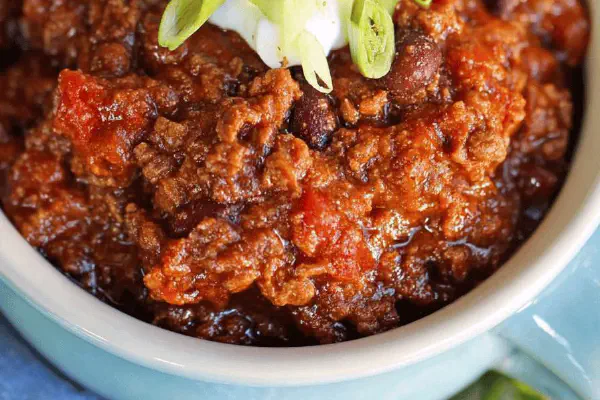
Award Winning Chili Remix
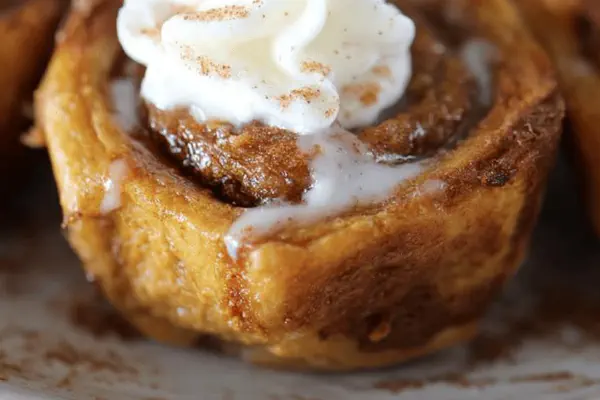
Pumpkin Pie Cinnamon Bites