
Lemon-Rosemary Salt Recipe with Sea Salt
E
By Emma
Certified Culinary Professional
•
Recipe tested & approved
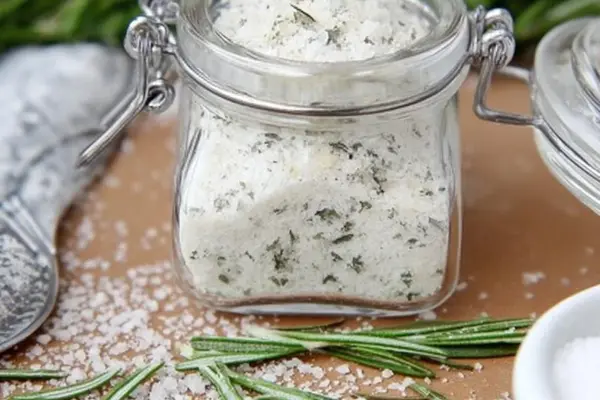
Scatter the lemon peel, salt, and rosemary in a food processor. Pulse. Quick bursts — one second each. You’ll watch the rosemary shrink into tiny pieces and the salt grains start to break down. It should look like damp sand when you’re done, not a paste. That matters.
Why You’ll Love This Lemon-Rosemary Seasoning Salt
Takes six minutes total. No cooking. Just a processor and your counter.
Works on literally everything — fish, chicken, roasted vegetables, popcorn, rim of a glass. Had some left over from a batch last month and kept finding new uses for it.
Tastes bright without being aggressive. The fresh rosemary goes soft into the salt, and the lemon stays there. Homemade flavored salt costs maybe a dollar. Store-bought costs eight.
Keeps three months easy. Lasts longer if you’re careful about moisture — but honestly, you’ll use it faster than it goes bad.
What You Need for Homemade Lemon Herb Salt
A third cup of flaky sea salt. Not table salt. Flakes matter — they stay distinct longer instead of clumping into a brick.
Fresh rosemary leaves. A tablespoon. Dried rosemary doesn’t work here. The texture goes wrong. Has to be fresh.
One teaspoon of grated lemon peel. Not juice. The peel. Zest it yourself off a lemon. Pre-zested sits in a jar and loses the point.
How to Make Lemon-Rosemary Seasoning Salt
Dump everything into a food processor. Lemon peel first. Then the salt. Then the rosemary on top. It doesn’t matter the order, but that’s how it looks least weird going in.
Pulse in one-second bursts. Not a blend cycle. Pulse. You’re looking for the rosemary to shrink down and the salt grains to crack but not disappear. Takes maybe 10-15 pulses. Could be fewer. Could be more. You’ll see it happen.
Halfway through, stop and scrape down the sides. The rosemary sticks. The lemon clumps a bit. Push everything back to the center so the processor actually hits it all. Then keep going.
When it looks like damp sand — fine, loosely together, nothing pasty — stop. Don’t overwork it. Over-processing makes it wet because the rosemary releases oil and the lemon releases juice and you end up with something that clumps immediately.
How to Dry Your Herb Salt Properly
Spread it thin on a plate or a rimmed tray. Not a thick pile. Thin. Air needs to move around every grain. Thick mounds trap moisture in the middle and it stays damp.
Leave it on the counter uncovered. Just sitting there. One to two hours usually does it. After 60 minutes, touch it. If it still feels sticky or soft, leave it longer. If it feels firm but still slightly pliable, you’re close.
Still clumpy after 90 minutes? Gently break it up with a fork. Just fluff it. Air dry another 10 minutes. Then check again.
When it’s actually dry — feels grainy, no stickiness, doesn’t ball up when you pinch it — transfer it immediately into an airtight jar or container. This stops it from pulling moisture back out of the air. Cool, dry place. That’s it.
Use it within three months. The flavor gets muted after that, but it won’t go bad.
Lemon-Rosemary Salt Tips and Mistakes
Don’t use dried rosemary. Seriously. It’s bitter and the texture is all wrong.
The lemon peel matters more than you’d think. Fresh lemon has oil in the peel. That’s what you’re tasting. Bottled lemon juice won’t work. Powder won’t work either.
Moisture is the enemy. If you don’t let it dry completely, it’ll clump into a brick in the jar within a week. It’s not ruined — just annoying. Break it apart with a fork when you need it. But just dry it right the first time.
The processor is optional if you have patience. You could grate the lemon peel fine, chop the rosemary with a knife, then mix everything in a bowl. Takes longer. Works fine either way.
Lemon-Rosemary Salt Recipe with Sea Salt
Prep:
6 min
Cook:
0 min
Total:
6 min
Servings:
1 cup
Ingredients
- 1/3 cup flaky sea salt
- 1 tablespoon fresh rosemary leaves
- 1 teaspoon grated lemon peel
Method
- 1 Scatter lemon peel, salt, and rosemary inside small food processor bowl
- 2 Pulse in quick 1 second bursts until salt grains shrink, rosemary chopped tiny, mixture turns like damp sand, not paste
- 3 Scrape down sides mid-way to prevent clumping, keep air moving in processor
- 4 Spread mixture thinly on plate or rimmed tray, avoid thick mounds trapping moisture
- 5 Let sit uncovered on counter, feeling surface texture after 60-90 minutes; dry to firm yet still slightly pliable
- 6 If surface still sticky or clumping, gently fluff with fork and air dry 10 more minutes
- 7 Transfer fully dry salt into airtight jar or lidded container immediately to prevent moisture reabsorption
- 8 Store cool, dry place, use within 3 months for best flavor integrity
Nutritional information
Calories
0
Protein
0g
Carbs
0g
Fat
0g
Frequently Asked Questions About Homemade Lemon-Rosemary Salt
Can I use dried rosemary instead of fresh? No. Dried tastes sharp and musty. Fresh rosemary goes soft and herbaceous when it dries into the salt. Different thing entirely.
How long does it actually keep? Three months is when the flavor starts fading. After that it’s still salt — won’t hurt you — but tastes like mostly salt. Keep it in a cool, dry place. The moment it sits in a humid kitchen, it starts absorbing moisture and clumping.
Can I scale this up? Yeah. Keep the ratios the same and just do bigger batches. The drying time might shift an hour depending on humidity. Thick layer dries slower. Thin layer dries faster.
What if I can’t find flaky sea salt? Flakes stay separated longer than granules. But regular sea salt works. Kosher salt works. Just know it’ll clump a bit faster because the grains are smaller. Stay ahead of it — use it within two months instead of three.
Can I use lemon juice instead of peel? No. Juice adds liquid. The whole point is keeping this dry. You’d end up with wet paste, not seasoning salt. Peel only.
What do I actually use this on? Fish. Roasted vegetables. Chicken skin before it goes in the pan. Popcorn. Buttered toast. The rim of a glass with a cocktail. Avocado. Basically anything that’s bland or needs salt. That’s the point.
You’ll Love These Too
Explore all →
Buttermilk Herb Vinaigrette with Fresh Dill
Creamy Asparagus Mussel Soup Recipe

Sweet Potato Casserole with Pecans

Butternut Squash Mac and Cheese Recipe

Stuffed Peppers with Ground Turkey

Cherry Tomatoes Recipe with Maple Glaze

Rustic Breakfast Sausage Patties

Mini Chocolate Surprise Cupcakes Recipe

Banana Chocolate Muffins with Olive Oil
Spinach Pie with Ricotta and Feta

Soft Peanut Butter Cookies with Almond Extract

Sweet Chilli Sauce Recipe with Mandarin

Parmesan Cream Balls with Balsamic

Banana Pudding Recipe With Cool Whip

Breakfast Burrito Crepes with Chipotle Sausage

Pork Lemongrass Noodle Salad Recipe
Chicken And Broccoli Rice Bake
Stuffed Peppers Recipe with Quinoa

Rustic Apple Galette with Cinnamon