Apple Cider Vinegar Dressing Recipe
E
By Emma
Certified Culinary Professional
•
Recipe tested & approved
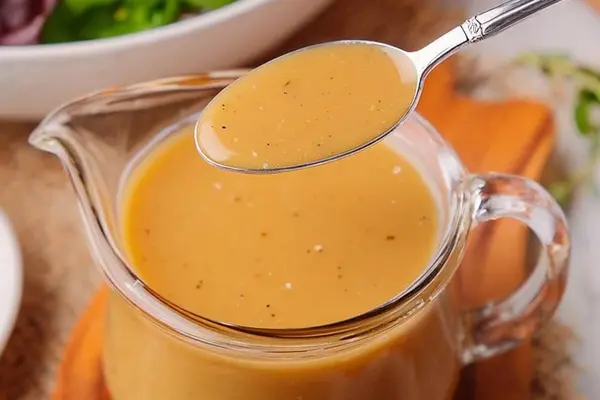
Make this easy apple cider vinegar dressing with dijon mustard, honey, and olive oil. Whisk together for a tangy vinaigrette that emulsifies beautifully.
Prep:
6 min
Cook:
0 min
Total:
6 min
Servings:
4 servings
Dump the mustard and honey in a bowl first—that’s where it starts. Six minutes total and you’ve got a vinaigrette that actually tastes like something, not like you just mixed oil and sadness. The trick isn’t complicated. It’s just slow.
Why You’ll Love This Salad Dressing
Works on literally any green. Any vegetable. Cold chicken. Roasted root stuff. Even as a marinade if you’re feeling ambitious.
Makes enough for a massive salad and then some. One small bowl. Takes basically no time.
Tastes sharp but balanced—the honey keeps the vinegar from slapping you in the face. Most store versions use corn syrup and sit in a plastic bottle for six months. This one uses real ingredients. Honey. Apple cider vinegar. Oil. That’s it.
Actually emulsifies. Gets thick and shiny instead of separating into two sad layers. People notice.
You probably have everything already. Dijon. Honey. Vinegar. Oil. Salt. Done.
What You Need for a Honey Mustard Vinaigrette
Dijon mustard—not yellow mustard, not spicy brown. Dijon. A tablespoon. It’s the anchor.
Honey. Two teaspoons. Cold honey moves slow so if yours is hard, that’s fine, it softens as you work.
Apple cider vinegar. Two tablespoons. Not white vinegar. Too harsh. Not balsamic. Wrong direction. Apple cider. The reason this tastes sharp without tasting mean.
Olive oil. Five tablespoons. The actual amount matters here because oil’s where the emulsion happens.
Salt and black pepper. Freshly ground pepper. Pre-ground tastes like dust.
That’s the whole thing. No garlic powder. No dried herbs. No complexity you don’t need. The vegetables carry flavor. The dressing just amplifies.
How to Make Easy Salad Dressing
Start with a small bowl or measuring cup—doesn’t matter which. Dump in the mustard and honey. If honey’s cold and stubborn, just let it sit a second. It softens fast and mixes better when it’s not rock hard.
Pour the apple cider vinegar in next. Swirl it around a bit but don’t go crazy. You’re just mixing, not aerating.
Now grab a fork or a tiny whisk—a regular fork works fine—and start whipping. Fast. You’re building an emulsion here. Watch the color change. It goes from separated and separated to thick and glossy and stuck to the sides of the bowl.
This is the crucial part. Drizzle olive oil in slowly. Not all at once. Seriously. One slow pour and you’ve broken it. Thin stream. Keep whipping. The oil gets pulled into the vinegar and mustard instead of just floating on top.
Look for thickening. A shiny coat on the sides. When it starts to hold together instead of sliding back into itself, you know it’s working.
How to Get Your Dijon Mustard Vinaigrette Thick and Shiny
If it stays liquidy and breaks, you added oil too fast. Not a disaster. Start fresh with a new spoonful of mustard in a clean bowl and try again. Slower this time. Pour maybe a teaspoon of oil at a time.
Season with salt and black pepper. Taste it. Must be sharp but balanced. If it tastes like you’re eating vinegar straight, add more honey. Just a tiny bit. Or more oil to mellow it out. If it tastes flat, salt. Salt brings everything up.
Whisk one more time to make sure everything’s blended. Sometimes the salt needs a moment to integrate.
Pour it over your salad immediately if you can. The fresher, the better. But if it sits and separates later—oil pooling on top—just whisk again before serving. Usually happens after a day in the fridge. Shake the jar or whisk in the bowl. Comes right back together.
Easy Salad Dressing Tips and Variations
Keeps about three days in a mason jar in the fridge. After that the sharpness fades a bit. Fresh is actually better. Make what you need.
Want to change it up. Add minced shallots. Just a teaspoon. Adds bite without being weird. Or smoked paprika—like half a pinch—for smoke without changing the taste completely.
Swap honey for maple syrup if you want something woodsy instead of clean. Different angle. Works.
Apple cider vinegar is the thing here but lemon juice works if you only have that. Brighter. Less mellow. Adjust the honey up a little because lemon’s harsher than vinegar. Balsamic goes too dark and sweet. Swaps would need less honey and might need extra salt. Not worth it usually.
Olive oil matters more than people think. Bad olive oil tastes like grass clippings. Good oil tastes like olives. Use something decent but you don’t need the expensive stuff. Mid-range works.
Apple Cider Vinegar Dressing Recipe
Prep:
6 min
Cook:
0 min
Total:
6 min
Servings:
4 servings
Ingredients
- 1 tablespoon dijon mustard
- 2 teaspoons honey
- 2 tablespoons apple cider vinegar
- 5 tablespoons olive oil
- salt and freshly ground black pepper to taste
Method
- 1 Start in a small bowl or measuring cup, dump dijon mustard and honey. Let honey soften if cold; it helps mix better. Pour in apple cider vinegar. Swirl briefly but don’t let it separate.
- 2 Begin whipping vigorously with a fork or tiny whisk. Drizzle olive oil slowly—not all at once. This is crucial. You’re coaxing an emulsion. Look for thickening, a shiny slick coating the sides. If it stays liquidy and breaks, add more mustard or start fresh but slower oil introduction.
- 3 Season with salt and freshly ground black pepper. Taste often. Must be sharp but balanced. If too vinegary, add a smidge more honey or oil. If flat, salt. Stir once, then whisk again to blend fully.
- 4 Pour immediately over salad greens, roasted veggies, or use as a marinade. Watch that oil doesn’t settle on top later. Shake or whisk again before serving if separate. Keeps a few days refrigerated but fresh is best.
- 5 If you want a twist: add minced shallots or a pinch of smoked paprika for smoky undertones. Or swap honey for maple syrup for a woodsy note. Vinegar swap ideas: lemon juice for brightness or balsamic for depth but adjust sweetness accordingly.
Nutritional information
Calories
120
Protein
0.2g
Carbs
3g
Fat
12g
Frequently Asked Questions About Homemade Vinaigrette with Olive Oil
Can you make this dressing ahead of time? Yeah. Lasts three days in the fridge. Shake it or whisk it again before you use it because the oil separates. Fresh is better but it’s fine.
What if the dressing breaks and won’t emulsify? You added oil too fast. Start over with one fresh teaspoon of mustard and go slower. Takes 30 seconds longer but it works. The mustard is what holds it together.
Can you use different vinegar? Lemon juice works. Tastes brighter. Red wine vinegar gets weird. White vinegar’s too sharp. Balsamic makes it too sweet and heavy. Apple cider is the best version but lemon’s the only real swap.
What salads go with this dijon mustard vinaigrette? Any green. Spinach, arugula, butter lettuce, mixed. Works on warm roasted vegetables. Cold chicken. Grains. Potatoes. Basically everything.
How much dressing do you get from this recipe? About three quarters of a cup. Enough for a big salad or to have extra.
Can you use honey substitutes? Maple syrup changes the flavor but it works. Agave’s too thin. Won’t emulsify the same way. Honey’s the thing.
You’ll Love These Too
Explore all →
Oat Sunflower Burgers with Cheddar
Courtbouillon: Aromatic Poaching Broth
Cold Sesame Noodles with Smoked Tofu
Simple Fudge Recipe with Condensed Milk
Ground Turkey Meal with Potatoes & Peppers
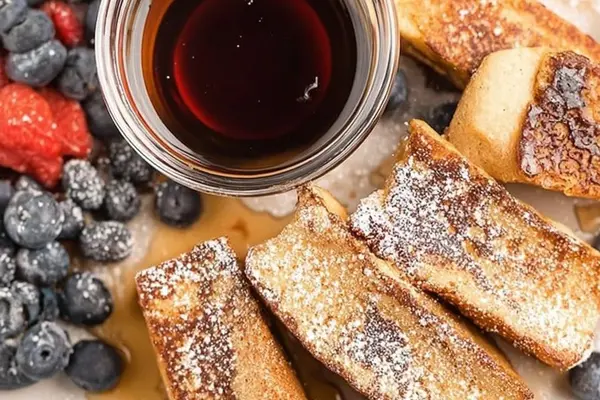
French Toast Recipe with Almond Extract

Chocolate Snowman Truffles with Nutter Butter

Crispy Garlic Buffalo Wings Recipe
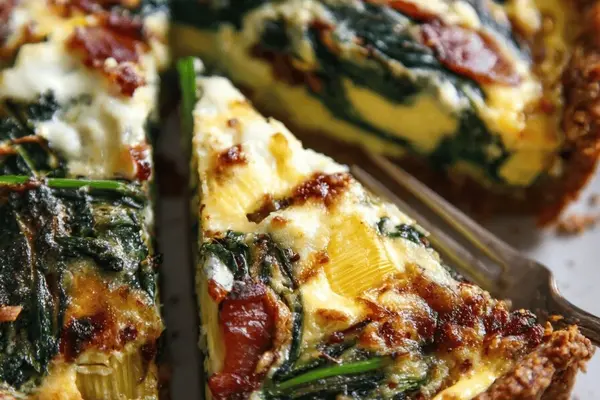
Quiche Lorraine Pie with Bacon & Swiss Chard
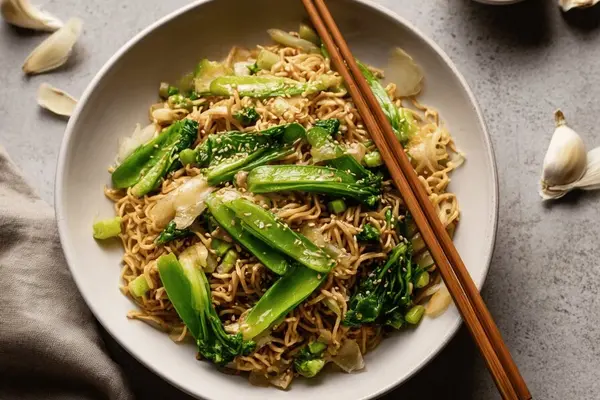
Crispy Ramen Chow Mein with Cabbage
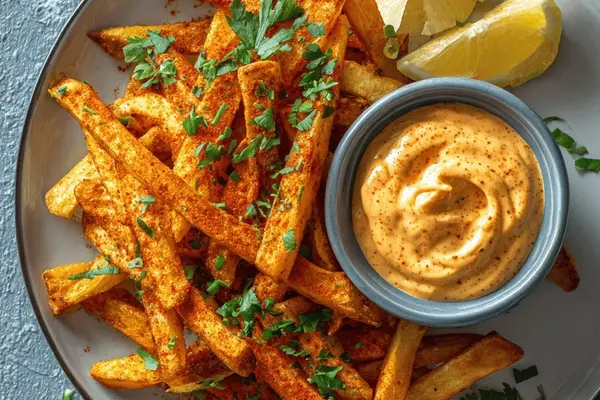
Indian-Spiced Mayo with Cilantro & Smoked Paprika

Italian Meatball Soup with Turkey & Pasta
Pork Meatballs in Oven with Root Vegetables
Braised Veal Cheeks in Red Wine Reduction
Chicken Soup With Wild Rice Recipe

Corn On Cob Seasoning with Smoked Paprika
Radish Salad with Greek Yogurt & Pickled Radishes
Snicker Salad with Apples and Vanilla Pudding
Parsley Vierge Sauce Remix with Cilantro