Marinated Bavette Steak
E
By Emma
Certified Culinary Professional
•
Recipe tested & approved
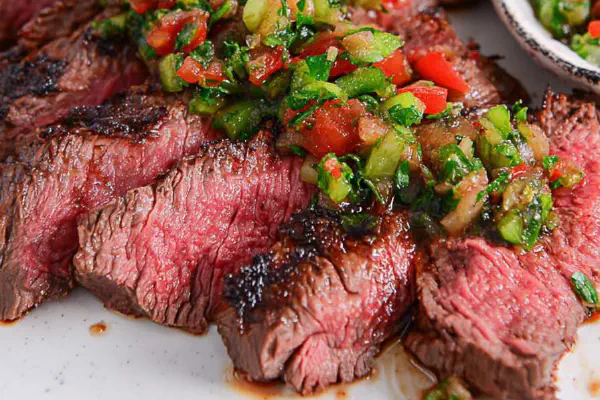
Bavette steak soaked in a blend of vegetable oil, soy sauce, water, minced garlic, honey, kosher salt, and black pepper then grilled to your liking. Served sliced thin against the grain, topped with a herbaceous sauce combining parsley, cilantro, roasted red pepper, scallions, olive oil, and red wine vinegar, spiced with red pepper flakes. A method honed for maximum flavor penetration and texture contrast. Cooked over medium-high heat for a quick sear that locks in juices. The sauce adds brightness and heat, balanced by the savory marinade and tender meat. Adaptable in ingredients, timing, and tools for real kitchens.
Prep:
7 min
Cook:
12 min
Total:
19 min
Servings:
6 servings
#steak
#marinade
#grilling
#herb sauce
#beef
#American cuisine
Before You Start
Bavette steak’s a sneaky good cut and underrated if you ask me. Not as fancy-sounding as ribeye but has enough chew and beef flavor to keep you interested. Tried it many ways but marinating’s key — keeps it juicy and packs flavor inside rather than just smeared on top. Skip harsh marinades or you ruin the texture. Use a mild punch of sweetness - maple syrup over honey just hits a nicer note with this cut. Searing’s quick but intense; that crust you get is the editor of your work. Rest the meat well or all that juice escapes and you end with dry slab. Sauce is herbs and crunch, brightness and bit of heat, a sharp contrast to that buttery soft richness. It’s about balance in texture, flavor, temperature. Life lessons really. Pulling that steak off hot skillet, hearing sizzle, smelling garlic and herbs sizzling, knowing you nailed it.
Ingredients
- 1/2 cup vegetable oil
- 1/4 cup soy sauce
- 1/4 cup water
- 3 cloves garlic minced
- 2 tablespoons maple syrup
- 1 teaspoon coarse kosher salt
- 1 teaspoon freshly ground black pepper
- 1 1/5 pounds bavette steak
- 1 cup flat leaf parsley
- 1/3 cup cilantro
- 2 cloves garlic minced
- 1 tablespoon roasted red pepper chopped
- 1 tablespoon scallions chopped
- 1/2 cup extra virgin olive oil
- 1 tablespoon red wine vinegar
- 1/2 teaspoon red pepper flakes
- 1/2 teaspoon coarse kosher salt
- 1/4 teaspoon ground black pepper
In The Same Category · Main Dishes
Explore all →
Creamy Slow Cooker Chicken Tacos
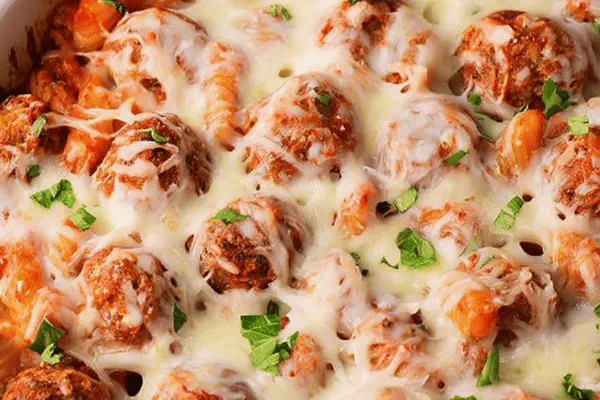
Baked Meatball Penne Casserole
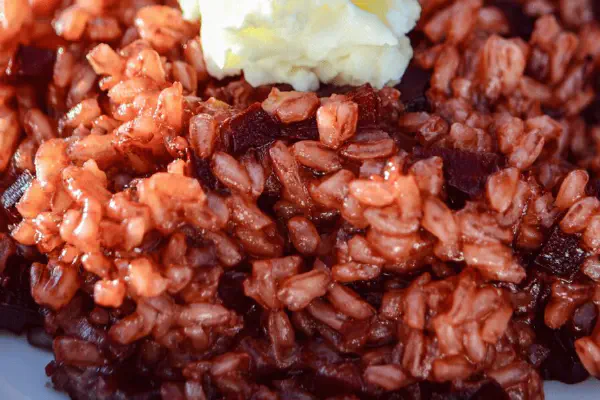
Beet Risotto Twist
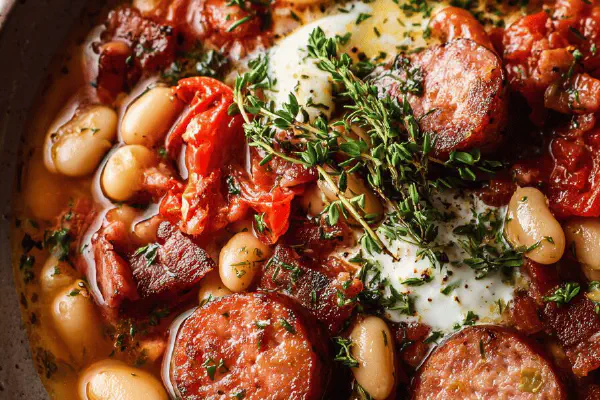
Sausages with Flageolets
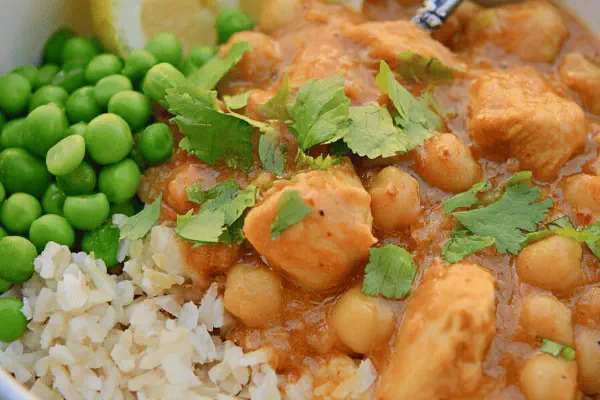
Slow Cooker Chicken Curry
Rustic Stuffed Cabbage Rolls
Veal Mustard Leeks Roast

Oklahoma Onion Smash Burger
Spinach Ricotta Lasagna Revamp

Rustic Spanish Tortilla

Ginger Pork Stir-fry
Beef Burger with Chipotle Cheese

Chicken Alfredo Twist

Retro Chicken Tetrazzini
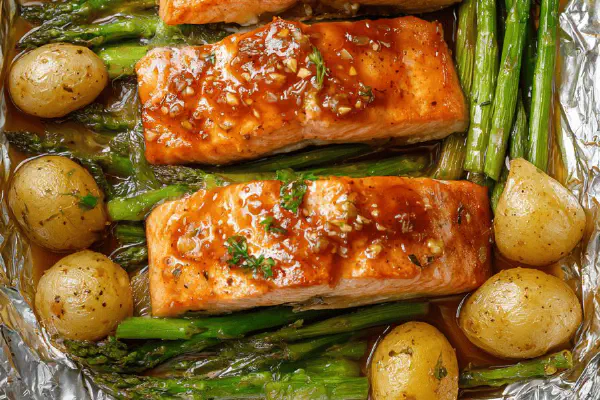
Salmon Miso Papillotes
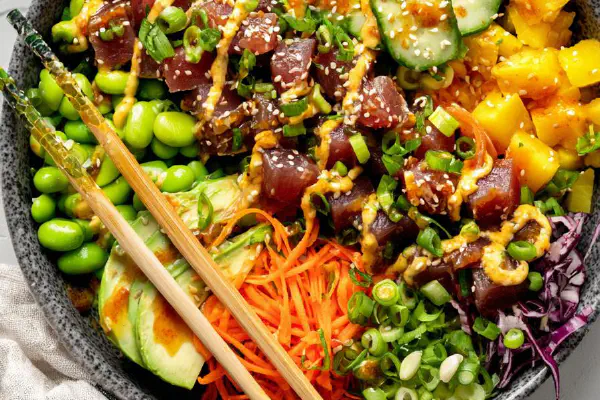
Twisted Ahi Tuna Poke
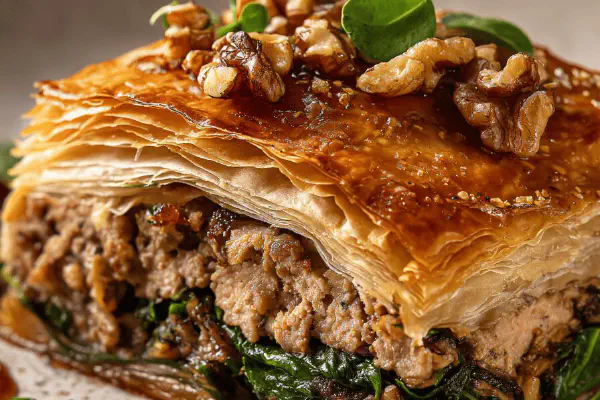
Savory Meat Puff Pastry
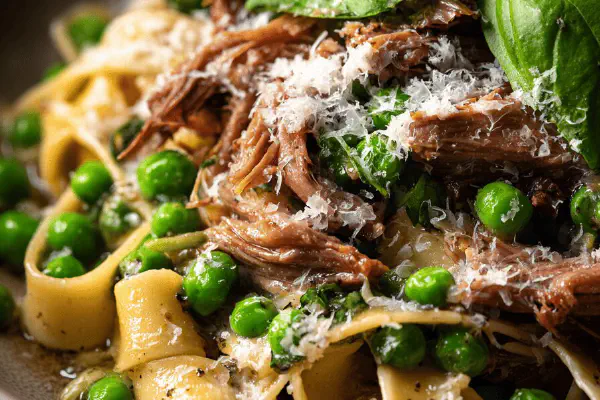
Tagliatelle with Pork Shanks
Tomato Bacon Pasta
Amatriciana Twist Pasta
About the ingredients
Soy sauce replaces Worcestershire for a simpler pantry-friendly umami hit. Maple syrup over honey - less sticky, more earthiness. Garlic’s never optional here. Parsley and cilantro combo means fewer herb clashes and fresher aromatics. Roasted red pepper adds a sweet depth bump. Olive oil isn’t just fat; it’s flavor carrier and mouthfeel magic. Red wine vinegar pulls it all together with sharpness, balancing oil and sweetness. Red pepper flakes for some moody heat. Kosher salt coarse grind to season muscle fibers well without crushing those delicate ones. Let your herbs rest with oil and vinegar before serving - they soften and release essential oils without overblending into a paste. Chop coarse, don’t pulverize, or you lose texture. Sharp knife critical to cut against the grain. Cheap substitutes? Worcestershire or tamari for soy, honey if maple’s not in pantry, or fresh basil in place of cilantro if needed.
Method
Marinate the Meat
- Mix vegetable oil, soy sauce, water, minced garlic, maple syrup, kosher salt, and black pepper in shallow dish or zip-lock bag. Submerge bavette steak and rub marinade in well. Chill 3-20 hours. Shorter times give gentler flavor. Longer? Tangier and more tender but avoid going over a day or meat structure breaks down oddly.
Cook the Steak
- Pull steak out from fridge 45 minutes before grilling to temper. Dump marinade. Heat a heavy cast iron skillet, grill pan, or outdoor grill to medium-high. Look for subtle wisps of smoke. Sear steak 3-4 minutes per side, listen to that hearty sizzle, edges crisp while center stays rosy. Avoid flipping multiple times - one per side keeps crust intact. Rest 6-7 minutes loosely tented to redistribute juices. Slice thinly across grain with sharp knife.
Make the Herb Sauce
- Pulse parsley and cilantro roughly in food processor. Transfer to bowl. Then mince garlic and stir in. Add roasted red pepper, scallions, olive oil, red wine vinegar, red pepper flakes, salt, and pepper. Mix well. Let sit covered for at least 10 minutes so flavors marry. Adjust acidity or heat to your taste if needed.
Serve
- Arrange sliced steak on platter. Spoon chimichurri style sauce liberally over top or serve on side. Perfect for steak sandwiches or over steamed rice. Watch for carryover resting where the juicy red hues deepen into tender brown edge finish. On reheating, favor gentle heat to keep tenderness.
Cooking tips
Marinate longer if you got time but keep it cool to avoid changing texture weirdly. Gentle massage lets marinade get inside the fibers. Avoid marinating in acidic-only solutions or for too long, meat can mush. When cooking, get the pan smoking hot but not smoking smoke - you’ll know that sweet spot by smell and subtle smoke. One flip only - flip too often and you miss crust formation. Feel for firmness; soft means rare, springy medium, and firm well done. Resting is non-negotiable — covering loosely with foil keeps heat in but prevents steaming the crust. Sauce’s stirred last to avoid oxidation, let those flavors get to know each other rather than blending all at once. Serve quickly after resting steak. Saved chili flakes from last batch? Toss a few in for smoky notes. Steaks carry over cooking after off heat so timing’s key - pull just before desired temperature. Storing leftovers wrapped well in fridge preserves texture but don’t reheat aggressively or you’ll bully the meat into toughness.
Chef's notes
- 💡 Marinate bavette longer if time allows but avoid acidic-only solutions or meat turns mushy. Keep cool fridge temp for texture. Rub marinade in well. Best between 3 and 20 hrs for balance flavor and tender bite.
- 💡 Heat pan till subtle smoke, not full blaze. That smoke smell guides sear readiness. One flip only per side. Multiflipping breaks crust and dries out edges. Listen sizzle changing sharpness, edges browning before flipping.
- 💡 Rest steak loosely covered tent foil 6-7 minutes after cooking. Juices redistribute, texture evens out. Skip resting and juicy flows out. Slice thin cross grain with sharp knife for chew difference, easier bite.
- 💡 Pulse herbs coarse in food processor. Don’t blitz into paste. Balance parsley cilantro for freshness, fewer clashes. Add chopped roasted red pepper, scallions last for texture pops. Let sauce sit 10+ minutes for oils to blend gently.
- 💡 Substitute soy sauce for Worcestershire; maple syrup stands in for honey avoiding stickiness; fresh basil replaces cilantro if needed. Garlic never optional here—minced fine for aroma. Learn textures by feel: firm means done, soft rare, springy medium.
Common questions
How long to marinate bavette?
Anywhere 3 to 20 hours. Less means light flavor punch. Longer? Meat softens more, watch that one day max. Acid heavy marinades shrink fibers fast, mushy risk if overdone.
Can I use honey instead of maple?
Yes but honey can stick on surface. Maple syrup adds earthiness, less tacky. Worcestershire can swap soy if pantry calls. Basil good cilantro stand-in but changes herb taste profile.
What if steak cooks unevenly?
Check pan heat first. Too hot outside burns crust, inside stays raw. Grill or pan should hold medium-high steady. Pull steak off a bit early; carryover cooking finishes it, then rest time evens juices.
How to store leftover bavette steak?
Wrap tight in foil or airtight container. Fridge only a day or two max. Reheat gentle low heat or brief microwave pulses. Avoid high heat which toughens meat fibers fast. Freeze for longer if needed, thaw slow.
You’ll Love These Too
Explore all →
Chestnut Apple Dressing
Molasses Pumpkin Cheesecake Bars
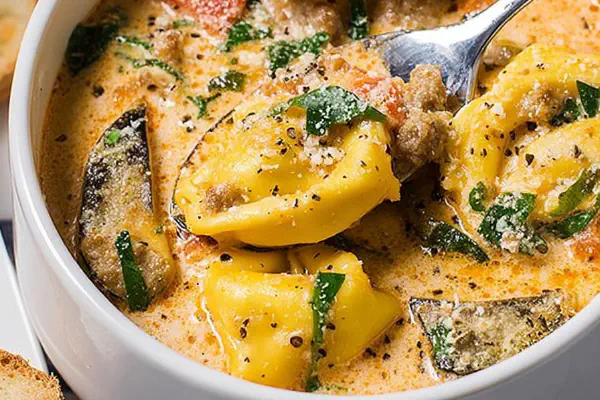
Creamy Sausage Tortellini Soup

Sugar Crunch Cookies

Barbecue Chicken Salad Twist
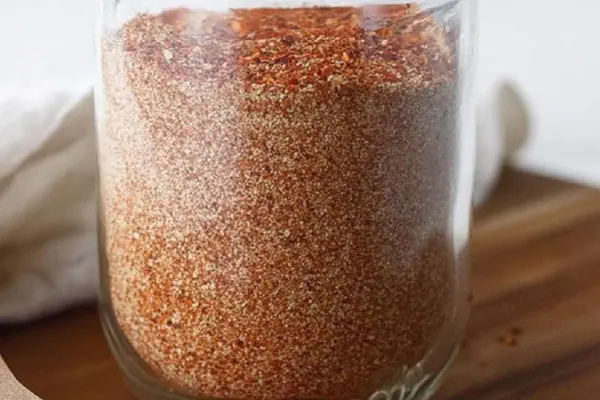
Easy Chili Spice Mix

Chocolate Peanut Butter Cake
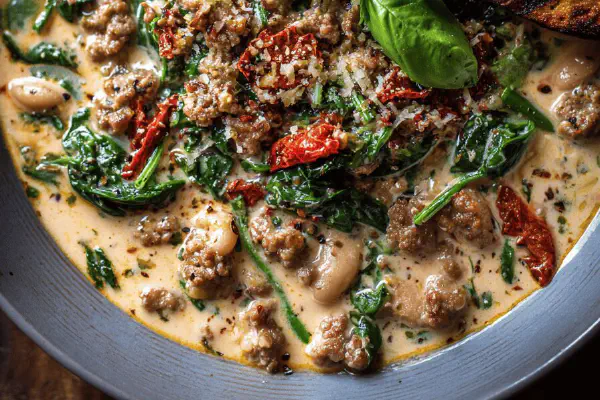
One Pot Creamy Beans with Sausage

Loaded Mashed Potato Bake

Cold Rotini Salad Remix
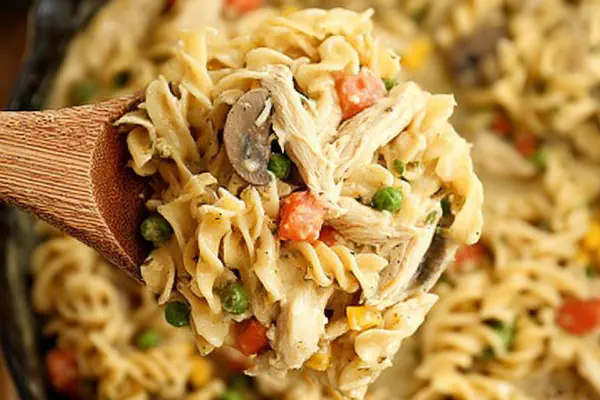
One Pot Chicken Pie Noodles
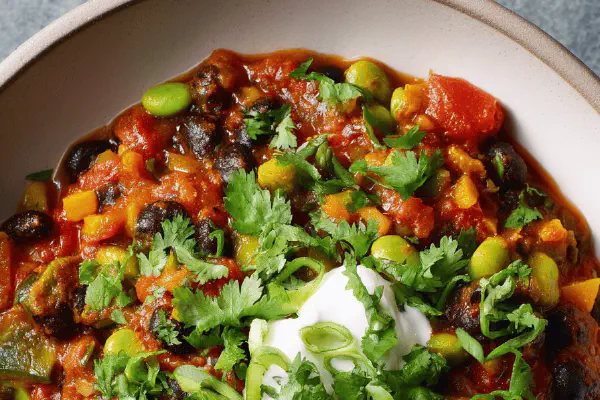
Vegetarian Edamame Chili
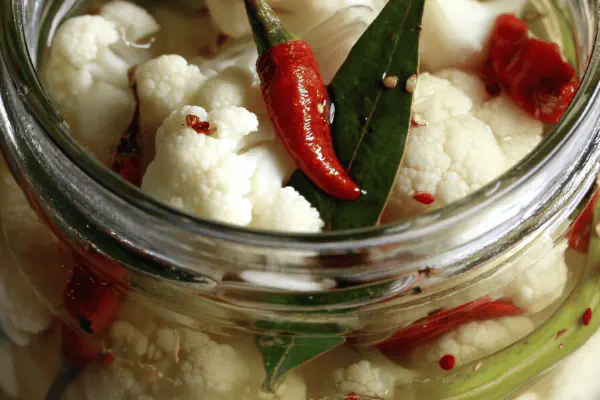
Cauliflower Quick Pickles

Vegan Strawberry Shortcakes
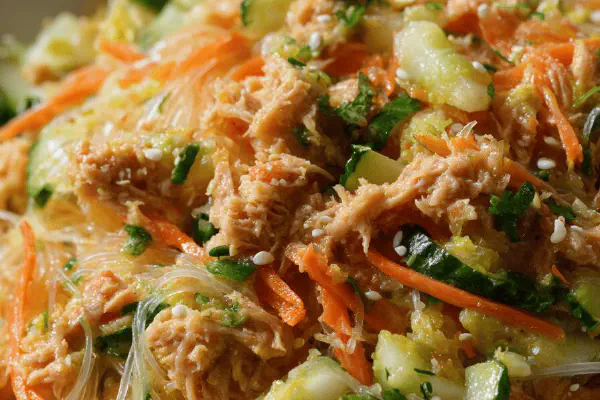
Spicy Tuna Vermicelli Salad
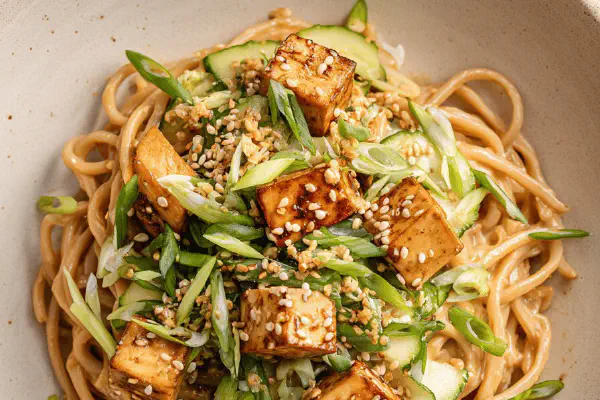
Cold Sesame Noodles with Smoked Tofu
Glazed Fish Dijon Twist
Grilled Peach Burrata
Egg & Eggplant Pita
Saltine Crusted Chicken Tenders