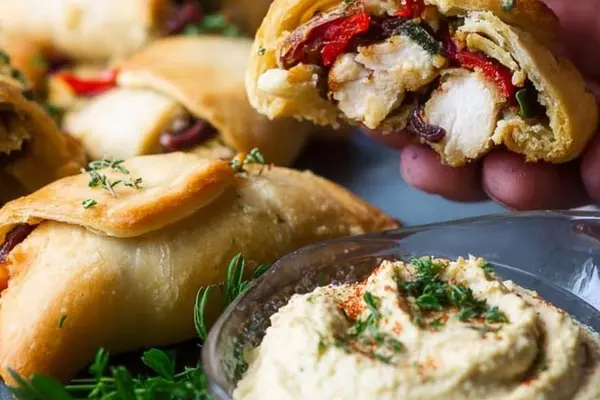
Mediterranean Chicken Crescents with Feta
By Emma
Certified Culinary Professional
·
Recipe tested & approved
Mediterranean chicken crescents with feta, kalamata olives, and sun-dried tomatoes wrapped in flaky crescent dough. Quick baked appetizer or dinner.
Prep:
35 min
Cook:
20 min
Total:
55 min
Servings:
4 servings
Unroll the crescents, flatten them out wider. Spread hummus thin—just enough to coat. Layer the feta, olives, sun-dried tomatoes. Then the chicken. Roll tight. Bake. Done in 20 minutes.
This is the appetizer that looks like you spent an hour on it.
Why You’ll Love These Mediterranean Chicken Crescents
Takes 35 minutes to get them ready, 20 in the oven. That’s it. Easy enough that you’re not stressing while guests arrive—the hard part is just handling the dough without tearing it. Works as an appetizer, but also a lunch thing cold the next day. Hummus and feta mean it tastes like actual food, not just bread with chicken inside. One pan for cooking, one sheet for baking. Cleanup is nothing.
What You Need for Lemon Garlic Chicken Crescents
Chicken breast tenderloins—a pound. They’re thin already, which is why this works. Regular breasts take too long.
Olive oil. Two tablespoons. Gets the garlic going, cooks the chicken without drying it out.
Lemon juice. Fresh. A tablespoon. The acid cuts through the bread and the richness.
Garlic cloves—two, minced. Goes in the oil first till it smells sharp. That smell matters.
Oregano and thyme. A teaspoon each, dried. Not fresh—dried herbs here are stronger, which is what you want packed into chicken.
Smoked paprika. Half a teaspoon. Gives it color and a flavor that says “Mediterranean” without tasting weird.
Salt and black pepper. Half and a quarter teaspoon. Season the chicken before it hits the pan.
One package of crescent roll dough. The refrigerated kind. Eight rolls. They need to stay cold or they get sticky.
Hummus. Four tablespoons total. Thin spread, not thick. Acts like a glue and adds flavor without being obvious.
Feta cheese, crumbled. Four teaspoons. Not a lot. Just enough to taste it.
Kalamata olives, chopped. Four teaspoons. The salty, briny thing that makes this taste like something.
Sun-dried tomatoes packed in oil. Four teaspoons, drained and chopped small. They’re concentrated—too much overpowers.
Oil spray for the sheet. Or just brush it. Either works.
Fresh Italian parsley for the top. Just before serving.
How to Make Lemon Garlic Chicken Crescents
Heat the oven to 380 degrees. Line a rimmed baking sheet with foil and spray it light with oil. Cold sheet, dry sheet—crescents won’t stick as much.
Warm the olive oil in a pan over medium heat till it’s shimmery and moves fast when you tilt the pan. Drop in the minced garlic. Stir for about 30 seconds. You’ll smell it get sharp—that’s the signal to move on.
Toss the chicken tenderloins in the pan. They should have oregano, thyme, paprika, salt, and pepper already on them. You’ll hear them start to sizzle right away, a steady gentle sound. That means the pan’s hot enough. If it’s crackling and popping, turn it down. Flip after three to four minutes when the underside goes opaque and firm. Pour the lemon juice over the chicken while it’s still cooking—doesn’t matter which side. The acid seeps in. Cook until it’s firm all the way through. Touch it, it shouldn’t give when you press. Or hit 165 degrees inside if you care about that. Pull it out onto a plate and let it cool enough to handle.
Unroll the crescent dough onto a floured surface. Each roll wants to stay in its triangle shape, but you’re going to flatten it out wider and thinner without tearing it. It’s fragile. Light hands. Roll it out till it’s almost twice the size.
Spread about a half teaspoon of hummus on each flattened crescent. Thin veil. Not a glob. This isn’t a hummus sandwich.
Layer on a half teaspoon of feta, a half teaspoon of chopped olives, a half teaspoon of sun-dried tomatoes. They should be small pieces. Then the chicken—cut the tenderloins lengthwise if they’re thick, and use about a teaspoon of pieces per crescent. Don’t overstuff or the dough tears when you roll it.
Roll the crescents tight but don’t squeeze. Seal the edges with a wet fingertip if they want to open back up. They need to stay sealed or the filling leaks everywhere during baking.
How to Get Mediterranean Chicken Crescents Golden and Crispy
Arrange the rolls on the baking sheet with space between them. Not touching. They puff up. Spray the tops lightly with oil or brush with egg wash if you want them to brown faster.
Bake 16 to 18 minutes. Watch for the edges to go crisp and golden spots to form on top. Tap one lightly—it should sound hollow-ish, not dense. If the bottoms look soggy, the pan was too crowded or the oven runs cool. Try spacing them out more next time or bumping the temp to 390.
Let them rest for two or three minutes after they come out. The filling settles. They’re easier to handle warm instead of right-out-of-the-oven hot.
Mediterranean Chicken Crescents Tips and Common Mistakes
Don’t let the dough warm up too much before baking or it gets sticky and won’t brown right. Keep it cold. Refrigerated dough was built for this.
The hummus is the glue. Without it, everything shifts around and the roll falls apart. But you don’t need much—that thin veil is enough.
Sun-dried tomatoes are concentrated. Chop them small. A quarter-teaspoon piece is different from a half-teaspoon piece.
If the chicken pieces are too big, they don’t cook evenly inside the roll. Slice them thin or use the tenderloins whole if they’re small enough.
The lemon juice goes in while the chicken’s cooking, not after. It matters.
Overcrowding the pan when you cook the chicken means it steams instead of sears. They need room.
Mediterranean Chicken Crescents with Feta
Prep:
35 min
Cook:
20 min
Total:
55 min
Servings:
4 servings
Ingredients
- 1 lb chicken breast tenderloins
- 2 tbsp olive oil
- 1 tbsp fresh lemon juice
- 2 garlic cloves minced
- 1 tsp dried oregano
- 1 tsp dried thyme
- 1/2 tsp smoked paprika
- 1/2 tsp salt
- 1/4 tsp black pepper
- 1 package refrigerated crescent roll dough (8 rolls)
- 4 tbsp hummus
- 4 tsp crumbled feta cheese
- 4 tsp chopped kalamata olives
- 4 tsp sun-dried tomatoes (oil-packed, drained and chopped)
- PAM or vegetable spray for baking sheet
- Italian parsley for garnish
Method
- 1 Heat oven to 380 degrees F. Foil-line rimmed baking sheet; spray thinly with oil.
- 2 Warm olive oil in pan over medium heat till shimmery. Toss in garlic; stir 30 seconds till fragrant.
- 3 Add chicken tenderloins seasoned with oregano, thyme, paprika, salt, pepper. Sizzle, listen for steady gentle bubbling. Adjust heat to cook chicken evenly. Flip after 3-4 minutes. Pour lemon juice over chicken mid-cook. Chicken done when firm, opaque, or internal temp hits 160F minimum, resting to 165F. Remove from pan; set on plate.
- 4 Unroll crescents gently on floured surface; roll out each one wider and thinner without tearing. Fragile dough needs light hands.
- 5 Spread about 1/2 tsp hummus on each flattened crescent – a thin veil, not soaked.
- 6 Layer 1/2 tsp feta, 1/2 tsp chopped olives, 1/2 tsp finely chopped sun-dried tomatoes on hummus. Cut chicken tenders lengthwise if thick; add ~1 tsp pieces per crescent. Avoid overloading or dough breaks.
- 7 Roll crescents tightly but without squeezing filling out. Seal edges with fingertip dampness if needed.
- 8 Arrange rolls spaced apart on baking sheet. Spray tops lightly with oil or egg wash for browning boost.
- 9 Bake 16-18 minutes. Look for edges crisp, golden brown spots forming. Tap lightly, should sound hollow-ish. Avoid soggy bottoms by not overcrowding pan.
- 10 Let rest 2-3 minutes; filling settles, easier to handle.
- 11 Serve warm. Extra hummus on side. Sprinkle with fresh parsley for color, aroma.
Nutritional information
Calories
320
Protein
22g
Carbs
20g
Fat
18g
Frequently Asked Questions About Mediterranean Chicken Crescents
Can I make these ahead? Yeah. Assemble them, cover with plastic, refrigerate up to eight hours. Bake straight from the fridge—might add two minutes. Cold dough browns better anyway.
What if I don’t have hummus? Greek yogurt mixed with lemon juice and garlic works. So does cream cheese thinned out. It’s just a binder. The feta and olives are doing the flavor work.
Can I use regular chicken breasts instead of tenderloins? You can. Pound them thin or they won’t cook through in 20 minutes. Actually—don’t bother. Tenderloins are four bucks and already the right thickness.
Does the feta have to be crumbled? Yeah. Blocks won’t spread. Crumbled melts slightly and stays in place better.
Can I substitute the sun-dried tomatoes? Fresh tomatoes won’t work—too wet. Roasted red peppers from a jar, drained, chopped fine. That’s it. Different flavor but it works.
What temperature inside the chicken is actually safe? 165 degrees Fahrenheit at the thickest part. A meat thermometer takes the guessing out of it. Tenderloins are thin enough that if they look opaque and firm, they’re done.
How long do leftovers last? Three days in the fridge in an airtight container. Reheat in a 350-degree oven for five minutes. Don’t microwave them—they get soggy.
You’ll Love These Too
Explore all →
Christmas Blondies Twist with Pretzels
Cheesy Chicken Pasta Bake with Bacon
Lenten Brioche with Raisins and Dates
Pear Butter Recipe with Cinnamon
Banana Cake with Cream Cheese Frosting
Vegetarian Soup with Quinoa and Zucchini
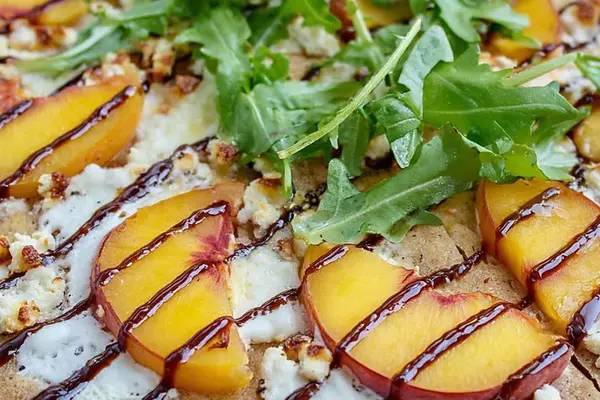
Peach Pizza with Gorgonzola and Arugula
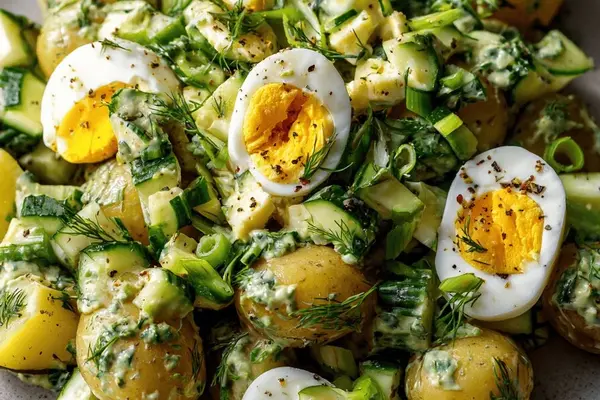
Potato Salad with Eggs and Cucumber
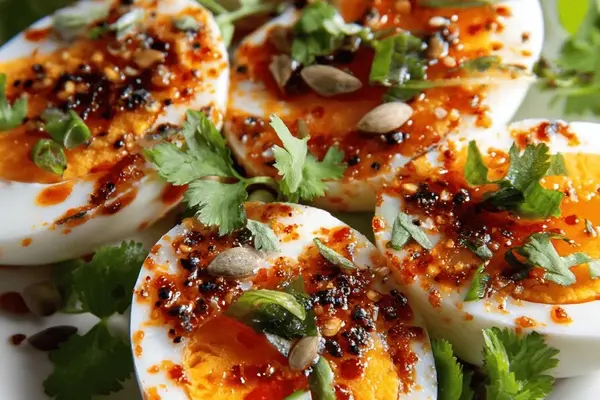
Pickled Eggs with Chipotle & Horseradish
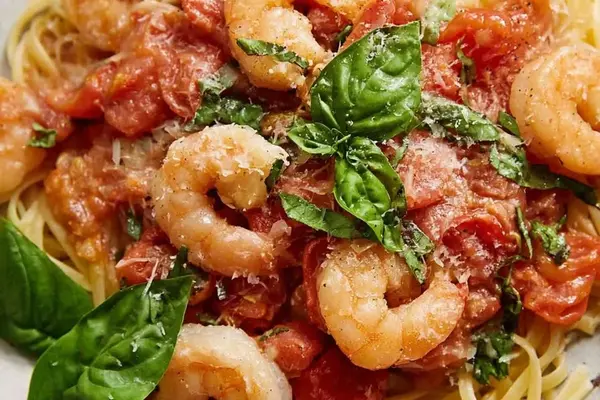
Shrimp Scampi with Garlic, Fennel & Tomatoes
Apple Pecan Cake Recipe with Almond Extract
Roasted Salmon with Pomegranate Seeds

Creamy Chicken Taco Soup with Rotisserie Chicken
Holly Jolly Jello Shots with Vodka & Condensed Milk
Chicken Roulades with White Wine Butter Sauce
Old-School Peanut Butter Fudge Recipe
Crispy Fried Spring Rolls with Pork
Strawberry Short Cake with Mascarpone
Pork Bok Choy Salad with Teriyaki Dressing