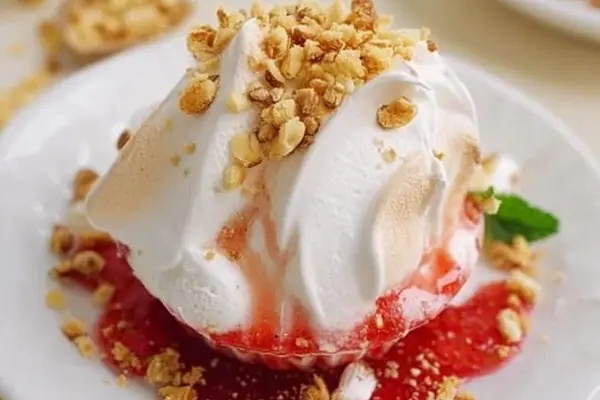
Meringue Ice Cream Bowls with Vanilla
E
By Emma
Certified Culinary Professional
•
Recipe tested & approved
Preheat to 210. That’s the secret — low and slow. Most people burn them at regular temps. This doesn’t.
Why You’ll Love This Meringue Dessert
Takes 1 hour 25 minutes total and you’re mostly waiting. Actually waiting, not cooking. Literally turn it on and step away. No bake skills required. Just a bowl and a mixer. Anyone can do this. The egg white meringue shells crisp up hollow inside — perfect for filling. Cold ice cream melts into the cracks. It’s good. Store them for days in a container. Fill just before eating or they get soggy. Plan ahead a bit. Serves six. Looks fancy. Tastes like you spent actual time on it.
What You Need for Homemade Meringue Bowls
Four egg whites — room temp works better but cold works too. Depends on your fridge.
Cream of tartar. One quarter teaspoon. Stabilizes the whites so they actually hold peaks instead of collapsing. Can’t skip it.
Granulated sugar — one cup. Not powdered. Granulated dissolves better and you need to feel it between your fingers to know it’s really gone. That’s how you tell.
Vanilla extract. A teaspoon. Or skip it. The meringue is sweet enough either way. Just adds a thing.
That’s it. Four ingredients. One of them is technically optional.
How to Make Meringue Bowls
Get your oven to 210 degrees F first. Line a sheet with parchment — wrinkles are fine as long as it’s flat enough that egg white doesn’t pool underneath. Pool means burnt bottom.
Beat the egg whites in a bowl that’s actually clean and dry. Not like, clean-ish. Actually clean. Any grease kills the whole thing. Beat them on medium until you see small foamy bubbles starting. Just the beginning.
Crank the speed up. Start sprinkling sugar in — not all at once, do it in three pours. Keep beating between each pour. You want the mixture to get thick and glossy. Keep going until it holds actual stiff peaks — the kind that stand up when you lift the beater.
Rub some of the meringue between your fingers. It should feel smooth. If you feel granules of sugar, beat more. Takes maybe a minute. Sugar dissolved is the whole point.
Fold in the vanilla. Gently. You don’t want to deflate what you just built. Fold until it’s mixed in — don’t overmix, that deflates it too.
How to Shape Meringue Bowls for Ice Cream
Scoop six big mounds onto the parchment. They should be thick — like the size of a large fist. Not delicate.
Take the back of a spoon and carve a bowl shape into the center of each mound. Push down but don’t go all the way through to the baking sheet. You need a base or it’ll burn. Half inch at least.
The sides can be messy. It doesn’t matter. Nobody sees it. Just make the bowl deep enough to hold ice cream.
Bake for 65 minutes at 210. They’ll start looking pale. Tap one with a fork — should sound hollow. That’s how you know. If they still feel soft, give them five more minutes. Every oven is different.
Turn the oven off. Leave them inside. Close the door. Don’t open it. Let them sit for an hour or more while it cools down. This stops them from cracking. Temperature shock is what splits meringue.
Pull them out when they’re completely cool. They’re crispy now.
Meringue Bowls Tips and Storage
Store them in an airtight container as soon as they’re room temp. They’ll keep for days. Maybe a week. Humidity kills them — they go sticky if the air is wet.
Fill right before serving. If you fill them hours ahead, the crispy shells turn chewy. Not ruined. Just not the point.
The baked meringue bowls work with any ice cream. Any sauce. Chocolate, fruit, caramel. Whatever.
Don’t try to make these on a humid day. It won’t work. The meringue absorbs moisture from the air. Save it for a dry afternoon.
If they crack during cooling, you still eat them. They taste the same. Just look less perfect. Store them in a container and they’re fine.
Meringue Ice Cream Bowls with Vanilla
Prep:
15 min
Cook:
1h 10min
Total:
1h 25min
Servings:
6 servings
Ingredients
- 4 large egg whites
- 1/4 teaspoon cream of tartar
- 1 cup granulated sugar
- 1 teaspoon vanilla extract
Method
- 1 Preheat oven to 210 degrees F. Line a baking sheet with parchment paper, wrinkles okay but flat enough to prevent pool of egg whites
- 2 In a clean, dry large bowl, beat egg whites and cream of tartar on medium speed until foamy bubbles appear
- 3 Increase speed, slowly sprinkle in sugar in three additions, whipping until mixture holds stiff peaks and sugar feels dissolved when rubbed between fingers
- 4 Fold in vanilla extract gently but thoroughly
- 5 Scoop six large mounds of meringue onto parchment; shape each mound into a thick disc about 3 inches wide
- 6 Using the back of a spoon, carve a bowl shape in the center of each mound, but don’t pierce to baking sheet or thin base will burn
- 7 Place trays in oven, bake for 65 minutes; meringues should sound hollow when tapped and show slight ivory hue rather than bright white
- 8 Turn off oven, leave meringues inside for 1 hour or more to cool slowly, avoiding cracks caused by abrupt temperature changes
- 9 Remove and store airtight until ready to fill. Fill bowls with ice cream and drizzle sauce just before serving
Nutritional information
Calories
98
Protein
3g
Carbs
24g
Fat
0.1g
Frequently Asked Questions About Meringue Dessert Bowls
Can I use pasteurized egg whites instead of raw ones? Yes. Liquid pasteurized ones work fine. Powdered ones are harder to whip — not worth the trouble. Stick with liquid.
What if my meringue isn’t getting stiff peaks? Grease somewhere. Your bowl, your beaters, something. Even a tiny bit kills it. Wash everything again. Start over. Takes five minutes and it’ll work.
How do I know when the meringue is actually done baking? Hollow sound when you tap it. They should look slightly off-white, not bright white. If they’re still soft in the center, they’re not done. Give it longer.
Can I make these the day before? Yeah. Store them dry in an airtight container. Unfilled. They keep. Just don’t fill them until you’re about to eat.
What happens if I use regular sugar instead of granulated? Don’t use powdered. It’s got cornstarch and won’t work right. Brown sugar makes them tan and weird. Stick with white granulated.
Do I have to fill them with ice cream? No. Berries work. Whipped cream works. Pudding. Whatever. The bowl is just a vessel. But ice cream is the move.
You’ll Love These Too
Explore all →
Spicy Seafood Pasta with Crushed Tomatoes
Berry Buttermilk Bundt Cake Recipe
Apple Cider Reduction with Warm Spices
Pistachio Cookies with Lemon Zest
Gruyère Morel Fondue with Pinot Gris

Rice Chicken Soup with Wild Rice & Cranberries
Crispy Battered Fish with Honey Dijon

Crispy Chicken Croquettes with Cornstarch

Negroni Colada Mix with Aperol & Coconut Milk
Oven-Roasted Spaghetti Squash with Basil
Steak Marinade with Cajun Spices & Rice
No Bake Cheesecake with Oreo Crust
Slow Cooker Corned Beef with Cabbage
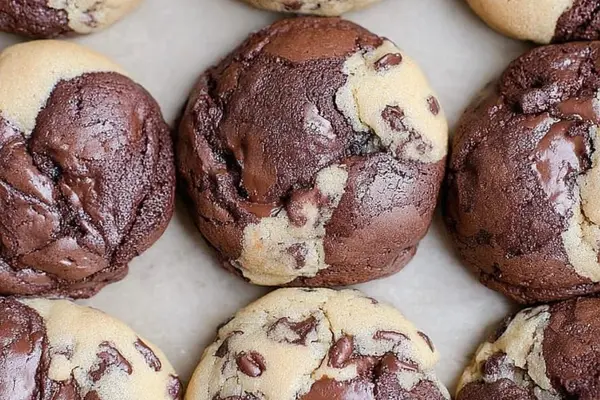
Brookies Recipe: Chocolate Chip Cookie Brownie
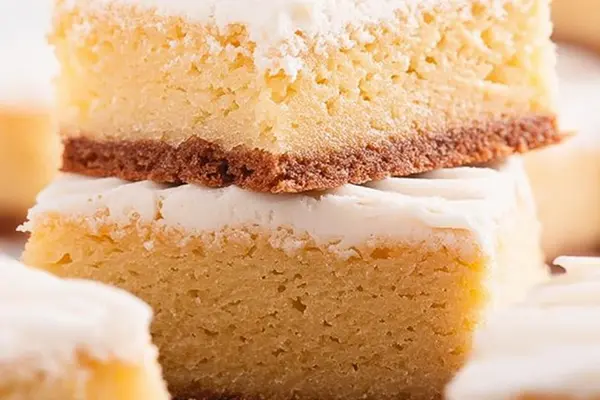
White Chocolate Brownies with Cream Cheese

Grapefruit Rosemary Syrup Recipe

Brownie Buckeyes with Cream Cheese & Peanut Butter
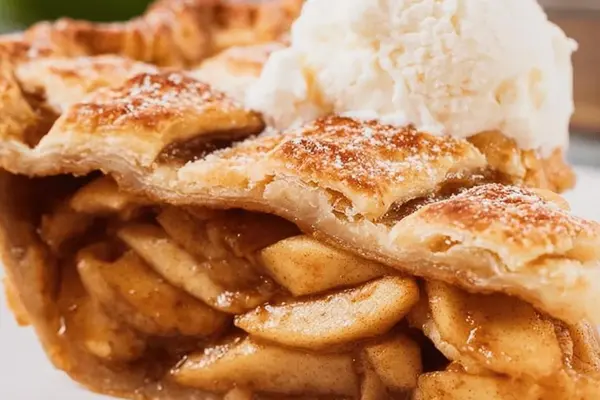
Homemade Apple Pie with Lattice Crust
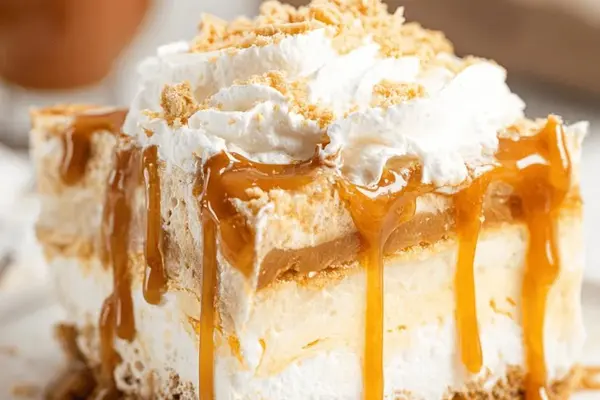
Butter Scotch Pudding Recipe with Graham Cracker