Million Dollar Mac Cheese
E
By Emma
Certified Culinary Professional
•
Recipe tested & approved
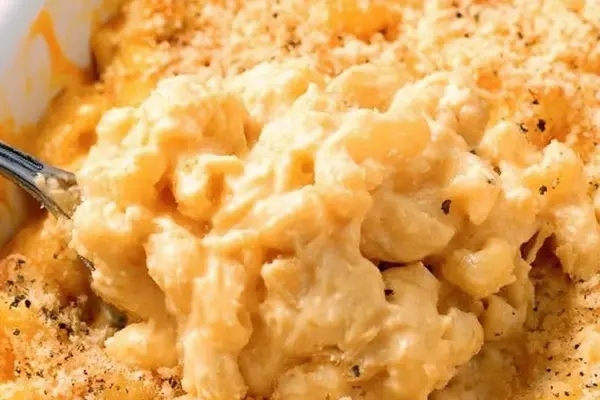
Mac with cavatappi pasta boiled to al dente, then coated in a homemade cheese sauce thickened with a browned butter roux. Sharp cheddar and Monterey jack meld with Dijon mustard and half & half for tang and creaminess. Layered with dollops of sour cream and gruyère, baked until bubbling golden crust forms. A crunchy seasoned topping finishes it off. Textures rich, sharp, creamy, slightly tangy. Real cheese taste, no shortcuts. Butter brushes before baking to prevent sticking, proper sauce whisking to avoid lumps. The method hinges on heating milk slow and steady, adding cheese in small increments, and layering the mix for pockets of gooey cheese and crispy topping. Serves 8, around 220 calories per serving.
Prep:
20 min
Cook:
35 min
Total:
55 min
Servings:
8 servings
#American
#baked pasta
#cheese sauce
#comfort food
#cavatappi
#smoked paprika
#Gruyère
#sourdough topping
Before You Start
Boiling pasta is deceptively easy but crucial here. Undercook by a minute rather than over–cooked pasta turns mushy once baked. Butter before baking isn’t just for sticking; it creates a barrier that crisps the edges without drying. Roux that’s lightly browned tastes richer, not floury. Slowly adding milk prevents lumps, whisk like your life depends on it. Cheese added gradually equals creamy sauce; dump it all and you’re risking clumps and oiling out. Gruyère topping? Don’t skip it. Its melt and melt-sing gives that fancy edge. Use smoked paprika in crumbs for depth. Baking time is a guide; watch for bubbling sauce and crust color. Rest pasta, or it’ll spread too thin and lose texture. I’ve learned these the hard way – no shortcuts here.
Ingredients
- 2 1/2 cups cavatappi pasta
- 6 tablespoons unsalted butter, divided (room temp and melted)
- 1/4 cup all-purpose flour
- 2 cups whole milk
- 1 1/2 cups half & half
- 1 teaspoon Dijon mustard
- 1 teaspoon seasoned salt
- 1 teaspoon dried parsley
- 1/2 teaspoon fresh cracked black pepper
- 2 cups shredded sharp yellow cheddar cheese
- 2 cups shredded Monterey jack cheese
- 2 cups shredded Gruyère cheese, divided
- 1/2 cup sour cream
- Topping mixture: 1 cup panko breadcrumbs, 1/2 teaspoon smoked paprika (replace original), 1/2 teaspoon garlic powder, 1 teaspoon dried parsley, 2 tablespoons melted butter
In The Same Category · Main Dishes
Explore all →
Beef Burger with Chipotle Cheese
Butter Chicken Style Tofu
Twisted Feijoada Ragoût
Sweet Potato Quinoa Pie
Rochester Garbage Plate Remix
Veal Bolognese Sauce with Cheddar
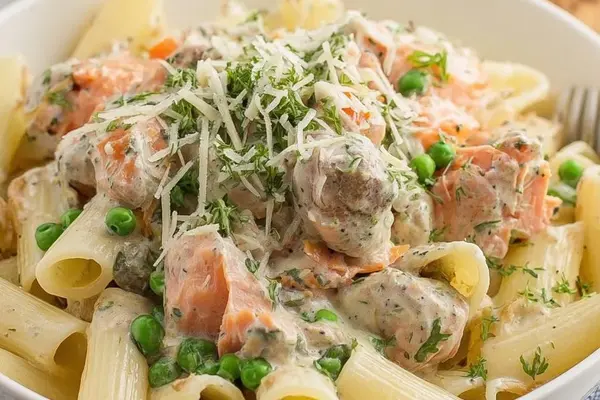
Smoked Salmon Rigatoni Cream
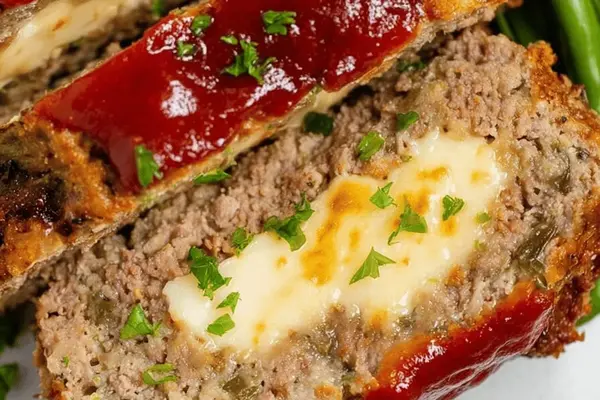
Stuffed Mozzarella Meatloaf
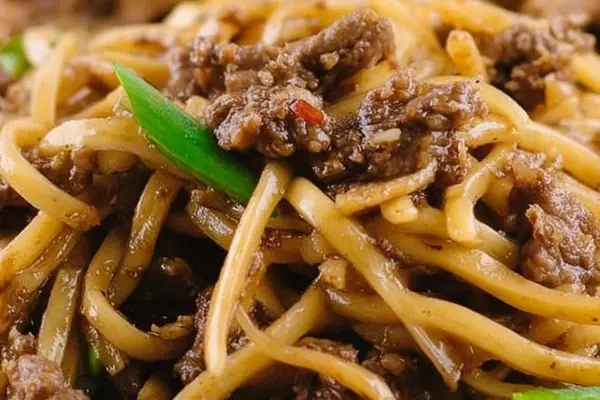
Mongolian Beef Noodles
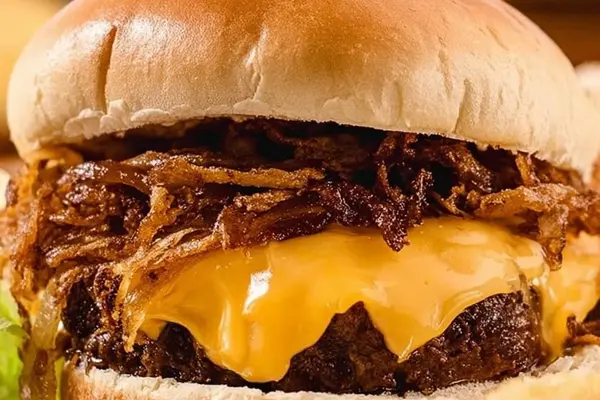
Oklahoma Onion Smash Burger
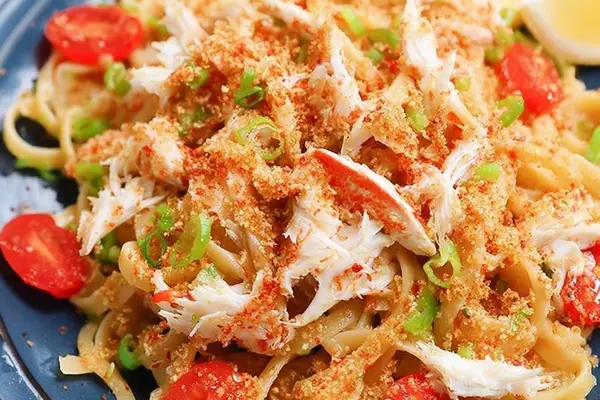
Creamy Chili Crab Pasta
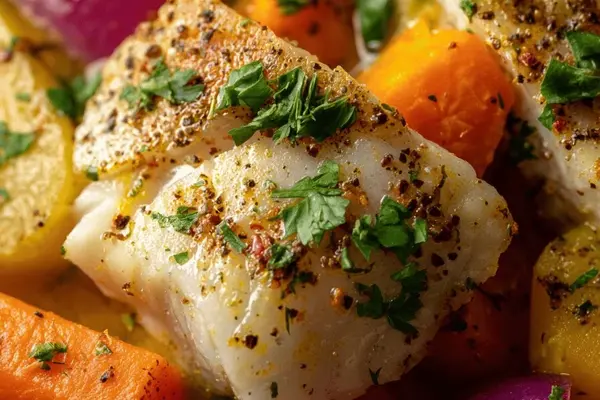
Curried Fish Stew with Veggies
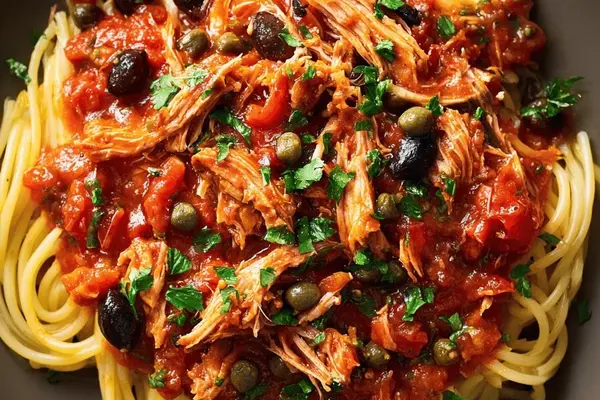
Smoky tomato tuna sauce
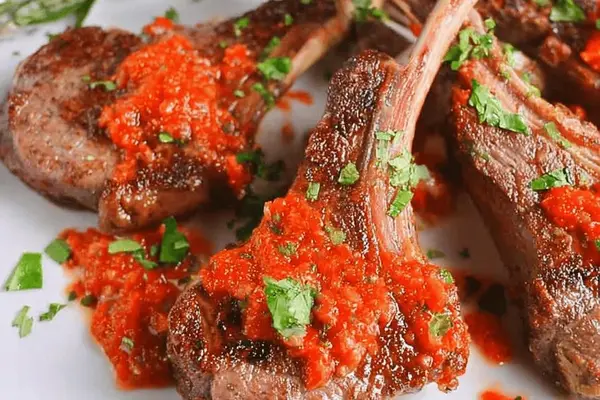
Herb Lamb Lollipops Romesco Twist

Creamy Slow Cooker Chicken Tacos
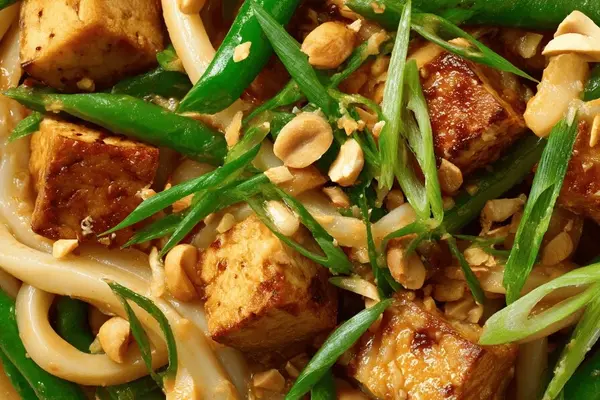
Tofu Udon with Green Beans
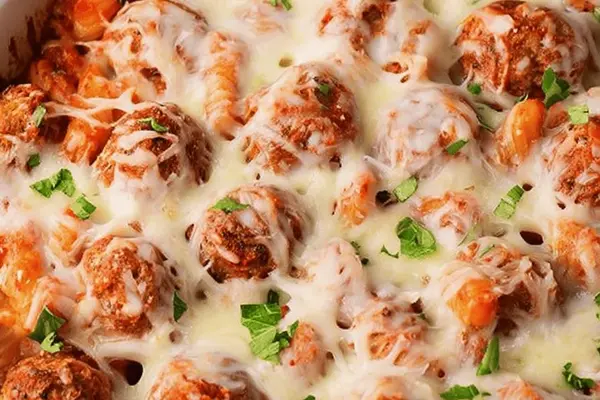
Baked Meatball Penne Casserole
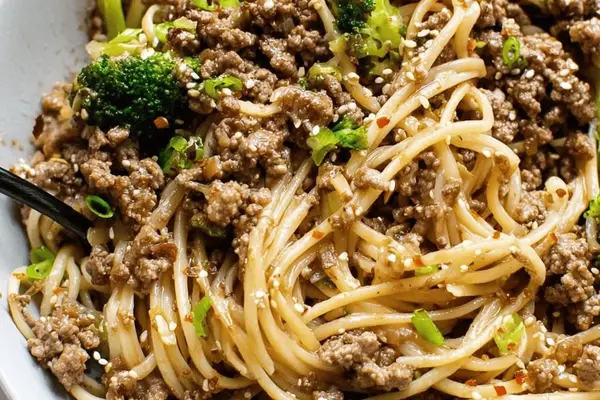
Beef Noodles Remix

Sheet Pan Pork Chops
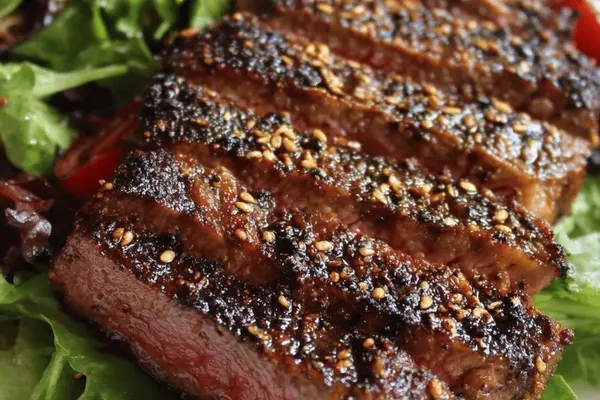
Spiced Beef Steaks
About the ingredients
Used cavatappi because the spirals trap sauce, unlike straight pasta which lets sauce slide off. Butter temp matters–softened for coating, melted for the roux, not swapped because heat changes behavior. Flour needs to be stirred into hot fat for thickening power and that toasty flavor. Half & half ups richness without heaviness; whole milk alone falls flat. Dijon mustard is the secret sharp note, won’t taste mustardy if balanced with seasoned salt and pepper. Monterey jack is milder than cheddar so they balance each other. Gruyère for topping melts well and tans beautifully. Swapped out original paprika for smoked for a background warmth, simple but noticeable. Crumb mixture is an easy crunch upgrade and optional but recommended. Sour cream adds luxurious tang and creaminess–no good substitute for its texture alone.
Method
- Preheat oven to 345°F. Butter bottom and sides of a 4-quart casserole dish thoroughly with 2 tablespoons softened butter using a pastry brush. This first step is key to prevent crust from sticking and adds flavor to each bite.
- Bring a large pot of salted water to a roaring boil. Add cavatappi noodles and cook about 7-9 minutes until just shy of al dente. Stir occasionally to prevent sticking. Drain and immediately transfer pasta back to stockpot to avoid overcooking and clumping.
- While pasta boils, melt remaining 1/4 cup butter in a heavy saucepan over medium heat. Stir in flour, whisking constantly. Cook until roux is golden to light brown - about 4 to 5 minutes. This nutty aroma signals readiness and helps thicken the sauce while adding depth.
- Decrease heat to medium low. Slowly whisk whole milk and half & half into the roux. Stir relentlessly to avoid lumps forming–that’s kitchen death to this sauce. Patience here yields a velvety texture. Stir for 6 to 9 minutes until mixture thickens noticeably and coats the back of a spoon.
- Add Dijon mustard, seasoned salt, dried parsley, and pepper. The mustard cuts through richness, brings sharpness. Cook another 5 minutes, stirring or whisking. Watch the surface–small bubbles indicate it’s just hot enough. Don’t let it scorch or boil aggressively.
- Turn off heat. Gradually stir shredded cheddar and Monterey jack in 1 cup portions. Add slowly so cheese melts evenly into sauce, creating a luscious, creamy texture. Add too fast and sauce might seize or become grainy.
- Mix cheese sauce with cooked noodles in stockpot until cavatappi is coated evenly, glossy but not swimming in sauce.
- Pour half of cheesy noodles into buttered casserole. Sprinkle 1 1/2 cups Gruyère evenly over noodles. Its nuttiness and melting quality layer texture and flavor.
- Add dollops of sour cream scattered atop Gruyère layer. Smooth with spatula. It creates a tangy, rich cream layer that melts into pockets.
- Add remaining cheesy noodles in an even layer. Top with remaining 1/2 cup Gruyère.
- In a medium bowl, combine panko, smoked paprika, garlic powder, dried parsley, and melted butter. This twist with smoked paprika adds a subtle smoky warmth often missing in similar dishes. Mix until crumbs are evenly coated.
- Sprinkle the crumb topping evenly over casserole. Press lightly to help it adhere during baking.
- Bake for 28 to 33 minutes until topping is golden brown and crunchy, cheese sauce bubbles at edges. The smell will fill the kitchen with toasted, buttery aroma. Check visual cues; the crust should be just crispy, not burnt.
- Allow to rest on counter 8 to 12 minutes before serving. Resting helps sauce thicken slightly, making scooping easier and flavors melded in. Too hot and cheese sauce runs off; too cold and it stiffens too much.
Cooking tips
Butter the dish first–don’t skip, or crust sticks bad. Boil noodles aggressively; stirring prevents glue. Timing on pasta flexible, trust texture, not clock. Roux must brown lightly but not burn–brown, not black. Constant whisking when adding milk is non-negotiable, lumps kill the sauce’s silkiness. Slow cheese addition is a pain but worth the effort for melt. Mixing noodles and sauce off heat prevents further cooking and mush. Layering sour cream between Gruyère layers adds pockets of interest–don’t spread too thin or it disappears under cheese. The baked crust is a sign of doneness; visual golden color trumps timer. Resting is critical; it firms up the sauce. Tried cutting corners on resting? Regretted it. This dish demands patience but rewards well. Oven temps vary, always gauge by sensory cues not only minutes.
Chef's notes
- 💡 Butter the dish well before baking. Use softened butter, not melted here. Helps crust release and crisps edges. Don’t cheat this step unless you want sticking trouble later. Pastry brush works best. Coat bottom and sides like you mean it.
- 💡 Watch pasta closely when boiling. Pull it just shy of al dente. Pasta keeps cooking in sauce and oven. Overcook noodles and you get mushy texture. Stir often while boiling; cavatappi shape traps sauce but also clumps fast if lazy.
- 💡 Roux color matters. Aim for golden to light brown, not pale or dark brown. Nutty aroma guides you. Too light and sauce tastes floury, too dark and it gets bitter. Stir constantly, don’t walk away. This impact on sauce texture is huge.
- 💡 Add milk slow and whisk nonstop. If you dump all liquid at once you’ll get lumps fast. Patience yields velvety base. Wait for sauce to coat spoon thickly before moving on. Watch for subtle bubble rise—sign it’s thickened right. Overheating scorch risk is real here.
- 💡 Cheese goes in gradually. 1 cup portions max. Dumping all at once = greasy, grainy sauce. Stir gently off heat, melt slow. Mixing too fast breaks emulsion; banner mistake I made early days. Working cheese textures here is key for that creamy mouthfeel.
- 💡 Layer sour cream sparingly. Not a smear but dollops to create flavor pockets mingling with Gruyère melting top. Too much kills structure or blends out. It softens sharp notes with tang complexity. Skip if you want but it adds richness nuance.
- 💡 Breadcrumb topping needs even coating of melted butter and spices. Use smoked paprika instead of regular for subtle smoky hit. Press topping lightly onto casserole before baking. Helps crumbs stick and toast evenly. Watch it closely, burn happens fast.
- 💡 Let it rest after baking 8 to 12 minutes. Sauce firms, pockets form. Too hot and sauce runs like liquid glue, too cold and it stiffens with no smooth scoop. Resting changes texture a lot; don’t skip, no shortcuts here.
- 💡 Oven temps vary; check cheese bubbling at edges and crumb golden color, not just timer. Smell toasted butter and paprika aroma. Crust should be crunchy but avoid burnt spots. Visual and olfactory cues better than clock watching for doneness.
- 💡 Half & half balances richness without heaviness. Whole milk alone makes thinner sauce, cream can be overkill. Butter temp matters – softened for coating dish, melted for roux. Flour must mix into hot butter to get that toasted flavor and thick power.
Common questions
Why use cavatappi pasta?
Spirals trap sauce better than straight pasta. Prevents sauce sliding off. Holding cheese pockets. Different texture too. Can sub fusilli but avoid penne or elbows; shapes don’t hold sauce same way.
Can I replace Gruyère cheese?
Gruyère melts well and browns beautifully, very nutty. Swiss or fontina can work but lose crisp browning texture. Avoid mozzarella alone, too stringy and bland. Mixing cheeses balances flavor and melt.
Sauce clumped or grainy – what happened?
Usually from adding cheese too fast or over-high heat. Cheese coagulates if sauce too hot or if chunks tossed in all at once. Fix is slow cheese additions off heat, constant stirring. Roux color off or lumps mean start over best.
How to store leftovers?
Cool completely before fridge. Store airtight up to 3 days. Reheat gently in oven or microwave with a splash of milk to loosen sauce. Sauce firms up cold. Freeze not recommended, texture degrades but can do if sealed well.
You’ll Love These Too
Explore all →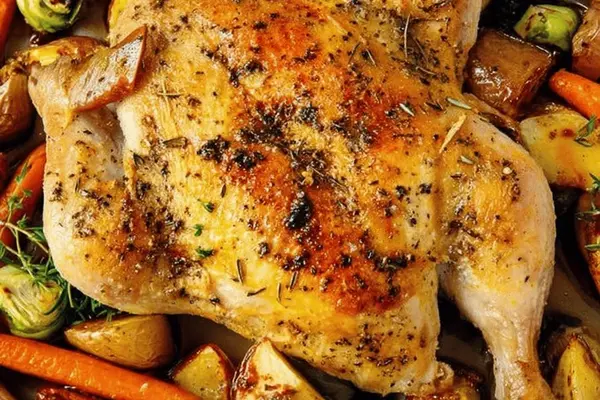
Herbed Spatchcock Chicken
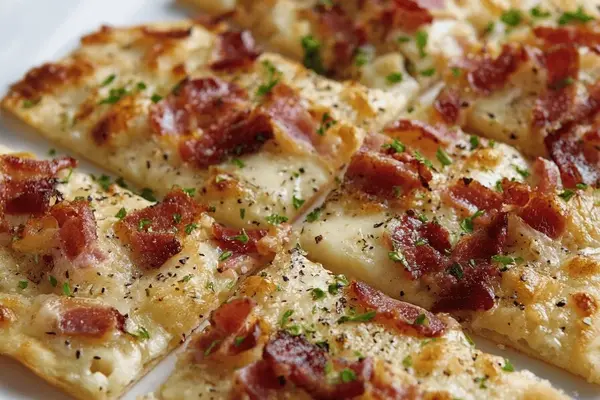
Alsacian Flat Pizza
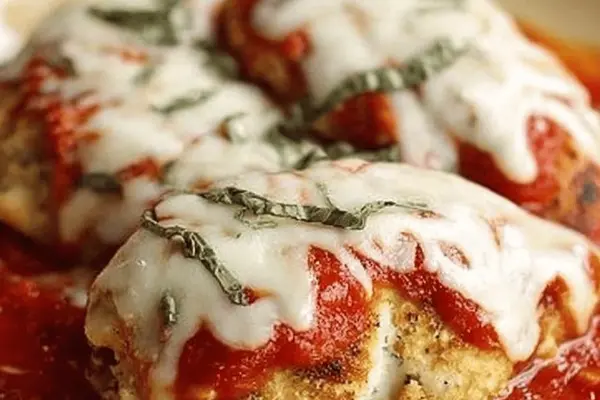
Grilled Pesto Chicken Parm
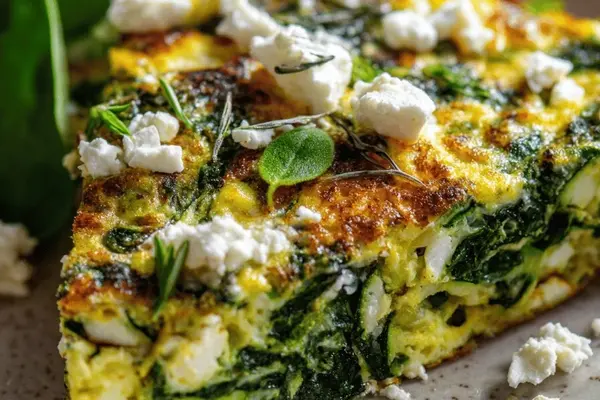
Spinach Zucchini Frittata
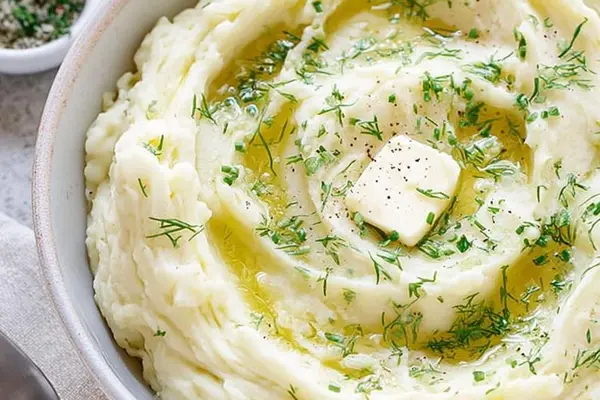
Slow Cooker Garlic Dill Mash
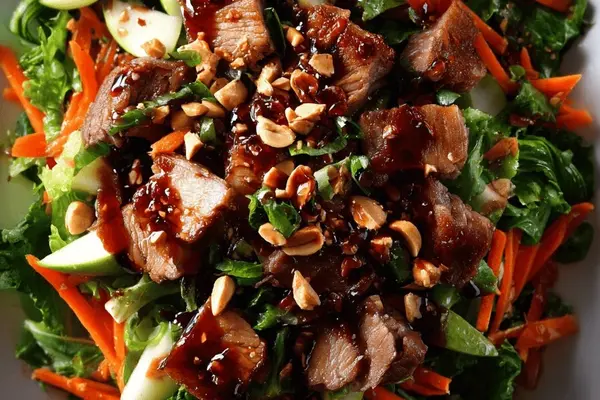
Pork Bok Choy Salad
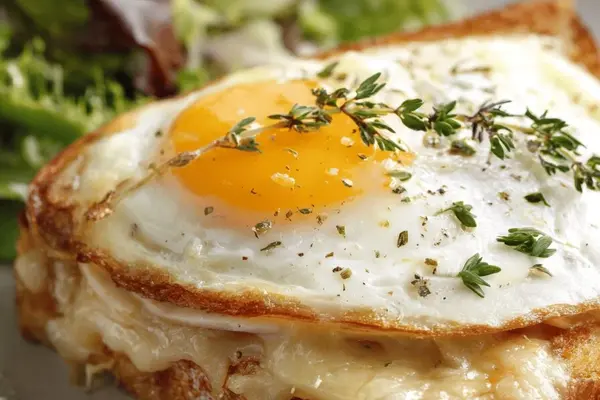
Twisted Croque-Madame
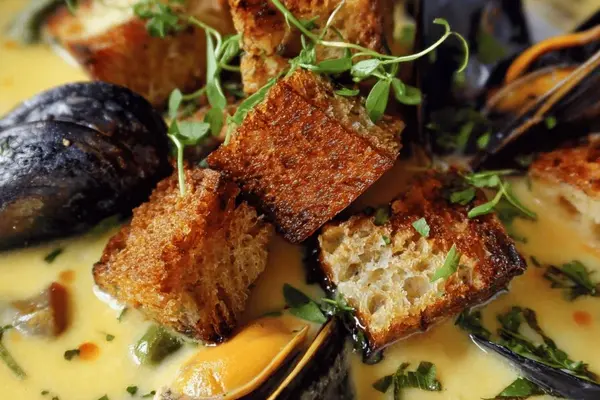
Cauliflower Cream Mussels

Creamy Chicken Taco Soup Twist
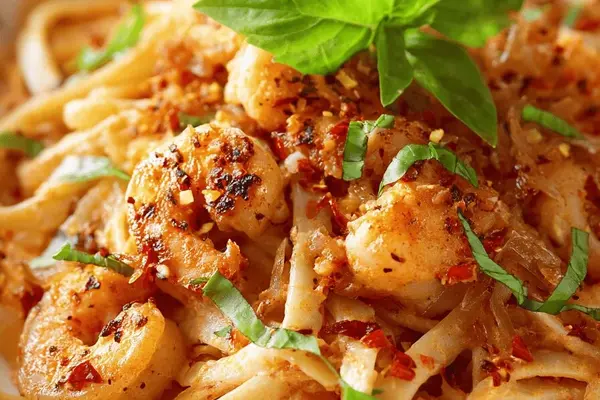
Cajun Shrimp Linguine Twist
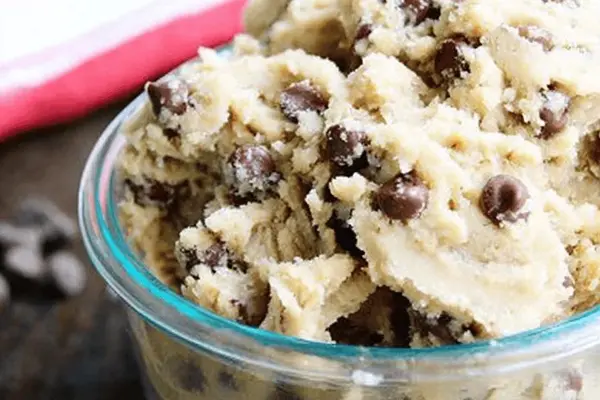
Edible Choco Dough Remix
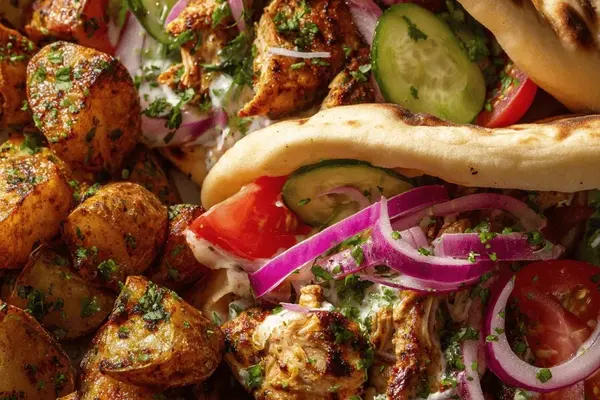
Chicken Naan Sandwiches
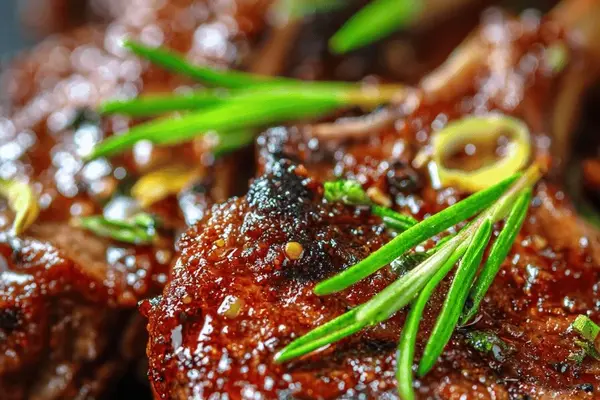
Honey Glazed Lamb Chops
Coconut Walnut Logs
Labneh with a Twist
Nutty Caramel Crunch
Curried Mango Chicken Subs
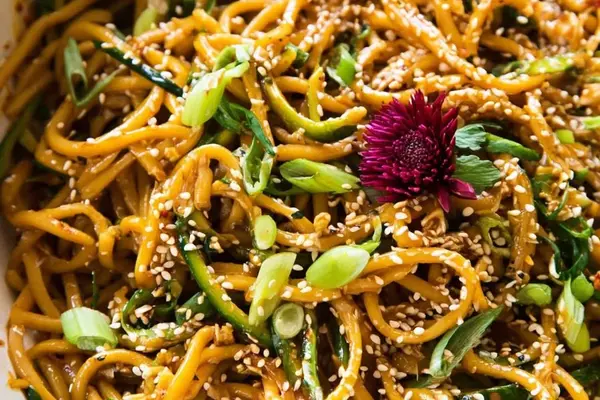
Spicy Peanut Noodles

Crispy Goat Cheese Salad Airfryer
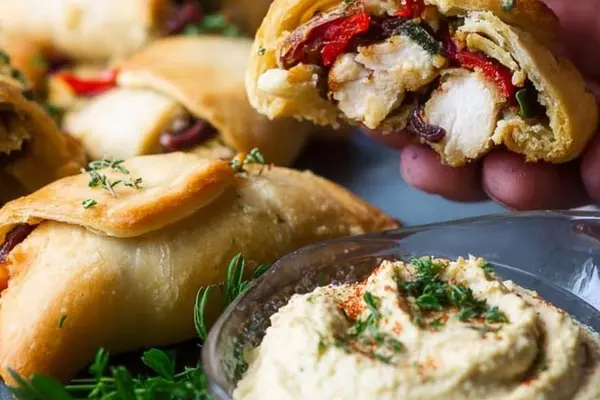
Mediterranean Chicken Crescents