Mini Cheesecake Cupcakes
E
By Emma
Certified Culinary Professional
•
Recipe tested & approved
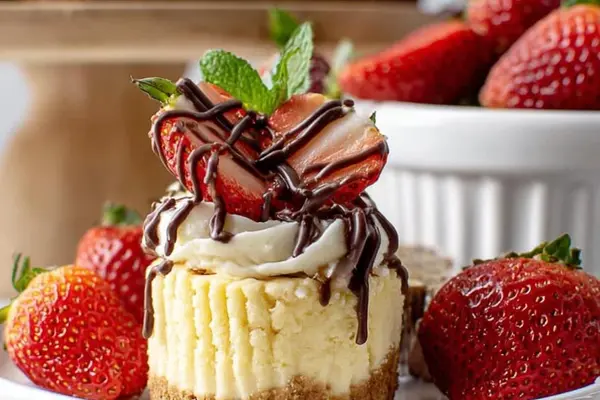
Tiny bites of creamy cheesecake with a buttery crust and a zesty cream cheese-tart twist. Vanilla wafers swapped for graham crackers to add a slightly richer depth. Yogurt swapped with sour cream for tang and silkiness. Baking time fluctuated to catch the edge between jiggly and set for that delicate wobble. Frosting thickened with a touch of lemon zest, providing bright contrast to the sweet richness. Piping just the centers locks that soft dome shape, then topped with berries or a mint leaf for freshness. A handful of pointers on crumble texture, egg addition speed, and liner removal to avoid tears or collapsing cakes. The kind you don’t want to share but have to.
Prep:
12 min
Cook:
22 min
Total:
35 min
Servings:
20 servings
#dessert
#cheesecake
#cupcakes
#American
#baking tips
#frosting
#easy dessert
#party food
Before You Start
Starting with crumbs already pressed, buttery and dense; that feeling when crust holds, not breaks. The buzz of mixer humming, cream cheese turning satiny. Sugar dissolving into sour cream — a little tang keeps the sweetness honest. Eggs blending in like magic. Batter sliding into lined tins, smooth and glossy. Oven warmth brings the scent of vanilla and cookie crust. Peek through the window — centers softly jiggle, edges firm. Cooling inches each degree, subtle tautness. Frosting whipped creamy with lemon zest fragrance cutting through. Piping—a dot placed just right to crown each cupcake. A hint of fruit, cool freshness brightens the scene. Tiny cheesecakes you want immediate but wait—chill crucial. Learned from cracked disasters and sticky liners; patience pays off. Taste bursts creamy, dense, yet not heavy, with a buttery crumb. Pure handheld indulgence for cheesecake lovers who get it messy and real.
Ingredients
- 1 1/2 cups graham cracker crumbs
- 7 tablespoons unsalted butter melted
- 16 ounces cream cheese softened
- 3/4 cup granulated sugar
- 1/2 cup sour cream
- 2 large eggs
- 1 teaspoon vanilla extract
Cream Cheese Frosting === 4 ounces cream cheese softened
- 3 tablespoons unsalted butter softened
- 1 1/2 cups powdered sugar sifted
- 1/2 teaspoon vanilla extract
- Pinch of salt
- Zest of 1 lemon
- 1 to 2 tablespoons milk or cream if needed
In The Same Category · Desserts
Explore all →
Twisted Pecan Cheesecake
Microwave Chocolate Mug Cake

Crunchy Apple Fritters
Coffee Caramel Macarons
Mini Lime Coconut Cupcakes
Red Velvet Cupcakes Twist
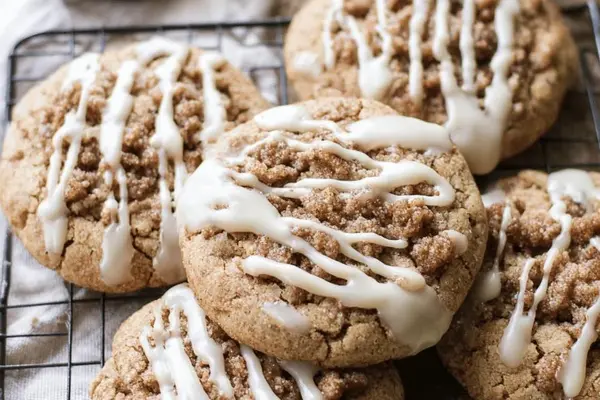
Streusel Coffee Cake Cookies
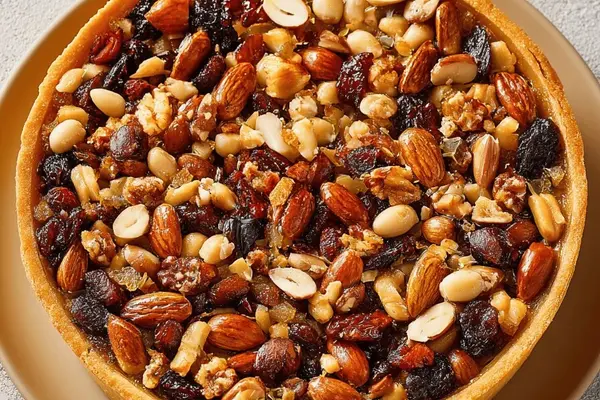
Fruity Nut Tart Remix
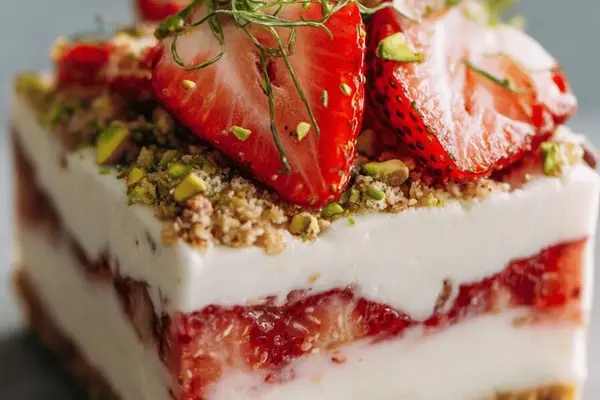
Frozen Yogurt Oat-Coconut Cake
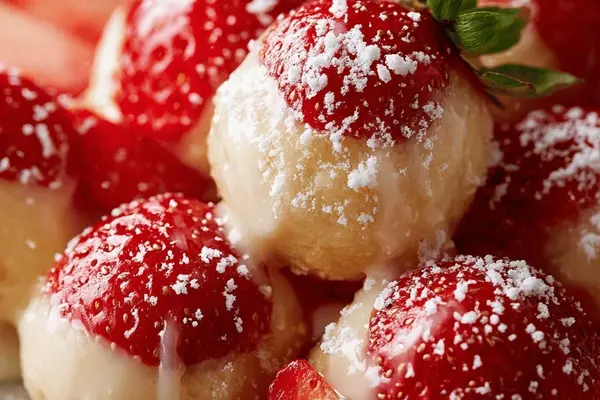
Strawberry White Chocolate Bites
Vanilla Panna Cotta Rhubarb Compote
Snowball Truffles
Strawberry Meringue Tartlets
Zesty Shortbread Bars
Amaretto Cherry Hazelnut Brownies
Funfetti Oreo Cookie Bars
Opera Cake Redux
Blackberry Ginger Bundt
Iced Rhubarb Cake
Black Forest Tart Remix
About the ingredients
Substituting graham cracker crumbs for vanilla wafers elevates the crust’s texture and flavor, creating sturdier, less sweet bases. Butter quantity slightly trimmed to prevent greasy bottoms but enough to bind crumbs effectively. Sour cream in place of yogurt tweaks the tang and richness, lending a silkier mouthfeel and more stable bake. Powdered sugar in frosting sifted to avoid lumps; adding lemon zest creates a bright counterpoint to the cream cheese decadence, preventing sweet overload. Milk or cream tweaks the frosting’s pipeability—add cautiously; too much thins out consistency and defeats design. Eggs added slowly so batter emulsifies without curdling, balancing rise and elasticity. Liner choice matters—wax paper preferred to prevent sticking while allowing steam to escape. Cooking spray on liners is non-negotiable for easy release. Fresh garnishes not only decorate but lift heavy richness with acidity or herbaceous snap. These small swaps and additions turn the method into something uniquely satisfying and practical for real kitchens.
Method
Crust and Filling
- Heat oven 325F. Fill 20 muffin liners with crumbs — fits best with some room on top. Coat lightly with cooking spray to avoid soggy crusts.
- Mix melted butter with graham crumbs. No dry patches — crumbs should just hold shape pressed in bottom. Too wet and crust gets greasy; too dry, crumbly mess.
- Beat cream cheese until no lumps, scraping bowl edges often. Add sugar and sour cream — sour cream crushes that too-sweet flat flavor, plus adds tang. Mix until creamy but not airy.
- Add eggs one at a time, blending just until combined. Overmixing pushes air into batter — leads to cracks and puffing, then sinking during baking. Vanilla last for punch of aroma.
- Divide batter evenly over crust in tins. Fill nearly to top but don’t overpack — cheesecake rises little, slight dome. Smooth tops with offset spatula or back of spoon.
- Bake 21-23 minutes. Watch batter jiggle in center like gelatin, not liquid. Too done equals dry. When edges are set and center holds with bounce, pull out oven.
- Cool on rack 30 minutes to set slow; prevents cracking from rapid cooling. Then chill 3 hours minimum or overnight. Important for slicing cleanly and texture firming.
Cream Cheese Frosting
- Blend cream cheese and butter until creamy with no lumps. Add powdered sugar gradually for control, vanilla, salt, lemon zest for zing. Taste here. Must balance sweetness with brightness.
- Add milk or cream sparingly if too thick. Texture should pipe easily but hold shape—smooth, not runny. Refrigerate to firm, but let soften before piping or frosting splits.
- Remove cooled cheesecakes from tins by gently peeling liners off. Cold cakes pull away easier, but careful not to break sides. Warm liners cause sticking or tearing.
- Fill piping bag with frosting; snip corner 1-inch diagonal. Pipe just into center of each cupcake — frosting acts like a burst of creamy brightness without overpowering tangy cake.
- Add berries, fresh mint, candy shards, or drizzles of coulis for texture and color contrast. Keeps cupcakes light and inviting; frosting centers don’t mask the base.
Notes
- Crust swap: Graham crackers better than vanilla wafers because they crisp up without sogginess, less sweet. Butter amount slightly reduced here to avoid grease pooling after chilling.
- Dairy notes: Sour cream replacing yogurt changes texture subtly; more luxurious mouthfeel, weightier body. Yogurt can be thinner, sometimes causes cracking or dryness.
- Eggs: Adding eggs slowly avoids curdling cream cheese-batter mix. Mix briefly but thoroughly; overmixing introduces air bubbles that create cracks or holes.
- Cooking cues: Visual jiggle dictates doneness. Don’t trust timer alone. Underbaking can cause collapse; overbaking dry crumb.
- Frosting: Zest adds flavor dimension and cuts cloying sweetness. Milk thin essence to consistency, not too many drops or it becomes runny and loose.
- Chilling: Patience here is key for texture and easy removal. If rushed, frostings slide off, crumb falls apart.
- Decoration: I like freshness—mint, citrus zest, berries. Candy adds crunch but avoid if frosting is too soft.
- Common mistakes: Overfilling tins—cakes spill over and bake unevenly. Removing liners too soon causes sticking and breaks. Use liners designed for cheesecakes, wax-based preferred.
- Efficiency tip: Prep crust, then while baking mix filling. Multitasking speeds process and cool time overlaps.
- Backup: No stand mixer? Use good hand mixer, but pause to scrape bowl often to avoid lumps.
Cooking tips
The order of steps maximizes efficiency and sets up a clean bake: crust first pressed, baked briefly, then cheesecake filling whipped and poured into prepared cases. It’s tempting to overmix the batter; resist that impulse to avoid air bubbles and cracks. Monitoring jiggle—not timer—decides doneness: edges firm with a tactile ‘give’ in the center like wobbling gelatin indicates perfect setting. Rapid cooling leads to cracks; cooling gradually on the rack, then chilling fully solidifies texture and aids slice cleanly. Frosting whipped just so: no lumps and a balance of sweet and tang with lemon zest brightening up the richness. Piping only centers keeps cupcakes neat and light. Removing liners cold prevents breaks but be gentle to avoid tearing crumb. Back-up if no stand mixer—the hand mixer with pauses for scraping will do. Tips I’ve learned the hard way: don’t overload cups, watch the filling jiggle, and be patient with chilling for flawless texture. Garnishes finish the story, giving a snapshot of freshness or crunch on each bite.
Chef's notes
- 💡 Crust needs just right moisture; too wet grease pools, too dry crumbles. Press crumbs firmly but not smashed. Butter melted helps bind better. Coat liners lightly with cooking spray or crust sticks; wax paper liners preferable but spray non-negotiable to avoid soggy bottoms and tearing.
- 💡 Add eggs slow; beat briefly between additions to avoid air bubbles. Overmixing traps air, leads to cracks, uneven rise, sometimes collapsing mid-bake. Vanilla last for aroma boost; don’t whisk vigorously after. Batter should be creamy but not fluffy. Watch texture closely. The jiggle test beats timer every time.
- 💡 Bake at 325F with margin on timing—21 to 23 minutes max. Edges set firm, center should move gently like soft gelatin when shaken. Overbaking dries crumb; underbaking causes sinks. Cool on rack well—30-min gradual cooling prevents cracking from thermal shock. Then chill hours or overnight minimum for texture to firm and slicing ease.
- 💡 Frosting needs balance between sweet and tang; lemon zest sharpens flavor, cuts cloying cream cheese richness. Powdered sugar sifted to avoid lumps. Add milk or cream sparingly to adjust pipeability; too much makes runny frosting which doesn't hold shape. Chill frosting to firm but soften slightly before piping to avoid splits.
- 💡 Remove liners when cupcakes fully cold for easiest lift; warm liners stick and tear crumb easily. Peel gently, avoid yanking sides. Pipe frosting only into centers. Keeps dome shape neat, no overflow. Garnish fresh with mint, berries, candy shards. Adds bite and freshness contrast to dense sweet base.
Common questions
What if my crust is greasy?
Usually too much butter or too wet crumbs. Cut back butter slightly. Press crumbs firmly but avoid squeezing moisture out. Use grahams not wafers for crisp texture and less sweet. Liner spray helps, also bake edges first with crust to firm base.
Why does my cheesecake crack?
Most common from overmix or too fast egg addition. Air bubbles rise and burst. Bake slow, watch jiggle, not timer. Cooling rapid causes cracks—cool on rack before fridge chill. Yogurt can be swapped for sour cream for better texture and less cracking but go slow with eggs always.
How to tell when done?
Edges fully set; center jiggles softly like gelatin—this bounce tells you not to overbake. If center liquid or too soft, bake longer 1-2 minutes. Crack prevention beats timer setting. If unsure, less bake then fridge chill. Patience key.
How to store cupcakes?
Wrap airtight or place in container, keep refrigerated to hold shape and freshness. Bring close to room temp before serving for better flavor. Can freeze without frosting; thaw overnight in fridge. Frost toppings fresh to avoid sogginess. Leftovers last 3-4 days chilled.
You’ll Love These Too
Explore all →
Spiced Beef with Herbed Rice

Rustic Chicken Noodle Soup

Tuna Tartare Avocado Mousseline
Sweet Potato Sliders Guacamole

Chicken Stir Fry Rice Noodles

Hot Lobster Rolls Reinvented

Smoky Chicken Birria Tacos

Spicy Peach Chicken
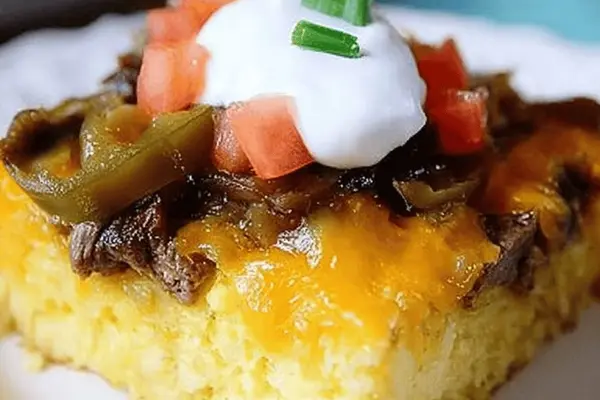
Oven-Baked Steak Hash Omelet

Sweet Potato Pepper Frittata

Stuffed Pineapple with Lime Granita
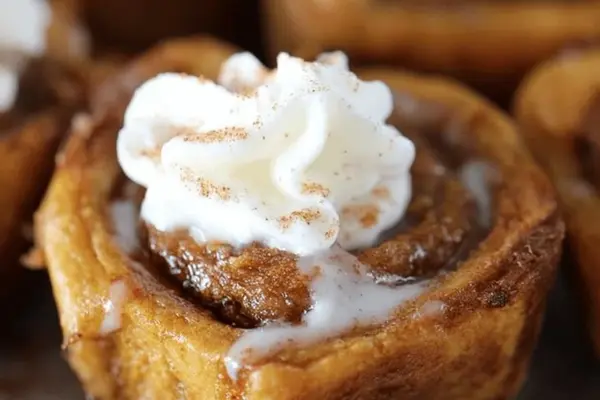
Pumpkin Pie Cinnamon Bites

Sticky Sesame Chicken
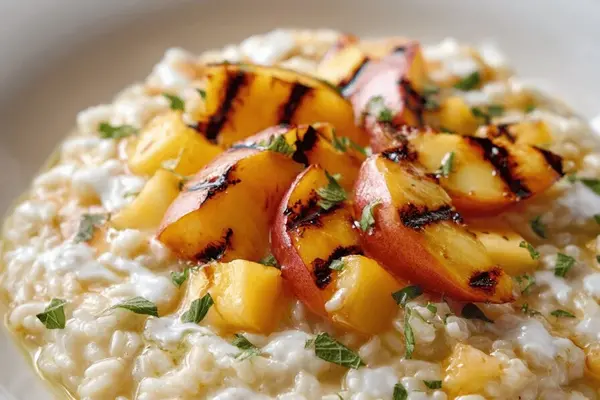
Peach White Chocolate Risotto
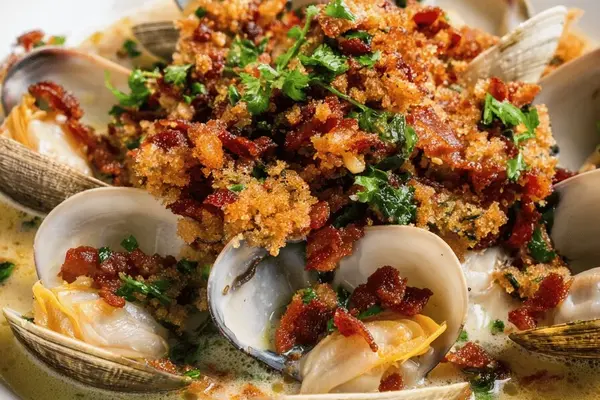
Clams White Wine Bacon Crumble
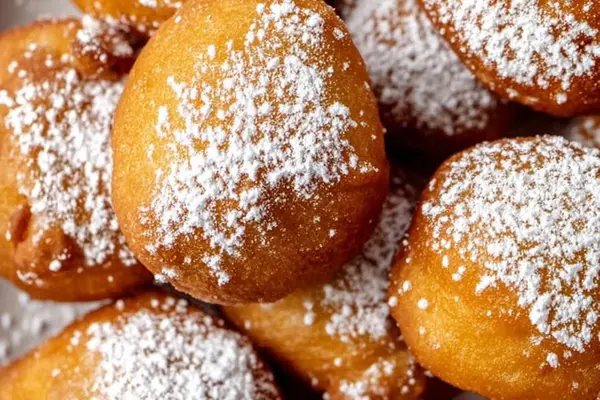
Italian Fried Dough Zeppole
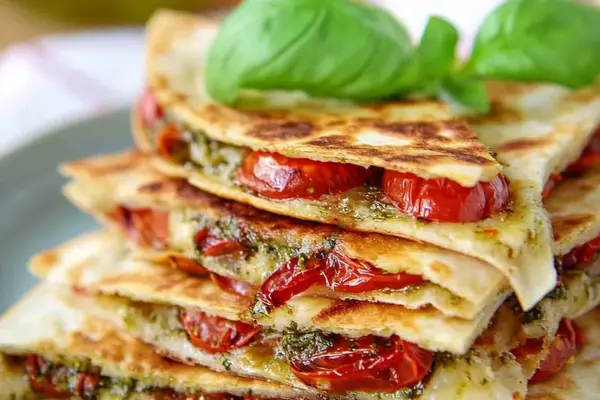
Caprese Pesto Quesadillas

Roasted Spiced Squash Soup
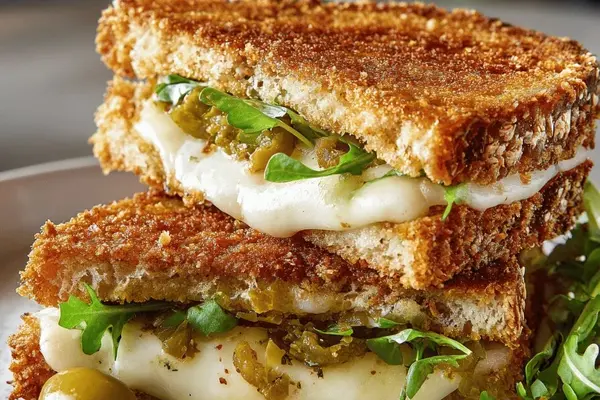
Crunchy Anchovy Mozzarella Sandwich
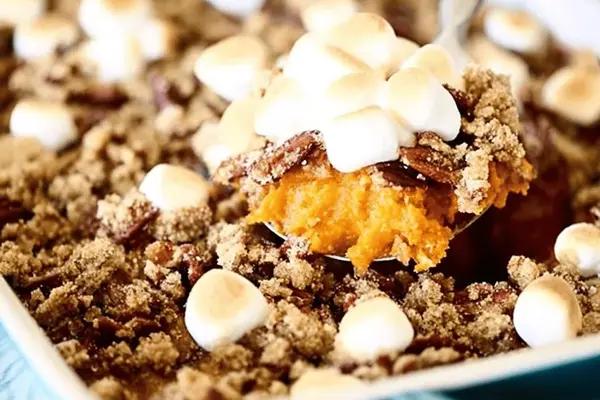
Twisted Sweet Potato Bake