Mini Goat Cheese Quiche with Pine Nuts

E
By Emma
Certified Culinary Professional
•
Recipe tested & approved
Mini goat cheese quiche with sun dried tomatoes, pine nuts, and crispy Parmesan crust. Soft, tangy filling baked until golden. Perfect for brunch or light lunches.
Prep:
15 min
Cook:
28 min
Total:
43 min
Servings:
6 servings
Divide the dough into six, roll thin, press into mini tart pans. Dock the bottoms. Chill. Bake the shells until golden, 12 minutes. Cool slightly. Whip softened goat cheese with eggs until smooth — slightly gloppy is fine. Pine nuts and sun dried tomatoes go in the bottom of each shell. Pour the cheese mixture over. Sprinkle salt and pepper. Bake 17 to 18 minutes at 345F until the filling sets with a slight jiggle in the center. Rest five minutes. Garnish with chives. Done.
This is what appetizers should be.
Why You’ll Love This Mini Goat Cheese Quiche
Impressive enough for actual guests but you’re done in 43 minutes total. Vegetarian appetizer that doesn’t taste light or forgettable — goat cheese does the work. Make six at once. Freezes cold or eats warm. Leftovers taste better the next day somehow. No fancy equipment. Custard cups work if you don’t have mini tart pans. The crust is butter, the filling is eggs and cheese and sun dried tomatoes. That’s the whole thing.
What You Need for Mini Goat Cheese Quiche
Crust: One and a quarter cups all-purpose flour. Eight tablespoons cold unsalted butter cubed — cold matters here, not at room temperature. Two tablespoons grated Parmesan. Three tablespoons ice cold water, divided. You might not need all of it.
Filling: Four ounces goat cheese softened — fifteen minutes on the counter, not the microwave. Three large eggs lightly beaten. Three tablespoons pine nuts. Three tablespoons sun dried tomatoes chopped. Salt and freshly ground black pepper. Chives for the top.
The goat cheese is the thing. Everything else supports it. Don’t use soft spreadable — get the kind that’s a little firm. It whips cleaner.
How to Make a Homemade Quiche Crust with Parmesan
Beat flour and cold butter in a stand mixer on low speed until coarse crumbs form. Add Parmesan. Pour in two tablespoons of the ice cold water. Mix briefly — you’re just bringing it together. Should feel dry, not sticky. If it’s too crumbly to hold together, add that last tablespoon of water. Don’t overwork it.
Dump it onto a floured counter. Shape into a ball quick. Pat into a thick disc — about three quarters of an inch. Some crumbling expected. Patch the holes with your fingers. Don’t overwork. Wrap in plastic wrap. Chill fifteen minutes minimum.
After it firms up, divide into six equal pieces. Roll each one out thin — about two millimeters, rough circles. Flour the counter, flour your rolling pin, flour the top of the dough. It’ll want to stick. Press each one into your mini tart pans using your fingers. Push it into the ridges. Trim the excess around the edges. Use the scraps to patch any holes. Dock the bottoms with a fork three times — prevents bubbles during baking.
Pop the shells in the freezer for fifteen minutes while you preheat the oven to 345 degrees Fahrenheit.
How to Get Your Quiche Crust Golden and Crispy
Arrange the chilled shells on a baking sheet. Bake for 12 minutes. Watch them. The edges should turn lightly golden and feel firm to the touch, but not brown. Thin crust burns fast. You want crispy, not charred.
When they’re set but still pale, pull them out and cool slightly. Five minutes. That’s it.
Easy Vegetarian Appetizers with Goat Cheese and Sun Dried Tomatoes
In a clean bowl, whip the softened goat cheese with a paddle or hand mixer until creamy. Get the lumps mostly gone — it doesn’t have to be completely smooth. Slowly mix in the beaten eggs until just combined. It’ll be slightly gloppy. That’s right.
Spoon the pine nuts and sun dried tomatoes evenly into each shell bottom. You want them distributed. Ladle the goat cheese mixture over. Fill to the rim.
Sprinkle salt and pepper sparingly on top. Not much. The goat cheese is delicate and salt overwhelms it quick. Less is more here.
Bake at 345 degrees for 17 to 18 minutes. Look for the filling to become spongy and set with a slight jiggle in the center. The edges might puff and crack slightly when done — that’s normal. Overbaking leads to dry, crumbly filling.
Let them rest five minutes. Garnish with chopped chives and maybe an extra slice of sun dried tomato on top. Serve warm, not piping hot. Piping hot dries everything out.
Mini Goat Cheese Quiche with Pine Nuts
Prep:
15 min
Cook:
28 min
Total:
43 min
Servings:
6 servings
Ingredients
- Crust
- 1 1⁄4 cups all-purpose flour
- 8 tablespoons cold unsalted butter cubed
- 2 tablespoons grated Parmesan cheese
- 3 tablespoons ice cold water divided
- Filling
- 4 ounces goat cheese softened
- 3 large eggs lightly beaten
- 3 tablespoons pine nuts
- 3 tablespoons sun dried tomatoes chopped
- Salt and freshly ground black pepper to taste
- Chives chopped for garnish
Method
- Crust
- 1 In stand mixer bowl fitted with paddle attachment beat flour and cold butter on low until coarse crumbs form. Add Parmesan then 2 tablespoons cold water. Mix briefly to bring dough together. Should feel dry not sticky. Add remaining tablespoon water only if too crumbly to hold.
- 2 Dump dough onto well floured counter. Shape quickly into ball then gently pat into ¾-inch thick disc, don’t overwork or warm it up. Some crumbling expected but patch as needed. Wrap tightly in plastic wrap. Chill 15 minutes minimum to firm up.
- 3 Divide dough into six equal parts. Roll each out in flour to about 2mm thickness, rough circles large enough to line mini tart pans or custard cups. Press dough into form using fingers, pushing into ridges to avoid air pockets. Trim excess dough around edges. Use scraps to patch holes. Dock bottoms with fork three times to prevent bubbles.
- 4 Pop lined shells in freezer 15 minutes to set shape. Preheat oven to 345F (175C) meanwhile.
- 5 Arrange chilled shells on baking sheet. Bake 12 minutes or until edges turn lightly golden and crust feels firm to touch but not brown. Thin crust means watch closely to avoid burning. Remove and cool slightly.
- Filling
- 6 In clean bowl, whip softened goat cheese with paddle or hand mixer until creamy and lumps mostly gone. Slowly mix in beaten eggs until just combined, slightly gloppy texture okay.
- 7 Spoon pine nuts and sun dried tomatoes evenly into each shell bottom. Ladle goat cheese mixture over the fillings filling shells to rim.
- 8 Sprinkle salt and pepper sparingly on top. Too much salt will overpower the delicate goat cheese. Less is more here.
- 9 Bake at 345F (175C) for 17-18 minutes. Look for filling to become spongy and set with slight jiggle in center. Edges may puff and crack slightly when done. Overbaking leads to dry crumbly filling.
- 10 Let quiches rest 5 minutes. Garnish with chopped chives and an extra sun dried tomato slice if desired. Serve warm not piping hot to avoid drying out fillings.
Nutritional information
Calories
255
Protein
7g
Carbs
13g
Fat
19g
Frequently Asked Questions About Quiche Recipes
Can I make these quiches ahead of time? Yeah. Bake them, cool them completely, wrap each one individually, freeze for up to a month. Reheat gently at 300 degrees for about eight minutes. Or eat them cold straight from the fridge — actually better sometimes.
What can I use instead of sun dried tomatoes? Fresh spinach. Roasted red peppers. Caramelized onions. Olives if you’re into that. The thing is — sun dried tomatoes add a tang the filling needs. Whatever you swap in, make sure it brings something to the table.
Do I have to use mini tart pans? No. Custard cups work. Small mason jars work. Even a muffin tin if you really want minis. Just adjust baking time down if you go super small — maybe 14 minutes instead of 17.
Can I use store-bought pie crust? Could. Doesn’t taste as good as butter crust with Parmesan. Not saying don’t — I’m saying you’ll notice the difference.
Why does my filling come out dry? Baking too long. Or your oven runs hot. Start checking at 16 minutes, not 18. That jiggle in the center matters. It firms up as it cools.
Is this actually vegetarian? Yes. Eggs, cheese, nuts, tomatoes, vegetables. No meat anywhere. The Parmesan in the crust might not work if you need vegan — switch to olive oil crust instead.
You’ll Love These Too
Explore all →
Pickled Cabbage with Ginger & Apple Cider

Melted Snowman Cookies with Marshmallows
Sheet Pan Eggs Recipe with Salt & Pepper
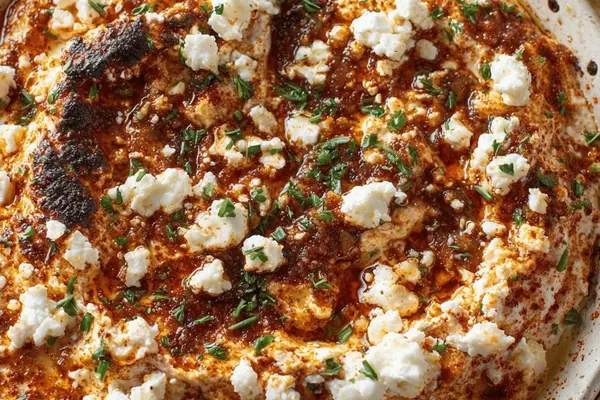
Caramelized Onion Dip with Feta & Cream Cheese

Leek and Ham Puffs with Gruyère Cheese
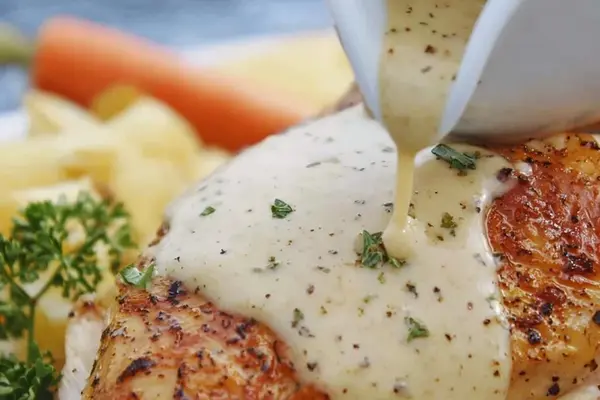
Chicken Drippings Gravy Recipe
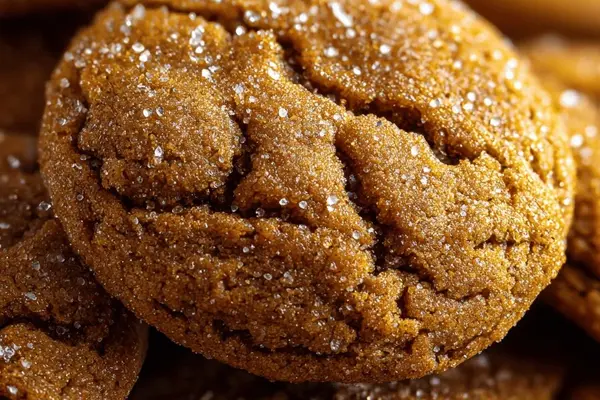
Molasses Banana Cookies with Cinnamon
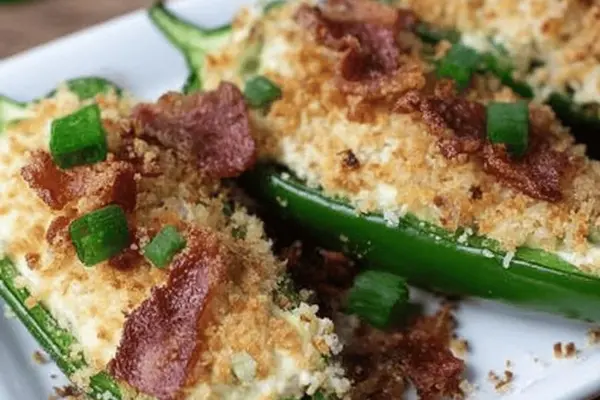
Baked Jalapeno Poppers with Cream Cheese
Roasted Parsnip Onion Soup with Apple
Red Pepper Tomato Sauce with Garlic
Pickled Eggs With Shallots & Pink Peppercorns
Sausage Pepper Pasta with Fontina Cheese
Pecan Butter Biscuits with Cardamom

Chicken Cheese Ball with Pecans & Ranch
Salmon Mango Tartare with Curry Yogurt Sauce
Creamy Cucumber Salad with Sour Cream

Creamy Chicken Pasta with Garlic Butter Sauce
Chocolate Brownies with Espresso and Mini Chips
Chicken Stuffed Shells with Alfredo Sauce