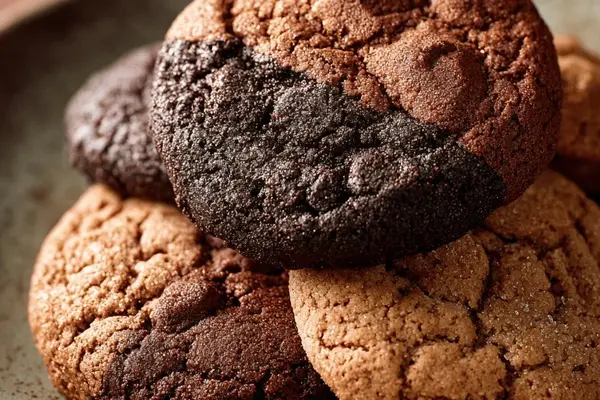
Chocolate Chip Cookies with Almond Meal

By Emma
Certified Culinary Professional
·
Recipe tested & approved
Chocolate chip cookies made with butter, brown sugar, and almond meal instead of oat flour. Semi-sweet and dark chocolate create rich texture. Less white sugar means less sweetness.
Prep:
15 min
Cook:
15 min
Total:
30 min
Servings:
70 servings
Cut the butter into chunks first. Room temperature matters more than you think—melted butter makes them cake, room temp makes them actually crisp at the edges. This recipe uses both semi-sweet and grated dark chocolate, which sounds fancy but it’s just two kinds sitting in your pantry doing different things while they bake.
Why You’ll Love This Homemade Chocolate Cookies Recipe
Takes 30 minutes start to finish. Fifteen to prep, fifteen in the oven if you’re not messing with them.
Tastes like a bakery made them, except better because they’re still warm. The dark chocolate grates into tiny pieces that melt into the dough instead of staying as chunks—creates pockets of flavor instead of just lumps.
Works with stuff you probably have. Almond meal instead of oats means they stay tender longer. Store them in a container and they’re somehow better the next day.
Comfort food that’s actually not that hard. No special equipment, no waiting around. Just butter, sugar, chocolate.
What You Need for Butter Cookies with Chocolate
Two cups butter softened—not melted. Room temperature. Cold butter won’t cream properly, warm butter makes everything greasy. One tablespoon at a time to taste, that’s your sugar ratio. Three quarters cup white, one cup brown packed down. The brown adds moisture, keeps them chewy in the middle.
Two eggs. One at a time. A splash of vanilla—two teaspoons. Don’t cheap out on vanilla. Tastes like cardboard otherwise.
Three and a half cups flour. One cup almond meal—this is the swap that matters. Ground oatmeal would work but almond meal gives you a different crumb, denser, more tender. Half a teaspoon salt. One teaspoon each of baking powder and baking soda.
Chocolate is the whole point. A cup and a half semi-sweet chips. Half a cup grated dark chocolate or bittersweet—grate it yourself if you have a box grater, it melts different than chips do. Optional sea salt flakes on top. Not optional if you like salt cutting sweetness.
How to Make Chocolate Cookies with Almond Flour
Heat the oven to 380 degrees. That’s hotter than standard recipes say. Compensates for how different ovens absorb heat differently. Line your pans with parchment or silicone mats—saves you scrubbing burnt edges later.
Cream the butter and sugars together until it goes pale. Not white. Just lighter than brown. Two to three minutes if you’re using a mixer. Watch the texture, not the clock. It’ll feel fluffy when you’re done. That fluff matters.
Add eggs one at a time. Mix after each one. This emulsifies everything, keeps the dough smooth instead of splitting. Vanilla goes in now. Mix it.
Separate bowl. Whisk flour, almond meal, salt, baking powder, baking soda. Combine everything dry first so you don’t get flour pockets in the final dough.
Fold the dry stuff into the wet stuff. Folding. Not stirring hard. You lose all that fluff you just created, you lose the texture. It happens fast once it starts coming together.
Both chocolates go in now. The chips stay as chips, the grated dark chocolate melts into the dough. Creates two different texture experiences in one bite.
How to Get Creamed Butter Cookies Actually Crispy
Roll into tablespoon-sized balls. Press them flat slightly if you want crispy edges instead of puffy cookies. Space them at least two inches apart. Crowding the pan leads to merging mid-bake, uneven cooking.
Sea salt on top now if you’re doing it. Just sprinkle. It’ll stick to the buttery surface.
Bake for eight to twelve minutes. This is the window where magic happens. You’re watching for golden edges and centers that still feel soft to the touch but look set. Lift one cookie carefully—the bottom should show toasted tan. Not dark brown. Dark brown means the butter’s starting to burn.
Listen. Actually listen. There’s a faint crackling sound when they’re close. The smell changes too. Rich butter and chocolate, fills the whole kitchen. That’s your signal more than any timer.
Cool them on racks for at least ten minutes. Hot cookies fall apart. Cooling creates structure. Bake in batches if you need to—warm air pooling inside the oven ruins the next batch.
Almond Flour Chocolate Chip Cookies Tips and Mistakes
The biggest mistake is creaming butter too long. You’re not making butter frosting. Pale and light, two to three minutes. Then stop.
Almond meal holds moisture different than oatmeal does. Your dough might feel slightly more tender. That’s correct. Don’t add more flour thinking you messed up.
Grated chocolate melts into the dough. That’s different from chips. If you want pockets of chocolate, use chips. If you want chocolate flavor throughout, grate it. Or use both, like this recipe does.
Storage keeps them soft if you seal the container while they’re still slightly warm. Harder and drier if you leave them uncovered overnight. Both are fine depending on what you want.
Chocolate Chip Cookies with Almond Meal
Prep:
15 min
Cook:
15 min
Total:
30 min
Servings:
70 servings
Ingredients
- 2 cups unsalted butter softened
- 1 cup white sugar reduced to ¾ cup
- 1 cup light brown sugar packed
- 2 large eggs
- 2 tsp pure vanilla extract
- 3 ½ cups all-purpose flour
- 1 cup almond meal (replace ground oatmeal)
- ½ tsp salt
- 1 tsp baking powder
- 1 tsp baking soda
- 1 ½ cups semi-sweet chocolate chips
- ½ cup grated dark chocolate or bittersweet
- optional sea salt flakes for topping
Method
- Preparation
- 1 Preheat oven to 380°F. Hotter by a few degrees to compensate for different flour absorption. Lines: parchment paper or silicone mats, saves scrubbing burnt mess.
- Mixing
- 2 Butter at room temp, not melted. Cream butter with sugars until pale and light, 2–3 minutes. Watch texture not clock. Using electric mixer helps but don’t overbeat or cookies turn cakey.
- 3 Add eggs one at a time, beating after each to emulsify properly. Splash vanilla, mix in.
- 4 In separate bowl, whisk flour, almond meal, salt, baking powder, baking soda. Almond meal adds moisture, slightly denser than oats.
- 5 Fold dry mix into wet. Folding, not pounding. Lose fluff, chew lost too.
- 6 Throw in chocolate chips and grated dark chocolate. The grated bits, melt slower; chunks for pockets of texture.
- Forming
- 7 Tablespoon-sized balls. Press slightly flat if you want crisper edges. Space no less than 2 inches. Crowding leads to merging and uneven baking.
- 8 Optional: sprinkle sea salt flakes on top before baking; cuts sweetness and adds pop.
- Baking
- 9 8–12 minutes usually. Edges light golden, centers still soft but set. Lift one carefully; bottom shows toasted tan. Too pale means undercooked gooey center - fine if you like that. Too brown, burnt butter taste creeps in.
- 10 Listen for faint crackling, smells rich chocolate butter mix, scents fill kitchen.
- Finishing
- 11 Cool on racks at least 10 minutes. Hot cookies are fragile, cool creates structure. Bake in batches to avoid warm air pooling.
- Storage
- 12 Store airtight. Softer if sealed slightly before cool; harder, dry if left longer uncovered.
Nutritional information
Calories
208kcal
Protein
3g
Carbs
30g
Fat
9g
Frequently Asked Questions About Homemade Chocolate Cookies
Can I use salted butter instead of unsalted? Yeah, but reduce the salt in the recipe to a quarter teaspoon. Salted butter’s salt level varies. Easier to control it yourself with unsalted.
What if I don’t have almond meal? Ground oatmeal works. Texture changes slightly—they’ll be a bit less dense. Old-fashioned rolled oats, grind them in a food processor. Fine meal, not chunks.
Do I have to grate the dark chocolate or can I chop it? Both work. Grated melts into the dough, chopped stays as chunks. Chopped is easier. Grated is what the recipe does.
How soft should the centers be when I pull them out? They should feel set but give slightly when you press the very center. Not jiggly. Not hard. They’ll firm up as they cool.
Can I make the dough ahead? Scoop it onto a sheet, freeze it. Bake from frozen, add two minutes. Dough keeps in the fridge three days covered.
Why does the recipe say 380 degrees instead of 350? Different ovens absorb heat differently. 380 compensates for that variance. Your oven might run hot or cold. Adjust next time based on how dark the bottoms got.
You’ll Love These Too
Explore all →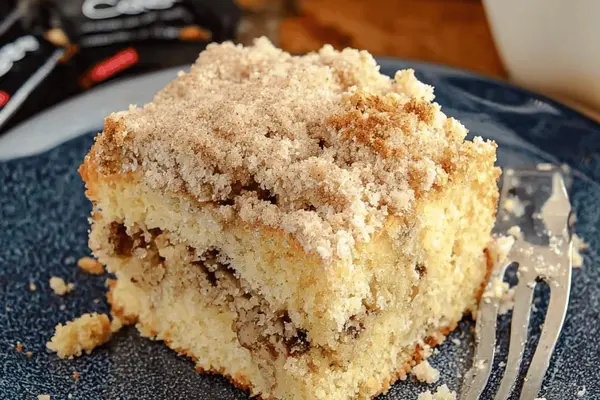
Buttermilk Pie with Cinnamon Streusel

Cheesy Veggie Beef Bake with Onion Rings

Pan Seared Sole with Dill and Mayo

Açaí Bowl with Strawberries and Pineapple

Mango Lassi Pops with Pistachio Crunch
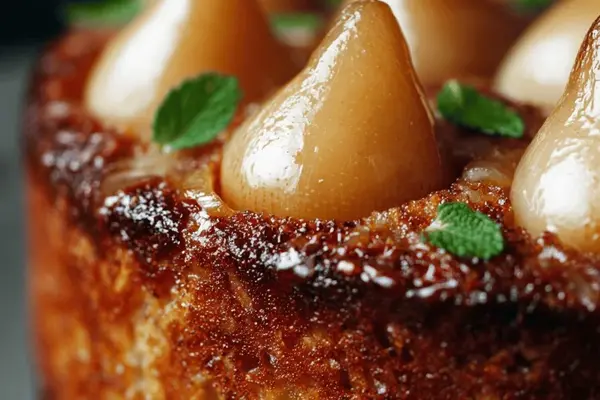
Red Wine Poached Pear Almond Cake
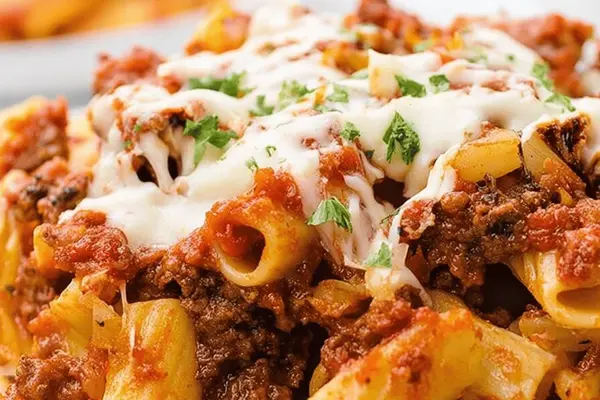
Crockpot Ziti Bake with Ground Beef
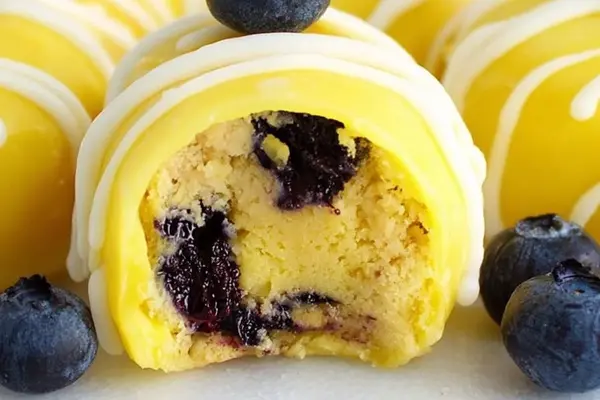
Lemon Blueberry Cheesecake Bites No Bake
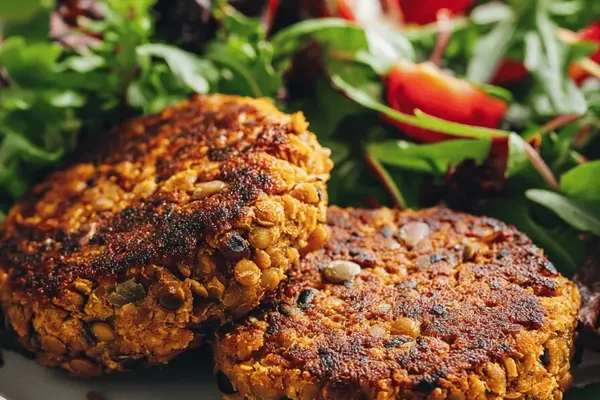
Oat Sunflower Burgers with Cheddar

Chicken Tacos with Chipotle & Mango

Chinese Pasta Noodles with Chili Oil
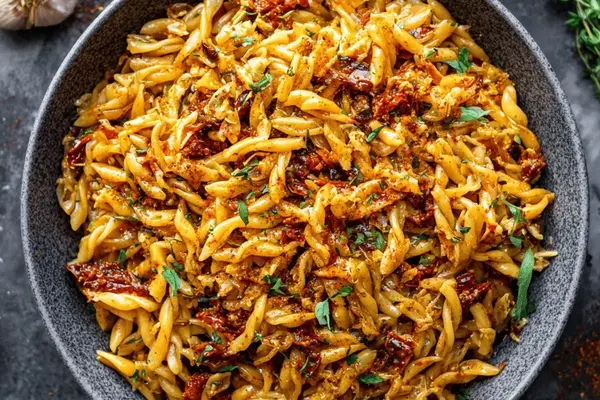
Pasta Jar Mix with Sun-Dried Tomatoes
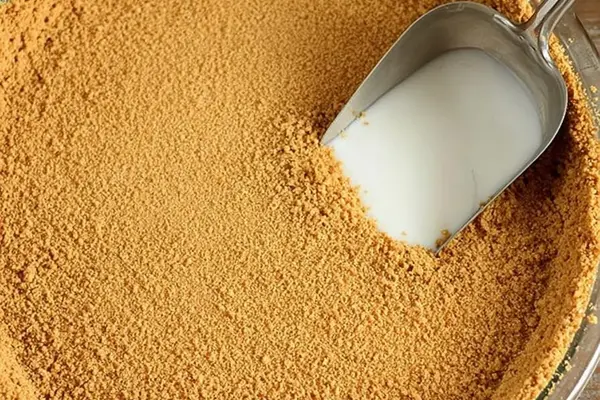
Graham Cracker Crust Recipe with Browned Butter

Creamy Pumpkin Soup with Pistachios
Bundt Cake Pumpkin with Maple Whiskey
Gooey Autumn Spice Cake with Cream Cheese
Cognac Foie Gras with Palm Sugar

Grilled Lamb Skewers with Honey Mustard
Honey Nut Baklava Recipe with Walnuts