Brown Butter Layer Cake with Coffee Mousse
E
By Emma
Certified Culinary Professional
•
Recipe tested & approved
Melt the butter slow. Watch the milk solids turn from white specks to actual brown, smell shifts to something nutty and deep. That’s the whole thing—brown butter cake starts there, 12 minutes of paying attention instead of rushing it.
Why You’ll Love This Brown Butter Hazelnut Cake
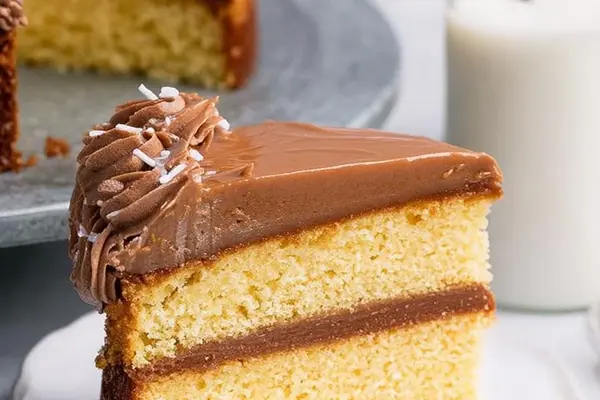
Two layers, rich and tender. The brown butter gives it a depth that regular butter just doesn’t have. Chocolate mousse filling—stable, glossy, spreads smooth. Gelatin keeps it from falling flat like regular whipped cream does. Takes an hour total, maybe a bit more if you’re slow. Not a weekend project. Tastes better the next day. Flavors settle, mousse firms up properly. Uses coffee liqueur in the filling but tastes like sophisticated dessert, not boozy.
What You Need for Brown Butter Hazelnut Cake
Two sticks unsalted butter. Melt it slow and brown it right. All-purpose flour—2 1/8 cups, or swap 2 cups cake flour plus 1/8 cup all-purpose if you want it more delicate. Baking powder and fine sea salt. Granulated sugar, 1 1/4 cups. Vanilla extract. Three whole eggs plus 2 yolks. Three-quarters cup whole milk. Shortening for the pans. Gelatin powder—1 tablespoon. Cold water. Heavy cream, 1 cup. Coffee liqueur, 2 tablespoons. More sugar for the mousse, 1/3 cup. Salt again, 1/8 teaspoon. Five ounces bittersweet chocolate, melted. Powdered sugar to dust on top.
How to Make Brown Butter Cake Layers
Heat the oven to 320 degrees. Grease two 8-inch round pans with shortening. Line the bottoms with parchment and dust with flour—tap out what doesn’t stick. This keeps the layers even, makes them release clean.
Melt the butter slowly in a saucepan over low heat. Stir often. Watch those milk solids shift from white specks to golden brown. The smell changes—toasted nuts, something warm. About 12 minutes here but not exact. When the browned bits clump slightly and bubbles pop gentle on the surface, done. Don’t let it burn dark. Scrape the butter plus every browned bit into a large heatproof bowl.
Set that bowl in an ice water bath. Butter softens but firms up around the edges. Roughly 7 minutes. This step matters for the texture you get when you beat it later. Skip it and the volume doesn’t build right.
Whisk flour with baking powder and salt in a separate bowl. Measure precisely. Some people swap to 2 cups cake flour plus 1/8 cup all-purpose here—lighter crumb, more delicate. Works either way.
Pull the butter from the ice bath. Scrape in all the solid bits clinging to the bowl. Beat it 4 minutes till pale and creamy. It lightens noticeably. Air gets trapped. Volume builds. Don’t rush or skip this part.
Add the sugar and vanilla. Beat on medium-high till fluffy, about 3 minutes. Then beat in the egg yolks one at a time, then the whole eggs. Mix well after each one. Should thicken smoothly, get shiny.
Alternate adding dry ingredients and milk in 3 additions. Start with dry, end with dry. Stir gently with a spatula after each addition. Avoid overmixing but don’t leave streaks.
Divide batter evenly into the pans. Tap them on the counter to release bubbles.
Bake on the middle rack 38 to 43 minutes. Rotate halfway through. Tops should go golden with a slight firm spring back when you touch them. Toothpick test—pull it out clean or mostly clean. Cool the cakes 18 minutes in the pans first. Then invert onto racks and peel the parchment after they’re fully cool.
How to Get the Coffee Liqueur Mousse Filling Right
Sprinkle gelatin over cold water. Let it hydrate 6 to 8 minutes till soft.
Whip the cream till soft peaks form. Chill it briefly.
Warm the coffee liqueur about 40 seconds in the microwave. Stir in the gelatin till fully dissolved. Scrape the bowl walls. Gelatin lumps will ruin the texture.
Beat the egg yolks, sugar, and salt on high until pale and thick. 4 to 5 minutes. Stream in the coffee-gelatin liquid slowly while beating. Fold in the melted chocolate gently—rubber spatula, light strokes to combine.
Fold the whipped cream in two additions. Light and deliberate. You’re preserving airiness. Mousse should be thick and glossy, spreadable after chilling 30 to 45 minutes. Sometimes it softens at room temp if too firm. Don’t microwave it. Patience.
Brown Butter Hazelnut Cake Tips and Assembly
Place one cake layer on a platter. Spread mousse generously but evenly across it. No peaks needed. Dust the mousse surface lightly with powdered sugar—adds texture, balances the bittersweet.
Top with the second layer. Press gently. Don’t squish mousse out the sides.
Rest the cake chilled minimum 1 hour. Flavors settle. Mousse firms. Serve closer to room temp so the frosting softens slightly.
Watch the brown butter step closely. Too hot burns. Too cool and no browning happens. Smell and color are bigger markers than time. When browned bits clump and bubbles pop gently, you’re done. The hazelnut layer cake gets its flavor there, nowhere else.
Butter beating after chilling rounds out the texture. Straight from the pan it’s too liquid. Volume won’t build.
Brown butter cake flour swap works better than all-purpose alone—more delicate crumb. If you can’t find cake flour, 2 cups all-purpose plus 1/8 cup cornstarch gets close.
Mousse gelatin is crucial. Skip it and the filling falls flat. Filter dissolved gelatin through fine mesh if you catch stray bits.
No coffee liqueur? Cold brew concentrate works. Or skip it, add 1 teaspoon espresso powder dissolved in warm water.
Rotate pans halfway. Uneven browning from oven hot spots ruins the cake. Better evenness, better results.
Cool cakes in pans first to prevent collapse. Not so long they steam and get soggy inside.
Temperature matters for frosting—too soft and it slides, too firm and it cracks. Beat to spreadable, not melting.
Mousse can be made ahead 24 hours but cover it tightly. Bring to room temp before using.
Sharp serrated knife. That’s how you slice the layered hazelnut cake with mousse filling and get clean layers without smashing.
Brown Butter Layer Cake with Coffee Mousse
Prep:
20 min
Cook:
42 min
Total:
62 min
Servings:
12 servings
Ingredients
- 2 sticks unsalted butter
- 2 1/8 cups all-purpose flour
- 1 tablespoon baking powder
- 1 teaspoon fine sea salt
- 1 1/4 cups granulated sugar
- 1 tablespoon vanilla extract
- 3 large eggs plus 2 egg yolks
- 3/4 cup whole milk
- Vegetable shortening for pans
- Gelatin powder 1 tablespoon
- 3 tablespoons cold water
- 1 cup heavy cream
- 2 tablespoons coffee liqueur
- 1/3 cup granulated sugar (for mousse)
- 1/8 teaspoon salt (for mousse)
- 5 oz bittersweet chocolate, melted
- Powdered sugar for dusting
Method
- Cake
- 1 Heat oven to 320°F. Grease two 8 inch round pans with shortening. Line bottom with parchment. Dust with flour, tap out excess. Keeps layers even, cakes clean to remove.
- 2 Melt butter slowly in saucepan over low heat. Stir often, watch milk solids shift from white specks to golden brown, smell shifts to toasted nuts. About 12 minutes here, not exact. Scrape butter plus browned bits into large heatproof bowl.
- 3 Set bowl in ice water bath to chill edges now. Butter softens but begins firming around outside, roughly 7 minutes. This step crucial for beating texture later.
- 4 In separate bowl, whisk flour with baking powder and salt. Measure precisely but flour here swapped to 2 cups cake flour plus 1/8 cup all-purpose for lighter crumb.
- 5 Retrieve butter from bath, scrape remainder and solid bits in. Transfer butter to room temp bowl, beat 4 minutes till creamy pale color, lightens notably. This traps air, builds volume—don’t skip or rush.
- 6 Add sugar plus vanilla. Beat medium-high until fluffy, about 3 minutes. Then beat in egg yolks one at a time, then whole eggs, mixing well after each. Should thicken smoothly, shiny texture.
- 7 Alternate adding dry ingredients and milk in 3 additions starting and ending with dry. Stir gently with spatula after each addition, avoid overmixing but no streaks.
- 8 Divide batter evenly into pans. Tap pans on counter to release any bubbles.
- 9 Bake middle rack 38-43 minutes total. Rotate pans halfway, watch golden tops with slightly firm spring back. Toothpick test—pull it out clean or mostly clean. Cool cakes 18 minutes in pans. Invert onto racks, peel parchment after fully cool.
- Dark Chocolate Mousse Filling
- 10 Sprinkle gelatin over cold water. Let hydrate 6-8 minutes till softened.
- 11 Whip cream until soft peaks form. Chill briefly until ready to fold in.
- 12 Warm coffee liqueur about 40 seconds in microwave. Stir in gelatin until fully dissolved. Scrape bowl walls or gelatin lumps carefully.
- 13 Beat egg yolks, sugar, salt on high until pale, thick, 4-5 minutes. Stream in coffee-gelatin liquid slowly while beating. Fold in melted chocolate, gently combine with rubber spatula.
- 14 Fold whipped cream in two additions, light and deliberate to preserve airiness. Mousse should be thick, glossy, spreadable after chilling 30-45 minutes but can soften at room temp if too firm. No microwaving mousse to soften; patience matters.
- Assembly
- 15 Place one cake layer on platter. Spread mousse generously but evenly, no peaks needed. Dust mousse surface lightly with powdered sugar for texture and balancing bittersweet mousse.
- 16 Top with second cake layer, press gently to secure but not squish mousse out.
- 17 Frost cake all over with chocolate buttercream (control thickness for neater slices). Final dusting of powdered sugar adds visual contrast and slight sweetness.
- 18 Rest cake chilled minimum 1 hour, flavors settle, mousse firms. Serve closer to room temp to let buttercream soften slightly.
- Tips & Techniques
- 19 Brown butter step—watch heat closely. Too hot burns; too cool no browning. Smell and color bigger markers than time. When browned bits clump and surface bubbles pop gently, done.
- 20 Butter beating after chilling rounds out the texture. Butter straight from pan too liquid, ruins volume.
- 21 Use bowl size wisely: eggs and sugar whipped in a room temp, dry ingredients sifted to avoid lumps.
- 22 Mousse gelatin step ensures stable set; skip & mousse falls flat. Filter dissolved gelatin through fine mesh if needed to catch stray bits.
- 23 Cake flour substituted gives a more delicate crumb than all-purpose.
- 24 If no coffee liqueur, substitute cold brew concentrate or omit and add 1 tsp espresso powder dissolved in warm water.
- 25 Rotating pans prevents uneven browning from oven hot spots. Better evenness in crumb.
- 26 Cool cakes in pans first to prevent collapse but not so long they steam and sog.
- 27 For frosting, temperature matters: too soft buttercream slides; too firm cracks. Beat to spreadable, not melting.
- 28 Mousse can be made ahead up to 24 hours but must be tightly covered; bring to room temp before using.
- 29 Use a sharp serrated knife to slice final cake for clean layers.
Nutritional information
Calories
450
Protein
6g
Carbs
45g
Fat
28g
Frequently Asked Questions About Brown Butter Hazelnut Cake
Can I make the brown butter cake layers the day before? Yeah. Wrap them cool and tight. Stale actually helps—less likely to crumble when you spread the mousse.
What if the mousse breaks when I fold in the chocolate? Too warm. Chocolate melts too hot and seizes the mousse. Let melted chocolate cool 5 minutes before folding. Or it was beaten too much before the chocolate went in.
The gelatin in my mousse tastes grainy. Why? Didn’t dissolve fully. Warm the liqueur more, stir longer. Or strain through fine mesh. Takes an extra minute.
Do I have to use coffee liqueur? Can I skip it? Sure. Use espresso powder or cold brew concentrate instead. Or just water. Mousse works either way but tastes different—less sophisticated.
How long does the whole brown butter layer cake last? Four days covered in the fridge. After that the mousse starts separating slightly. Freezes okay for 2 weeks but thaw in the fridge or frosting cracks.
Can I use salted butter instead of unsalted? Not really. Changes the balance. Brown butter cake needs control over salt amount. Use unsalted.
What if my cake layer domes in the middle? Oven temp off or you filled the pans too full. Next time fill them slightly less. Or the temperature was too high. Brown butter hazelnut cake prefers 320 degrees for even rise.
You’ll Love These Too
Explore all →
Lemon Cookies with Spelt Flour
Crunchy Peanut Bars with Corn Flakes
Braised Endives with Maple Syrup
Raspberry Cupcakes with Marshmallow Frosting
Chocolate Cupcakes with Cream Cheese Frosting
No Churn Peppermint Ice Cream Recipe
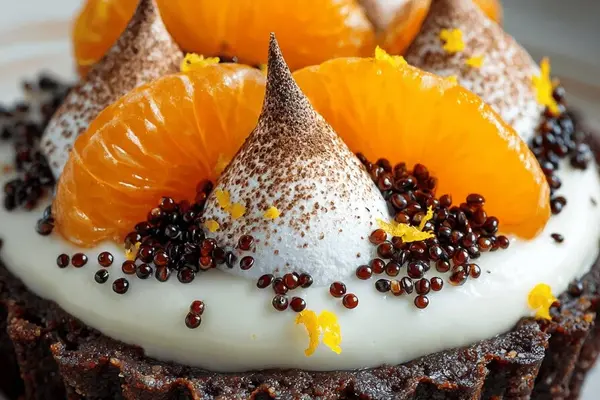
Caramel White Chocolate Tangerine Tart
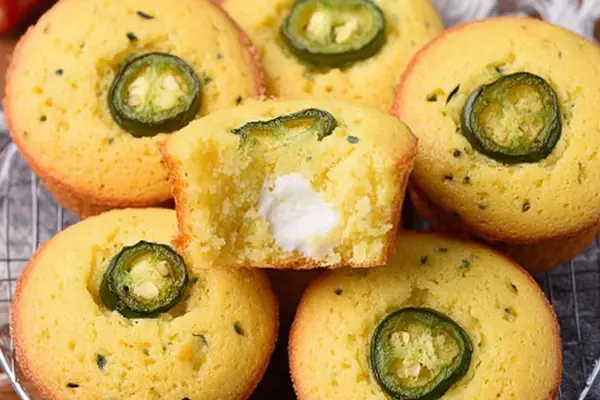
Jalapeño Corn Muffins with Jiffy Mix
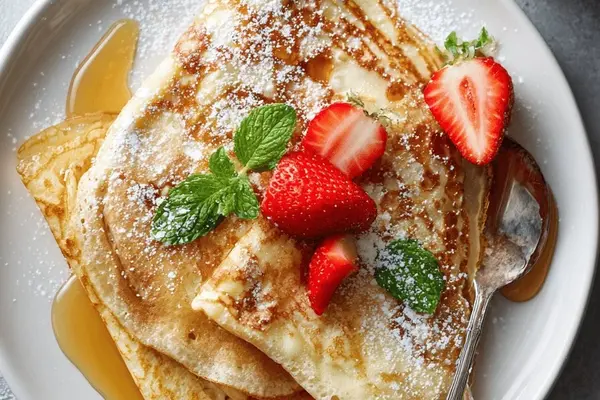
Crepes Recipe with Oat Milk and Honey
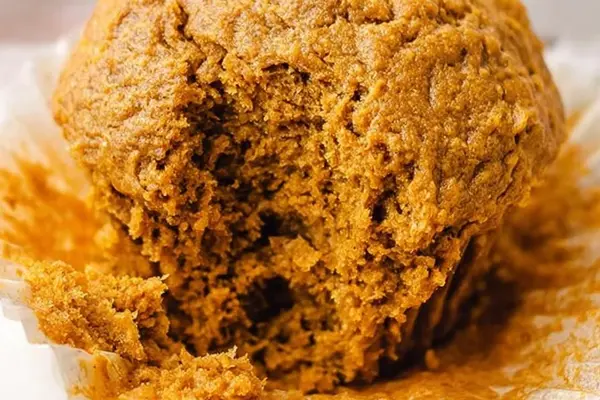
Pumpkin Muffins with Cake Mix & Pie Filling

Caramelized Peppers with Smoked Bacon
Dark Chocolate Tart with Sea Salt
Monster Cookie Bars with Oats & M&Ms
Garlic Mayonnaise with Dijon & Fresh Herbs
Chewy Peanut Butter Cookies Recipe
BBQ Chicken Marinade with Smoked Paprika
Gruyère Morel Fondue with Pinot Gris

Crispy Air Fryer Chicken Wings with Hoisin

Cheesy Risotto Arancinis with Taleggio