Nutty Caramel Crunch
E
By Emma
Certified Culinary Professional
•
Recipe tested & approved
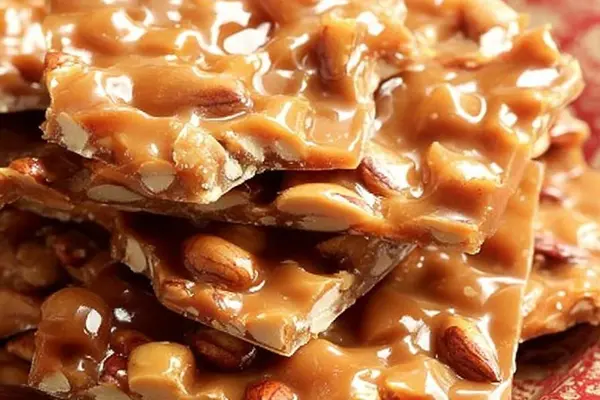
Sweet syrup bubbling, peanuts roasting in hot sugar melting the air. A dance between soft ball and hard crack temperatures. Butter and vanilla hit the mix, baking soda foams it up. Spreading it thin, breaking it rough, sticky, hard, nutty brittle. Hands sticky, lips sweet, patience key. The pop and smoke signal heat’s just right. Grease foil, watch the thermometer but listen more. Swap peanuts for chopped walnuts for a woodsy bite. Heat control paramount; a second too long and bitter scorched chaos. Butter or spray stops sticking. Vanilla’s aroma lifts it, soda aerates light and crackly texture. Work fast once hot; cold grabs fast. This sweet treat tricks the eye and taunts the tongue. Same roots from countless attempts, learning patience, heat, timing. Worth the burn, every time.
Prep:
6 min
Cook:
19 min
Total:
25 min
Servings:
12 servings
#Candy
#Dessert
#Southern Cuisine
#Nut Brittle
#Caramel
Before You Start
Bubbling sugar, peanuts toasting in syrup heat. Sticky hands and burning patience. Not just chemistry but a tiny performance on your countertop. Temperature’s king but senses guide better. The pop of nuts, the smell of caramel deepening. Butter and vanilla swelling the foam, baking soda’s magic. Learned by scorched failures and slow-stir rituals. Aluminum foil ready, butter slicked surface waiting. Pour hot shiny amber. Spread thin or thick. Cool, crack, snap. Each piece a keep-it-close treat with that toasted nut crunch and caramel bite. Switching peanuts with walnuts adds a deep earthiness. Not for the faint-hearted—heat lurks in every bubble. Perfect chaos, every batch slightly different but always worth the stick on fingers.
Ingredients
- 1 cup corn syrup
- 1 cup granulated sugar
- 0.25 cup water
- 2 cups raw peanuts (or chopped walnuts for twist)
- 0.5 cup unsalted butter
- 1 tsp vanilla extract
- 0.5 tsp baking soda
In The Same Category · Snacks
Explore all →
Coconut Walnut Logs
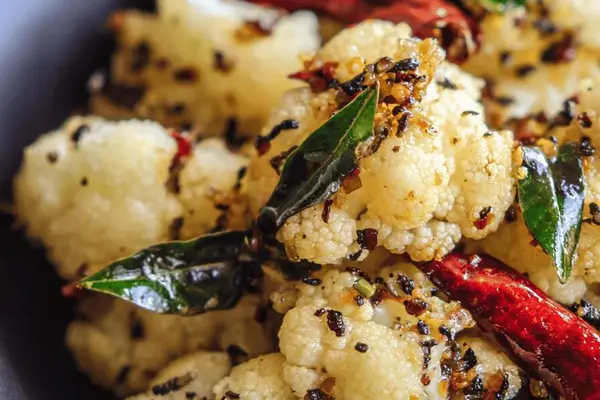
Tangy Pickled Cauliflower
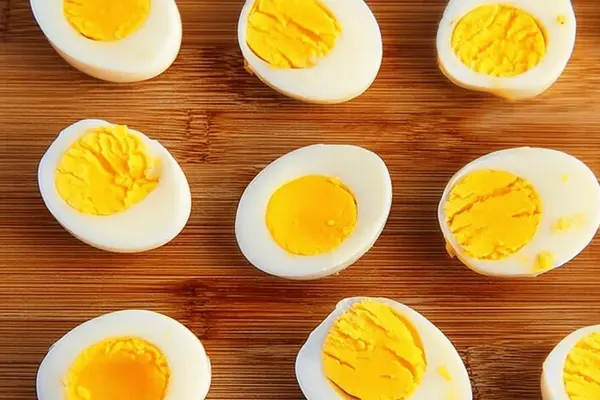
Hard-Boiled Eggs Twist
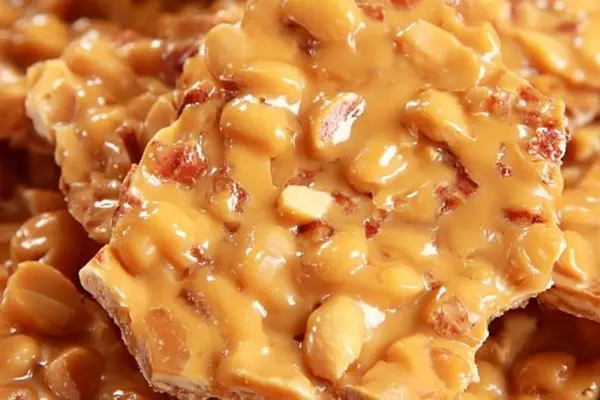
Microwave Peanut Brittle Twist
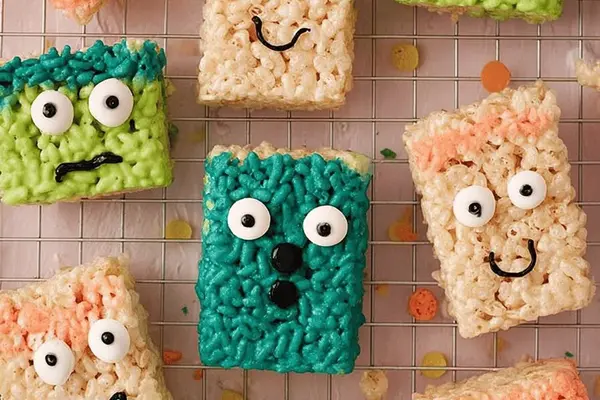
Monster Rice Treats
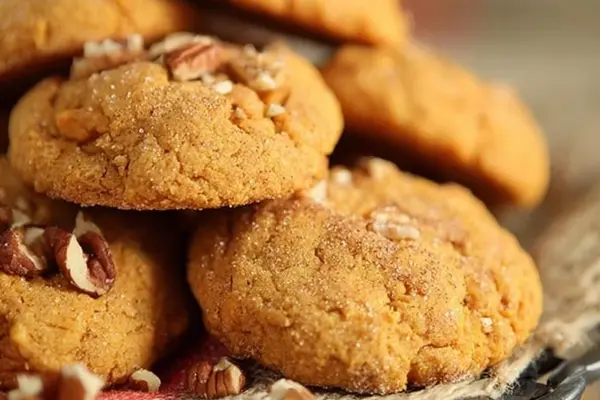
Sweet Potato Snaps

Caramel Chocolate Pretzels
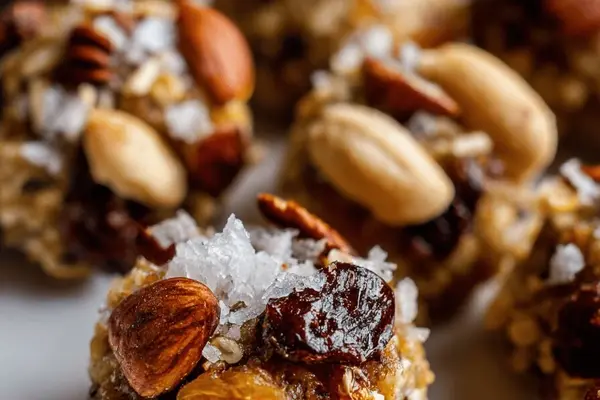
Apricot Nut Bites
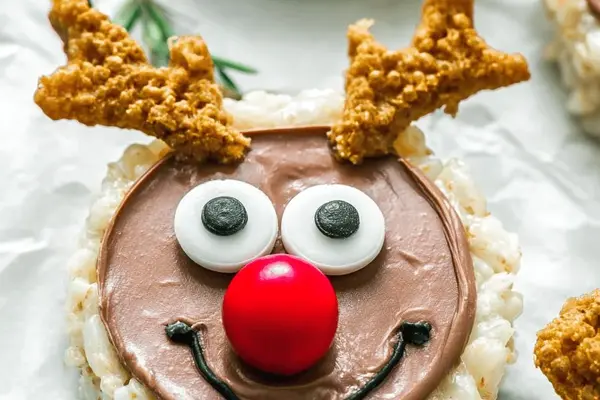
Nutty Reindeer Rice Cakes
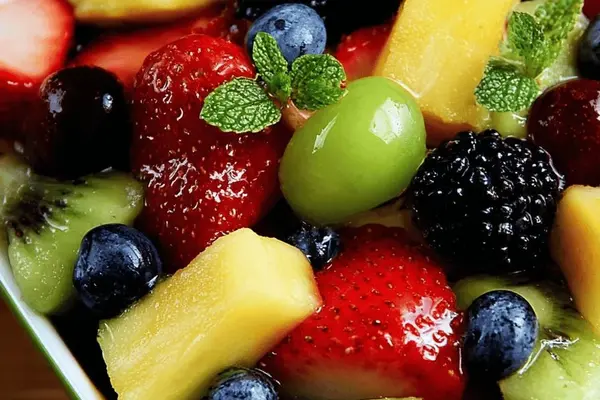
Fresh Fruit Salad Twist
Apple Caramel Cookies
Sugar Pepper Bacon Blast
Cinnamon Toast Crunch Cheesecake Bites
No-Cook Eggless Choco Dough
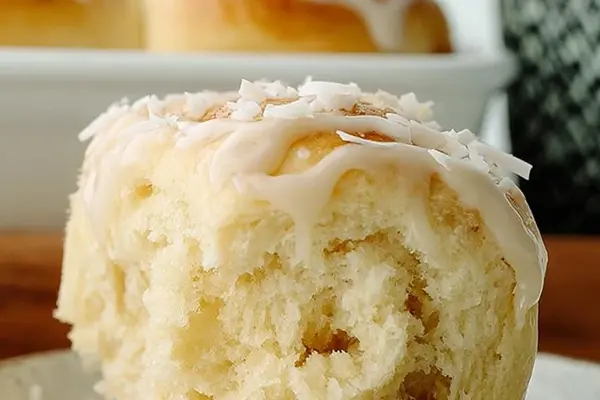
Samoan Sweet Coconut Rolls
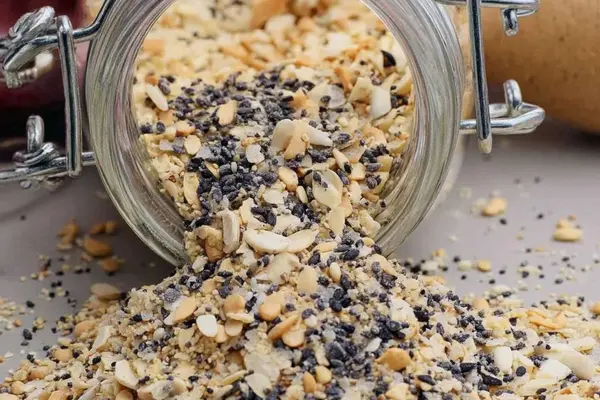
Savory Spice Blend Remix
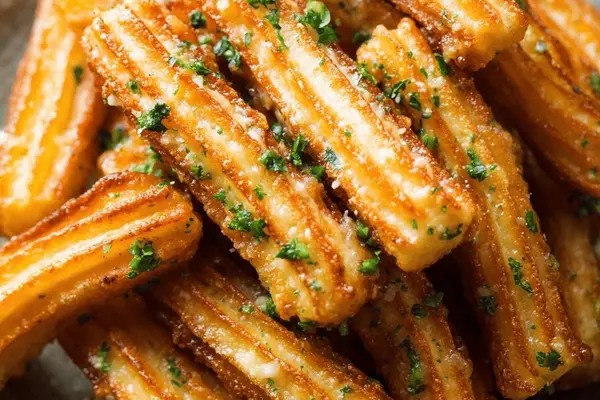
Cheesy Churros Twist
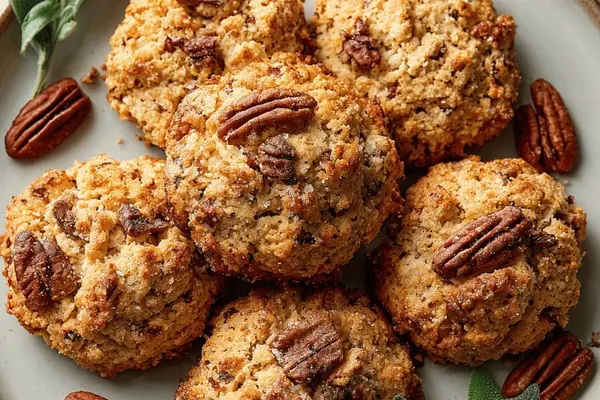
Pecan Butter Biscuits
No-Bake Pumpkin Brownie Bites
Sweet Potato Sliders Guacamole
About the ingredients
Substitution is easy but impacts texture and taste drastically. Peanuts offer that clean roasted flavor, staples use them. Walnuts add richness and a faint bitterness, pecans a richer buttery note. Butter is essential for mouthfeel and reduces risk of clumping or scorching during final mix; margarine or coconut oil can work but flavor shifts. Corn syrup controls crystallization preventing grainy brittle; honey or golden syrup will add distinctive flavor and can alter texture, expect slightly softer brittle. Granulated sugar remains king. Baking soda’s foaming action brings lightness; don’t skip or replace. Vanilla simply rounds off the flavor profile but can be omitted or replaced with almond extract for a little twist. Water is minimal but crucial for dissolving sugar evenly at start.
Method
- GREASE a large sheet of aluminum foil using unsalted butter or a nonstick spray. Set aside ready for the molten mess.
- IN a large cast iron skillet over medium heat, combine corn syrup, sugar, and water. Stir to dissolve sugar blurred into syrupy mix. You want no grit.
- WATCH for bubbles, foam forming soft ball stage around 230-240°F. Don’t rely only on the thermometer; softness test in cold water helps too.
- ADD peanuts now and stir CONSTANTLY. Seriously. If you stop or slow, peanuts burn or clump like rocks. Hear their tiny pops? That’s roasting.
- KEEP cooking and stirring. The mix darkens, a light smoke curls gently. Approaching hard crack stage near 295-305°F is key. A moment too late and scorched bitterness taints the batch.
- REMOVE from heat IMMEDIATELY at 300°F mark. Heat robs sweetness fast after.
- QUICKLY add butter chunks, vanilla, and baking soda. The soda fizzes and swells the mix, lightens color. Don’t freak. Stir fast to blend air but don’t overwork or it collapses.
- POUR molten caramel nut mixture onto prepped foil. Spread quickly, thinly using a wet spatula or buttered knife. Thickness controls bite; thinner snaps faster.
- LET cool at room temperature until fully hardened. Avoid fridge; condensation ruins the brittle crunch.
- BREAK into uneven, rough pieces with hands or back of a spoon. Enjoy sticky, nutty rewards.
Cooking tips
Grease foil before starting because once hot caramel hits, you’ll have seconds to spread before setting. Watch temperature rather than strict times; each stove heats differently. Soft ball stage means syrup forms a soft, pliable ball when dropped in cold water about 235°F. At hard crack stage, brittle breaks easily without bending, around 300°F. The peanuts added at soft ball stage roast and flavor the brittle while cooking continues. Constant stirring prevents localized burning; peanuts tend to sink and burn fast without movement. Heat elevates quickly, smoking light amber is a clue to pull off immediately. When removing heat, add butter, vanilla, and baking soda quickly to evenly aerate. Foam rises rapidly but won’t last long; spread fast before cooling sets everything solid. Cooling at room temp avoids sugar sweat unlike fridge. Break when fully cooled, spoon or hands work best. Keep clean workspace and utensils wet or buttered to avoid sticky messes.
Chef's notes
- 💡 Grease foil well before hot caramel lands. Butter or spray stops sticking. Foil texture matters; avoid crinkles, smooth is easier to spread thin. Spread fast once poured; caramel thickens quickly when cooling starts. Wet spatula or buttered knife helps get even sheet. Thickness controls snap and chew. Thin brittle snaps faster, thick chews more. Timing critical. Color shifts from light amber to darker means moving to hard crack; watch smoke and smell too.
- 💡 Stir peanuts constantly once added. Stop or slow and nuts burn quick. Tiny pops inside skillet signal roasting. Keep spread and even heat. Peanuts sink fast, need moving or scorched base. Soft ball stage around low 230s°F before nuts. When soft ball turns hard crack near 300°F, ready to pull. Remove heat fast, then mix butter, vanilla, baking soda in quick. Soda foams and swells mix, lightens color. Stir fast but don’t overwork or bubbles collapse and brittle toughens.
- 💡 Watch temperature more than time. Every stove varies; flames, pans differ. Use both thermometer and sensory clues. Soft ball feels like soft jelly dropped in cold water. Hard crack breaks straight, no bend, near 300°F. Smoke light amber, heat smells sharp but not burnt. Remove heat immediately or bitterness creeps fast. Heat continues a bit off flame. Add butter or spray to pan before cooking stops clumps and stubborn sticking. Butter adds mouthfeel and reduces scorch risk during final stage.
- 💡 Substitute nuts carefully; walnuts offer earthier, mild bitterness, great twist. Peanuts give clean roasted flavor, classic. Pecans richer, fluffier note but can soften brittle bite. Corn syrup crucial for control over crystallization. Honey or golden syrup introduce flavor but soften texture, expect less snap. Water amount low but key—ensures sugar dissolves evenly avoiding gritty texture. Vanilla extract rounds flavor but almond extract swaps well for different twist. Baking soda must remain; it aerates brittle, crucial for light crackly texture.
- 💡 Cool brittle at room temp. Fridge condensation ruins brittle surface, makes sticky mess. Broken pieces uneven. Break with hands or back of spoon, avoid sharp edges, rough look part of charm. Clean hands needed. Keep work surfaces moist or buttered to prevent sticky spread or cleanup nightmare. Work fast at last stage; soda bubbles rise quickly but collapse if stalled. Heat is tricky; under or over affects texture dramatically. Every batch varies slightly; learn heat, timing, stirring nuances by feel, look, smell more than strict times.
Common questions
Can I use different nuts?
Yes. Peanuts classic, roasted taste. Walnuts add woodsy bitterness, pecans rich buttery note but softer snap. Nuts roast while cooking; constant stir to avoid burns. Swap changes flavor and texture. Choose based on crunch desire and taste profiles. Adjust stirring to prevent scorch.
What if sugar crystallizes?
Usually means sugar wasn't fully dissolved or heat drops fast. Stir sugar, syrup early till smooth. Avoid sugar crystals on pot edges; wipe with wet brush. Corn syrup reduces graininess; skipping it invites crystallization. Honey or golden syrup can soften texture, but crystallization risk varies.
Why does brittle turn sticky or soft?
Cooling environment matters. Fridge causes condensation, sticky brittle. Hot humid air, poor coating on foil also factors. Let cool fully at room temp. Thicker pieces take longer. Butter or spray on foil prevents sticking soft patches. Timing pull from heat critical; too early or late affects final texture drastically.
How to store leftover brittle?
Airtight container best. Keep dry, cool spot, no fridge. Plastic wrap then container if needed but moisture risk there too. Left out too long brittle can absorb humidity, soften. Cool completely before wrap. Avoid stacking freshly broken pieces wet or sticky. Separate layers with wax paper if stacking large batches.
You’ll Love These Too
Explore all →
Mixed Vinaigrette Varieties
Herbed Chicken & Crispy Shallot Salad
Spiced Roasted Fish and Carrot Purée
Simplest Beef Lasagna
Homemade Beef Pasta

Citrus Aperol Twist
Iced Coffee Delight
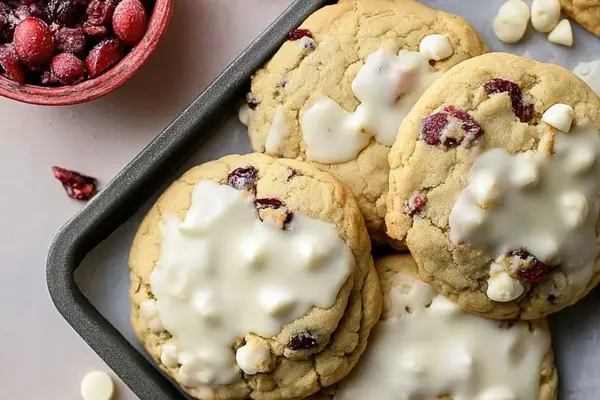
Cranberry White Chocolate Cookies
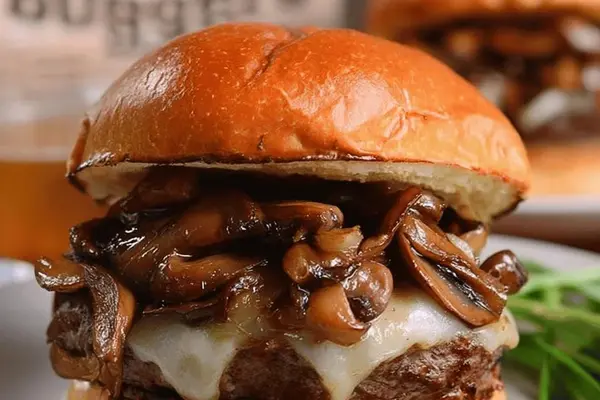
Mushroom Swiss Burgers Remix
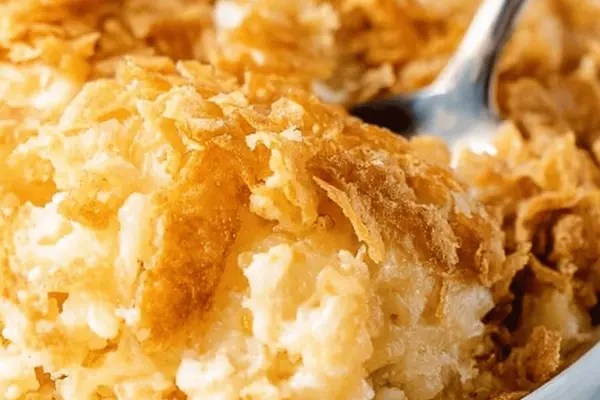
Crunchy Chicken Potato Bake
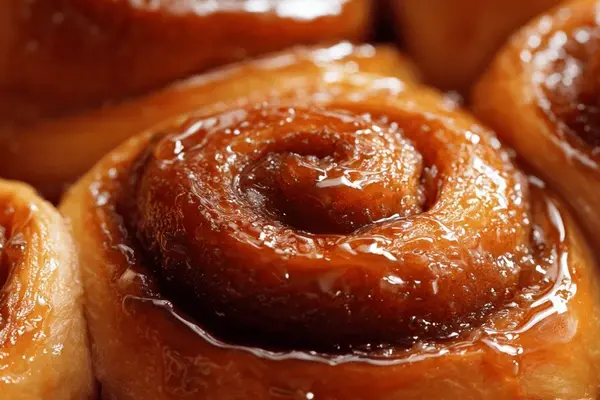
Upside-Down Caramel Buns
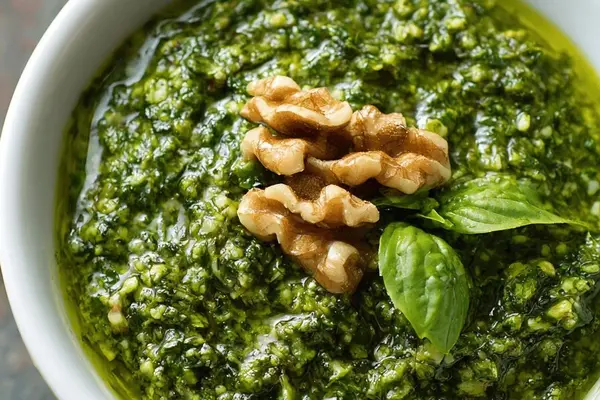
Herb Citrus Pesto
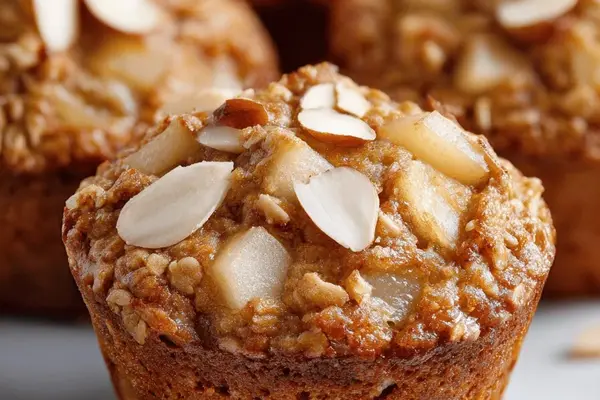
Pear Almond Muffins
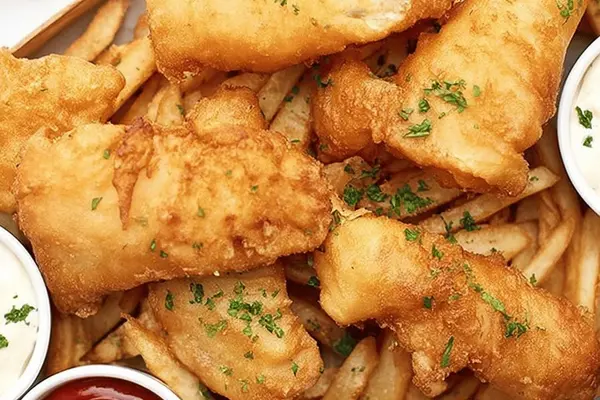
Crispy Beer Battered Cod
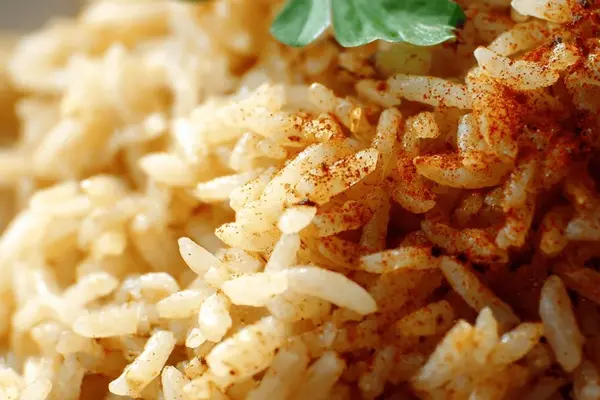
Spiced Chili Rice
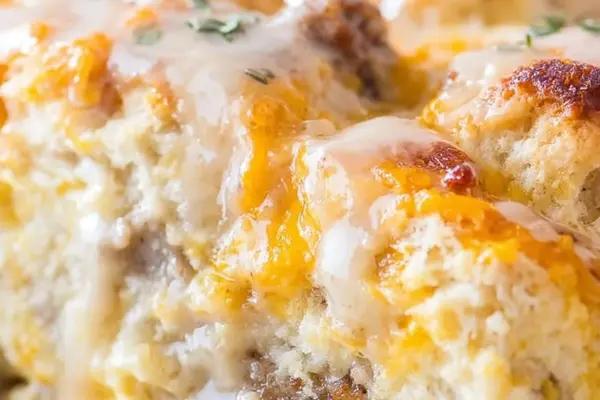
Biscuits Gravy Casserole
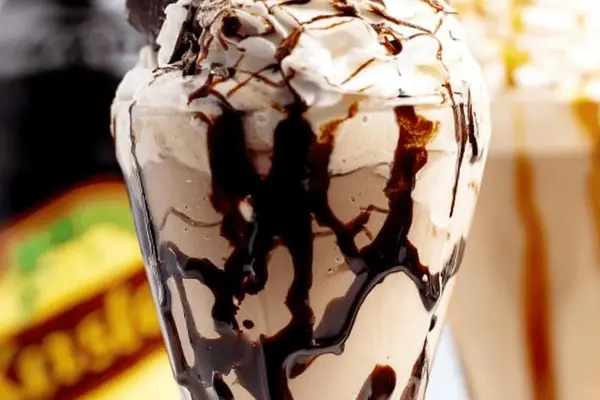
Creamy Coffee Mudslide
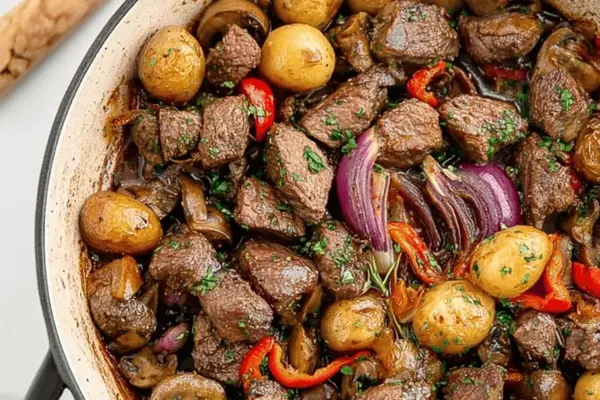
Savory Steak Stir Fry

Chill Brewed Sweet Tea
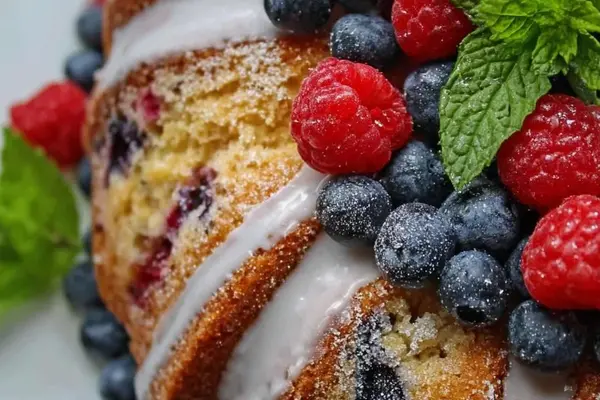
Berry Buttermilk Bundt