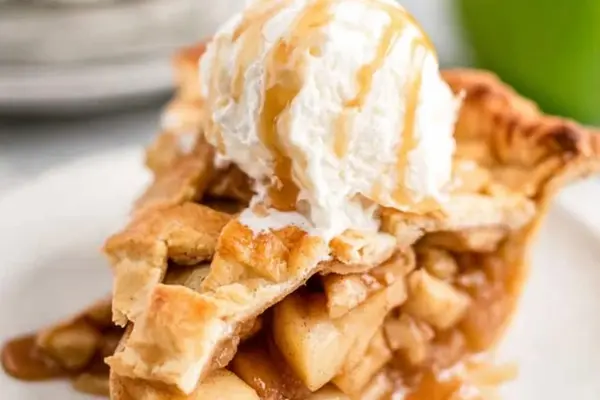
Classic Apple Pie with Cinnamon and Nutmeg
By Emma
Certified Culinary Professional
·
Recipe tested & approved
Classic apple pie featuring Granny Smith apples, dark brown sugar, and warm cinnamon and nutmeg spices. Flaky crust baked until golden with a tender, bubbling filling.
Prep:
25 min
Cook:
55 min
Total:
1h 20min
Servings:
8 servings
Heat to 430. Seven apples, Granny Smith, sliced thin. Brown sugar in the filling—that’s the move nobody tells you about. Cinnamon. Nutmeg. Flour to stop the mush. This is apple pie. Takes an hour twenty total if you move steady. Worth it.
Why You’ll Love This Cinnamon Apple Pie
Smells like someone’s baking. Not fancy restaurant baking. Home baking. The kind that makes people walk into your kitchen asking questions.
Tastes like cinnamon and nutmeg did the work, not just brown sugar trying too hard. Apple pie with nutmeg hits different—the nutmeg does something the cinnamon can’t alone.
One crust for the bottom, one for the top. Lattice if you want to show off. Doesn’t matter. Both work. No fuss required.
Crust gets golden. Filling gets thick enough to slice. You wait an hour and it’s actually ready to eat instead of a puddle on your plate.
Comfort food pie. That’s what this is. Cold Tuesday. Family dinner happening. This is what gets made.
What You Need for Homemade Apple Pie
Seven medium apples. Granny Smith or Braeburn. Not Red Delicious. Those go mealy. Slice them thin—uneven slicing means some cooked, some still firm. Use a mandoline if you have one. Way faster.
Dark brown sugar. Not regular. The molasses makes it better. Half a cup packed. Granulated for the rest—a third cup. Mix them together first, then add the spices.
Cinnamon. Two teaspoons. Ground. Nutmeg, a quarter teaspoon. Salt, same amount. Flour—three tablespoons. All-purpose. This thickens the juice so your crust doesn’t get soggy. Sounds weird. Works.
Two pie crusts. Store-bought is fine. Actually better if you’re not into crust work. If you make your own, have them ready and cold.
One egg. Cold water, a tablespoon. Whisk them together for egg wash. Coarse sugar on top if you want crunch. Optional but good.
How to Make Classic Apple Pie Recipe From Scratch
Get the oven to 430. All the way up. Let it sit for 10 minutes. Spray the pie plate—doesn’t matter what you use, just don’t let the crust stick to the pan and tear.
Peel the apples. Slice thin. They should look almost transparent if you’re doing it right. Put them all in a big bowl. Mix the sugars and spices together in a smaller bowl. Cinnamon, nutmeg, salt, flour. All together. Pour it over the apples and stir. Every slice needs to be coated. This is where the cinnamon nutmeg apple pie happens—the apples absorb it all while they cook.
Lay one crust in the pie plate. Trim the hanging edge if it’s too much. Doesn’t have to be perfect. Dump the apples in. It looks like too much. It’s not.
Top crust goes on next. You can do a lattice—looks nice. Or just lay it flat and cut vents. Three slits minimum. Steam needs somewhere to go or the whole thing bubbles over and your oven smells like burnt sugar for a week.
Press the edges together where they meet. Fold the extra under. Makes a seal. No leaks that way.
Whisk the egg and water. Brush the crust with this. Thick coat. If you want sparkle, sprinkle coarse sugar on it now. Let it sit while the oven finishes heating.
How to Bake Apple Pie With Nutmeg Until Golden
Bake at 430 for 20 minutes. Then drop to 375 and keep going. Total time around 55 minutes. Watch it after the first 20—the crust should start browning.
Halfway through—around 40 minutes in—throw foil on the edges if they’re getting too dark. Pie shields work too if you have one. The filling bakes longer than the crust wants to cook.
You’ll see juice bubbling through the vents. That’s good. That’s the sign it’s working. Crust should be golden. Not light tan. Golden. Touch it—should feel firm, not soft.
The worst thing that happens is filling boils over onto the oven floor. Check at 45 minutes. If it’s bubbling hard, poke the vents bigger or slide it to a lower rack. Gives it more space above it.
When it looks done—golden crust, juices visible, edges firm to touch—take it out. Don’t go longer just because the timer says so. Ovens aren’t accurate. Your eyes are better.
Cool it on a rack. At least an hour. The filling thickens as it cools. If you cut into it warm, it pours. Wait. It gets better.
Cinnamon Apple Pie Tips and Common Mistakes
Don’t skip the flour. People think it’s weird—flour in pie filling. It’s not weird. It stops juice from making your bottom crust soggy. That’s the whole game.
Granny Smith apples. Not Honeycrisp. Not Gala. Those turn to mush. Braeburn works too. They stay firm and tart, which is what you want when you’ve got brown sugar working against them.
Lattice is pretty but not required. Straight vents work just fine. Just make them big enough. Small vents trap steam. Trapped steam means boiling filling instead of baking.
Room temperature egg for the egg wash. Cold egg hardens on contact and clumps. Doesn’t brush smooth. You want it to glide on.
The dark brown sugar is non-negotiable. It gives the filling something regular sugar can’t—molasses depth. If you only have white sugar, add a tablespoon of molasses. Or don’t. It’ll still be pie. Just different.
If your apples are already sweet, cut the sugar back. Granny Smith are tart—that’s why they work. If you use something else, taste them first and adjust.
Coarse sugar on top is optional. But it adds texture when you bite into the crust. Regular sugar disappears into it. Coarse sugar stays.
Classic Apple Pie with Cinnamon and Nutmeg
Prep:
25 min
Cook:
55 min
Total:
1h 20min
Servings:
8 servings
Ingredients
- 7 cups thinly sliced peeled apples (about 7 medium apples), use Granny Smith or Braeburn
- 1/3 cup packed dark brown sugar
- 1/2 cup granulated sugar
- 2 teaspoons ground cinnamon
- 1/4 teaspoon ground nutmeg
- 1/4 teaspoon salt
- 3 tablespoons all-purpose flour
- 2 unbaked 9-inch pie crusts (store-bought or homemade)
- 1 large egg
- 1 tablespoon cold water
- 1 tablespoon coarse sugar for topping, optional
Method
- 1 Oven at 430 degrees, preheat full blast. Spray 9” pie plate with cooking spray to stop crust sticking or messy cleaning later.
- 2 Skip peelers if lazy but apple peeler helps speed slicing—thin slices key for even cooking. Slap apples in a big bowl, look for uniform slices. Mix sugars; swap half white for dark brown sugar for extra molasses warmth.
- 3 Combine sugars, cinnamon, nutmeg, salt, and flour in small bowl. Flour stops juice turning crust to mush. Pour this all over apples and stir well with wooden spoon, coating every slice in sugary spice. The flour also thickens liquid to slow sogginess.
- 4 Lay one crust carefully in pie plate, trim hanging edges slightly if needed. Heap apple mixture in mound center, it looks overloaded but will shrink as it cooks. Don’t stress the bulge.
- 5 Top crust? Lattice is classic and pretty, but slits in any crust top are a must—vents let steam escape, prevents nasty bubble overs. Press edges of top and bottom crust firmly together to seal—pulling apart crusts mean burns or leaks later.
- 6 Make egg wash by whisking egg and water. Brush thick coat on crust top—it gives golden shine and helps sugar stick when sprinkled.
- 7 Sprinkle coarse sugar on top if you like crunch and sparkle. Protect crust edges with foil or pie shield halfway through bake or once edges look done. Prevents burned crust edges.
- 8 Bake pie about 50 minutes total. Start at 430, then reduce to 375 after 20 minutes. Watch juices bubble through vents, crust golden and firm to touch. If bottom crust steaming or soggy, bake a bit longer or cool on rack.
- 9 Rest pie at least an hour before slicing. Filling thickens as it cools. Warm slices straight from oven runny and messy.
- 10 If you don’t have cinnamon, substitute with allspice or pumpkin pie spice but reduce amounts—those spices can overpower easily.
- 11 For gluten-free crust, swap with pre-made gluten-free pie dough, but bake crust blind 10 minutes before adding filling to prevent sogginess.
- 12 If apples too tart, add an extra tablespoon sugar. Too sweet? Cut sugar back or use Granny Smith apples to balance.
- 13 Worst disaster: pie filling bubbling over and burning oven. Check halfway and catch leaks early by poking vents bigger if steam trapped.
- 14 Thickening agents can be switched—cornstarch for flour, but cornstarch gives a clear gel, flour cloudier. I prefer flour for texture and reliability.
- 15 Egg wash can be sugar-free, but no wash means dull crust, bites lack that golden crunch visually signalling ‘done’.
- 16 Bubble sound and sight of juices through crust slits your best doneness sign, not just timer. Pie can go from perfect to burnt fast if unattended.
- 17 Use room temp egg for wash, cold hardens fast and clumps.
- 18 Cooling rack chilling is key. Too hot to slice means filling runs everywhere, not cool enough means soggy bottom crust.
Nutritional information
Calories
408
Protein
5g
Carbs
65g
Fat
14g
Frequently Asked Questions About Homemade Dessert Apple Pie
Can I make this the day before? Bake it all the way. Cool it completely. Cover it loosely. Tastes better the next day actually—flavors settle. Cut it cold or warm it up. Both work.
What if I don’t have nutmeg? Allspice is the swap. But use less. Half a teaspoon instead of a quarter. Allspice is aggressive. Pumpkin pie spice works too. Same amount as allspice. You’re looking for something that makes the cinnamon not lonely.
My crust is soggy on the bottom. What now? Flour in the filling helps but doesn’t fix it completely. Next time, bake the bottom crust alone for 10 minutes before adding apples. That’s the move. Blind bake it. Gets it set and crispy before the wet stuff touches it.
How do I know when it’s actually done? Juices bubbling through the vents. Crust golden. Not just set—actually golden. Touch the edge of the crust if you’re not sure. Should feel firm. If it’s spongy, needs more time. The timer is just a guess.
Can I use a different apple? Granny Smith or Braeburn. That’s it. Red Delicious goes mealy. Honeycrisp turns to applesauce. Pink Lady works. Not ideal but not disaster. The point is tart and firm. Warm apples and brown sugar already make it sweet.
What about cornstarch instead of flour? Works. Gives you a clearer filling that jiggles more. Flour gives you something thicker and cloudier. I stick with flour because it’s reliable and it’s what’s always in your pantry anyway.
Can I freeze it? Cool it all the way first. Wrap it tight. Freezes for two months easy. Thaw on the counter before eating or bake it from frozen—just add 15 minutes. The filling might bubble up more from frozen. That’s normal.
Egg wash—do I really need it? You don’t need it. But without it the crust is dull. No shine. No golden color. Egg wash is the thing that makes it look like a real pie instead of a accident.
You’ll Love These Too
Explore all →
Cranberry Meringue Wreath with Orange Spice
Cheesy Mashed Potatoes with Smoked Gouda
Almond White Blondies with Coconut Oil
Pineapple Cheese Casserole with Crackers
Making Sugar Cookies with Cake Flour
White Chocolate Brownies with Cream Cheese
Cheese Croquettes with Ricotta and Walnuts
Grilled Tilapia with Pineapple Salsa
Vegan Pie Crust with Vegan Butter

Cookie Monster Cupcakes with Buttermilk
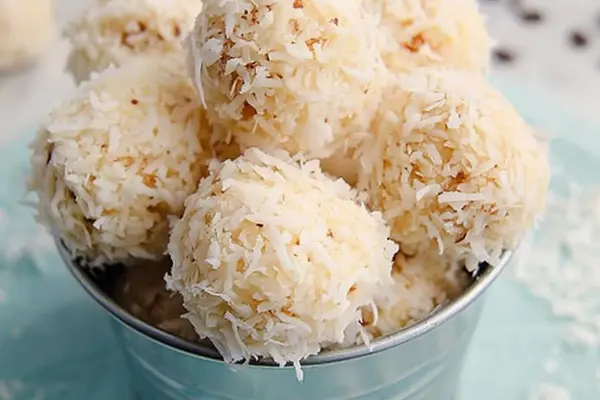
Coconut Pecan Candy | No Bake Treats
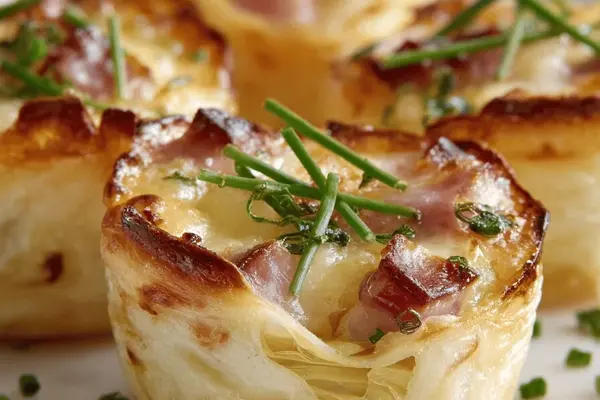
Mini Quiches with Ham, Endive & Gruyère
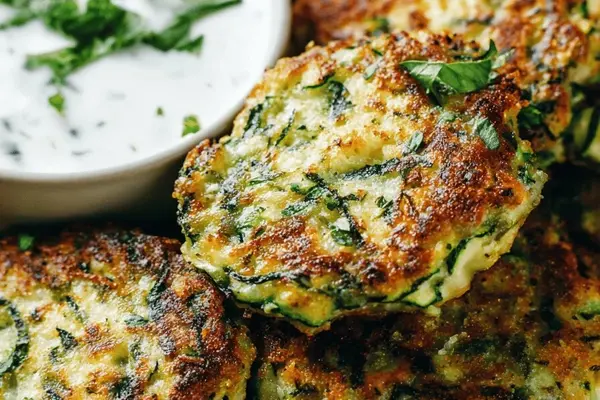
Zucchini Fritters with Ricotta and Fresh Basil
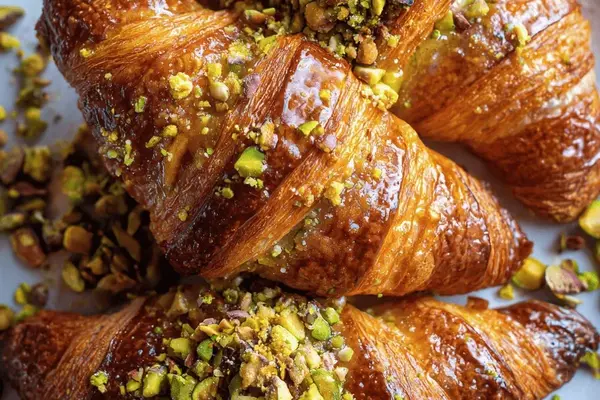
Pistachio Maple Croissants with Lemon Glaze
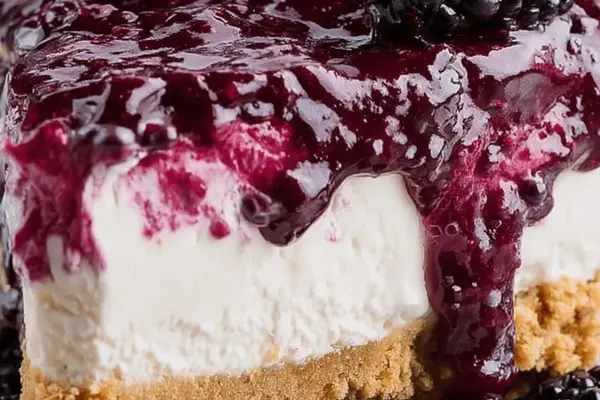
No Bake Blackberry Cheesecake with Greek Yogurt
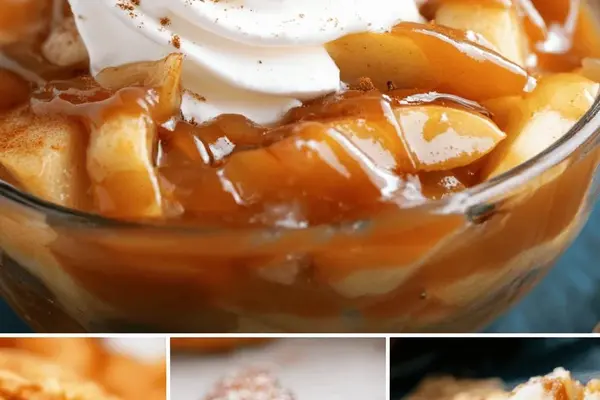
Apple Cheesecake Crisp with Pecan Crust
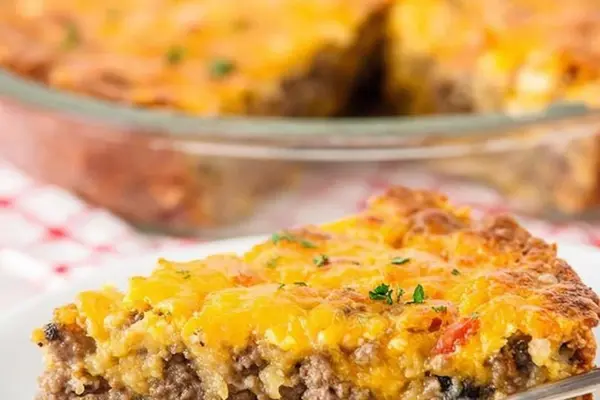
Cheeseburger Pie with Bisquick Topping
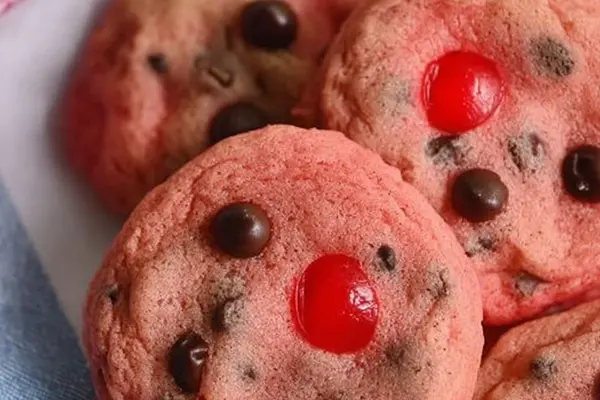
Cherry Chip Cake with Maraschino Cherries
Pasta Jar Mix with Sun-Dried Tomatoes