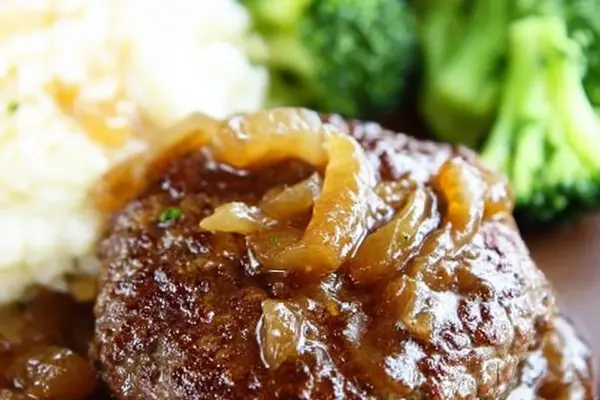
Onion Soup Hamburger Steaks
E
By Emma
Certified Culinary Professional
•
Recipe tested & approved
Ground beef tossed with garlic powder, onion powder, salt, pepper, and ground mustard, formed into patties. Cooked in a hot skillet until deeply browned on both sides to lock in juices. Onions sautéed in reserved drippings, then simmered with beef broth instead of dry soup mix and a splash of Worcestershire sauce. Patties returned to pan to soak up flavors. Simple, hearty. Great for weeknights. Cast iron skillet recommended for that perfect crust. Timing guided by color and smell, not just minutes. Onion broth rich, savory, slightly tangy. Serves 4 with robust, beefy aroma and tender inside.
Prep:
12 min
Cook:
21 min
Total:
33 min
Servings:
4 servings
#American
#dinner
#beef
#skillet meals
#comfort food
Before You Start
Ground meat. Spiced just right—not too much but enough to whisper garlic and mustard notes. Patted into thick disks that brown until almost burnt edges crackle; that signal. Cast iron the non-negotiable tool here—holds heat, creates char. Onions slide in the rendered fat, hiss and soften, releasing sweetness confused with heat. Beef broth replaces dry soup—you control salt, beware of overdoing. Worcestershire sauce finishes savory base. Steak returns to bath of onion broth, sucks up flavor, stays juicy. Patience and sensory cues over timers. Rest is king after heat. Tried fast flips, lost juices, learned crust is flavor. Steak’s done when pressed finger bounces back slightly. This one’s more than beef, it’s a lesson in watching, feeling, tasting.
Ingredients
- 1 lb ground beef
- 1 tsp garlic powder
- 1 tsp onion powder
- 1 tsp salt
- 1/2 tsp black pepper
- 1/2 tsp ground mustard
- 1 large onion, thinly sliced
- 1 cup beef broth
- 2 tbsp Worcestershire sauce
- 2 tbsp olive oil or reserved beef grease
In The Same Category · Main Dishes
Explore all →
Twisted Pastitsio Bake
Spiced Pomegranate Lamb Chops
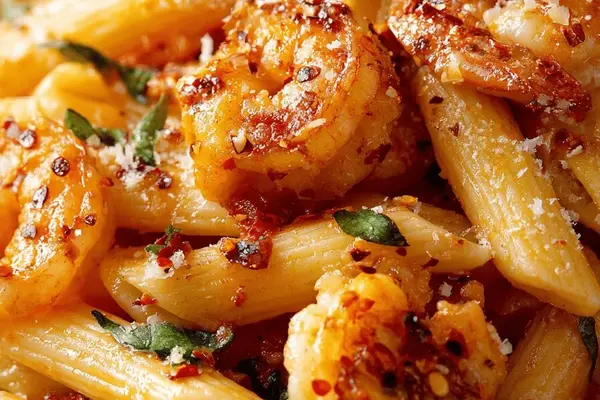
Shrimp Spicy Penne Twist
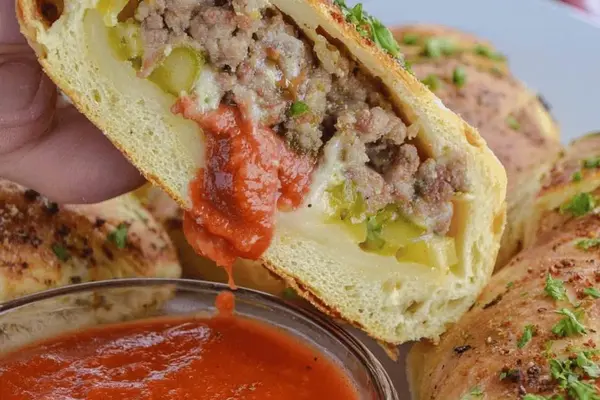
Peperoncini Sausage Stromboli
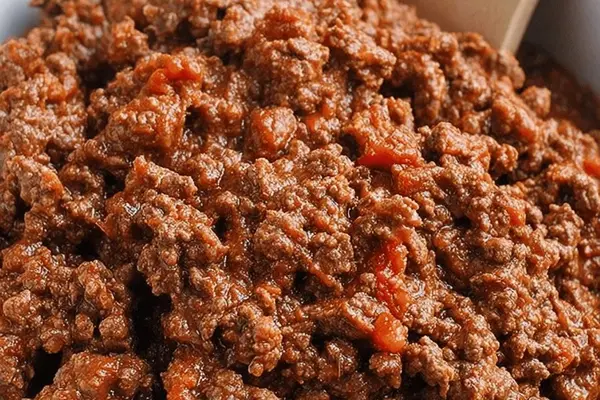
Pressure Cooker Spiced Beef
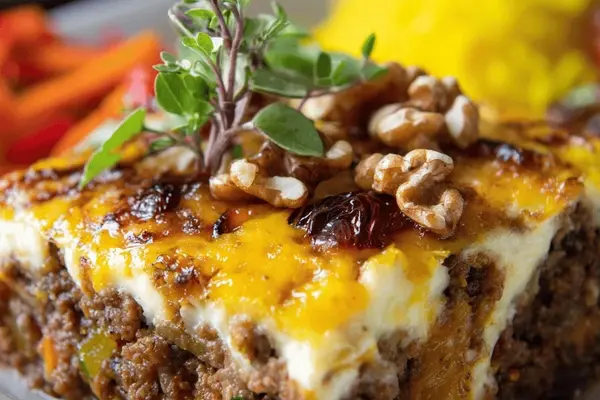
Twisted Lamb Bobotie
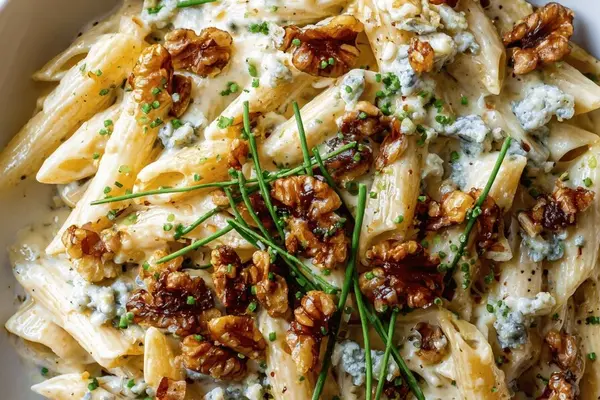
Blue Cheese Walnut Penne
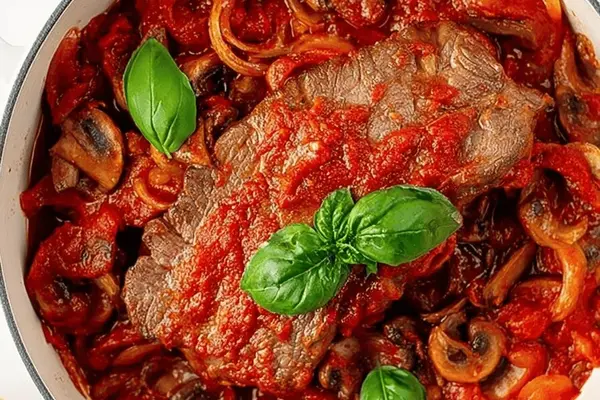
Twisted Carne alla Pizzaiola
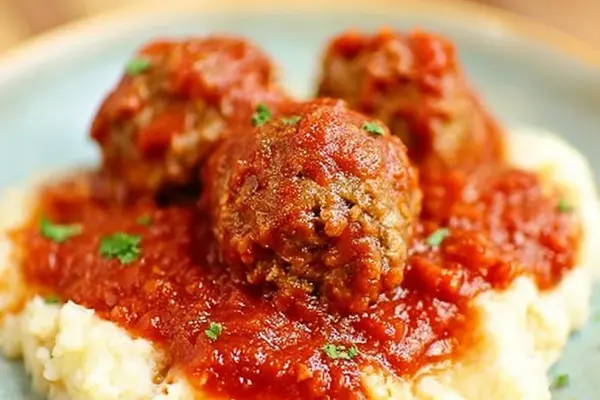
Twisted Porcupine Balls

Creamy Chili Crab Pasta

Smoked Meat Potato Focaccia

Danish Salmon Tartines
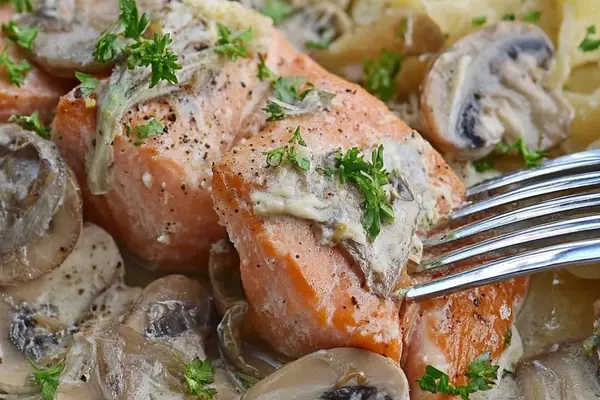
Asiago Mushroom Salmon Twist

Meat Pies with a Twist
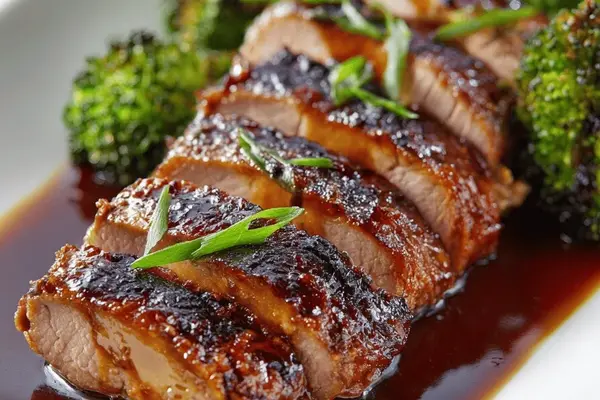
Tamarind Pork Tenderloin Twist

Cheeseburger Pie Remix
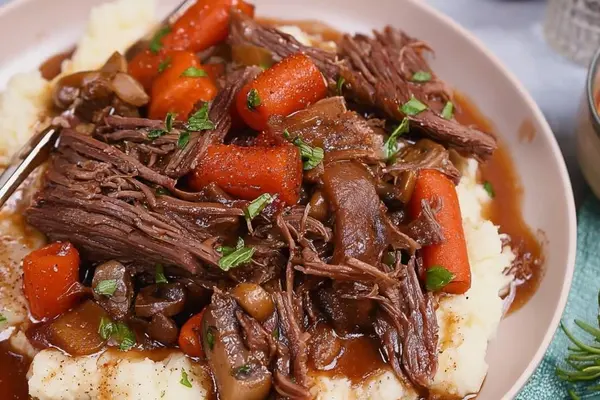
Balsamic Slow Cooker Roast
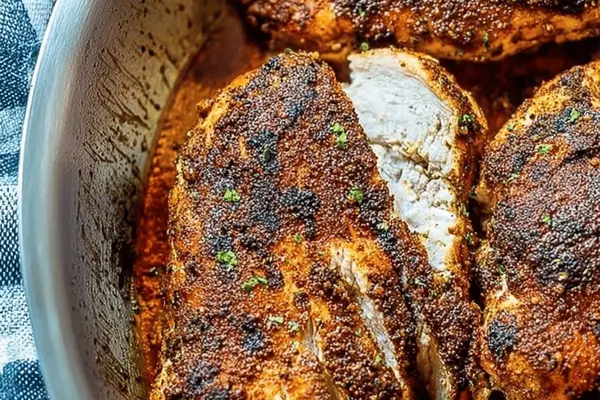
Smoky Blackened Chicken
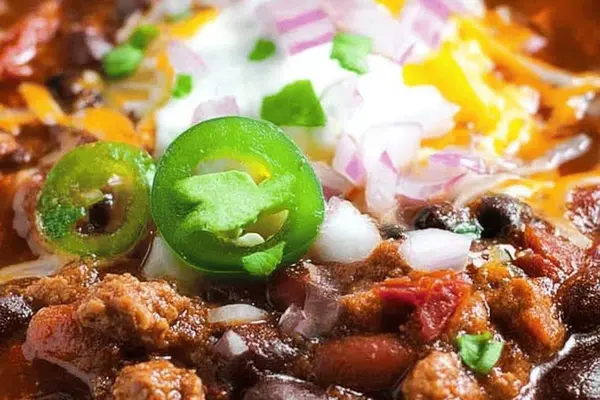
Slow Cooker Chili Twist
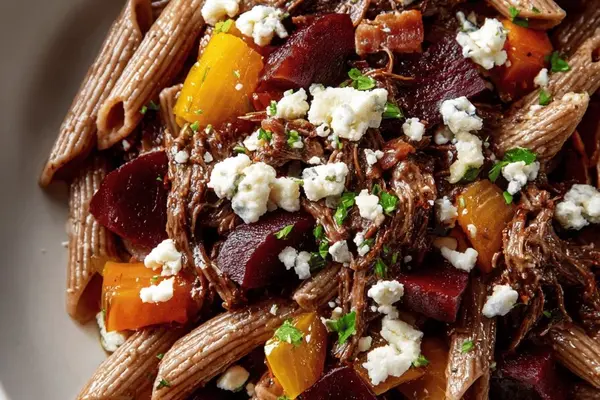
Beef Beet Ragout Penne
About the ingredients
Use fresh ground beef, 80-85% lean is best. Too lean dries out; too fatty splatters and over-greases. Garlic and onion powder provide layered umami without uneven fresh bits. Ground mustard adds a subtle sharpness that cuts richness. If no ground mustard, a pinch of dry mustard or Dijon mustard works but reduce quantity. Sliced onion must be thin or they won’t soften in time. Beef broth as substitute for onion soup mix eases salt control—onion soup packets often heavy with MSG and preservatives. Worcestershire sauce brings tang and complex savory background. Olive oil backup if skillet fat insufficient—helps caramelize onions rather than boil them. Salt steaks just before cooking to prevent drawing out too much moisture.
Method
Preparation
- Crumble beef into bowl. Sprinkle garlic powder, onion powder, salt, pepper, ground mustard over top. Use a fork to gently mix. Avoid overworking or steak gets tough. Divide into 4 equal portions. Shape into thick patties. Patience with shaping avoids dense steak.
Cooking Steaks
- Heat skillet (cast iron is best) over medium-high until almost smoking. Lay steaks gently in pan. No crowding. Leave them alone 4-5 minutes. Look for deep mahogany crust, bubbling fat at edges. Flip. Another 4-5 minutes. Check doneness by pressing steak center; springy but not mushy. Remove to paper towels. Rest while you make gravy.
Onions and Gravy
- Keep 2 tablespoons fat or add olive oil if lean. Lower heat to medium. Toss sliced onions in. Stir often but gently. Onions soften until translucent and scent turns sweet, about 3-4 minutes. Pour beef broth in instead of soup mix for cleaner flavor. Bring to simmer. Add Worcestershire sauce. Season with salt/pepper if needed.
Final Step
- Nestle steaks back in pan with gravy. Spoon heat-over gravy, let them absorb flavors 3-5 minutes. Avoid overcooking to keep juicy.
Serve
- Rest a minute on plate. Juices settle. Rich onion aroma fills kitchen. Serve with mashed potatoes or crusty bread.
Cooking tips
Use fork, not hands, for mixing to keep patty texture tender. Avoid compacting meat too firm; soft but holds together. Heat skillet fully before steaks; not hot enough leads to grayish, steamed exterior. Listen for sizzling fat—if silent, pan too cold. Steaks need 4-5 minutes per side; longer stewing means toughness. When browning, look for bubbling fat at edges and crust that releases easily from pan. Onions translucent means edges turning shiny, sometimes gentle char bits—no brown means undercooked; golden means sweet flavor unleashed. When broth simmers, scrape fond for depth. Adding Worcestershire after broth ensures flavor punch without cooking off aroma. Return steaks to pan just long enough so juices mix—5 minutes max. Rest allows redistributed juices; cut too soon and they pour out. Save steak grease for cooking next batch or sauces. Always taste gravy for seasoning—broth brings flavor but balance salt and acid yourself.
Chef's notes
- 💡 Use fresh ground beef 80-85 lean. Too lean dries; too fatty splatters and greases skillet more. Mix powders and salt evenly but don't overwork meat. Use fork, not hands, to keep texture tender. Patty shaping needs gentle touch; densely packed steaks turn tough. Timing depends on skillet heat and smell, not exact clock. Sear until crust forms; bubbling fat at edges signals readiness to flip. Cast iron skillet preferred for heat retention and crust.
- 💡 Onion slicing must be thin, nearly translucent by 3-4 minutes in fat. Use rendered steak fat first; if insufficient, add olive oil. Medium heat avoids burning but still develops sweetness. Stir often but gently to prevent breaking onions apart. Pour beef broth directly over softened onions, scraping fond for full flavor. Add Worcestershire last after broth simmers to preserve aroma punch. Taste gravy; add salt and pepper cautiously.
- 💡 Check doneness by pressing steak center. Should bounce back slightly firm, springy but not mushy. Avoid flipping more than once or twice; interrupts crust development and dries meat. Rest patties on paper towel to absorb excess grease. Return steaks to gravy for 3-5 minutes max to soak flavors without further cooking interiors. Resting after final step lets juices redistribute—cutting too soon means dry meat.
- 💡 If no ground mustard, use pinch dry mustard or Dijon mustard but reduce quantity to avoid overpowering. Substitute beef broth for onion soup mix to control salt and avoid additives. Use carefully measured Worcestershire sauce for tang and savory complexity. If skillet fat is scarce after cooking steaks, olive oil backup helps caramelize onions rather than boil them. Salt steaks just before cooking to avoid drawing moisture out too early.
- 💡 Listen for the sizzle when steaks hit heated pan; silence means pan too cold—no crust forms. Watch for bubbling fat at steak edges signaling Maillard reaction underway. Onions turning translucent, sometimes light golden bits, mean sweetness unlocked; pure clear browning or no color means under or over-done. When broth simmers, scrape brown bits (fond) from pan for depth. Steaks rest after gravy bath; overheated gravy or too long rest risks losing juiciness.
Common questions
How to know when steaks are done?
Press center with finger or spatula. Should bounce back with spring but stay soft. Squishy means raw inside. Too firm means overcooked. Look for mahogany crust and bubbling fat edges to double check. Smell changes too, like caramel notes and beefy aroma.
Can I skip ground mustard?
Yes, dry mustard or Dijon works—use less. Ground mustard adds subtle sharpness cutting richness. Without it, patties taste heavier; add black pepper a bit extra or splash Worcestershire to compensate. Mixing powders evenly is key though.
What if steak stuck to pan?
Pan likely not hot enough or steak not dry before cooking. Heat skillet until almost smoking. Pat patties dry with paper towel and don't press once in pan. Let crust form; it will release easily when ready. Cast iron best for crust development.
How to store leftovers?
Cool patties then wrap tight. Fridge best within 2 hours; good 3-4 days. Reheat gently in skillet with some broth or gravy to keep moist. Freezer works too; seal airtight and thaw overnight in fridge. Avoid microwave—dries meat fast and kills crust texture.
You’ll Love These Too
Explore all →
Twisted Cajun Pineapple Cake
Balsamic Cherry Crostini Twist
Apple Blueberry Almond Muffins
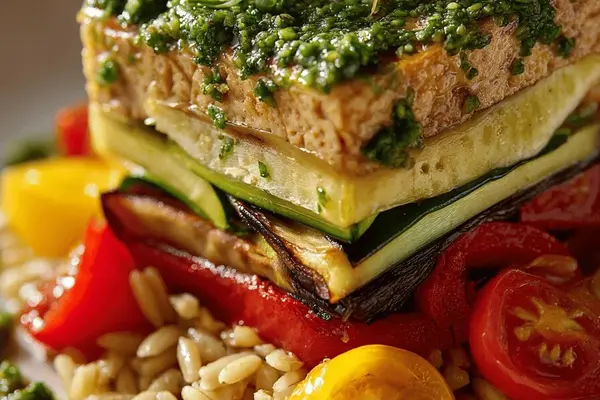
Grilled Tofu Orzo Stack

Whisky Ginger Fizz
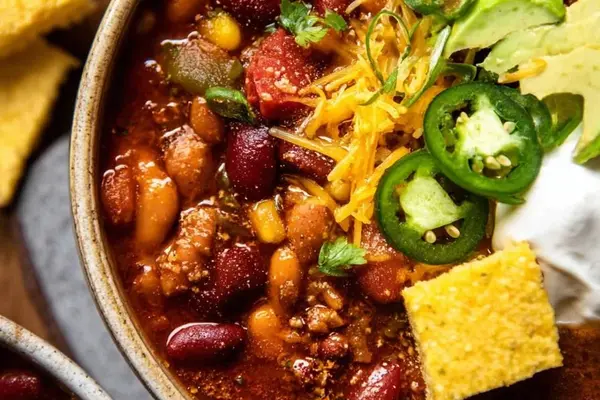
Spicy Four-Bean Crockpot Chili
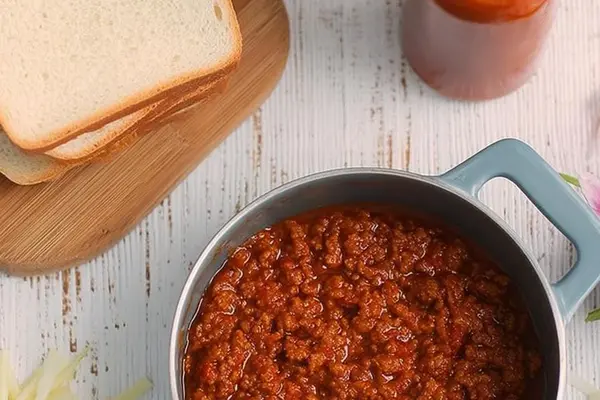
Beef Beer Chili
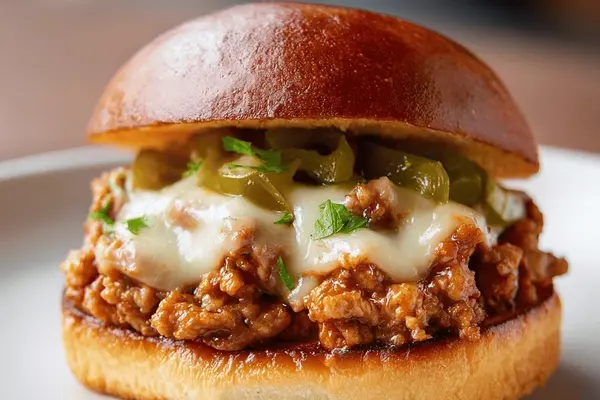
Rustic Sloppy Joes Remix
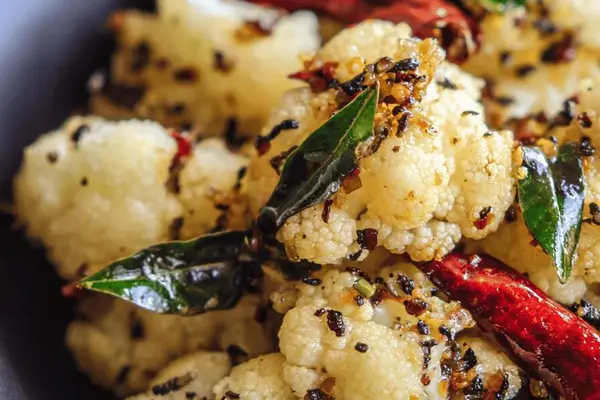
Tangy Pickled Cauliflower
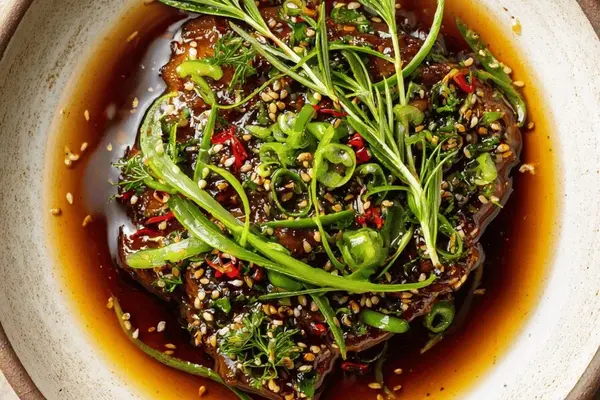
Honey Lime Twist Marinade
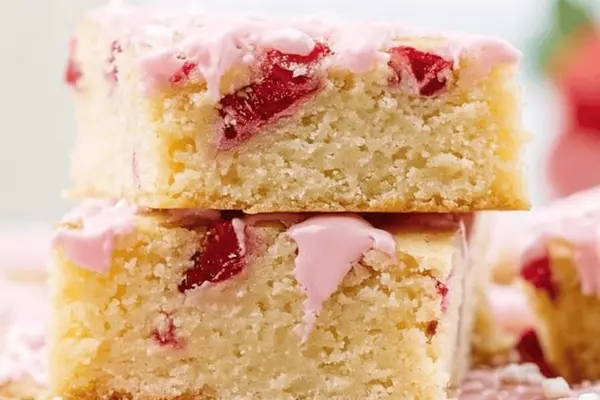
Strawberry Lemon Blondies Remix

Tomato Puff Pastry Bites
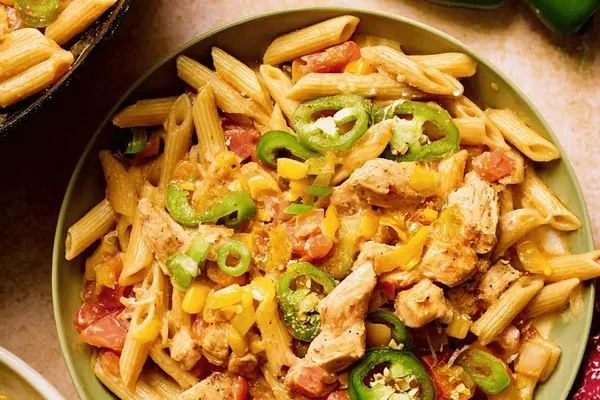
Chicken Fajita Penne
Butterscotch Snow Taffy Remix
Chocolate Martini Twist

Maple Butter Cookies

Snickerdoodle Cookies Twist

Chilled Celery Soup
Sausage Cream Gravy
Cheesy Toasted Welsh