Orange Marmalade Chicken with Cherry Tomatoes

By Emma
Certified Culinary Professional
·
Recipe tested & approved
Pan-seared chicken breasts topped with tangy orange marmalade sauce, cherry tomatoes, and fresh basil. This easy skillet dinner balances citrus brightness with savory depth for juicy results.
Prep:
12 min
Cook:
22 min
Total:
34 min
Servings:
4 servings
Flatten the chicken first — half an inch, not thinner. Season it now, both sides, salt matters. Melt butter in a hot skillet, medium-high heat. Two breasts at a time, no crowding. Listen for the sizzle. Three and a half minutes, maybe four and a half. Flip when the bottom’s golden. Same time on the other side. You’ll know it’s done when juice runs clear.
Why You’ll Love This Orange Basil Chicken Skillet
Takes 34 minutes start to finish. Actual dinner, not prep-heavy stuff.
The sauce is kind of wild — marmalade plus tomatoes plus vinegar, and it just works. Tangy. Sweet. Not cloyingly either way.
Weeknight main dish that tastes like you spent an hour on it. You didn’t.
Cherry tomatoes burst while they cook. The basil goes in at the very end, fresh aroma hits different. Pan seared chicken breasts stay juicy because you’re not overcrowding them.
One skillet. Cleanup isn’t nothing, but it’s fast.
What You Need for Orange Marmalade Chicken
Four boneless skinless chicken breasts. Pound them down so they cook through fast — about half an inch. Butter, a couple tablespoons, divided between batches so it doesn’t burn.
Salt and black pepper. Not the pre-ground kind if you can help it. It makes a difference.
Water. Three tablespoons. Cherry tomatoes halved — a cup and a half, roughly. Orange marmalade. A third cup. Not jam. Marmalade specifically — the chunks matter.
Apple cider vinegar. One and a half tablespoons. White vinegar’s too sharp here. Garlic. One teaspoon minced. Fresh basil at the end, chopped. Two tablespoons.
How to Make Pan Seared Chicken Breasts
Get two sheets of heavy-duty plastic wrap, lay a chicken breast between them. Meat mallet or the bottom of a small skillet works. Flatten it even — half an inch thick, like I said. Not paper thin. Barely thin enough that it cooks through without drying out.
Season both sides with salt and pepper right now. Don’t skip this. It’s your base flavor for everything that comes after.
Melt one tablespoon of butter in a large skillet on medium-high. Wait for that sizzle sound. Place two chicken breasts in carefully — don’t crowd the pan or they’ll steam instead of sear. Three and a half to four and a half minutes on the first side. Watch for the golden brown crust to form. Flip once the bottom looks done.
Another three and a half to four and a half minutes on the second side. Poke it with a fork — juice should run clear, not pink. Transfer to a platter, tent loosely with foil to keep the heat in. Not tight. Just loose. Steam makes it soggy.
Repeat with the second tablespoon of butter and the remaining two chicken breasts.
How to Get the Orange Tomato Sauce Right
Drop the heat down to medium-low. The pan’s still hot, so move fast. Pour in three tablespoons of water and half the cherry tomatoes. Simmer for two and a half minutes, stir with a wooden spoon and scrape up all those browned bits from the bottom of the pan. That’s flavor. All of it.
Stir in the orange marmalade, apple cider vinegar, and minced garlic. Let it bubble gently, stirring now and then, for three and a half to four and a half minutes. You’re waiting for the tomatoes to burst and the sauce to get glossy and thick. It’ll look jammy. That’s right.
Add the remaining tomatoes. Cook two to three minutes just to warm them through. They don’t need to burst — the first batch already did that work.
Basil goes in last. Chop it fresh, stir it in. The aroma changes everything. Taste it now. Salt and pepper again if it needs it.
Orange Marmalade Chicken Tips and Common Mistakes
Chicken cooking too fast on the edges? Heat was too high. Lower it earlier next time. Or add a splash of broth halfway through, keeps everything even.
Sauce too thick? Water or a bit of broth thins it. Just a splash. You can always add more.
White vinegar doesn’t work here. Tried it once. Too aggressive. Apple cider vinegar’s friendlier, less harsh.
That half-inch thickness matters. Thinner and it dries out by the time the sides brown. Thicker and the middle stays raw while the outside burns.
Don’t skip the scraping of browned bits. That’s where half the flavor lives. Wooden spoon, medium-low heat, takes 30 seconds.
Basil at the end, not the beginning. Heat kills the aroma. You want that fresh brightness over the sauce when it hits the plate.
Orange Marmalade Chicken with Cherry Tomatoes
Prep:
12 min
Cook:
22 min
Total:
34 min
Servings:
4 servings
Ingredients
- 4 boneless skinless chicken breasts
- Salt and freshly ground black pepper
- 2 Tbsp butter divided
- 3 Tbsp water
- 1 1/2 cups cherry tomatoes halved
- 1/3 cup orange marmalade
- 1 1/2 Tbsp apple cider vinegar
- 1 tsp minced garlic
- 2 Tbsp fresh basil chopped
Method
- 1 Set chicken breasts between 2 sheets heavy-duty plastic wrap. Flatten evenly with flat side of meat mallet or small skillet to about half an inch thick. Barely thin enough to cook fast but not paper thin. Season both sides with salt and pepper — don’t skip seasoning; it’s base flavor.
- 2 Melt 1 Tbsp butter in large skillet, medium-high. Hear that sizzle? Place 2 chicken breasts down carefully, no overcrowding. Cook about 3 1/2-4 1/2 minutes per side. Watch for golden browned crust; juices clear when poked with fork. Transfer to platter, tent loosely with foil to trap heat but avoid steam sogginess. Repeat with remaining butter and chicken breasts.
- 3 Drop heat to medium-low. Pour in 3 Tbsp water and half the tomatoes. Simmer 2 1/2 minutes, stir with wooden spoon scraping up browned bits off pan bottom — that’s flavor gold. Stir in marmalade, apple cider vinegar, and garlic. Let sauce bubble gently, stirring occasionally, about 3 1/2 to 4 1/2 minutes until tomatoes burst and sauce thickens, glossy and jammy.
- 4 Add remaining tomatoes, cook 2 to 3 minutes just to warm through. Stir in chopped basil last — fresh aroma wakes the sauce. Taste, adjust salt and pepper. Spoon sauce generously over chicken breasts. Serve immediately.
- 5 If chicken cooks too fast and edges dry, lower heat earlier next time, or add splash of broth mid-cook. If sauce too thick, thin with reserved water or a pinch of broth. Swapped white vinegar for apple cider vinegar—less harsh, friendlier acidity. Garlic adds punch; I always toss it in with marmalade for balanced meld.
Nutritional information
Calories
290
Protein
28g
Carbs
12g
Fat
15g
Frequently Asked Questions About Easy Weeknight Chicken Dinner
Can I use bone-in chicken instead of boneless? Not for this. Bone-in takes longer, maybe 12 or 15 minutes per side. The whole thing gets messed up. Boneless is the move here.
What if I don’t have apple cider vinegar? You’ve got red wine vinegar? That works. Lemon juice works too, maybe a touch sweeter. Don’t use white vinegar. Seriously.
How do I know when the chicken is actually done? Clear juice when you poke it. Not pink. Brown crust on both sides. Cooked through all the way — no guessing.
Can I make this ahead? Chicken’s best hot off the pan. The sauce holds fine in the fridge for a few days, reheats okay. But the basil goes in fresh when you serve it.
Should I pound the chicken thin every time? Yeah. It cooks evenly that way. No dry edges, raw middle thing happening.
What pairs with this? Pasta soaks up the sauce. Rice works. Greens on the side if you want something lighter. Honestly, it stands alone fine too.
You’ll Love These Too
Explore all →
Lemon Cake with Cream Cheese Frosting
Peanut Butter Cookies with Chocolate Ganache
Creamy Mushroom Sauce with Veal
Dry-Rubbed Pork Shoulder: Slow Roasted
Bacon Cheese Ball with Ranch & Walnuts
Grapefruit Loaf Cake with Cardamom
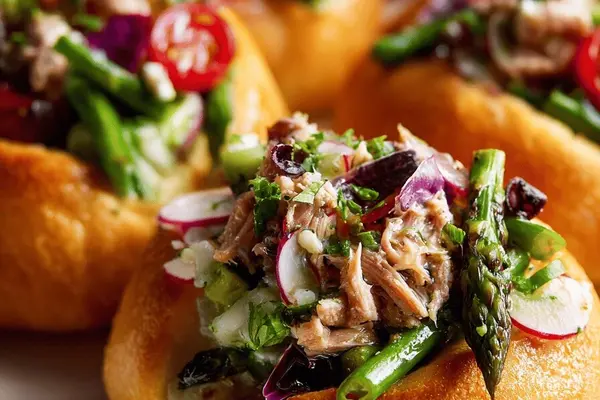
Tuna Melt with Asparagus & Radish
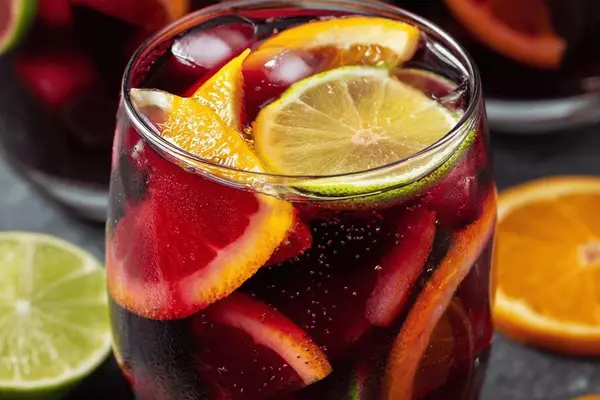
Red Sangria Recipe with Elderflower
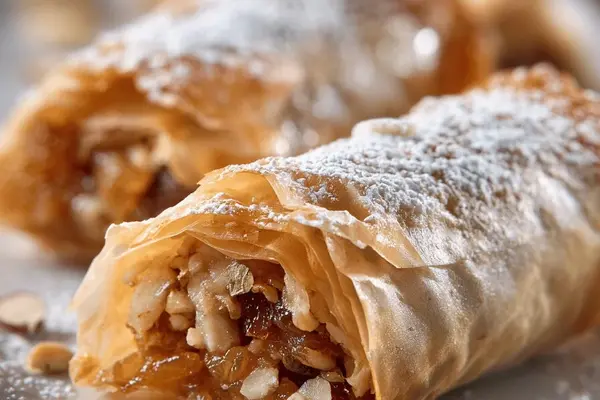
Turkey Stuffing Recipe with Moroccan Pastilla
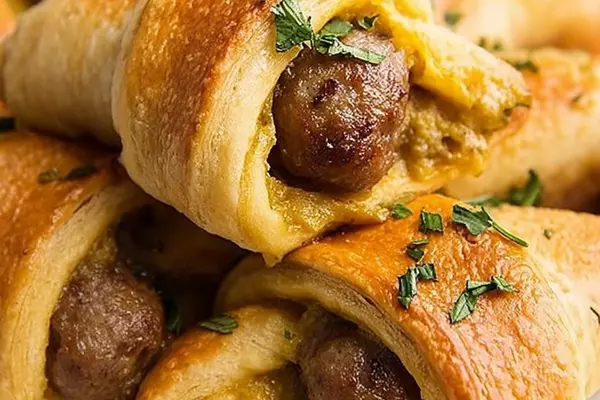
Sausage Egg Cheese Crescent Rolls
Pinto Bean Chili with Smoked Paprika
Honey Jalapeño Cornbread with Butter
Dry Rub For Ribs With Chipotle & Cumin
Salted Caramel Shortbread Bars with Chocolate
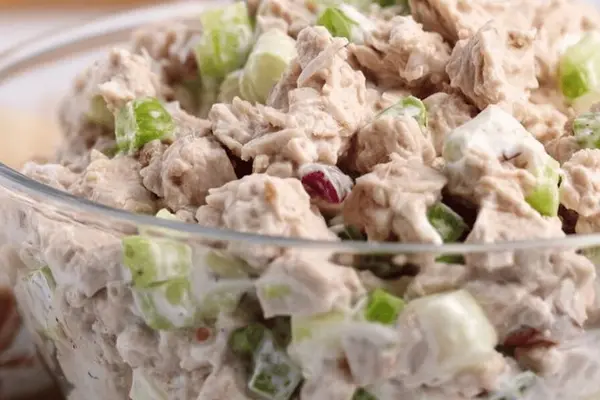
Avocado Tuna Salad No Mayo Recipe
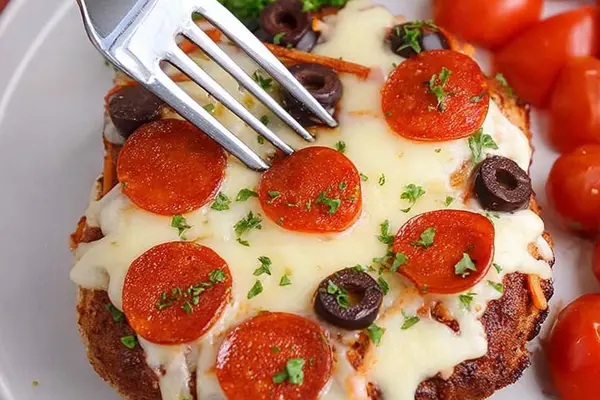
Open Face Pizza Burgers with Mozzarella
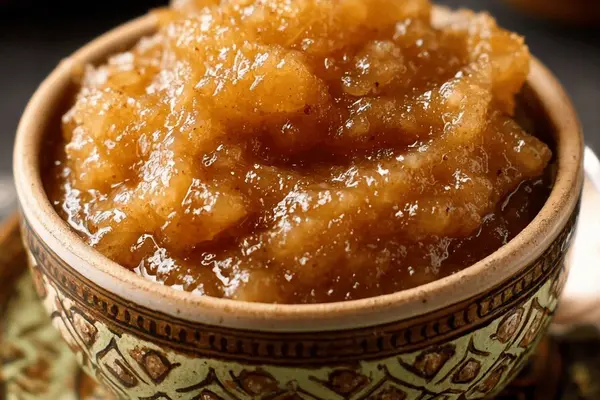
Pear Butter Recipe with Cinnamon
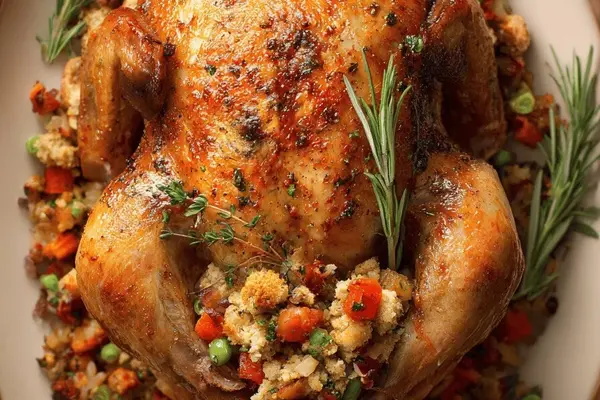
Roaster Chicken with Ground Turkey Stuffing
Herbed Ranch Salt Mix with Smoked Paprika