Oven Baked Rice Pilaf
By Emma
Certified Culinary Professional
·
Recipe tested & approved
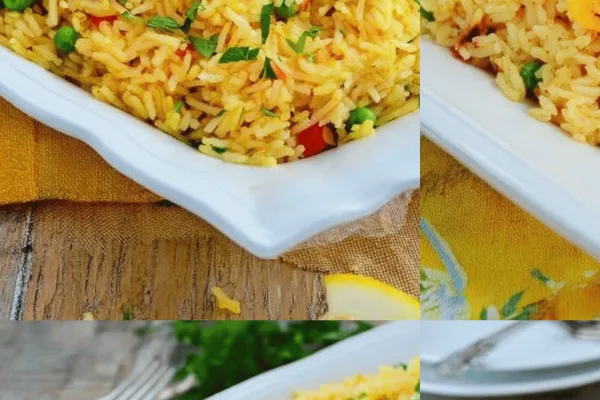
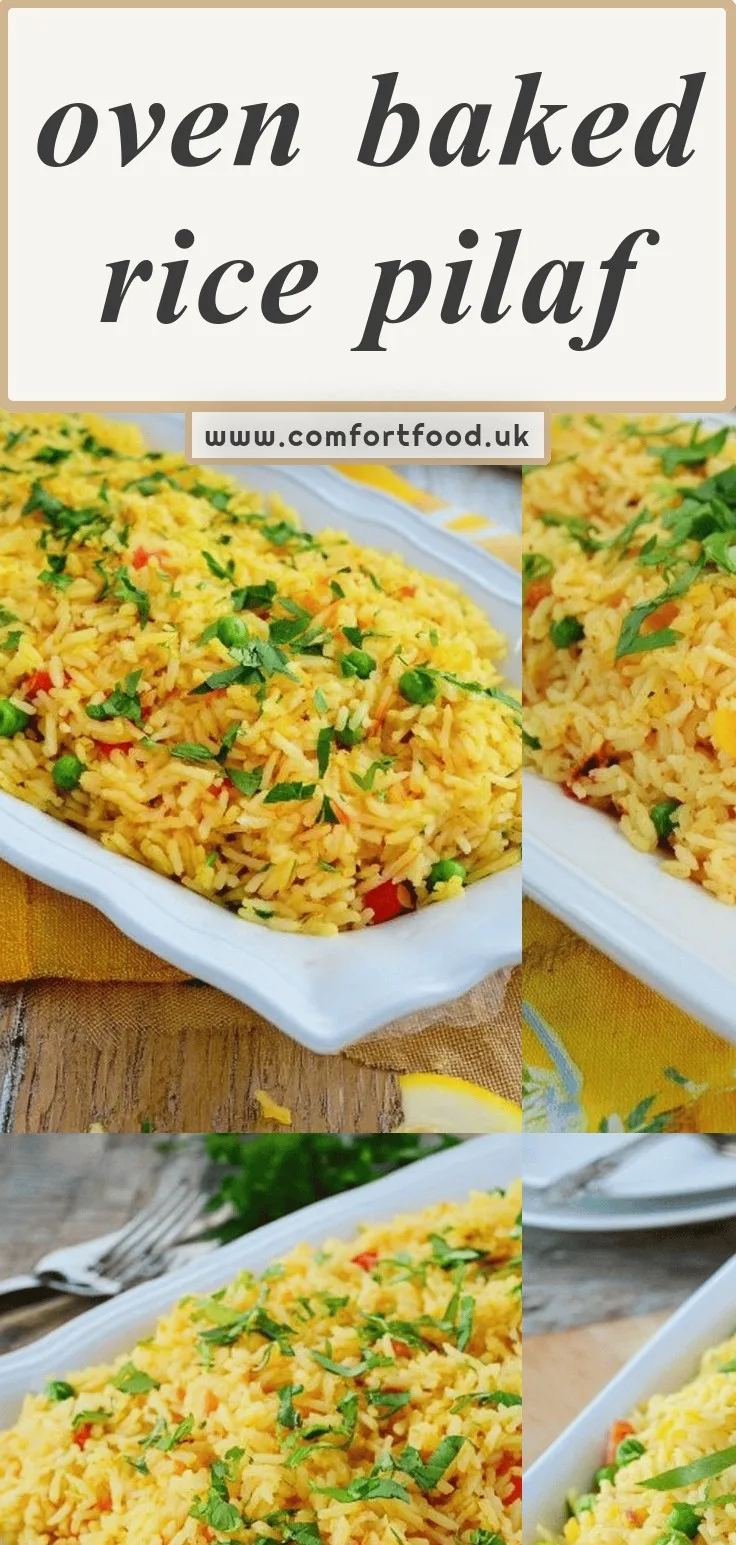
Oven Baked Rice Pilaf cooks rice with aromatics, saffron, and peas in a covered pan wrapped in a towel for even steaming. The result is fluffy grains with nutty aroma and vibrant color.
Prep:
10 min
Cook:
40 min
Total:
50 min
Servings:
5 servings
I used to mess up rice on the stovetop constantly until I tried this oven baked rice pilaf last Tuesday. The trick is a damp towel under the lid that traps steam better than anything else I’ve tried, and the rice comes out fluffy every time without me hovering over it.
Why You’ll Love This Recipe
- The damp towel method keeps every grain separate and fluffy
- You brown the rice first so it gets this toasted smell that’s hard to describe but really good
- Frozen peas go straight on top and stay bright green, not mushy
- It’s completely hands-off once it goes in the oven
- Saffron makes it look fancy but you only need a pinch
- The resting time after baking actually finishes cooking the rice without drying it out
The Story Behind This Recipe
I kept making stovetop rice that turned out gummy or had crunchy bits at the bottom. My neighbor mentioned she bakes her rice pilaf with a towel seal and I thought she was making it up. Tried it last Tuesday after work because I had everything already and didn’t want to order takeout again. The towel thing sounded weird but it worked better than any lid I own. Now it’s my default method because I can prep it and walk away for 30 minutes. I noticed the rice at the bottom stays just as fluffy as the top, which never happened when I made Mediterranean rice recipe versions on the stove.
What You Need
You’ll need 2 tablespoons of butter to start, not oil, because butter browns the rice better and smells incredible when it hits the pan. I had salted butter so I went light on the sea salt later. Get 1 cup of diced onion, which is about half a medium onion, and 1 clove of garlic that you’ve minced up. The ½ cup of diced bell pepper can be any color but I used red because that’s what was in my fridge and it looked nice with the saffron.
You need ½ teaspoon of sea salt for this, though regular salt works if that’s what you’ve got. The star here is 1 cup of long grain rice, not short grain or arbor or anything sticky. Long grain stays separate when you bake it.
The ¼ teaspoon of saffron threads goes in 2 tablespoons of warm water to bloom before you add it. I know saffron’s expensive but you really only need that pinch and it makes the whole thing smell different in a way I can’t explain. Then 2 cups of chicken broth for the liquid, and ½ cup of frozen peas that go straight from the freezer onto the rice. Don’t thaw them or they’ll turn to mush in the oven.
How to Make Oven Baked Rice Pilaf
Set your oven to 350 degrees Fahrenheit first so it’s ready when you need it. Melt the butter in a medium saucepan over medium-high heat until it starts foaming, which takes maybe 30 seconds. Toss in your diced onion, minced garlic, diced bell pepper and the sea salt all at once. Turn the heat down to low and stir it around every minute or so until the onion goes soft and translucent, about 3 to 4 minutes total.
You’ll hear this gentle sizzle and smell the onion getting sweet. Crank the heat back up to medium and dump in your rice. Let it sit there for 30 seconds without touching it so the bottom grains get a little color on them.
Keep stirring it on and off for another 3 to 4 minutes until the rice smells toasted and starts looking faintly golden. This part matters because it’s where the nutty smell comes from. Pour in the saffron with its soaking water, then add all 2 cups of chicken broth and bring everything to a rolling boil over medium-high heat.
The saffron smell hits you when the steam starts rising. Pull the pan off the heat completely. Scatter your frozen peas evenly across the top of the rice but don’t stir them in.
Now here’s the part that felt weird. Take a thin kitchen towel, get it damp under the faucet and wring it out so it’s moist but not dripping. Drape it tight over the whole surface of the pan, then put the lid on top of the towel and fold the towel edges up over the lid to seal it. The towel creates this seal that keeps the steam in better than just a lid.
Move the whole thing, towel and lid and everything, into your preheated oven. Bake it for 15 minutes and don’t open it to check. After 15 minutes, take it out but leave the lid and towel on for another 15 minutes while it sits on your counter. This resting time is when the rice actually finishes cooking without getting dried out, and I noticed the grains on top were just as fluffy as the ones on the bottom, which never happens when I make rice pilaf on the stove.
When you finally take the lid off, the peas will be bright green and the rice should look fluffy with separate grains. Use a fork to fluff it gently before you serve it.
What I Did Wrong the First Time
I used a thick towel the first time because I figured more fabric meant more steam trapping. Wrong. It absorbed too much moisture and the rice came out a little dry on top. Use a thin dish towel or even a flour sack towel if you have one.
Also I panicked and opened the lid after 10 minutes to check on it. All that steam escaped and the rice took way longer to finish, plus the texture was off. Just trust the 15 minutes in the oven and don’t peek.
Oven Baked Rice Pilaf
Prep:
10 min
Cook:
40 min
Total:
50 min
Servings:
5 servings
Ingredients
- 2 tablespoons butter
- 1 cup diced onion
- 1 clove garlic, minced
- ½ cup diced bell pepper
- ½ teaspoon sea salt
- 1 cup long grain rice
- ¼ teaspoon saffron threads
- 2 tablespoons warm water
- 2 cups chicken broth
- ½ cup frozen peas
Method
- 1 Set the oven to 350 degrees Fahrenheit.
- 2 In a medium saucepan, melt butter over medium-high heat until foaming.
- 3 Add diced onion, minced garlic, diced bell pepper, and sea salt. Cook on low heat, stirring occasionally, until the onion softens and turns translucent, about 3 to 4 minutes. Listen for gentle sizzling and smell the onion sweetening.
- 4 Turn the heat back to medium and stir in the rice. Let it cook undisturbed for 30 seconds so it can brown slightly. Keep stirring intermittently over 3 to 4 minutes until the rice emits a nutty aroma and develops a faint golden tint.
- 5 Pour in the saffron with its soaking water, then add the chicken broth. Bring the mixture to a rolling boil over medium-high heat, the steam carrying hints of saffron’s subtle floral notes.
- 6 Remove the pan from heat. Evenly scatter frozen peas atop the rice layer. Take a thin, clean kitchen towel, moisten it thoroughly, then drape it tightly over the saucepan surface. Place the lid on top of the towel, folding the towel edges over the lid to seal.
- 7 Transfer the covered pan, towel and all, to the preheated oven. Bake for 15 minutes without peeking—resist the urge to open and release steam.
- 8 After baking, keep the pan sealed and let it rest at room temperature for 15 minutes. This step lets the steam finish cooking the rice without drying it out.
- 9 Remove the lid and towel carefully, noticing the fluffy grains separated by plump, bright green peas. Fluff the rice gently with a fork to separate textures before serving.
- 10 If you've experimented with this pilaf approach, come back to note your own tweaks and experiences.
Nutritional information
Calories
220
Protein
5g
Carbs
35g
Fat
6g
Tips for the Best Oven Baked Rice Pilaf
Wring that towel out hard before you drape it over the pan. If it’s too wet it’ll drip into the rice and you’ll end up with soggy patches around the edges.
The rice actually continues absorbing liquid during the 15-minute rest after you pull it from the oven, so don’t freak out if it looks a little soupy when you first take the lid off at the 15-minute baking mark. Just put the towel and lid back on and let it sit.
I noticed the saffron color spreads more evenly if you pour the broth in a circular motion instead of just dumping it all in one spot. The yellow goes everywhere instead of staying concentrated on one side.
Your pan needs to be oven-safe with an oven-safe lid or this whole thing falls apart. I used my regular saucepan with a metal lid and it worked fine at 350.
Don’t skip bringing the broth to a full rolling boil before you take it off the heat. That initial blast of heat is what starts the cooking process and if you put it in the oven lukewarm the timing gets thrown off.
Serving Ideas
I ate mine with grilled chicken thighs that I’d marinated in lemon and oregano. The rice soaked up the juices from the chicken and it was better than I expected.
It also works next to baked fish, especially something like salmon or cod that doesn’t have a ton of sauce. The rice is flavorful enough on its own that you don’t need much else on the plate.
My roommate mixed in some crumbled feta after fluffing it and said it tasted like something from a Greek restaurant. I tried it and she wasn’t wrong.
Variations
You can swap the chicken broth for vegetable broth if you want it vegetarian and it still tastes good, just a little less rich. I’d add an extra pinch of salt to make up for it.
Swap frozen corn for the peas if that’s what you have. It stays just as bright and adds a different kind of sweetness that works with the saffron.
I tried adding a handful of chopped fresh parsley right at the end when I fluffed it and the green looked nice against the yellow rice. Cilantro would probably work too if you’re into that.
Skip the saffron and use turmeric instead if you want the color without spending money on saffron threads. Use about ⅛ teaspoon because turmeric’s stronger and can taste bitter if you go heavy. It’s not the same flavor but it looks similar and costs way less.
FAQ
Can I use brown rice instead of long grain white rice?
No, brown rice needs way more liquid and a longer cooking time, probably 45 minutes instead of 15. The timing in this oven baked rice recipe is built for white long grain and brown rice would come out crunchy and undercooked.
What if I don’t have saffron?
Just skip it entirely or use the turmeric substitution I mentioned. The rice pilaf will taste fine without it, just less aromatic and not as yellow.
Can I make this ahead and reheat it?
Yeah, it reheats okay in the microwave with a damp paper towel over it for about 2 minutes. It won’t be quite as fluffy as fresh but it’s still decent for meal prep.
How do I store leftovers?
Put it in an airtight container in the fridge and it’ll keep for 3 to 4 days. The peas get a little softer after a day but the rice texture holds up.
Can I double this recipe?
You’d need a bigger pan and I’m not sure the cooking time would stay the same. I haven’t tried it so I can’t say for sure how it’d work out.
What kind of rice works best?
Long grain white rice like basmati or jasmine. Don’t use arborio or short grain because those get sticky and you want separate fluffy grains here.
Do I really need the towel or can I just use the lid?
The towel makes a huge difference in trapping steam. Just a lid lets too much moisture escape and you’ll get drier rice with some hard bits.
Can I use fresh peas instead of frozen?
Fresh peas would probably overcook and turn mushy during the baking and resting time. Frozen works better because they’re already blanched and stay firm.
What if my towel touches the heating element in my oven?
Fold the edges up over the lid so no part of the towel hangs down. If your oven’s really small and the towel might touch the top element, use a different cooking method.
Can I add other vegetables to this?
You could mix in diced carrots or celery when you cook the onion at the beginning. Don’t add them on top like the peas or they won’t cook through.
Why does my rice come out mushy?
You either used too much liquid, opened the lid during baking, or didn’t brown the rice long enough before adding the broth. The toasting step coats each grain and helps it stay separate.
Can I use olive oil instead of butter?
Yeah but the rice won’t brown as well or smell as nutty. Butter has milk solids that caramelize and give you that toasted flavor oil doesn’t have.
How do I know when the rice is toasted enough?
It’ll smell nutty and look slightly golden, not white anymore. Takes about 3 to 4 minutes of stirring over medium heat after you add it to the pan.
What size pan should I use?
A medium saucepan that holds at least 2 quarts. If it’s too small the liquid might boil over when you bring it up to a boil.
Can I leave out the bell pepper?
Sure, it’s mostly there for color and a little sweetness. The Mediterranean rice recipe still works without it.
Why do I need to bloom the saffron in warm water first?
It releases the color and flavor better than just throwing the dry threads into the broth. You get more out of that expensive pinch if you soak it first.
Is there a way to make this without an oven?
Not really, that’s the whole point. If you want stovetop rice pilaf that’s a different technique with different timing and you’d need to watch it more.
Can I freeze this rice?
I haven’t tried freezing it but I’d guess the peas would get weird and watery when you thaw it. Fresh or refrigerated leftovers work better.
What if I only have salted butter?
Use it and cut back on the added salt to maybe ¼ teaspoon. Taste it after fluffing and add more salt if you need it.
How tight should the towel be over the pan?
Tight enough that it’s stretched across the surface with no gaps, but not so tight you can’t get the lid on top. You want a seal but not a struggle.
Why does the recipe say to let it sit undisturbed for 30 seconds after adding rice?
That lets the bottom layer of grains get some color on them before you start stirring. If you stir right away nothing browns and you lose that toasted flavor.
Can I use instant rice?
No, instant rice is already cooked and would turn to mush with this method. You need regular uncooked long grain white rice.
You’ll Love These Too
Explore all →
Homemade Baby Broccoli Purée with Cauliflower
Slow Cooker Turkey Breast with Herb Butter

Ham Pimiento Cheese Sandwich Baked

Creamy Garlic Parmesan Mushrooms
Asparagus Pea Puff Tart with Herb Spread
Bulgur Chicken Soup with Spiced Tomato Broth

Chicken Wonton Soup Recipe with Mushroom Broth
Oatmeal Chocolate Chip Cookies Recipe
Whipped Cream with Rum Extract and Cocoa
Brioche Cinnamon Bun Recipe with Caramel
Steaks Filet Mignon with Roasted Root Vegetables

M&M Cookies With Pecans and Crunch
Cream Cheese Bacon Chicken Pasta
Beet Tofu Deli Sandwich with Dill Relish
Halibut Papillotes with Pickled Cucumbers
Salisbury Steak Meatballs with Mushroom Gravy
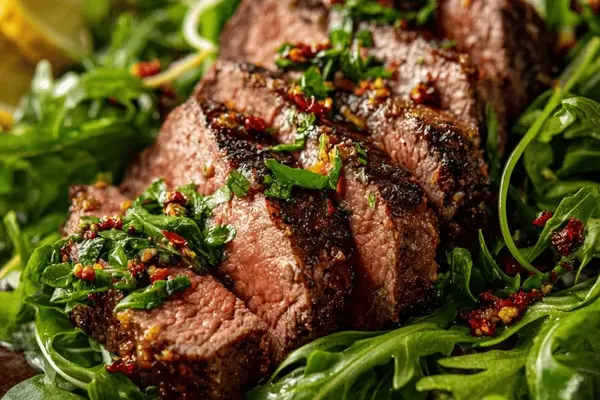
Beef Tataki with Harissa & Rice Vinegar
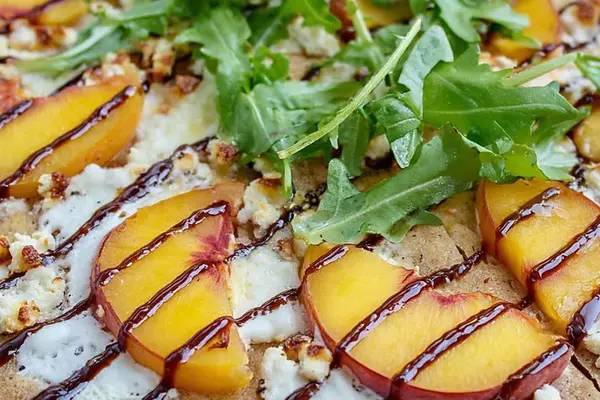
Peach Pizza with Gorgonzola and Arugula
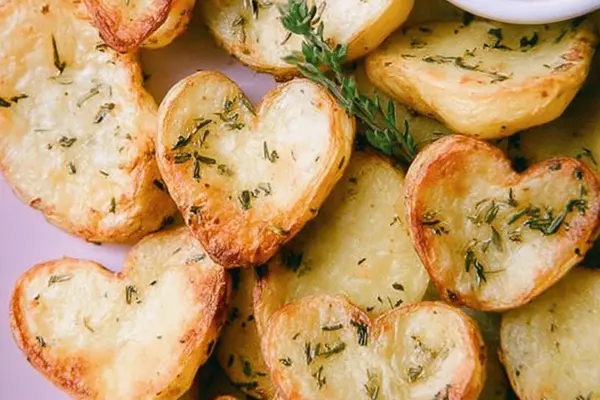
Crispy Roasted Potato Hearts with Garlic