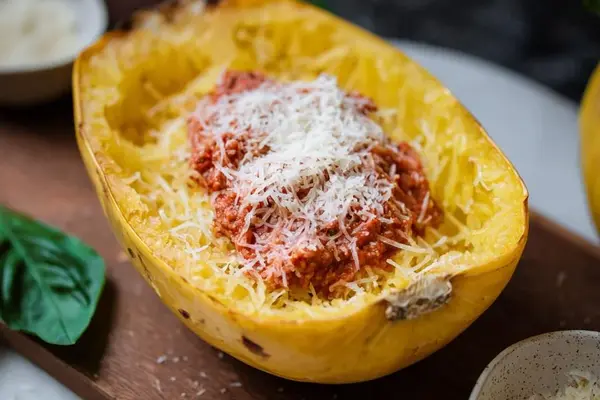
Oven-Roasted Spaghetti Squash Twist
E
By Emma
Certified Culinary Professional
•
Recipe tested & approved
Spaghetti squash roasted at 410 F until fork-tender, coated lightly in olive oil, sprinkled with smoked paprika replacing garlic powder for a smoky twist. Sauce heated with fresh basil, minced garlic, and thyme instead of oregano, offering a herb variation. Cooking times adjusted slightly based on tactile cues, not strict clock-watching. Sauce simmers while squash cooks to save time. Fork test key to doneness. Quick heating method for sauce to avoid over-reducing. Eggplant puree optional instead of jarred sauce for creamier texture. Yields two servings, balances veggie fiber with tomato acidity and herb complexity.
Prep:
10 min
Cook:
42 min
Total:
52 min
Servings:
2 servings
#vegetarian
#oven roasting
#italian-inspired
#quick sauce
#seasonal herbs
#meal prep
Before You Start
Split spaghetti squash for roasting, squashing thick flesh with olive oil. Smoky paprika swaps garlic powder, gives more depth and less burn risk under hot oven. Watch oven heat, not clock; squash’s texture says when done—resilient strands that pull apart, not mushy paste. Sauce warmer slowly, fresh herbs over dried for aroma burst; thyme over oregano this round. Always felt jarred sauce lacked freshness; adding minced garlic and herbs brings it alive, smells like summer garden. Fork test lets skin and flesh talk: piercing ease means sweetness unlocked inside. Pasta’s substitute, lighter but satisfying. Toss cheese or no cheese, each works. Quick cleanup with foil, smart tip learned after many stubborn scrubs. Instant Pot backup, but texture varies. Squash remains king for veggie-based meals.
Ingredients
- 1 medium spaghetti squash
- 2 tablespoons extra virgin olive oil
- 1 teaspoon smoked paprika
- ½ teaspoon black pepper
- 12 ounces jarred marinara or tomato eggplant puree
- 1 tablespoon fresh basil chopped
- 1 garlic clove minced
- 1 teaspoon fresh thyme leaves
In The Same Category · Main Dishes
Explore all →
Peanut Soba Chicken
Spaghetti Squash Paella Twist

Jalapeno Popper Chicken Pasta
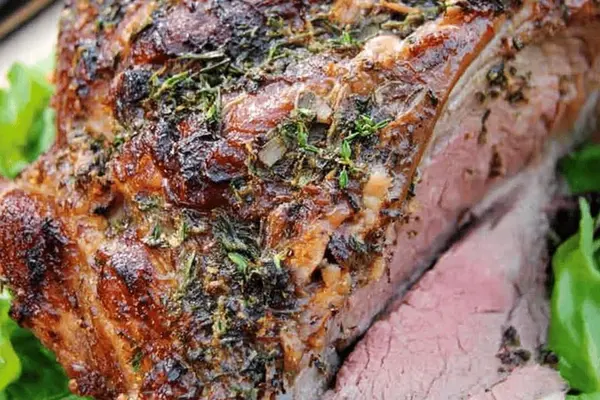
Roast Leg Lamb Twist

Sloppy Joe Garlic Bread
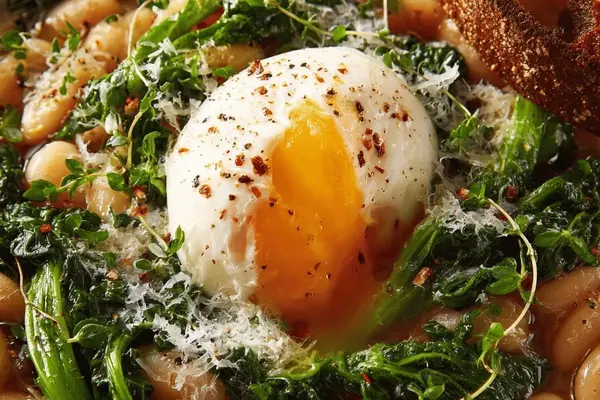
Slow-Baked White Beans with Soft-Boiled Eggs
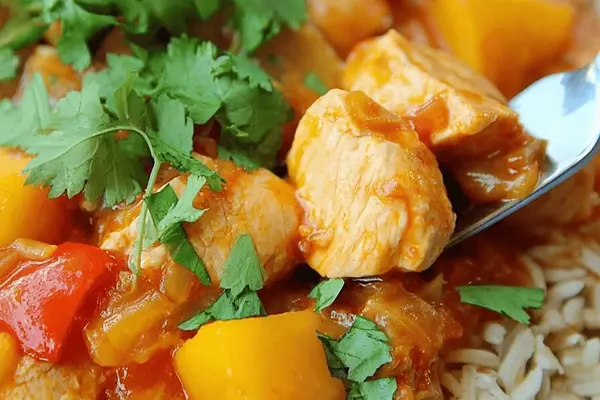
Spicy Peach Chicken
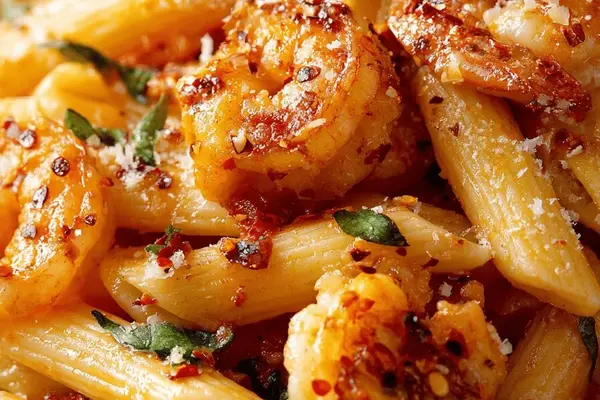
Shrimp Spicy Penne Twist
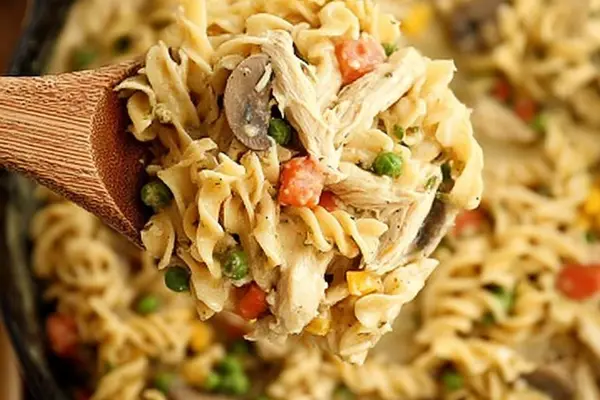
One Pot Chicken Pie Noodles

Smoky Chicken Birria Tacos
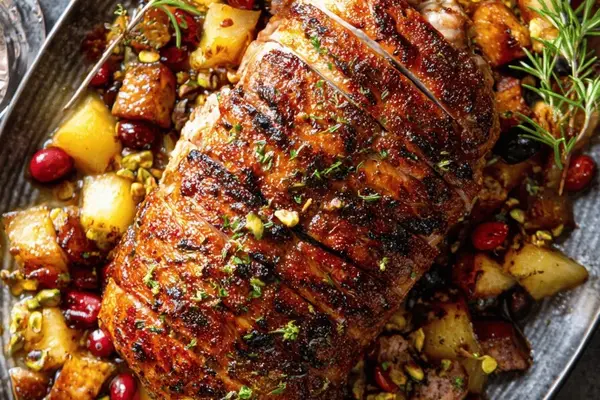
Turkey Pineapple Roast
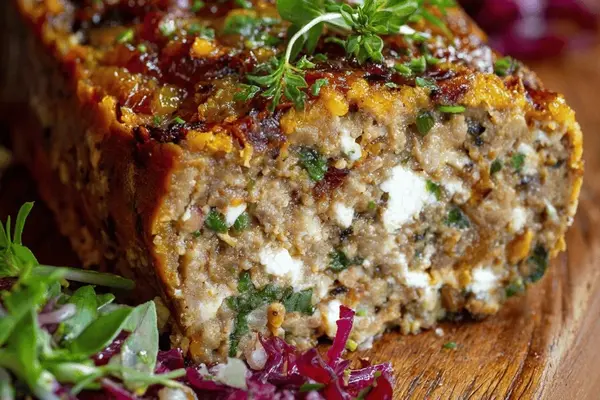
Rustic Meat Pâté
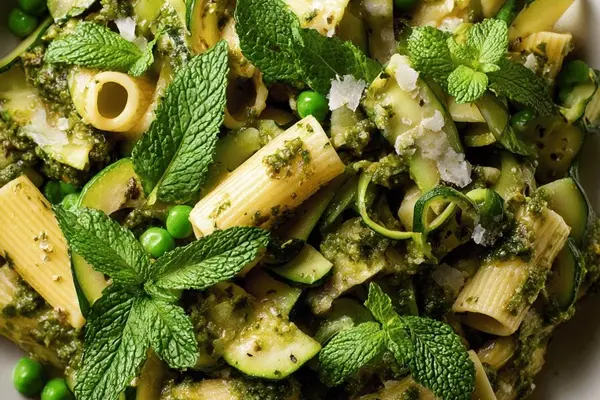
Tubettini with Peas and Ricotta Twist
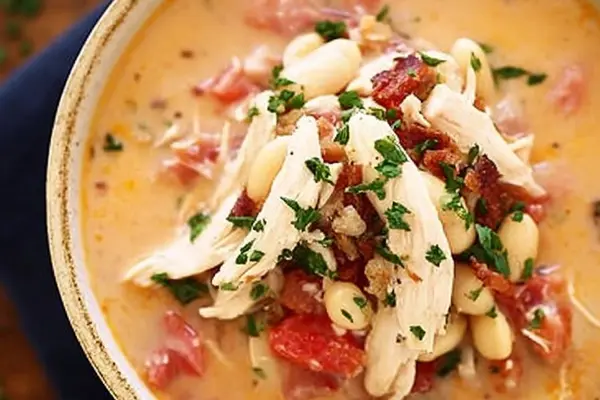
Rustic Slow Chicken Stew
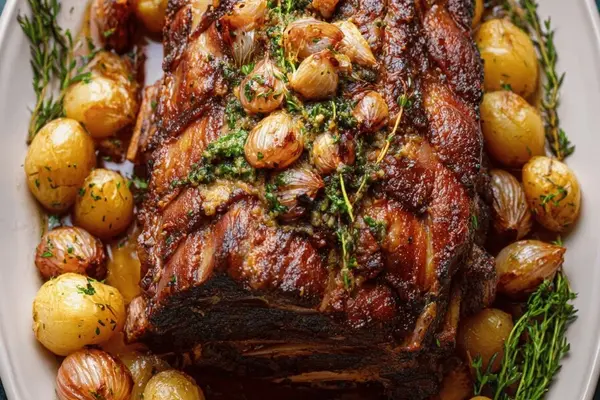
Slow-Roast Rib Beef Twist
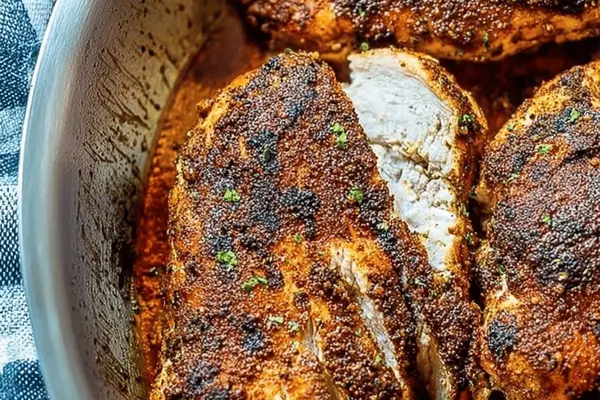
Smoky Blackened Chicken
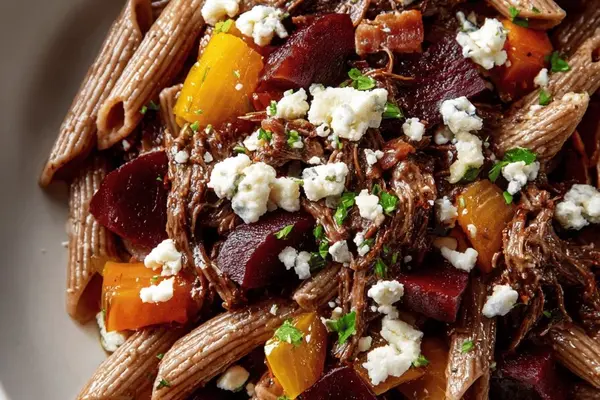
Beef Beet Ragout Penne
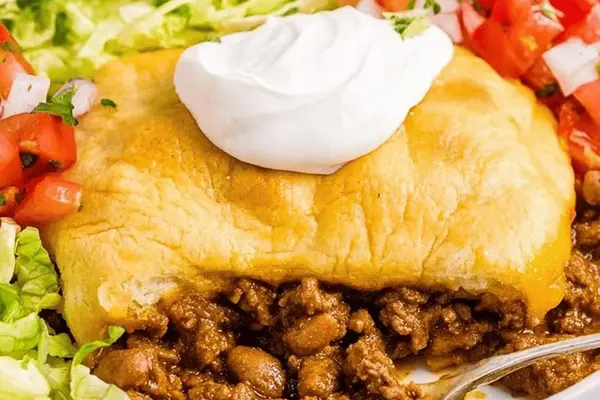
Twisted Taco Crescent Bake
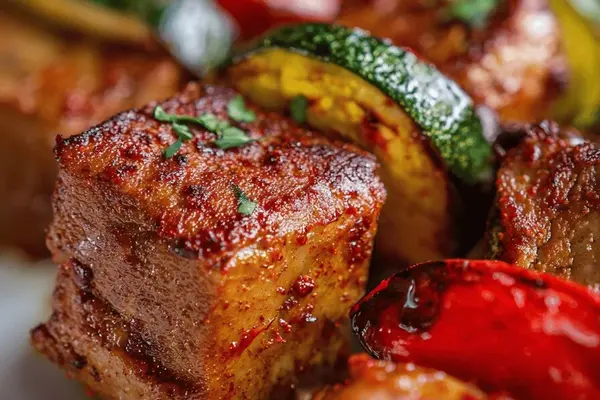
Spiced Pork Skewers
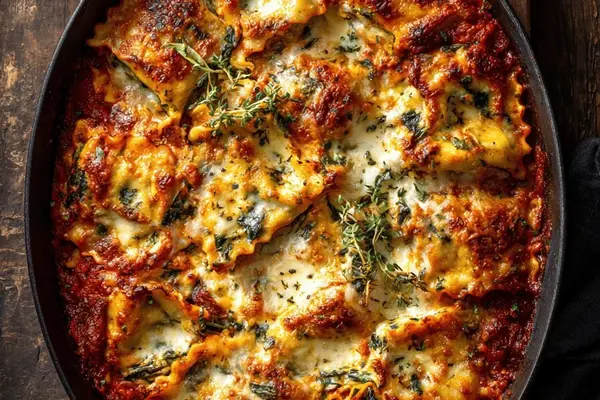
Ricotta Spinach Fazzoletti
About the ingredients
Spaghetti squash’s size varies; adjust oil and seasoning accordingly. If short on olive oil, sub half with avocado oil or melted butter for better mouthfeel. Smoked paprika lends unexpected warmth—swap for chili powder if heat desired rather than smoke. Black pepper essential, but freshly cracked always better, ground prepackaged loses punch over time.Seasonal herbs elevate jarred sauces; basil and thyme complement tomato’s acidity well, but oregano or rosemary can step in if fresh isn’t around. When fresh herbs missing, double dried quantities but add early for full flavor extraction. Jarred sauce choice matters—light, fresh styles win. Tried eggplant or roasted pepper purees as sauce replacement; creamier but less vibrant tomato flavor, good if avoiding acidic sauces. Garlic powder contextual; powdered tends to burn under direct baking heat, hence switching to paprika here. Consider preferences and storage life when swapping ingredients.
Method
- Preheat oven to 410 degrees F; slightly higher than usual to crisp edges.
- Halve spaghetti squash lengthwise; scoop seeds out gently.
- Brush olive oil inside each half generously; oily surface helps caramelize and prevents drying.
- Sprinkle smoked paprika and black pepper evenly; paprika adds mild heat and smoky depth replacing garlic powder, which can burn if exposed to dry heat.
- Place squash halves cut-side down on foil-lined baking sheet; foil makes cleanup easier and prevents sticking. Remember, avoid using baking stone as it can crack with moisture.
- Roast about 42 minutes minimum; test after 35 by poking fork into flesh center. Flesh should flake apart with slight resistance but not mushy or dry. Over-roasting ruins texture – stringy but tender is goal.
- While squash roasts, heat sauce in small saucepan over medium heat. Add minced garlic, fresh chopped basil, and thyme.
- Stir occasionally, watch for garlic releasing aroma; about 7-8 minutes until sauce slightly thickens but no reduction to avoid bitterness. If sauce thickens too fast, add little water or wine to loosen.
- Once cooked, scrape spaghetti squash strands out with a fork, loosen fibers carefully to avoid shredding fibers completely into mush; want strands that twirl, not mash.
- Serve strands plated or in small bowls. Spoon herb-infused sauce on top; fresh herbs give savory lift and fresh fragrance.
- Optional: toss squash strands with a teaspoon of Parmesan or nutritional yeast if skipping cheese.
- Cleanup tip: scrubbing the foil immediately post-bake easier; the oil prevents sticky burnt bits.
- If no oven access, careful Instant Pot on high pressure for 12 minutes with 5-minute natural release works—avoid overcooking here too.
Cooking tips
Oven temperature slightly above usual to encourage caramelized edges, which add texture—don’t rely solely on baking time. Touch test with fork critical, gives tactile feedback over rigid minutes. Flesh softness but structure retained is sweet spot; overcooked squash results in soggy, unmanageable strands. Oil coating locks moisture, aids roasting, creates subtle crispness on cut surfaces. Scraping should be gentle to maintain strand integrity. Sauce heating: just warming through with herbs releases essential oils without turning bitter or reducing glaze. Watch sauce closely; garlic can burn fast especially minced fresh, making bitter notes. Mixing during heating keeps flavors marrying smoothly. Serving: place strands immediately after scraping; they cool and clump otherwise. Foil lining prevents sticking, an efficiency trick saving time and elbow grease post-cook. Instant Pot shortcut viable but less control on texture; test and adjust timing accordingly. Experience shows slight variations needed depending on squash size and ripeness, practice develops intuitive timing.
Chef's notes
- 💡 Oven set slightly higher than usual to crisp edges well; roasting at 410 F helps caramelize inside surfaces. Squash size varies—adjust oil amount accordingly. Use foil on baking sheet for easy cleanup; oil on foil stops sticking. Fork test after 35 minutes; strands should pull apart but keep structure, no mush or dryness. Don't rely strictly on time; tactile feel beats clock every time.
- 💡 Swapping garlic powder for smoked paprika avoids bitter burnt taste. Paprika gives mild smoky warmth rather than sharpness. Fresh cracked black pepper more vibrant than pre-ground—adds punch that builds through roasting. If smoked paprika unavailable, chili powder is okay substitute for heat but loses smoky depth. Fresh herbs added to sauce late release fragrance without bitterness.
- 💡 Sauce timing critical. Heat gently with minced garlic, fresh basil, and thyme about 7–8 minutes—avoid boiling or thick reduction. Stir often to prevent garlic burning which causes bitter notes. Quick loosening with splash water or dry white wine if sauce thickens too fast. Eggplant puree option for creamier sauce with milder acidity; swaps tomato base but shifts flavor and texture balance.
- 💡 Handling squash strands after roasting requires gentle scraping to keep integrity. Avoid over-mixing or mashing; want twisted forks, not paste. Serve immediately to prevent clumping and cooling—texture changes fast. Optional sprinkle Parmesan or nutritional yeast for savory layers if skipping classic cheese. Instant Pot shortcut works—pressure cook 12 minutes with natural release—but texture more variable, less caramelized.
- 💡 Herbs matter. Fresh basil and thyme bring brightness to jarred marinara; oregano can be replaced here but thyme lends earthier warmth. If fresh herbs missing, double dried amount, add early to sauce for full flavor. Oil coating seals moisture and aids roasting texture; try half olive oil plus avocado or melted butter if olive oil short. Cleanup tip: scrub foil while warm, oil blocks burnt bits from sticking hard.
Common questions
How do I know when spaghetti squash is done?
Fork test key. Poke flesh after 35 minutes or so. Should flake apart with slight resistance but no mush. If too soft or stringy, overcooked. Texture tells more than timer. Keep edges crisp too.
Can I substitute garlic powder in seasoning?
Swap paprika instead for smokiness. Garlic powder burns quickly under oven dry heat leaving bitter taste. Fresh minced garlic better in sauce. For heat, chili powder works but lacks smoke layer. Adjust based on flavor preference.
What if sauce thickens too fast?
Add bit of water or white wine here. Stir often, gentle heat stops burning garlic or herbs. Keep sauce just simmered, not boiling down too much or bitterness appears. Quick heating preserves freshness without glaze.
How to store leftovers properly?
Squash strands fridge in airtight container—lasts 3-4 days but texture changes. Sauce separate or combined works. Reheat gently to avoid drying squash. Freeze possible but strands lose some integrity. Best fresh but leftover plan helps.
You’ll Love These Too
Explore all →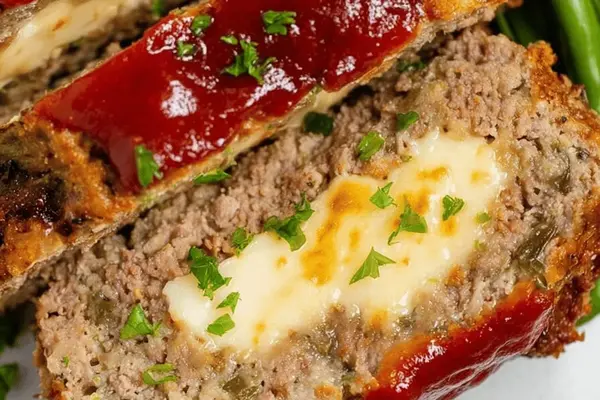
Stuffed Mozzarella Meatloaf

Chunky Pimento Melt
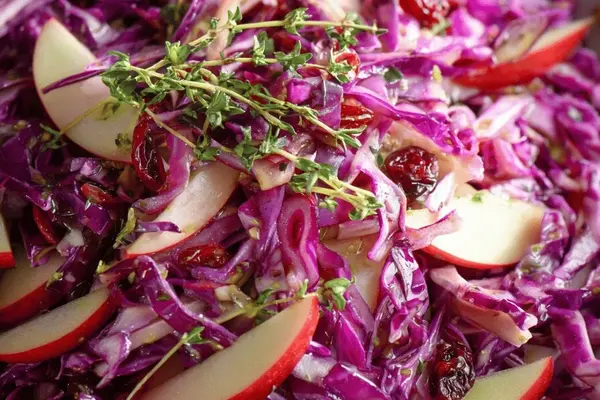
Red Cabbage Apple Salad
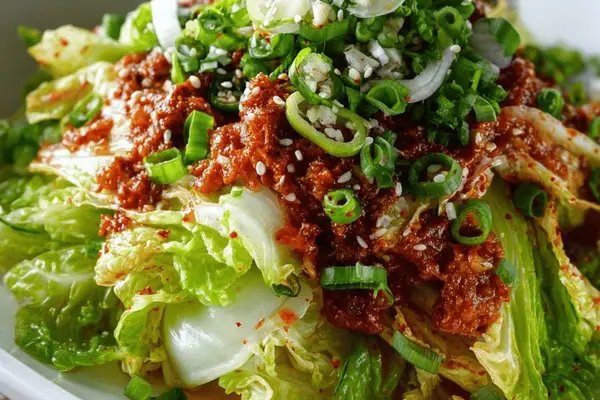
Tangy Kimchi Salad Toss
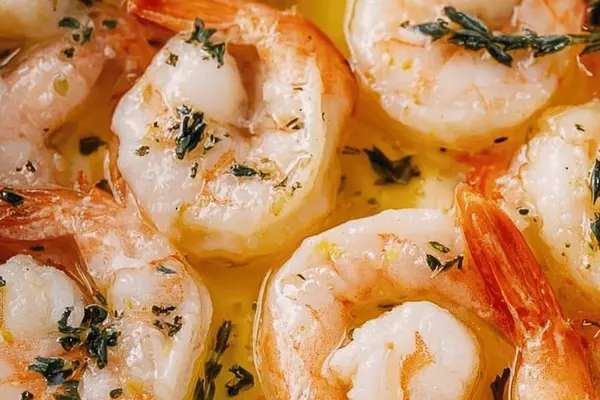
Garlic Lemon Brined Shrimp
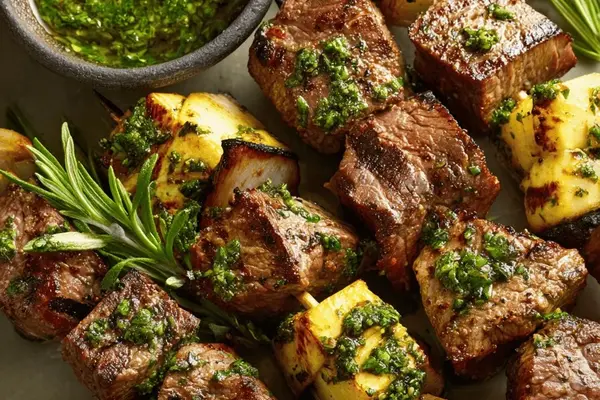
Herbed Pork Beef Skewers
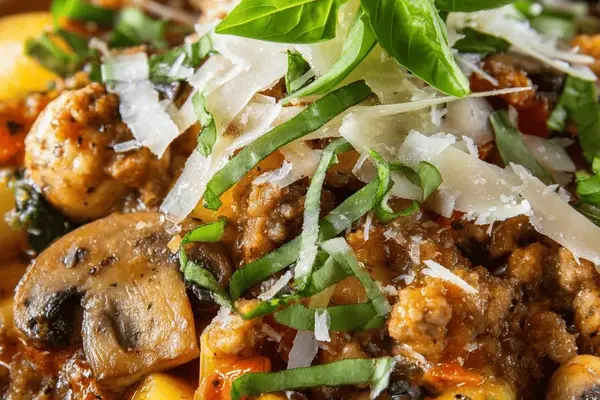
Sausage Balls Veggies Slowcooked

Chilly M&M Cookies
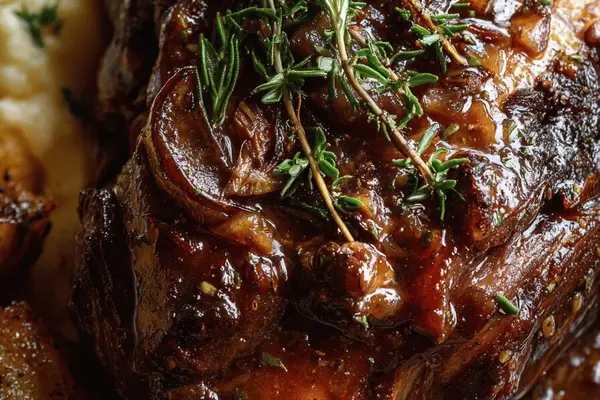
Lamb Leg Slow Braise

Iced Espresso Buzz
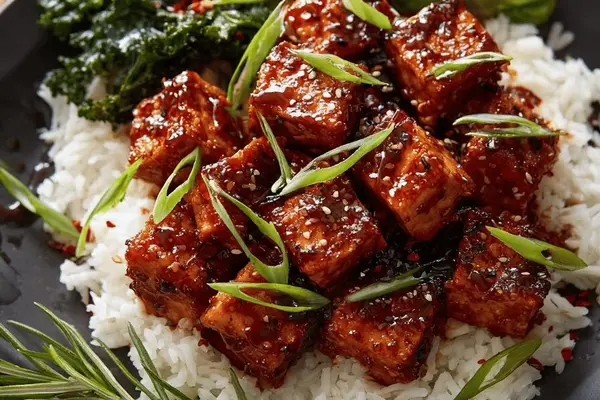
Maple Glazed Tofu
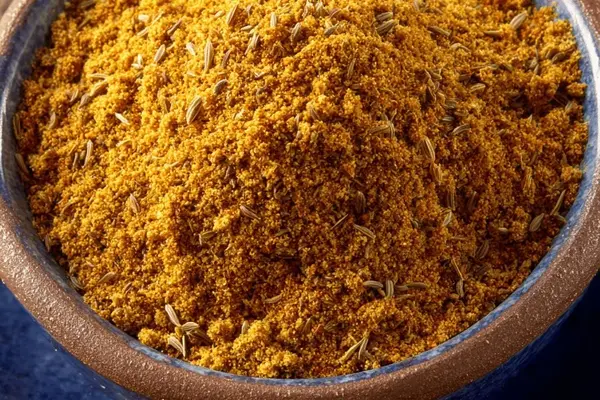
Sweet Spiced Mustard Twist
Tomato White Bean Soup

Red Velvet Cupcakes Twist
Chicken Alfredo Twist
Smoky Ranchero Sauce
Watermelon Tomato Basil Feta
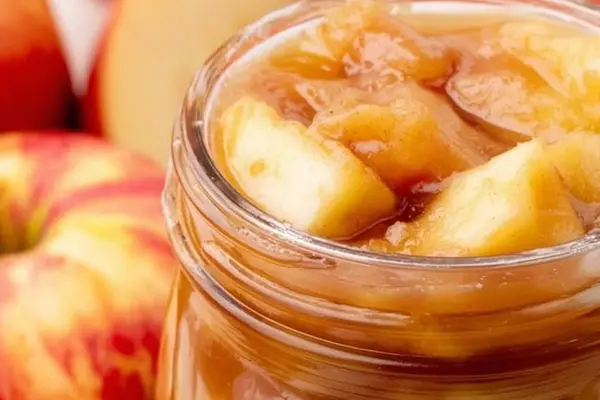
Spiced Apple Filling

Raspberry Ginger Float

Chocolate Fun Dip