Oven-Steamed BBQ Ribs with Paprika Dry Rub
By Emma
Certified Culinary Professional
·
Recipe tested & approved
Oven-steamed BBQ ribs with paprika, cumin, and brown sugar dry rub, finished on the grill with sticky sauce. Apple cider vinegar powder adds tang. Tender, juicy, charred bark.
Prep:
35 min
Cook:
2h 55min
Total:
3h 30min
Servings:
4 servings
Two hours, fifty minutes. That’s the window between raw and actually falling apart. Cut your ribs into sections first—three or four bones each, doesn’t matter which direction. Sharp cleaver. Watch your fingers. Smaller pieces steam faster, which sounds weird for ribs but it works.
Why You’ll Love These Oven-Steamed BBQ Ribs
Takes almost four hours total, but you’re not doing much of it. Mix the rub. Stick ribs in the oven. Grill for 20 minutes. Done. Tastes like you spent all day on these. The steam breaks down everything without drying it out, then the grill marks them and the BBQ sauce sticks. Crust actually forms instead of sliding off. Works as actual dinner, not just a side. Heavy enough to be the main thing on the plate. Plenty of it. Leftover pork—and there usually is—gets better cold. Not as good hot, but close. Refrigerator ribs are weirdly good the next day. The paprika rub doesn’t wash off. That’s the whole point here. Dry rub stays put under steam, then chars when it hits heat.
Oven-Steamed Ribs Dry Rub and Prep
Paprika. Two tablespoons. Not the sweet kind—regular. Chili powder, one tablespoon. Brown sugar, same amount. Cumin, garlic powder, onion powder—one teaspoon each. Black pepper. Kosher salt. Apple cider vinegar powder, one teaspoon. That last one does the work. Tried celery salt once. Everything tasted like the ocean. Don’t do that.
Mix those together in a bowl. Just a regular bowl. Nothing special happens here.
Oil matters. Vegetable oil. Cooking spray works too. For the grill later, not now.
Water for the oven pan—or apple juice. Apple juice is better. Steams the same but the sugar in the juice caramelizes into the steam itself, and that touches the meat. Water just steams. Both work. Juice is less sad.
BBQ sauce. Homemade or bought. Thick kind. Something with vinegar tang in it. Not the thin runny ones. Those just burn.
How to Make Oven-Steamed Pork Ribs
Set your oven to 210. Not 200. The extra ten degrees matters more than you’d think. Dries edges less, steams faster.
Wash your hands. This is important because you’re about to touch raw pork for a while.
Rub every section heavily. Meaty side only. Don’t flip them constantly trying to coat both sides. The bone side doesn’t need it. Put them on your work surface and just press the rub in. Gets into the meat better that way.
Arrange them on your oven rack—center rack—with space between. Don’t stack. Don’t crowd. Steam needs to move around each piece or you’ll get wet meat instead of steamed meat. There’s a difference and it matters.
Below on the lowest rack, put a rimmed baking pan. Fill it with water or apple juice. Don’t pour the liquid directly on the ribs. It will wash the rub right off. Just put the pan underneath and let the steam rise.
Set a timer for two hours fifty minutes. Check around the two-hour mark. Meat should be pulling back from the bone, edges getting darker, skin turning kind of tacky. Not falling off. Not yet.
How to Get Charred Bark on Grilled Ribs With BBQ Glaze
While everything steams, get your sauce ready. Homemade is better but store-bought works. Just use the thick kind.
Heat your grill to medium-high. Actually hot. Not warm. When you hold your hand over the grates, you should feel like leaving it there is a bad idea.
Spray or brush the grates with oil. Doesn’t matter which. You just don’t want meat sticking.
Pull the ribs out of the oven. They’ll be soft. Hot. Handle them like they’re fragile because they kind of are at this point.
Place them meaty side down first. Listen for the sizzle. That’s the sound you want. Cook for six to eight minutes. Just listen and watch for grill marks. Brown lines forming. That’s done.
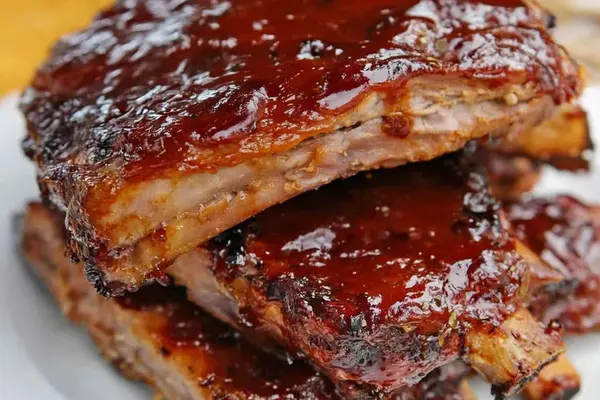
Flip to meaty side up. Start brushing BBQ sauce. Not dumping it on. Brushing. Thin layers. Do this every two or three minutes for about fifteen minutes total. Thin layers build a glossy bark. Thick layers just char black and taste bitter.
Last minute, give them a heavy slather. Final coat. Let the sauce bubble slightly. Edges caramelize. When you smell the smoke and hear the sauce crackling, you’re done. Pull them off.
Oven-Steamed Ribs Tips and Common Mistakes
Steam temperature matters way more than steam time. If your oven runs hot, it dries things out. If it runs cool, everything takes forever. Get an oven thermometer. Not the dial one. Those lie. Actual thermometer. Put it in there and trust it.
Don’t flip the ribs during steaming. Just leave them alone. The steam does the work. Flipping interrupts it.
The water or juice pan—keep an eye on it. Not constantly. Just check it once. If it’s dry before the timer goes off, add more. If you’re out of liquid halfway through, your ribs start getting dry instead of steamed.
Apple juice changes the rub slightly. Makes the surface a bit stickier. Water is neutral. Either works. Juice is just slightly less boring.
Grill temperature on the second part matters. Too low and you’re just reheating. Too high and the sauce burns before the meat gets hot. Medium-high is the sweet spot. You want sizzle, not flare-ups.
The bark—that crunchy caramelized surface—only happens if you don’t use too much sauce. One heavy coat at the end works better than constant glazing. Constant glazing just steams it all off.
Oven-Steamed BBQ Ribs with Paprika Dry Rub
Prep:
35 min
Cook:
2h 55min
Total:
3h 30min
Servings:
4 servings
Ingredients
- 3-4 rib sections cut from a full rack, 3 ribs each
- 2 tbsp paprika
- 1 tbsp chili powder
- 1 tbsp brown sugar
- 1 tsp ground cumin
- 1 tsp black pepper
- 1 tsp kosher salt
- 1 tsp garlic powder
- 1 tsp onion powder
- 1 tsp apple cider vinegar powder (sub for celery salt)
- Water or apple juice for oven pan steaming
- Vegetable oil or cooking spray for grill
- BBQ sauce, homemade or store-bought
Method
- ===
- 1 Cut ribs into manageable chunks, 3-4 ribs each, sharp cleaver essential. Beware slipping bones, watch fingers closely. Smaller batches speed marinade penetration.
- 2 Preheat oven to 210°F not 200. Slightly higher to speed steam without drying edges.
- 3 Dry rub: In a bowl, blend paprika through apple cider vinegar powder. Swap vinegar powder here for subtle zing; celery salt made things too salty previously.
- 4 After washing hands thoroughly, rub each rack portion heavily, meaty side only. Don’t pile ribs flat; spread with space so steam circulates. Crowding kills crust formation.
- 5 Rack ribs on center oven shelf. Below on lowest rack, fill a rimmed baking pan with water or—better—apple juice. Apple juice helps caramelize sugars in steam, but risks rub washing if poured directly on meat.
- 6 Bake ribs for around 2 hours 50 minutes to 3 hours, checking color and meat shrinkage. Meat edges should pull back, skin growing tacky but not falling off yet. Steam prevents dryness but locks in connective tissue break down too.
- 7 While ribs steam, prep a BBQ sauce. Homemade, thick with some vinegar tang. Hold for later glazing.
- 8 After steaming, heat grill to medium-high. Spray or brush grates with veg oil to stop sticking. Wait for grill to hiss when ribs hit.
- 9 Place ribs meaty side down initially, listen for sizzle. Cook 6-8 minutes until grill marks brown. Flip to meaty side up; begin brushing with BBQ sauce every 2-3 minutes for about 15 minutes total. Thin layers build sticky glossy bark rather than swamp rub.
- 10 Final pass, give ribs a heavy slather. Allow sauce to coke slightly but not char black. Remove when edges caramelize, ribs wiggle tender but still hold shape.
- 11 Served hot with more sauce. Cracks in surface, aroma sharp and sweet. When you hear the sauce bubbling and smell smoke, you’re close. Not mushy but yielding.
- ===
Nutritional information
Calories
450
Protein
40g
Carbs
20g
Fat
25g
Frequently Asked Questions About Oven-Steamed BBQ Ribs
How long does this actually take from start to eating? Three hours thirty minutes if you move. Thirty-five minutes prep, two hours fifty minutes in the oven, twenty minutes on the grill. The grill part is short. Most of the time is just waiting.
Can I use the oven temperature from my last recipe? No. 210 specifically. Your oven might run hot or cold, so get a thermometer. Don’t guess. Guessing on this is how you get dry ribs.
What if I don’t have apple cider vinegar powder? Celery salt was a disaster before. Skip it. Just use the water instead of the juice if you don’t have vinegar powder. Works fine. Tastes like straight rub and smoke instead of rub and sugar and smoke. Both are good.
Do the ribs need sauce or is the rub enough? The rub’s enough if you want it to be. But the sauce creates the bark. That sticky caramelized layer. That’s what makes them special. If you skip it, you just have smoked ribs. Still good. Different.
Can I make these without a grill? Stay in the oven. Another thirty minutes at 350. Ribs will be softer, less bark, no char marks. The steam does most of the work anyway. Grill’s just the finishing touch. Not worth buying a grill for this.
How do I know when they’re actually done? Meat pulls back from the bone. Edges get dark. You can wiggle a bone and it moves in the socket but doesn’t fall out. Not mushy. Still holds shape. When that happens and the grill marks are there, done.
You’ll Love These Too
Explore all →
Watermelon Feta Salad with Basil & Mint
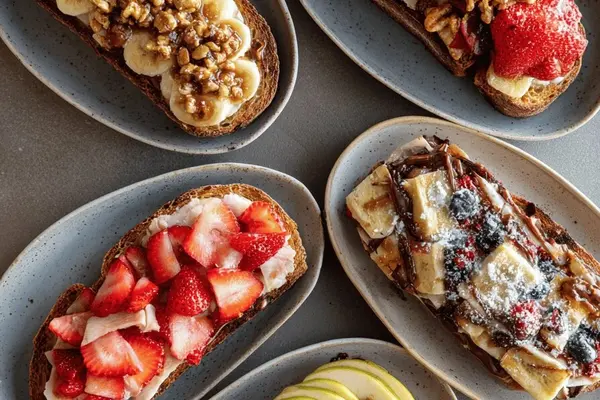
Easy Breakfast Tartines: 5 Sweet & Savory Ideas
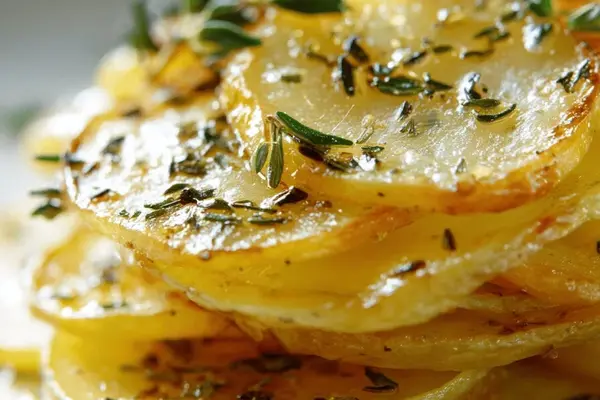
Crispy Potato Lace with Thyme & Rosemary
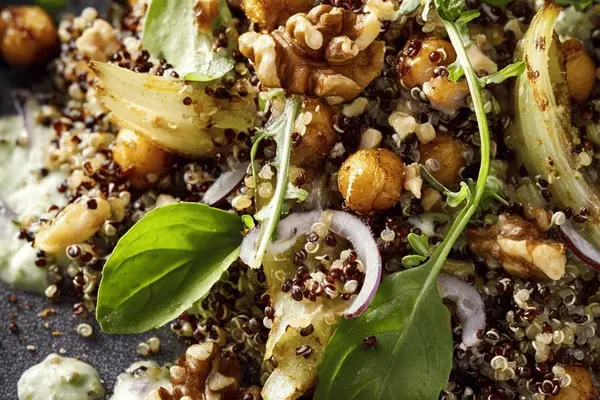
Quinoa Salad with Chickpeas and Walnuts
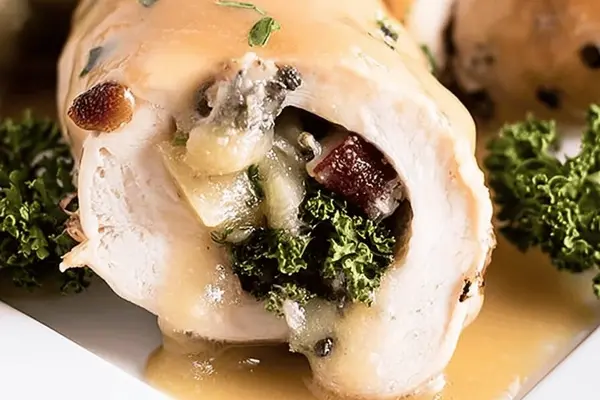
Stuffed Chicken Breast with Spinach & Apple Gravy
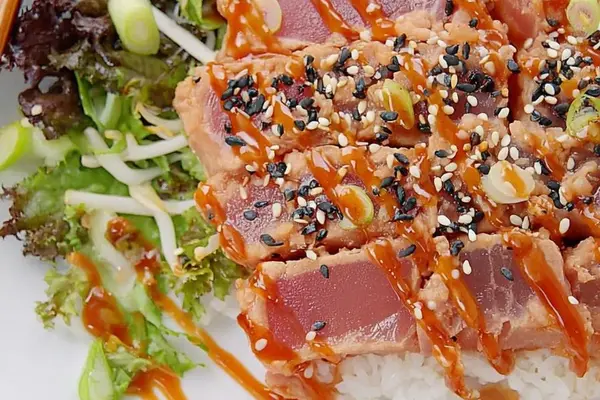
Sesame Seared Tuna with Volcano Sauce
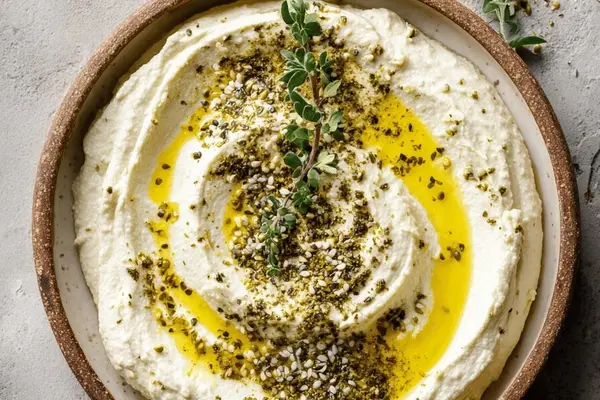
Labneh with Kefir and Za'atar: Easy Cheese
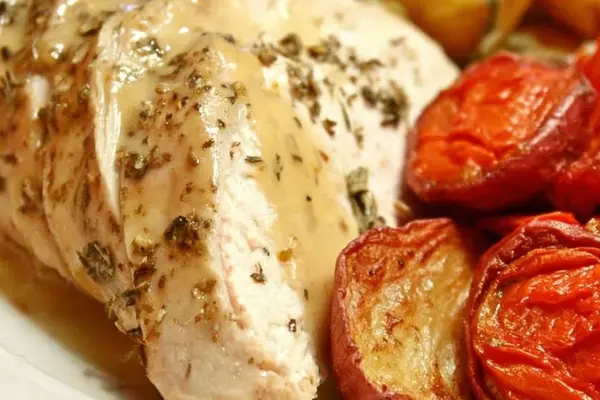
Slow Cooker Turkey Breast with Tuscan Broth
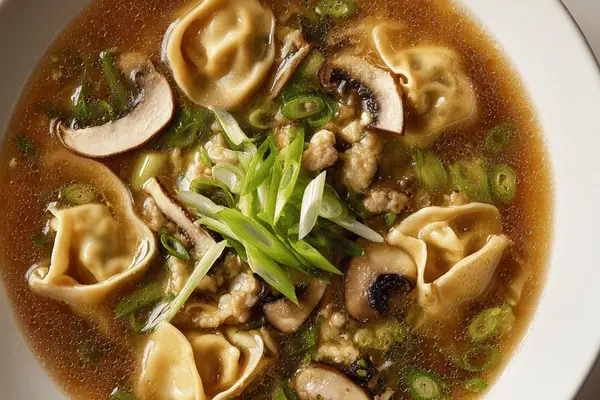
Chicken Wonton Soup Recipe with Mushroom Broth
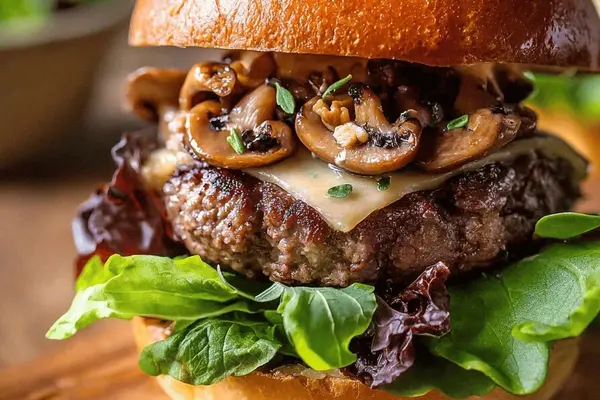
Beef Burger with Smoked Cheddar & Chipotle
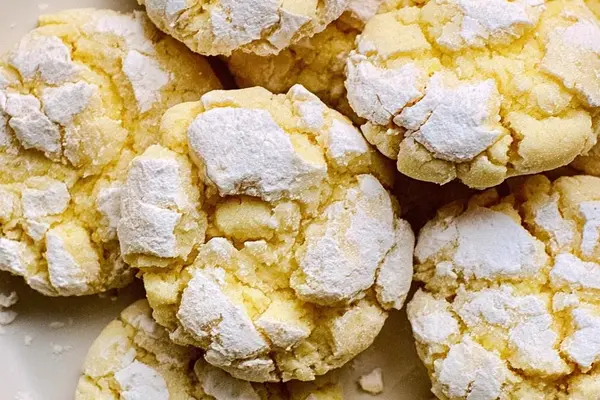
Lemon Crinkle Cookies with Browned Butter
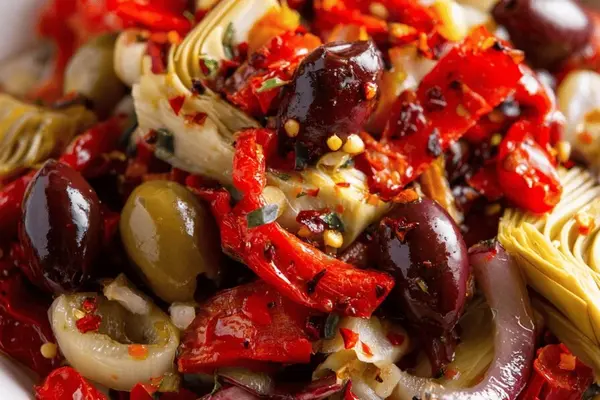
Chuck Hughes Antipasto with Artichokes
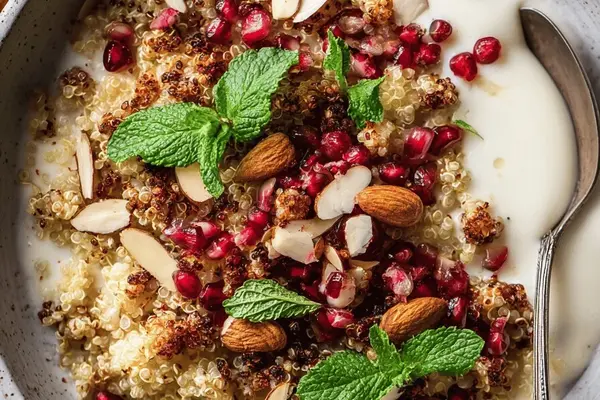
Honey Puffed Quinoa Vanilla Yogurt Bowl
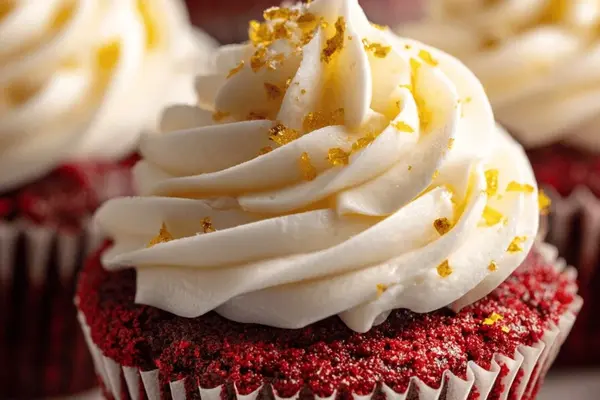
Red Velvet Cupcakes with Beet Juice
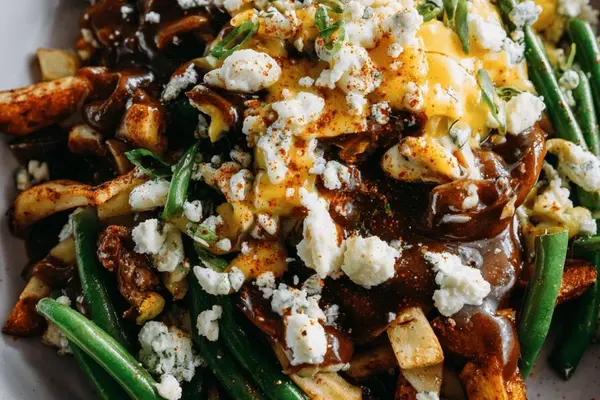
Parsnip Dish with Roasted Root Vegetables
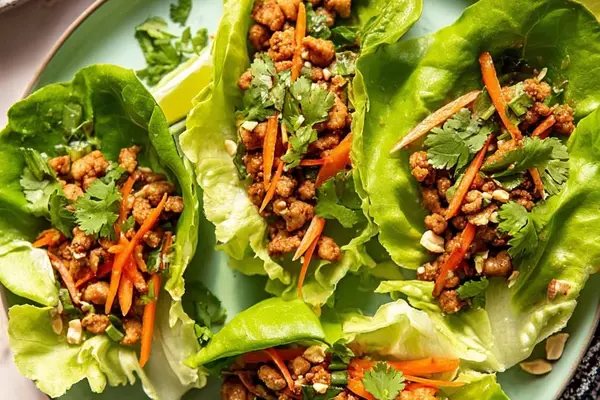
Copycat PF Changs Lettuce Wraps Recipe
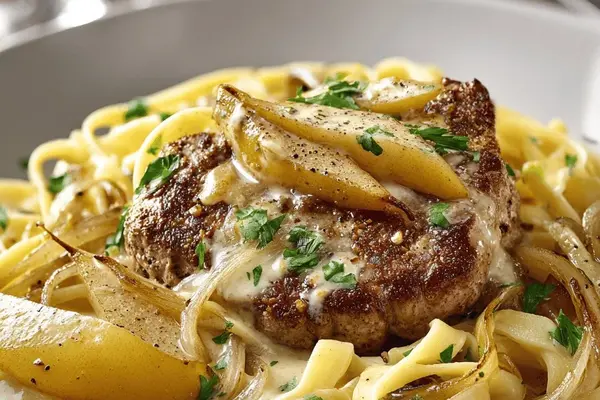
Beef Masala Recipe with Ginger and Pears
Carrot Ginger Rum Cocktail with Elderflower
Creole Cornbread Dressing with Sausage