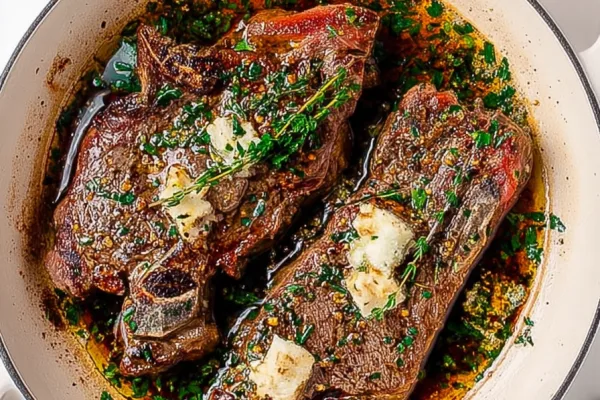
pan fried steak cast iron
By Emma
Certified Culinary Professional
·
Recipe tested & approved
Pan fried steak cast iron uses simple spices and a hot cast iron skillet for a rich crust. Cook steaks for 3-4 minutes per side to reach 125 degrees, then finish with butter and garlic for deep flavor.
Prep:
5 min
Cook:
10 min
Total:
25 min
Servings:
2 servings
I kept messing up steaks until I figured out that letting them sit out with salt actually changes everything. The meat relaxes and the seasoning sinks in instead of just sitting on top which is what I used to do.
Why You’ll Love This Recipe
- You get a crust that actually sticks instead of sliding off when you cut in
- No fancy ingredients, just salt pepper garlic powder and onion powder you probably have
- The garlic cloves go in halfway through so they don’t burn but still smell incredible
- 30 minutes of rest time means the steak isn’t cold in the center when you sear it
- Spooning butter over at the end adds this nutty richness that soaks right into the crust
- Cast iron skillet steak comes out consistent every time once you nail the oil temperature
The Story Behind This Recipe
Last Tuesday I got home around 6:30 and just wanted protein and salt. I’d been overthinking steaks for months, adding rosemary or trying reverse sear or whatever. This time I went back to basics with my cast iron and realized the trick isn’t more steps, it’s fewer mistakes. The 30-minute counter rest was something my dad used to do and I’d ignored it because I was impatient. Turns out he was right and I wasted like eight steaks learning that the hard way. Now I season, I wait, I heat the pan until it’s almost scary hot. That’s it.
What You Need
You need two steaks, and I used ribeyes because they were on sale but strip works too. They should be about an inch thick so the timing in the recipe actually matches what happens in your pan. Kosher salt is what you want here, not table salt because the grains are bigger and they don’t disappear into the meat too fast during that 30-minute rest. Ground black pepper, garlic powder, and onion powder make up the rest of the rub and honestly I just eyeball it now but start with maybe a teaspoon of each mixed together in a bowl.
Peanut oil is the one thing I’m specific about because it doesn’t smoke until way higher than you’d ever get your pan, which means you can really crank the heat without setting off your alarm. Vegetable oil works but barely. Smashed garlic cloves go in halfway through and you literally just smash them with the side of your knife, peel and all.
Butter at the end is non-negotiable. I use unsalted because the steak already has enough salt and I don’t want it to taste like a salt lick. Two tablespoons is enough to spoon over both steaks and create that nutty brown situation that makes the whole thing worth it.
How to Make Pan Fried Steak
Mix your kosher salt, black pepper garlic powder and onion powder in a small bowl and set it next to your cutting board. Pat the steaks completely dry with paper towels because any moisture left on the surface will steam instead of sear, and that’s how you end up with gray meat instead of a crust. Rub the salt mixture all over both sides of each steak, then leave them sitting on the counter uncovered for exactly 30 minutes. I set a timer because I used to forget and walk away for an hour.
Heat your cast iron pan over high heat until it’s almost scary. This takes like 5 minutes and your kitchen will get warm. Pour in enough peanut oil to coat the bottom in a thin layer, then swirl it around so it covers everything evenly. You’ll know it’s ready when the oil starts moving like it’s alive, kind of shimmery and fast.
Place your steaks in the pan gently, one at a time, and leave space between them. If they touch they’ll steam each other and you lose the sear. The second they hit the pan you should hear a loud sizzle that doesn’t stop. That sound is everything. Don’t move them. Don’t touch them. Just let them sit there for 3 to 4 minutes depending on how thick they actually are.
Halfway through the first side, toss your smashed garlic cloves into the oil around the steaks. They’ll start to brown and smell like the best thing you’ve ever made. Flip the steaks after that first side has a dark brown crust forming on the edges. Cook the second side another 3 to 4 minutes until the internal temperature hits 125 degrees for medium rare. I use a thermometer now because guessing failed me too many times.
Pull the pan off the heat completely and drop your butter right in. It’ll melt fast and start browning in the residual heat. Grab a spoon and keep basting the butter over the tops of the steaks for maybe 30 seconds. This is where the magic happens and I don’t really understand why but the butter sinks into the crust and makes it taste richer. Move the steaks to a cutting board immediately because if you leave them in that hot pan they’ll keep cooking and you’ll overshoot your doneness.
Let them rest for at least 5 minutes but don’t go past 10 or they’ll get cold. I usually just stand there and stare at them because I’m impatient and hungry.
What I Did Wrong the First Time
I left the steaks in the pan to rest because I thought it looked better and didn’t want to dirty another board. They kept cooking from the residual heat and went from 125 degrees to like 140 in three minutes. Medium rare turned into medium well and I was so annoyed I almost didn’t eat them. Now I pull them out the second the butter’s done and I haven’t overcooked a cast iron skillet steak since. The pan holds heat way longer than you think it does.
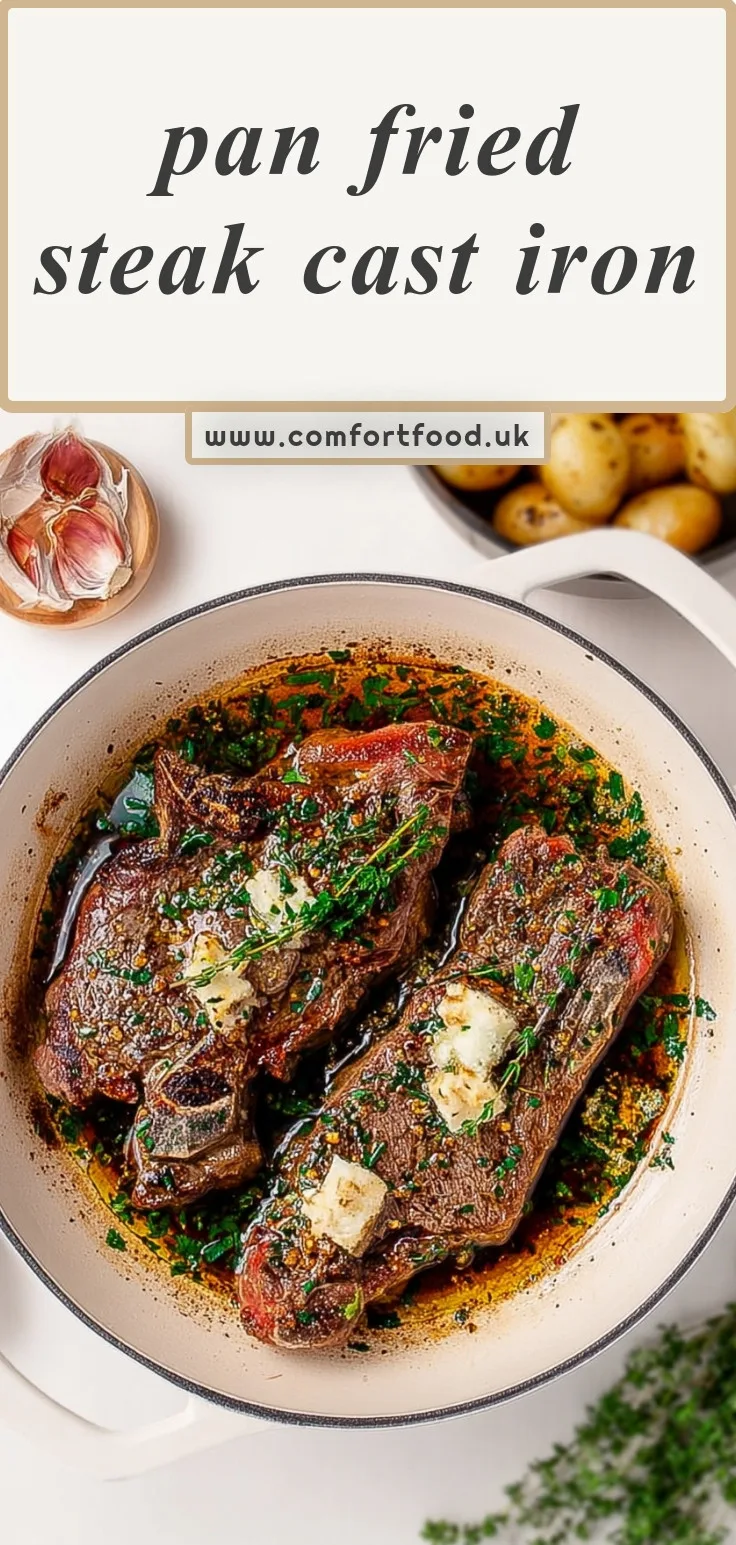
pan fried steak cast iron
Prep:
5 min
Cook:
10 min
Total:
25 min
Servings:
2 servings
Ingredients
- Kosher salt
- ground black pepper
- garlic powder
- onion powder
- 2 steaks
- peanut oil
- smashed garlic cloves
- butter
Method
- 1 Mix together Kosher salt, ground black pepper, garlic powder, and onion powder in a small bowl; set it aside.
- 2 Pat the steaks dry with paper towels to remove any moisture, then rub them evenly with the prepared salt mixture. Let them rest uncovered on the counter for 30 minutes so the seasoning penetrates.
- 3 Heat a large cast iron pan over high heat until nearly smoking. Pour in peanut oil and swirl to coat the pan’s surface.
- 4 When the oil glimmers and moves like liquid glass, gently place the steaks in the pan, leaving space between them to avoid steaming.
- 5 Cook the steaks 3 to 4 minutes per side for a 1-inch thickness, aiming for an internal temperature of 125 degrees for medium rare. Listen for a steady sizzle and watch for a brown, crispy crust to form. Halfway through cooking, toss in smashed garlic cloves to infuse aroma.
- 6 Remove the pan from heat and drop butter in. Let it melt completely, then spoon the browned butter over the steaks to add richness and deepen flavor.
- 7 Transfer the steaks to a cutting board immediately to rest; resting them in the hot pan will keep them cooking beyond the desired doneness.
- 8 Let steaks rest for at least 5 minutes, but no longer than 10, to redistribute juices without losing temperature.
- 9 Return and share your experience in the comments along with a star rating.
Nutritional information
Calories
600
Protein
50g
Carbs
1g
Fat
45g
Tips for the Best Pan Fried Steak
The oil needs to shimmer but not smoke when you add the steaks. If it’s smoking already you’ve gone too far and the crust will taste bitter instead of rich. I learned this by making my kitchen smell like a mistake three times in a row.
Don’t press down on the steaks with your spatula while they cook. I used to do this thinking it helped them sear faster but it actually squeezes out moisture and you end up with a dry steak recipe that nobody wants to eat. Just leave them alone.
Your pan will click and pop when you first put the steaks in and that noise will settle into a steady sizzle. If the sizzle stops completely the pan wasn’t hot enough and you’re basically braising in oil. Pull them out, reheat the pan and start over.
The garlic cloves will turn dark brown on one side and stay lighter on the other. That’s normal and actually better because the lighter side still tastes fresh while the dark side adds that roasted depth. I used to flip them constantly trying to brown them evenly but it doesn’t matter.
Wipe your cast iron skillet out with paper towels while it’s still warm but not scorching. The butter and oil residue comes off easy and you’re not scraping at dried crud later. Then I just rub a tiny bit of oil on it with a clean towel and put it away.
Serving Ideas
I usually slice the steak thin against the grain and pile it over mashed potatoes with all that butter from the pan drizzled on top. The potatoes soak up the garlic butter and it’s better than any steakhouse situation I’ve paid for.
Throwing the sliced steak on top of a big salad with blue cheese and red onion turns it into something lighter but still filling. The warm meat wilts the greens a little which sounds bad but tastes right.
Sometimes I just eat it with roasted broccoli and nothing else. The char on the broccoli matches the char on the crust and you don’t need anything fancy when both things are seasoned well.
Variations
You can swap ribeye for New York strip or sirloin and the timing stays the same as long as they’re about an inch thick. Strip has less fat so it won’t be quite as rich but the crust still forms the same way. Sirloin is leaner and cheaper but dries out faster if you go past 130 degrees so watch your thermometer.
Add a tablespoon of Worcestershire sauce to the butter at the end and spoon that over instead. It adds this tangy depth that cuts through the richness and I do this when I’m tired of the straight butter version. Don’t add it earlier or it’ll burn and taste weird.
Press cracked black peppercorns into the steak before the 30-minute rest for a peppercorn crust thing. You need way more pepper than you think, like two tablespoons total, and it should coat the surface completely. This works but it’s intense and I only do it when I’m in a specific mood.
Skip the garlic powder in the rub and just rely on the smashed cloves for all your garlic flavor. The result is more subtle and cleaner tasting. I actually prefer it this way now but I didn’t include it in the main recipe because most people expect that garlic powder punch.
FAQ
Can I use table salt instead of kosher salt for this steak recipe?
You can but you need way less because the grains dissolve faster and taste saltier by volume. Start with half the amount and add more after the rest if it doesn’t look like enough. I’ve done it when I ran out of kosher and it worked but the seasoning wasn’t as even.
What if I don’t have peanut oil?
Avocado oil is the best backup because it has the same high smoke point. Vegetable oil works but barely and you can’t get the pan quite as hot without it smoking up your kitchen. Olive oil will burn before you get a good sear so don’t even try it.
How do I know when the cast iron skillet is hot enough?
Hold your hand about six inches above the surface and if you can only keep it there for two seconds it’s ready. Or flick a tiny drop of water into the pan and if it evaporates instantly without sizzling you’re good to go. The oil test I mentioned earlier is the most reliable though.
Can I cook more than two steaks at once?
Only if your pan is huge and you can leave at least an inch between each one. Crowding drops the pan temperature and they steam instead of sear. I tried cooking three once in my 12-inch pan and the middle one came out gray and sad.
What happens if I skip the 30-minute rest?
The salt sits on the surface instead of penetrating and the seasoning slides right off when you cut into it. Also the center stays cold so when you sear the outside the inside is still fridge-cold and the contrast is unpleasant. It’s not the end of the world but it’s noticeably worse.
My steaks are thicker than an inch, do I change anything?
Add a minute to each side and check the temperature earlier. A inch-and-a-half steak needs closer to 5 minutes per side to hit 125 degrees internal. Thicker than that and you should probably finish them in the oven after searing or the outside burns before the inside cooks.
Can I use salted butter instead of unsalted?
Yeah but taste your steak first before you add any extra salt at the table. The combination of the salt rub plus salted butter can push it over the edge into too salty. I keep unsalted around specifically for this but I’ve used salted in a pinch.
How do I reheat leftover pan fried steak without ruining it?
Slice it thin first then warm it in a pan over medium-low heat for like 30 seconds per side. Don’t microwave it or it’ll turn gray and chewy. Honestly it’s better cold sliced thin on a sandwich than reheated wrong.
What if my smoke alarm goes off while I’m cooking?
Open a window and turn on your exhaust fan before you start. High heat means some smoke is inevitable especially when the butter hits the pan. I’ve set mine off twice and now I just crack the window every time and it’s fine.
Do I really need a cast iron pan or can I use stainless steel?
Stainless steel works and actually gives you a similar crust but it doesn’t hold heat as evenly. Your timing might be off by a minute or so and you’ll need to watch the temperature more carefully. Cast iron is more forgiving for beginners.
Can I add fresh herbs to the pan with the garlic?
Thyme or rosemary sprigs can go in at the same time as the garlic but they’ll burn if you’re not careful. I tried this once and the rosemary turned black and bitter in like 90 seconds. If you do it keep them on the edge of the pan away from direct heat.
Why do my steaks stick to the pan when I try to flip them?
They’re not ready to flip yet. When a proper crust forms it releases naturally from the cast iron. If it’s sticking it needs another 30 seconds to a minute. Forcing it early tears the crust off and you lose all that work.
How long can the steaks sit on the counter before cooking?
30 minutes is the target but anywhere from 20 to 40 minutes is fine. I wouldn’t go past an hour for food safety reasons especially in a warm kitchen. If your kitchen is cold they might need closer to 40 minutes to actually come to room temperature.
What internal temperature should I aim for if I want medium instead of medium rare?
Pull them at 135 degrees instead of 125. They’ll coast up to about 140 during the rest which is textbook medium. Anything past 145 and you’re into medium well territory where the meat starts getting dry.
Can I make this with frozen steaks?
Not directly. Thaw them completely in the fridge overnight first then follow the recipe as written. Cooking from frozen means the outside burns before the inside thaws and you end up with a charred exterior and raw center which is the worst possible outcome.
The butter burned in my pan, what did I do wrong?
You didn’t pull the pan off the heat soon enough. The residual heat in cast iron is enough to brown butter without active flame under it. I burned it once by leaving the burner on and the butter went from brown to black in seconds.
Do I flip the steaks more than once?
No just once. Flipping multiple times is a restaurant technique that works when you’re cooking 50 steaks a night and have the intuition. For home cooking one flip keeps it simple and still gets you a great crust on both sides without overthinking it.
You’ll Love These Too
Explore all →
Egg Turkish with Delicata Squash & Goat Cheese
Smoked Trout Salad with Asparagus & Eggs
Salmon Mango Tartare with Curry Yogurt Sauce
Roast Turkey with Spiced Herb Butter
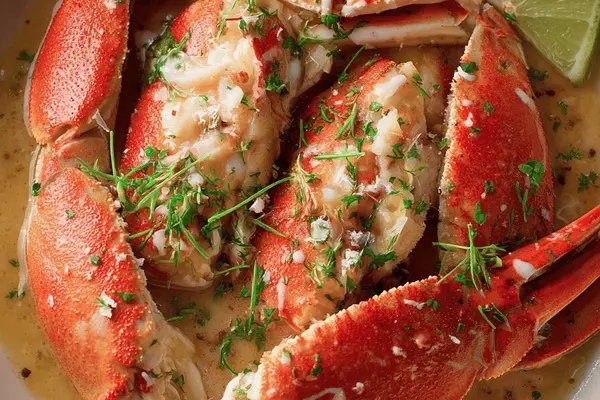
Butter Snow Crab with Shallots and Lime
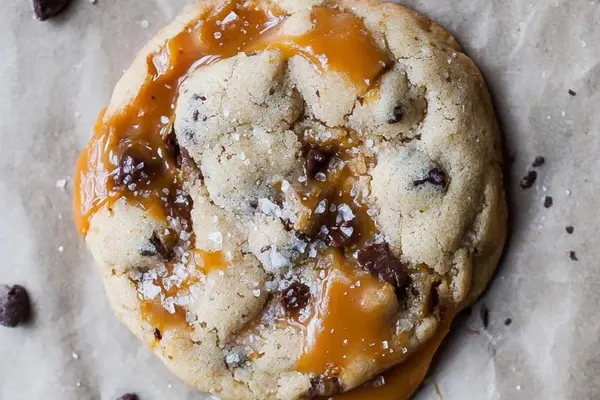
Brown Butter Chocolate Chip Cookies
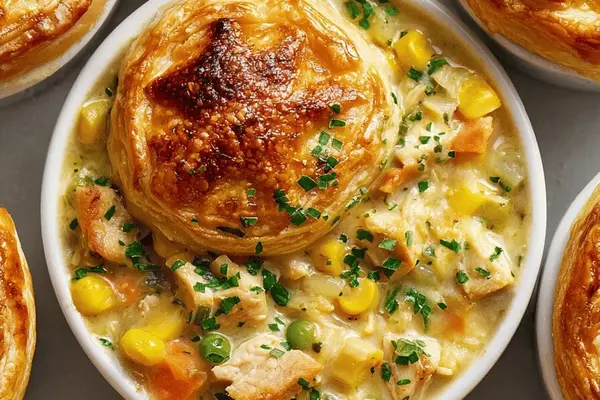
Mini Chicken Pot Pies with Puff Pastry
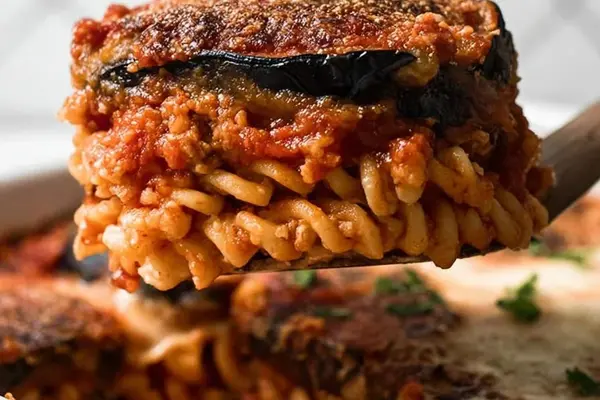
Spaghetti Caponata with Crispy Eggplant
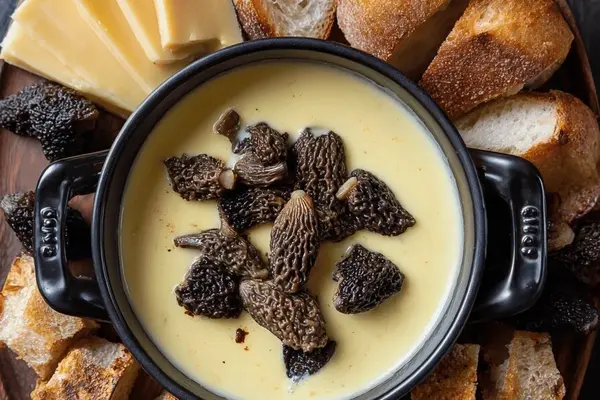
Gruyère Morel Fondue with Pinot Gris
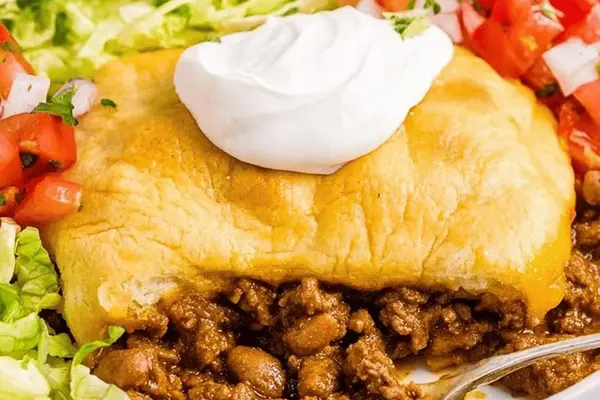
Ground Beef Taco Casserole with Crescent Rolls
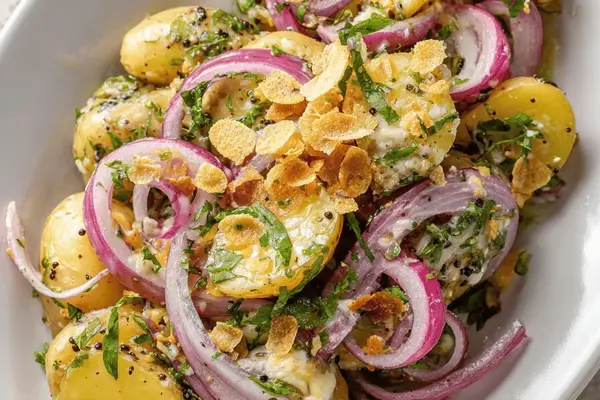
Fingerling Potato Salad with Lemon & Fresh Herbs
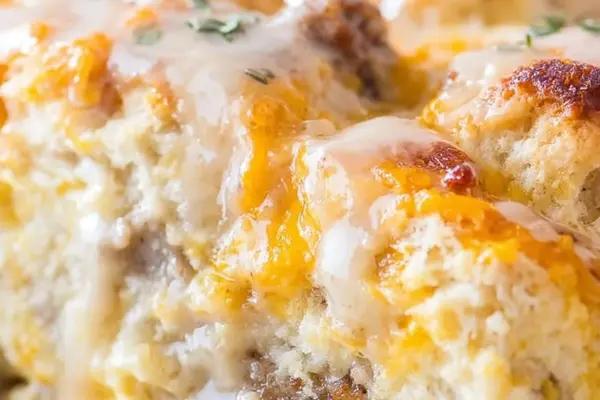
Biscuits and Gravy Casserole Recipe
Peach Gelatin Whip Pie No-Bake Recipe
Corned Beef Cabbage Soup with Barley
Chickpea Couscous Salad with Feta
Collard Greens Recipe with Smoked Turkey
Edible Cookie Dough Recipe with Oat Flour
Pork Tenderloin Marinade with Tamarind
Spanish Potato Omelet with Manchego Cheese