Peanut Butter Cookies with Reese's Cups
By Emma
Certified Culinary Professional
·
Recipe tested & approved
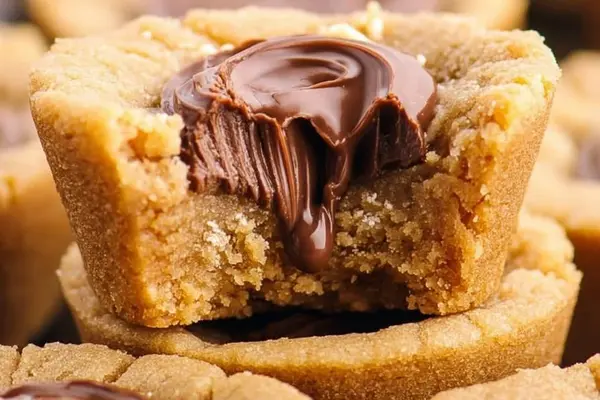
Chewy peanut butter cookies made with natural peanut butter and coconut oil, baked in mini muffin tins and topped with melty Reese’s cups. Golden edges, gooey centers.
Prep:
15 min
Cook:
14 min
Total:
2h 29min
Servings:
24 servings
Pinch off a ball of dough. Press it into the muffin cup. Drop a mini Reese’s on top while it’s still hot from the oven — that’s the whole thing. Natural peanut butter cookies that actually taste like peanut butter, with melted chocolate built in.
Why You’ll Love This Easy Peanut Butter Cookie Recipe
Takes 15 minutes to prep, 14 minutes to bake. Two hours of chill time means you can do it tonight, bake tomorrow. Doesn’t require a mixer — a spatula and some arm power works fine. Chewy peanut butter cookies with melted chocolate centers that hold their shape because you’re baking them in muffin tins instead of on a sheet. No spreading chaos. The chocolate stays where it’s supposed to be. Cold dough rolls easier, shapes stay tight, texture comes out perfect. Tastes like actual peanut butter — natural peanut butter, less sweetness than the stuff with extra sugar. Homemade peanut butter cookie cups with chocolate that costs less than the store version. Coconut oil swap keeps them from being dense; they’re pliable, chewy in the middle, crisp just enough on the edges.
What You Need for Natural Peanut Butter Cookies
Natural peanut butter. Smooth or chunky. The point is no extra sweetness messing things up. One cup of it.
Brown sugar and white sugar. Half cup each. Brown sugar brings moisture and chew. White sugar helps spread just slightly, keeps them from being bricks.
Coconut oil instead of shortening. A third cup. It adds this subtle nuttiness, keeps the texture from getting greasy. Unsalted butter too — another third cup, softened. Both matter. Shortening alone makes them too dense.
One large egg. That’s it. Shy on eggs? Use half. Too much and they turn cakey.
Flour, salt, baking soda, baking powder. One and a half cups flour. Three quarters teaspoon salt. One teaspoon baking soda. Half teaspoon baking powder. Flour matters here — all-purpose. Don’t get clever.
Mini Reese’s peanut butter cups. Twenty-four of them, unwrapped before you start. Not full-size. Not chopped. Mini. The size matters because they melt into the cookie center instead of sitting on top like bumps.
How to Make Peanut Butter Chocolate Dessert Cookies
Whisk the dry stuff first. Flour, salt, baking soda, baking powder. Medium bowl. Mix until it looks even — no clumps of baking soda hiding. Sets the whole thing up to rise right.
Sugars, peanut butter, coconut oil, butter, egg all go into a big bowl. Hand mixer on medium speed. Beat until it’s creamy. You’re looking for the sugar to dissolve into the peanut butter’s oily richness. Don’t stop and scrape the sides constantly. Impatient? Resist that. Let it work.
Slow the mixer down. Fold in the dry blend — just shy of totally mixed. You want it combined but not silky smooth. Gritty bits gone. Gluten development makes these tough, and you don’t want tough.
Cover it. Into the fridge. Minimum two hours. Three is better.
Cold dough rolls easier. Warm dough spreads before the oven even gets it. Tried it fresh once — cookies ran everywhere, lost their body, came out like peanut butter puddles. Not worth it. The chill is non-negotiable.
How to Get Chewy Peanut Butter Cookies with Melted Chocolate
Preheat to 380. That’s the trick — one notch higher than the usual 375. Gives you that light golden brown without drying them out.
Grease your mini muffin tins. Coconut oil spray works. Liberally. Parchment circles if you don’t have spray. Prevents the sticky mess that happens otherwise.
Roll dough into balls. One tablespoon sized. About an inch to an inch and a quarter across. Eyeball it — roll between your fingers. Less messy when your hands are cold too. Drop each one into a muffin cup. Press it down slightly. Don’t flatten it. It’ll puff and rise on its own.
Bake 14 minutes. Watch for the edges to shift from pale to light golden brown. You’ll hear faint crackles. Smell the nutty butter aroma. That’s when you pull it. Dark brown rims mean you overshot.
The second it comes out of the oven — hot, still soft — press an unwrapped mini Reese’s into the center. The heat softens the chocolate into this melty embrace. Wait even a minute and it hardens back up. That’s not what you want.
Let them cool fully in the pan. They’ll set up, firm slightly. Jiggle the pan gently to free them from the cups. Wire rack after. Prevents soggy bottoms.
Easy Peanut Butter Cookies Tips and Mistakes
Coconut oil swap is the thing. Not too much. Keeps the dough pliable. You can feel the difference in how it handles.
Dough too soft after mixing? Chill longer. An extra 30 minutes fixes it.
Dough crumbly and won’t hold together? Add a teaspoon of milk. Fold gently. Just enough to bring it together.
No hand mixer? Use a sturdy spatula and arm power. Cream the fats really well first. That emulsification is what makes it work.
Thinking about almond butter instead? Try it. Flavor changes, texture shifts subtly. Add a splash of vanilla extract to boost the aroma. Still works.
Don’t overbake. These cookies are fleetingly soft at the center when perfect. Overdo it and that chewiness turns dry and grainy. Not fixable.
Storage is five days in an airtight container. If they last. For a chewiness refresher, zap one for 10 seconds in the microwave. Brings back the soft center.
Peanut Butter Cookies with Reese's Cups
Prep:
15 min
Cook:
14 min
Total:
2h 29min
Servings:
24 servings
Ingredients
- 1/2 cup brown sugar
- 1/2 cup white sugar
- 1 cup natural peanut butter (smooth or chunky works, I prefer natural for less sweetness)
- 1/3 cup coconut oil (replaces shortening, adds subtle nuttiness and better for texture)
- 1/3 cup unsalted butter, softened
- 1 large egg
- 1 1/2 cups all-purpose flour
- 3/4 teaspoon salt
- 1 teaspoon baking soda
- 1/2 teaspoon baking powder
- 24 mini Reese’s peanut butter cups, unwrapped
Method
- 1 Whisk dry ingredients — flour, salt, baking soda, baking powder — in medium bowl until evenly mixed; sets foundation for rise and texture.
- 2 Brown and white sugars, peanut butter, coconut oil, butter, and egg tossed into a large bowl. Hand mixer, medium speed. Beat ‘til creamy, sugar dissolving into peanut butter’s oily richness. Stop scraping sides; impatient? Resist.
- 3 Slow speed next. Dry blend folds in, just shy of homogenous dough. No overmixing; gluten development means toughness. Gritty bits gone, combined but not silky.
- 4 Cover dough, fridge chill minimum two hours, preferably up to three. Cold firm dough rolls easier, prevents spreading and sloppy shapes. Tried baking fresh — disaster; cookies run and lose body.
- 5 Oven preheated to 380°F. Temperature tweak from usual 375 for slight extra browning without drying.
- 6 Grease mini muffin tins liberally — coconut oil spray works. Prevent sticky mess; use parchment circles if you lack spray.
- 7 Pinch dough one tablespoon-sized balls, about 1 to 1 1/4 inch diameter. I eyeball by rolling dough between fingers. Less messy when hands chilled too.
- 8 Drop each ball in muffin cup. Slightly press but don’t flatten. They’ll puff, rise, crisp on edges, chewy center. Dense enough to hold cool peanut butter cup later.
- 9 Bake 14 minutes or when edges shift from pale to light golden brown. Listen for faint crackles, smell nutty butter aroma swelling. Avoid dark brown rims; signs of overbaking.
- 10 Pull from oven; hot, still soft. Press unwrapped mini Reese’s peanut butter cups into cookie center immediately. Heat softens candy cup into melty embrace. If wait, candy stays hard and uninviting.
- 11 Let cool fully in pan before removals. I jiggle pan gently to free cups from tin. Place on wire rack to cool and resist soggy bottoms.
- 12 Cookies store well in airtight container up to five days—if they last. For chewiness refresher, zap one for 10 seconds microwave.
- 13 Notes — coconut oil swap adds depth; not too much; keeps dough pliable. Shy on egg? Use half; too much makes cookies cakey. No shortening? Butter-coconut oil blend is my workaround.
- 14 Sugar swap? Yes: reduce brown sugar by 2 tbsp and add 2 tbsp maple syrup, adjust flour slightly to compensate moisture.
- 15 Mini Reese’s are key for melty surprise; chopped peanut butter cups make mess. Use a small knife for unwrap when impatient.
- 16 Mistake alert: dough too soft after mixing? Chill longer. Dough crumbly? Add teaspoon milk or egg, fold gently.
- 17 Do not overbake. These cookies are fleetingly soft at center when perfect. Overdo and chewiness turns dry.
- 18 No mixer? Use sturdy spatula and arm power. Cream fats well first for emulsification.
- 19 Thought about subbing peanut butter for almond? Try it; flavor changes but still lush. Texture subtly shifts; add splash vanilla extract to boost aroma.
Nutritional information
Calories
3500
Protein
65g
Carbs
445g
Fat
170g
Frequently Asked Questions About Peanut Butter Cookie Recipe
Can I use regular peanut butter instead of natural? Yeah, it works. Just expect them sweeter and a bit less peanutty tasting. Natural has that oil layer on top — that’s kind of the point. Regular peanut butter is already mixed so the flavor gets buried in sugar.
What if I don’t have a mini muffin tin? Bake them flat on a sheet. They’ll spread more. Still taste good. Just won’t hold the chocolate center as well. Might need to reduce bake time by a minute or two since they’ll be flatter and cook faster.
Can I make these without coconut oil? Use butter instead. All butter. Just use two thirds cup total. They’ll be denser, less pliable. Not bad. Different. Shortening works too if you have it, but coconut oil is better.
How long do these last? Five days in an airtight container. After that they start going stale. The center stays chewy longer than the edges harden, so there’s a window where they’re still good.
Can I freeze the dough? Roll it into balls, freeze on a sheet, then move to a bag. Bake straight from frozen — add maybe 2 minutes to the time. Works fine. Haven’t tried thawing first. Frozen works.
Why use mini muffin cups instead of baking flat? Shape holds. Chocolate center stays buried instead of melting all over the pan. Edges crisp evenly because they’re not spreading sideways. Texture comes out way better. Worth the extra dish.
Can I add chocolate chips? You could. Don’t. The whole point is the melted Reese’s center. Chips compete with that. Unnecessary.
You’ll Love These Too
Explore all →
Autumn Fruit Salad with Apples, Grapes & Honey

Escargot Recipes: Sausage & Mushroom Stew
Oatmeal Chocolate Chip Cookies Recipe

Mini Quiches with Ham, Endive & Gruyère
Pumpkin Snickerdoodle Recipe Cookies
Banana Blondie Bars with Cream Cheese Frosting

Cabbage Sauteed with Bell Peppers & Tomatoes
Eggnog Chess Pie with Cardamom

Crepes Recipe with Oat Milk and Honey

Lemon Pavlova with Yuzu Filling Recipe
Chicken for Sandwich with BBQ Sauce

Saffron Aioli with Tomato Paste & Garlic

Goat Cheese Appetizers with Beets and Arugula

French Dip Slow Cooker Recipe
Sweetbreads of Veal with Pine Nuts
Garlic Mashed Potatoes Recipe with Roasted Garlic

Beef Broth Soup with Parsnip Mousse
Peeps Layered Krispies Treats Recipe
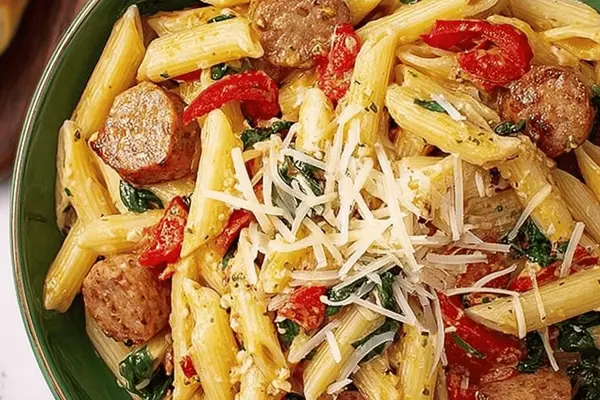
Sausage Pasta with Spinach and Tomatoes