Pasta with Peas, Butter & Aged Cheese
By Emma
Certified Culinary Professional
·
Recipe tested & approved
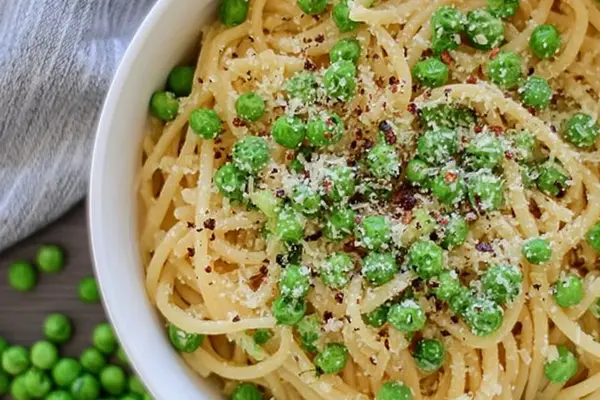
Quick pasta with peas tossed in butter and aged Asiago cheese. Frozen peas, no thawing needed. Buttery spaghetti with fresh lemon zest cuts richness beautifully.
Prep:
6 min
Cook:
11 min
Total:
17 min
Servings:
4 servings
Salt the water when it’s lukewarm—not cold, not boiling. Then crank the heat and let it roar. Frozen peas go in the microwave while the pasta cooks. Butter, cheese, pasta water, done. Seventeen minutes total if you move.
Why You’ll Love This Easy Weeknight Pasta Dinner
Comes together faster than ordering takeout. No fancy ingredients — just butter, cheese, pasta, frozen peas. Sits in your pantry already. Cold butter cubes melt into the hot pasta and create these tiny pockets of richness instead of one greasy slick. The preserved lemon zest cuts through all that butter and cheese so it doesn’t feel heavy. Works on a Tuesday night when you’ve got nothing planned. Leftovers taste better the next day, which never happens with pasta.
What You Need for Pasta With Aged Asiago and Peas
Spaghetti. Or penne. Honestly any pasta works — just use twelve ounces. Kosher salt. More than you think. Three-quarters of a teaspoon just for the water. Cold butter cut into cubes — three tablespoons, unsalted. The cold matters. Aged Asiago or Parmesan, finely grated. One-third cup. Not pre-grated from a shaker. The real stuff. Frozen peas. One cup. Don’t thaw them first. Preserved lemon zest if you want that brightness, but it’s optional. Black pepper you crack yourself. Red pepper flakes if you’re into heat.
How to Make Frozen Peas Pasta With Lemon Zest
Fill the pot halfway. Cold water. When it’s lukewarm, add the salt — tastes like seawater, that’s the target. Now crank it. The water needs to boil hard. Bubbles everywhere. Can’t ignore it. Add the pasta, push it down if it sticks up, stir right away so nothing clumps. Stir occasionally while it cooks. Eight to nine minutes in, test a piece. Should have a tiny bit of resistance when you bite it. Chalk means you went too far.
Dump the frozen peas into a bowl. Cover with just enough cold water so they’re barely swimming. Microwave on high for four to six minutes depending on your microwave — if yours runs hot, dial back to four. If it’s weak, go six. Listen for them popping and the water bubbling. Over that and they turn to mush. Strain them in a fine mesh strainer. Let them sit for a second so they dry out a bit. Wet peas dilute everything later.
Quick Pasta Dinner Technique — Getting the Sauce Right
When the pasta’s almost done, grab a half cup of the starchy water before you drain it. Pour the hot spaghetti straight into a big mixing bowl — don’t rinse it. Dump the cold butter cubes in immediately. Hot pasta melts them unevenly, creates silky spots and tiny lumps. The smell gets rich and soft. Stir in the cheese and the peas. Add the preserved lemon zest now if you’re using it. That citrus cuts right through the richness. Tastes sharp all of a sudden.
If it looks dry or sticky, add the pasta water one tablespoon at a time. That starch makes the cheese and butter cling to the pasta instead of sliding around. Taste it. Crack black pepper over the top. Maybe some red pepper flakes if you want a surprise bite. Serve it right away or it gets stiff.
Easy Butter Pasta Tips and Common Mistakes
Under-salt the water and the pasta tastes like nothing. Sounds obvious. People still do it. Too much pasta water and you get a watery mess instead of a sauce. The peas are the texture point — overcook them and they fall apart. You lose the snap. Cold butter is the move because it melts into pockets instead of blending into one greasy thing. Warm butter just slides into everything and gets gross. Don’t thaw the peas first. Frozen works better because they stay firmer. Grate your own cheese. Pre-grated sits in anti-caking powder and tastes like cardboard. Parmesan works. So does Pecorino Romano if you want saltier. Olive oil replaces butter if you want lighter, but you lose the richness. Regular peas work just as well as frozen — fresh peas are brighter but you have to shell them yourself. Not worth the effort most nights.
The goal is pasta clinging to the peas, to the cheese, to the butter. Not swimming in liquid. If you prep the peas while the water heats, you save a few minutes.
Pasta with Peas, Butter & Aged Cheese
Prep:
6 min
Cook:
11 min
Total:
17 min
Servings:
4 servings
Ingredients
- 12 ounces spaghetti or similar pasta
- 3/4 teaspoon kosher salt for water
- 1 cup frozen peas
- 3 tablespoons cold unsalted butter, cubed
- 1/3 cup finely grated aged Asiago or Parmesan cheese
- 1 teaspoon preserved lemon zest or finely grated lemon peel, optional twist
- Freshly ground black pepper to taste
- Red pepper flakes, optional
Method
- 1 Fill large pot at least halfway with cold water; add salt when water is lukewarm enough. Bring to vigorous boil—the water must be roaring with bubbles that can’t be ignored.
- 2 Add pasta, push gently down if needed, stir immediately to prevent clumps. Cook stirring occasionally. Watch pasta edges soften, test texture after 8-9 minutes. Al dente means some resistance, not chalk.
- 3 While pasta cooks, dump frozen peas into microwave-safe bowl; cover with just enough cold water to barely swim. Microwave high 4-6 minutes, depending on wattage—less than 4? Extend time slightly. Listen for peas popping and water bubbling briskly; overcooked peas turn mushy, lose snap.
- 4 Drain peas thoroughly in fine-mesh strainer. Let sit briefly to shed moisture; excess water dilutes butter later.
- 5 Once pasta near done, reserve a half cup of starchy pasta water before straining pasta in colander. Drop spaghetti directly into large mixing bowl.
- 6 Add butter cubes immediately—hot pasta melts butter unevenly creating silky spots and tiny lumps, rich aroma hits soft notes between savory and creamy.
- 7 Stir in cheese and peas, add preserved lemon zest now if using to cut richness sharply with citrus tang.
- 8 Use some reserved pasta water by tablespoon to help cheese and butter cling better if mixture feels dry or sticky.
- 9 Taste. Adjust with cracked black pepper, maybe sprinkle red pepper flakes for a surprise bite.
- 10 Serve freshly plated or warmed leftovers. Pasta firms quickly; reheat gently or add splash of water to loosen.
- 11 Common pitfalls: Under-salting water leaves pasta bland. Too much peal water makes sauce watery. Overcooking peas ruins texture. Butter must be cold for better melt control; warm butter blends into a greasy slick.
- 12 Substitutions: Regular frozen peas stand in for fresh with less cleanup, but fresh give brighter notes. Parmesan can swap with Pecorino Romano for saltier punch. Butter replaceable with olive oil for lighter mouthfeel, though reduces richness.
- 13 You want pasta to cling to every pea, cube, and fleck of cheese, not swim in liquid. Efficiency trick: While water heats, prep peas to save minutes.
Nutritional information
Calories
400
Protein
14g
Carbs
55g
Fat
14g
Frequently Asked Questions About Vegetarian Pasta Dinner
How long does this actually take? Seventeen minutes from cold water to plate. Six minutes prep, eleven minutes cooking. Faster if you’ve got your peas ready before the pasta goes in.
Can I use fresh peas instead of frozen? Sure. Shell them first though. Fresh taste brighter but frozen saves time and texture’s actually better — they don’t overcook as easy.
What if I don’t have preserved lemon zest? Skip it. Or zest a fresh lemon. Either works. It’s optional. The pasta’s good without it.
Does this reheat? Yeah but pasta gets stiff fast. Add a splash of water and warm it gently or just eat it cold the next day. Cold actually works.
Can I use pre-grated cheese? Technically yes. Tastes like nothing though. The powder they coat it with ruins everything. Grab a wedge and grate it yourself.
What about substituting the butter? Olive oil works. Lighter. Less rich. Not the same thing. Ghee’s actually better if you’ve got it — doesn’t burn, tastes richer.
You’ll Love These Too
Explore all →
Glazed Carrots with Maple Syrup & Brown Sugar
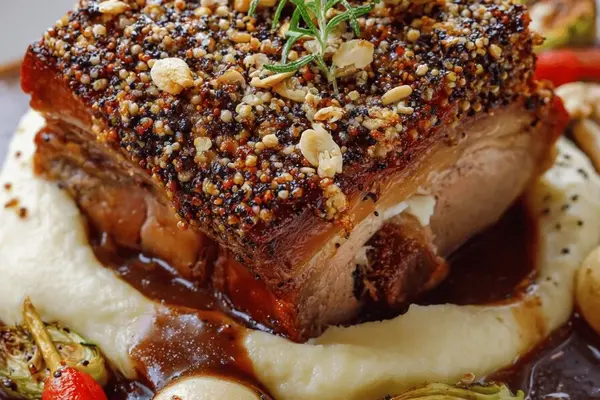
Pork Rib Roast with Mushroom Sauce
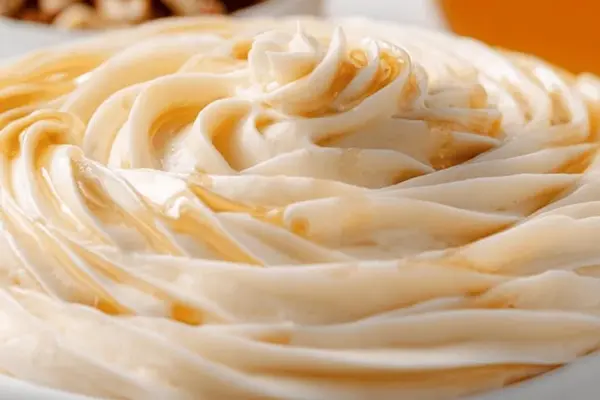
Maple Cream Cheese Frosting with Honey
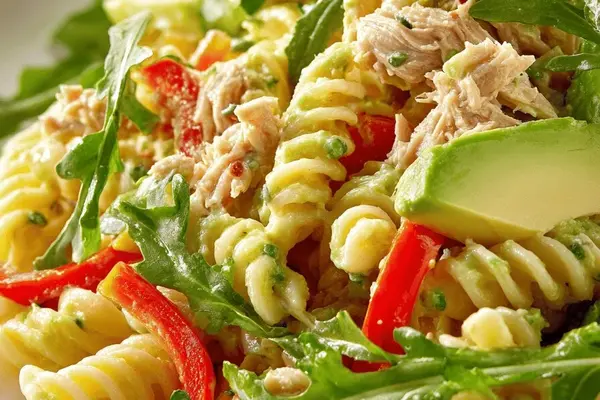
Rotini Tuna Avocado Salad with Lemon
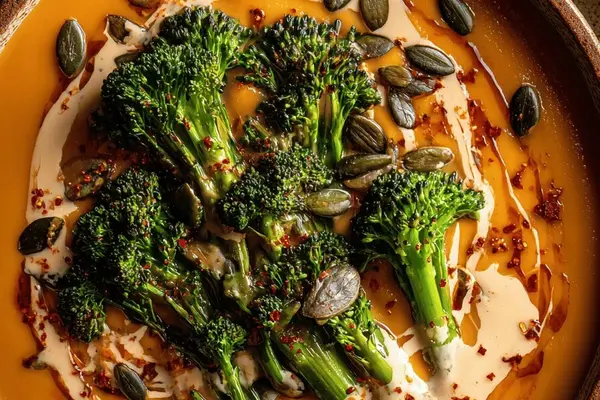
Creamy Carrot Soup with Tahini Sauce
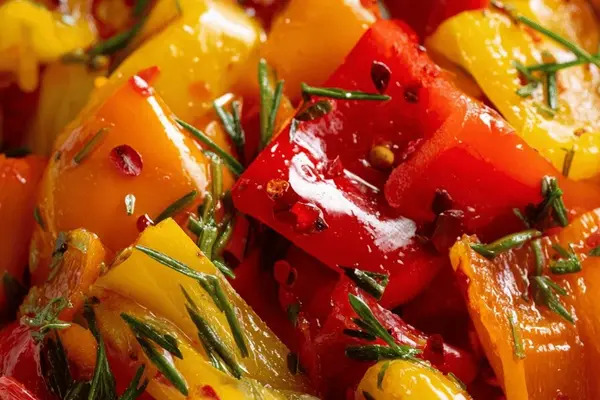
Roasted Peppers with Basil & Apple Cider Vinegar
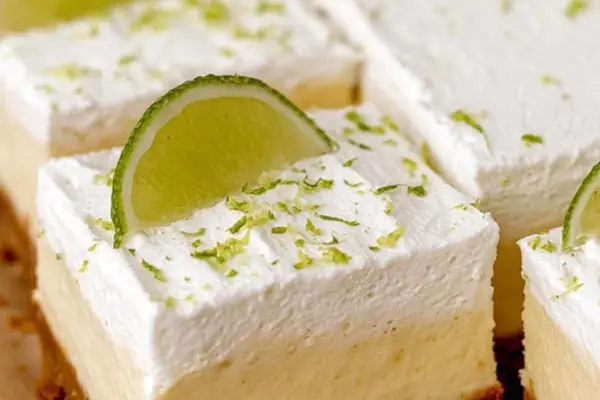
Key Lime Bars with Biscoff Cookie Crust
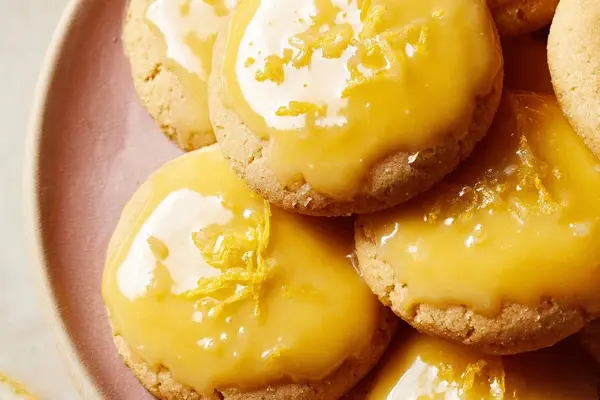
Lemon Cookies with Spelt Flour
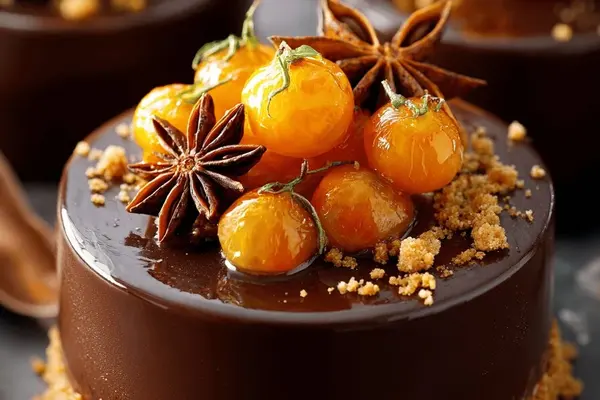
Ginger Mousse with Candied Kumquats
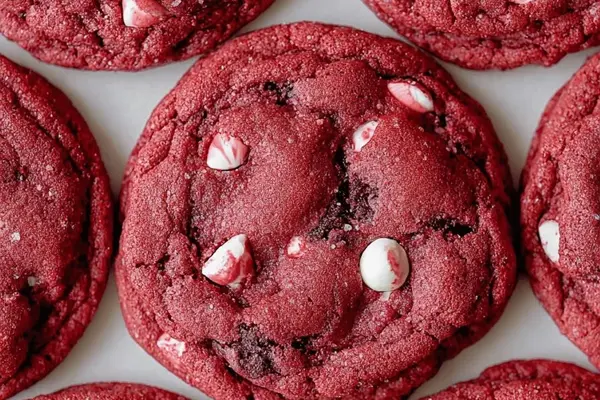
Red Velvet White Chip Cookies Recipe

Broccoslaw Salad with Pineapple
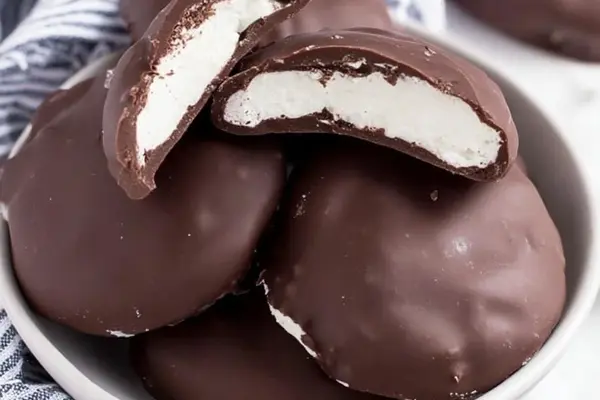
Mint Chocolate Patties with Sweetened Condensed Milk
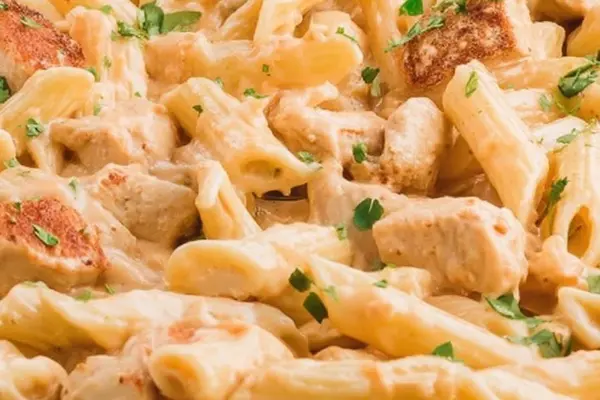
Cajun Chicken Pasta with Creamy Tomato Sauce
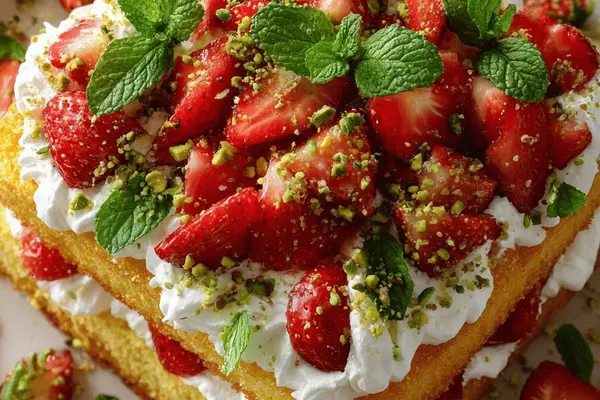
Strawberry Short Cake with Mascarpone
Vegan Pesto with Pumpkin Seeds & Tomatoes
Caramel Apple Pretzel Bark Recipe
Slow Cooker Meatloaf Recipe with Ketchup

Ruby Red Jubilee Whiskey Cocktail Recipe
Coconut Cream Pie Bites with Almond Bark