
Peppery Ranch Cheeseball with Cream Cheese
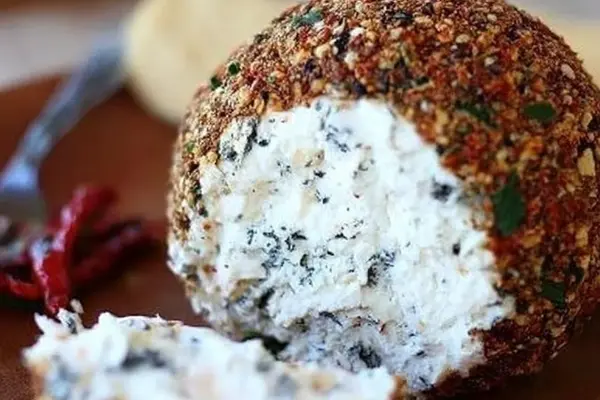
By Emma
Certified Culinary Professional
·
Recipe tested & approved
Roll it in pepper until the crust is thick. Takes 20 minutes to prep, then just waiting—mostly waiting. Four hours minimum in the fridge, better overnight. The flavor settles into something way better than the first hour.
Why You’ll Love This Peppery Ranch Cheeseball
No baking. Just mixing and rolling. That’s the whole thing. Tastes like you spent time on it. Doesn’t take time. Twenty minutes of actual work and then the fridge does the rest—makes it feel like you planned ahead when really you just mixed stuff together an hour ago. The pepper crust catches light. Looks like you know what you’re doing. Looks intentional. Works cold straight out of the fridge or sit it out twenty minutes first—either way spreads fine on crackers. Party food that isn’t fussy. Guests eat it, nobody asks if it’s homemade because obviously it is.
What You Need for an Easy Ranch Cheeseball
Cream cheese. Softened. Not melted. Cold cream cheese won’t mix right—you’ll get lumps and rage. Let it sit on the counter or zap it ten seconds at a time. It should be soft enough that your spoon goes through it without fighting.
Ranch dressing mix. The packet kind. Twenty-eight grams. That’s the standard. Costs almost nothing.
Cracked black pepper. Coarse. Not ground. The texture matters—it’s supposed to be visible, supposed to catch between your teeth. More than you think you need. The recipe says two tablespoons but honestly just coat the whole surface. Lean into it.
Wax paper. For rolling. Plastic wrap after. Both get used.
Sharp white cheddar, shredded, optional but worth it. Quarter cup. Adds tang and texture. Makes it less one-note. If you skip it, the ranch is the whole flavor—still works, just flatter.
How to Make a No Bake Cream Cheese Ball
Start with the cream cheese at room temperature. This matters. Cold cream cheese won’t incorporate. If it’s straight from the fridge and hard, microwave it in ten-second bursts until it gives when you press it. No more than that or it starts melting and then you’ve got grease instead of cheese.
Dump in the ranch mix. Stir hard. Use a sturdy spoon or a handheld mixer—the mixer is faster and fluffier, but the spoon works. Keep going until the texture is completely uniform. No gritty spots. No streaks of white cream cheese. Should look almost fluffy, honestly. Light. Holds air a little.
Add the cheddar if you’re using it. Mix it in until you can’t see chunks of it anymore. This is important—blocky bits mean the cheese flavor doesn’t distribute, and you bite into a pocket of concentrated cheddar that tastes separated from everything else. It should be smooth again. Integrated.
Shape it roughly into a ball. Hands work. A spatula works. It doesn’t need to be perfect at this point—just ball-shaped. If it’s too sticky and won’t hold a shape, refrigerate it for an hour or so. Firms it up. Makes it actually manageable.
How to Get the Pepper Crust Perfect on Your Ranch Cheeseball
Spread cracked pepper on wax paper first. A thick layer. Don’t be shy about it. This isn’t garnish—this is the whole point. The surface needs to be completely coated.
Roll the cheese ball in the pepper. Gently. You’re not breaking it apart, just rotating it through the pepper until the whole outside is covered. Press it into spots that don’t stick on their own. The cheese is tacky enough to hold the pepper if you press. Add more pepper as you go. Keep adding until it looks like the inside is barely visible under the crust.
This is the thing most people get wrong—they don’t use enough pepper. They make a thin coating. Don’t do that. Thick. Aggressive. The pepper should look intentional, not like you were afraid of it.
Wrap it. Wax paper first, then plastic wrap tight. Gets it airtight. Refrigerate at least four hours. Overnight is better. The flavors actually blend. The ranch powder rehydrates into the cream cheese. The pepper flavor gets into everything instead of just sitting on the surface. It tastes completely different after sitting.
Twenty minutes before you serve it, pull it out of the fridge. Soften slightly. Should be firm enough to hold its shape but soft enough to spread on a cracker without fighting. Press your finger into it—if the cheese pushes back but gives, you’re there.
Ranch Cheeseball Tips and Common Mistakes
Cold cream cheese is the biggest mistake. People take it straight from the fridge, try to mix it, get lumps, give up. Don’t be that person. Let it sit. It takes five minutes.
Not enough pepper. The crust is the whole thing. Thick layer. If you’re worried it’s too much, it’s probably right. If you’re uncertain, add more.
Skipping the cheddar doesn’t break it. But it makes the flavor one-dimensional. The sharp cheddar cuts through the ranch and makes it taste less like powder. Adds complexity.
Don’t skip the final refrigeration. Yes it takes time. That’s where the magic happens. The textures set, the flavors marry. First hour it tastes like you just mixed stuff together. After four hours it tastes intentional and blended.
Freezing doesn’t work. Cream cheese separates when frozen. Don’t try it. Keeps up to four days in the fridge, wrapped tight.
Serve it with pita chips, celery stalks, radishes, buttery crackers. The pepper crust looks good on a board. It’s a visual thing too—rough texture against smooth cheese against the color of whatever you’re serving it with.
Peppery Ranch Cheeseball with Cream Cheese
Prep:
20 min
Cook:
0 min
Total:
4h 15min
Servings:
8 servings
Ingredients
- 12 ounces cream cheese softened
- 1 package dry ranch dressing mix 28g
- 2 tablespoons coarsely cracked black pepper or more to taste
- wax paper for rolling
- optional twist 1/4 cup sharp white cheddar shredded
Method
- 1 Start with cream cheese at room temp. No cold lumps. If it's stiff, zap 10 seconds at a time in microwave, but no melting.
- 2 Toss in ranch mix. Stir vigorously with handheld mixer or sturdy spoon. Texture goes fluffy, not gritty—no lumps visible.
- 3 Mix in shredded sharp white cheddar if using. Adds tang and texture contrast. Learn from past fails: no blocky chunks or flavor won’t integrate.
- 4 Shape mixture roughly into a ball with hands or spatula. If stubborn, refrigerate 1-3 hours to firm up – easier to handle, less sticky.
- 5 Before rolling, spread cracked pepper on wax paper – make a generous layer. Don’t skimp—the pepper coats flavor and surface texture.
- 6 Roll cheese ball gently in pepper until surface is thickly coated. Press pepper on spots that don’t stick well. Add more pepper as needed.
- 7 Wrap tightly in wax paper, then plastic wrap. Refrigerate at least 4 hours, better overnight. Flavor melds, texture firms, aroma deepens.
- 8 Remove from fridge 20 minutes before serving to soften slightly. Cheese ball should be firm but spreadable. Press with finger to test.
- 9 Serve with pita chips, stalks of celery, sliced radishes, or buttery crackers. Observe how pepper crust catches light and adds rough texture.
- 10 Leftovers keep wrapped tight, up to 4 days in fridge. Freeze not recommended—cream cheese changes texture when frozen.
Nutritional information
Calories
180
Protein
4g
Carbs
2g
Fat
16g
Frequently Asked Questions About Easy Ranch Cheeseball
Can I make this ahead of time? Yes. That’s the whole point. Make it in the morning, it’ll be perfect by evening. Keeps four days wrapped in the fridge. Flavor actually improves the longer it sits.
What if my cream cheese is too cold to mix? Microwave it. Ten seconds. Stir. Do it again if it’s still stiff. Never more than three zaps or it starts melting. Once it’s soft enough that your spoon goes through without resistance, you’re good.
Should I use white cheddar or can I use regular? Regular works but white cheddar is sharper and doesn’t overpower the ranch like orange would. If you only have orange cheddar, use less—maybe two tablespoons.
Can I use fresh herbs instead of the ranch packet? Technically yes but it won’t taste the same. The packet mix is specifically formulated for this. Fresh herbs are stronger and more bitter. If you really want to, try mixing in fresh chives and parsley after you add the packet. Adds layers.
How much pepper is actually enough? More than you think. The recipe says two tablespoons but spread a quarter cup on the wax paper and roll it multiple times. The cheese should barely show under the pepper. It should look like a dark, craggy ball. If you can see a lot of white, add more.
What’s the difference between cracked and ground pepper? Texture. Cracked pepper has chunks you can feel. Ground disappears into the cheese like dust. Cracked stays visible and catches between your teeth. This recipe needs cracked.
Do I have to wrap it in plastic wrap after wax paper? Not technically but it dries out faster without it. Wax paper alone lets air get in. Wax paper plus plastic wrap keeps it moist and the flavors don’t oxidize as much.
You’ll Love These Too
Explore all →
Garlic Shrimp Noodle Recipe With Sriracha
Instant Pot Salsa Chicken with Chipotle

Roasted Squash Lamb Canapés Recipe
Lime Bars with Cranberry & Lime Curd
No-Cook Berry Jam with Honey and Pink Pepper
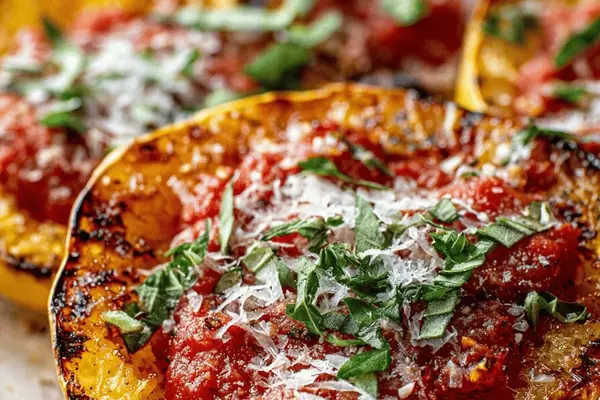
Roasted Spaghetti Squash with Tomato Sauce

How Do You Make An Omelet with Shrimp
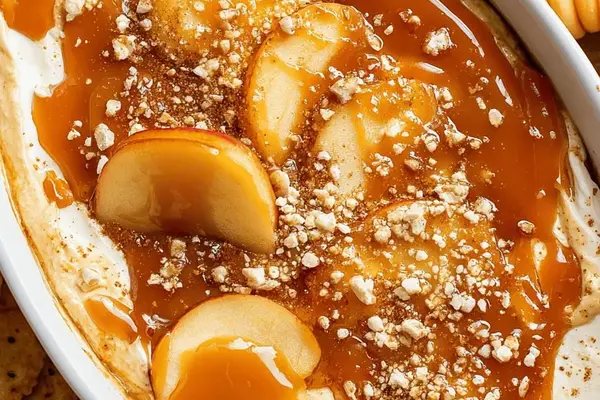
Caramel Apple Cheesecake Dip Recipe

Japanese Pork Shabu-Shabu with Kombu Broth
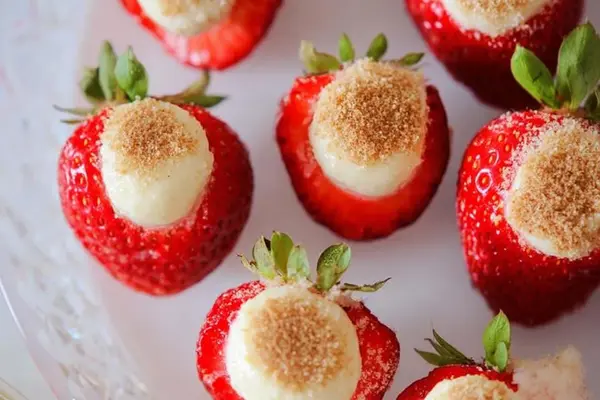
Cheesecake Stuffed Strawberries Recipe

Buffalo Wing Egg Rolls with Cheddar

Smoked Salmon Dip with Cream Cheese
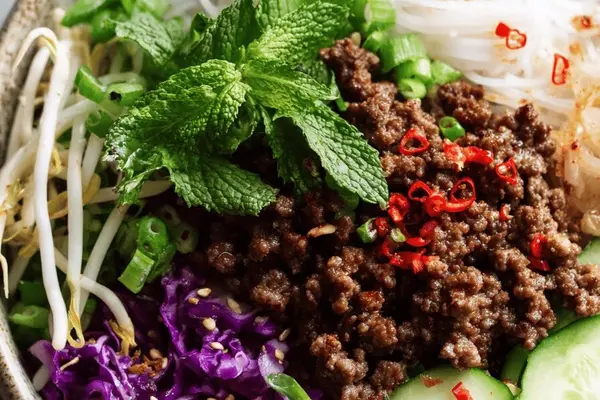
Hamburger Beef Pasta with Ginger & Lime

Caramelized Onion Dip with Gouda

Zucchini Fritters with Ricotta and Fresh Basil

Gluten Free Puff Pastry Appetizers
Cinnamon Sugar Biscuits with Almond Milk
Quick Polenta with Taleggio Cheese Recipe
French Dip Slow Cooker Recipe