Peri Peri Grilled Chicken
By Emma
Certified Culinary Professional
·
Recipe tested & approved
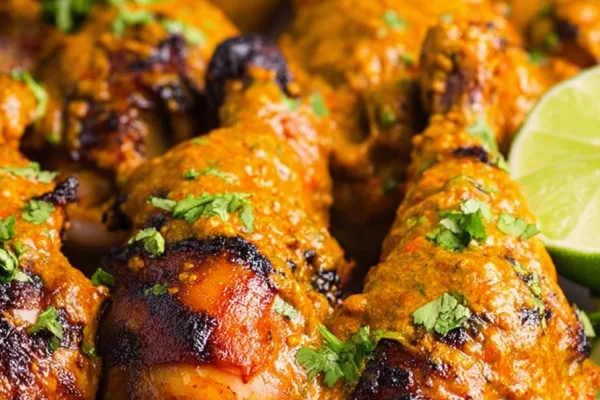
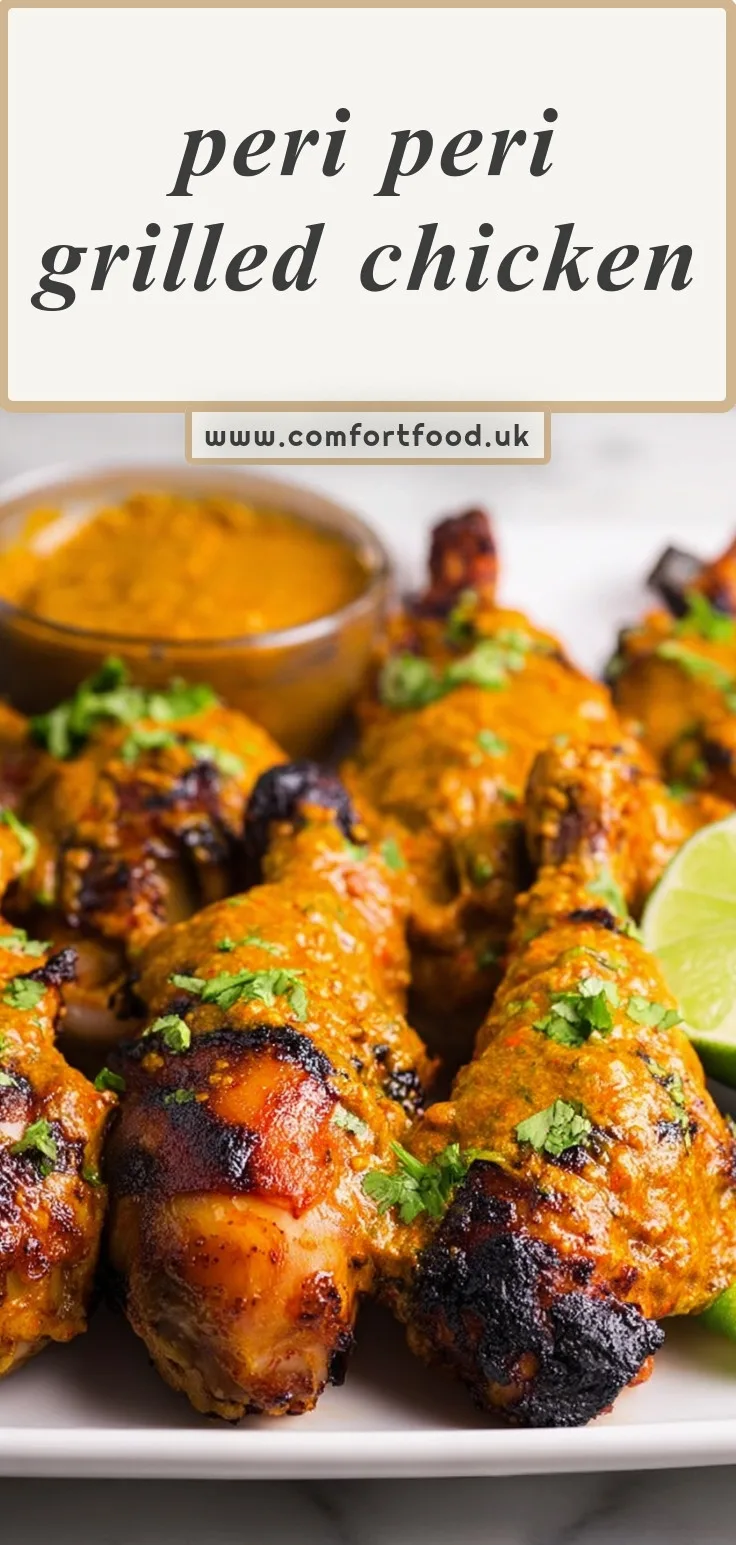
Peri Peri Grilled Chicken uses a bold vinegar-based marinade and a chunky, vibrant sauce with chiles and herbs. Marinated chicken is grilled until juicy and charred, then finished with fresh peri peri sauce and parsley for a bright, spicy finish.
Prep:
10 min
Cook:
30 min
Total:
40 min
Servings:
4 servings
I’d been making grilled chicken the same boring way for months until I tried peri peri grilled chicken and realized what I’d been missing. The vinegar marinade actually tenderizes the meat and the chunky sauce has this raw, bright heat that smooth sauces just don’t deliver.
Why You’ll Love This Recipe
- Those slits you cut into the chicken? They’re not optional—the marinade actually gets inside.
- 6 to 12 hours in the fridge means the vinegar breaks down the texture without making it mushy.
- The peri peri sauce stays chunky, not blended smooth, so you get little bursts of garlic and basil with every bite.
- You can make the sauce 5 days ahead and it just gets better.
- 165°F is the magic number—juicy chicken every time, no guessing.
- Fresh parsley and lime wedges at the end aren’t garnish, they actually cut through the richness.
The Story Behind This Recipe
I tested this last Tuesday after work because I was tired of chicken that tasted like charcoal on the outside and cardboard inside. I’d seen peri peri sauce at the store but it was always too smooth and kind of sweet, which didn’t make sense to me.
So I grabbed some chiles and a red bell pepper on the way home and just started chopping. The chunky texture was an accident at first—I didn’t want to clean the food processor twice so I left it coarse. Turns out that’s the whole point.
The vinegar marinade was something my mom used to do with pork chops but I figured chicken needed the same treatment. Now I can’t go back to anything else.
What You Need
You need 2 lbs of whole chicken pieces—thighs and drumsticks work better than breasts because they don’t dry out as fast. For the marinade you’ll want 1/4 cup apple cider vinegar and 1/4 cup water, which sounds watery but it’s not. Then 2 tsp paprika, 1 tsp garlic powder, 1 tsp onion powder, 1 tsp salt, and 1/2 tsp ground black pepper go in there too.
The sauce is where things get specific. 6 seeded chiles—I used Fresno but anything with decent heat works if you take the seeds out. 1 small red bell pepper for sweetness and body, 1 small white onion because yellow ones are too sharp here, and 3 garlic cloves that you don’t need to peel perfectly.
2 tbsp fresh basil is non-negotiable, the dried stuff won’t give you the same brightness. Add 1 tbsp dried oregano, 1 tsp paprika, 1/3 cup oil—I used olive but vegetable is fine. Then 1/4 cup vinegar, 2 tbsp lemon juice and 1 tsp lemon zest, 1/2 tsp salt and 1/2 tsp sugar to balance the acid.
Fresh parsley for garnish and lime wedges for serving aren’t optional even though I listed them last.
How to Make Peri Peri Grilled Chicken
Grab a sharp knife and slice several 1/2 inch slits into the thickest parts of the chicken. This step matters more than you think because the marinade actually gets inside instead of just sitting on top.
Mix your apple cider vinegar, water, paprika, garlic powder, onion powder, salt, and pepper in a large bowl or a plastic bag if you’re like me and hate doing dishes. Toss the chicken in until everything’s coated and then cover it. Refrigerate for 6 to 12 hours—I did 8 and it was right in the sweet spot where the vinegar marinade tenderized without turning the texture weird.
When you’re ready to cook, pull the chicken from the marinade and toss that liquid. Pat the pieces dry a little bit or you’ll get flame flare-ups on the grill, which I learned the loud way.
Preheat your grill to medium-high. Oil the grates really well—I use a paper towel dipped in oil and tongs to wipe it down. You want to hear that sizzle when the chicken hits the metal.
Place the chicken on the grill and cook for around 30 minutes total, turning every 10 minutes so nothing burns. You’re watching for clear juices and 165°F on a thermometer, which is the only way to know it’s cooked through but still juicy. Don’t guess on this one.
Remove the grilled chicken and let it rest for 10 minutes while you get the sauce ready. For the peri peri sauce, throw your seeded chiles, chopped red bell pepper, diced white onion, garlic, basil, oregano, paprika and oil into a food processor. Pulse it until you get a rough, chunky paste—if you overblend it’ll turn into baby food and that’s not what you want.
Add the vinegar, lemon juice, lemon zest, salt, and sugar to the processor. Pulse 2 or 3 more times just to mix but keep it coarse. The chunks are where the flavor lives.
Transfer the sauce into an airtight container if you’re not using it right away. It’ll keep for up to 5 days in the fridge and honestly tastes better on day three. Serve the chicken with a generous spoonful of that chunky sauce on top and sprinkle fresh parsley over everything. Lime wedges go on the side so people can squeeze them on.
What I Did Wrong the First Time
I didn’t cut the slits deep enough because I was worried about the chicken falling apart. Turns out 1/2 inch is totally fine and necessary—shallow cuts meant the marinade just pooled on the surface instead of getting in. The outside was tangy but the inside tasted like regular grilled chicken, which defeated the whole purpose.
I also blended the sauce completely smooth because that’s what I thought peri peri sauce was supposed to look like. Wrong—the chunky texture is what makes it interesting, and once I fixed that everything clicked.
Peri Peri Grilled Chicken
Prep:
10 min
Cook:
30 min
Total:
40 min
Servings:
4 servings
Ingredients
- 2 lbs whole chicken pieces
- 1/4 cup apple cider vinegar
- 1/4 cup water
- 2 tsp paprika
- 1 tsp garlic powder
- 1 tsp onion powder
- 1 tsp salt
- 1/2 tsp ground black pepper
- For the sauce
- 6 seeded chiles
- 1 small red bell pepper
- 1 small white onion
- 3 garlic cloves
- 2 tbsp fresh basil
- 1 tbsp dried oregano
- 1 tsp paprika
- 1/3 cup oil
- 1/4 cup vinegar
- 2 tbsp lemon juice
- 1 tsp lemon zest
- 1/2 tsp salt
- 1/2 tsp sugar
- Fresh parsley, chopped, for garnish
- Fresh lime wedges, for serving
Method
- 1 Using a sharp knife, slice several 1/2 inch slits into the thickest parts of the chicken. This helps the marinade penetrate deeper.
- 2 Mix apple cider vinegar, water, paprika, garlic powder, onion powder, salt, and pepper in a large bowl or plastic bag. Toss the chicken in this marinade until coated. Cover and refrigerate for 6 to 12 hours to let the flavors settle in.
- 3 When ready to cook, pull the chicken from the marinade and discard the liquid. Pat the pieces dry slightly to avoid flame flare-ups on the grill.
- 4 Preheat your grill to medium-high heat. Oil the grates generously to prevent sticking—listen for the sizzle when you place the chicken on.
- 5 Place chicken pieces on the grill. Cook for around 30 minutes total, turning every 10 minutes. Watch for clear juices and an internal temperature of 165°F—this is the best sign that the chicken is cooked through yet still juicy.
- 6 Remove chicken and let rest for 10 minutes to redistribute the juices before topping with sauce.
- 7 For the peri peri sauce, combine the seeded chiles, chopped red bell pepper, diced white onion, garlic, basil, oregano, paprika, and oil in a food processor. Pulse until you get a rough, chunky paste—don’t overblend.
- 8 Add the vinegar, lemon juice, lemon zest, salt, and sugar to the sauce. Pulse 2 or 3 more times to combine but keep the texture coarse and chunky.
- 9 Transfer the sauce into an airtight container. Chill for up to 5 days and stir before serving.
- 10 Serve the grilled chicken with a generous spoonful of the chunky peri peri sauce and sprinkle with fresh parsley. Lime wedges add a sharp contrast when squeezed over the top.
Nutritional information
Calories
320
Protein
27g
Carbs
4g
Fat
22g
Tips for the Best Peri Peri Grilled Chicken
Don’t skip patting the chicken dry after it comes out of the vinegar marinade. Excess liquid drips onto the coals and causes these big flame-ups that char the outside before the inside cooks through.
Turn the chicken every 10 minutes instead of flipping it once halfway. It sounds fussy but the heat distributes way more evenly and you don’t get that one side that’s burnt while the other is still pale.
When you’re oiling the grill grates, do it right before the chicken goes on, not while they’re heating up. The oil burns off if you do it too early and then everything sticks anyway.
If your thermometer reads 165°F but the juices are still slightly pink near the bone, give it another 3 minutes. Dark meat can look a little off even when it’s safe, and I’d rather wait than serve undercooked chicken to people.
The sauce tastes sharper on day one but mellows out by day three when the garlic and basil flavors blend into the oil. I actually prefer it after it sits for 48 hours in the fridge.
Serving Ideas
White rice soaks up the extra peri peri sauce that pools on the plate, which is the whole point of having rice there in the first place. Grilled corn on the cob cut into thirds works too because the charred sweetness balances the heat.
I threw together a quick tomato and red onion salad with just lime juice and salt once, and the acid from the lime cut through the richness of the grilled chicken without competing with the sauce. Roasted sweet potato wedges are another option if you want something filling that won’t overpower the spice.
Variations
Swap the chicken pieces for bone-in thighs only if you want more fat and less risk of drying anything out. Thighs take the same 30 minutes but stay juicier even if you accidentally go a few degrees over 165°F.
You can use habaneros instead of Fresno chiles if you want serious heat, but seed them completely or the sauce becomes painful instead of spicy. I tried this once and even with the seeds out it was almost too much.
Smoked paprika in place of regular paprika adds this deep, campfire flavor that makes people think you did something fancy. It’s a one-to-one swap and it works in both the marinade and the sauce.
Lemon basil instead of regular basil gives the peri peri sauce a sharper citrus edge that’s interesting but not necessary—I only mention it because I had some growing on my windowsill and used it by accident.
FAQ
Can I use chicken breasts instead of thighs and drumsticks?
You can but they dry out faster on the grill. If you’re using breasts, pull them at exactly 165°F and don’t let them rest as long or they’ll keep cooking. I’d stick with dark meat if you have the option.
How deep should the slits in the chicken actually be?
About 1/2 inch, which feels deeper than you’d think when you’re cutting into raw chicken. If you only go a quarter inch the vinegar marinade doesn’t penetrate and you lose the whole point of marinating it for 6 hours.
What if I only have 4 hours to marinate the chicken?
It’ll still work but the texture won’t be as tender. The vinegar marinade needs at least 6 hours to break down the muscle fibers without making things mushy, so 4 hours leaves you somewhere in between regular grilled chicken and the real thing.
Can I marinate the chicken for longer than 12 hours?
I wouldn’t go past 12 because the vinegar starts turning the texture weird and almost mealy. I did 14 hours once when I forgot about it in the fridge and the chicken was tender but felt wrong when I bit into it.
What type of chiles should I use if I can’t find Fresno?
Serrano or jalapeño work fine as long as you remove the seeds. Fresno chiles have a fruity heat that’s a little different but the texture and spice level are close enough that most people won’t notice.
Do I really need to seed the chiles for the peri peri sauce?
Yes unless you want the sauce to be so spicy it’s hard to eat. The seeds and membranes are where most of the capsaicin lives, and leaving them in makes the heat sharp instead of layered.
Can I make the peri peri sauce in a blender instead of a food processor?
You can but it’s harder to control the texture. Blenders turn everything smooth really fast and you want that chunky paste consistency, so you’d have to pulse it carefully and scrape down the sides a lot.
How chunky should the sauce actually be?
Rough enough that you can see distinct pieces of garlic, basil and chile when you spoon it out. If it looks like salsa verde it’s too smooth, and if it looks like you just chopped everything by hand it’s too coarse.
Why does the sauce taste better after a few days?
The oil carries the flavors from the garlic, basil and chiles into everything else as it sits. On day one the ingredients taste separate but by day three they’ve blended without losing the chunky texture, which is the sweet spot.
Can I freeze the peri peri sauce?
I haven’t tried it but I’d guess the fresh basil would turn dark and lose its brightness after thawing. The sauce keeps for 5 days in the fridge anyway, so I just make a fresh batch when I run out.
What’s the best way to oil the grill grates without burning myself?
Fold a paper towel into a thick square, dip it in vegetable oil, grab it with tongs and wipe it across the hot grates. Don’t use olive oil because it smokes at a lower temperature and makes everything taste bitter.
How do I know when the chicken is done without a thermometer?
Pierce the thickest part with a knife and check if the juices run clear, not pink. That said, a thermometer is like eight dollars and takes the guessing out of it completely, so I’d just get one.
Can I cook this on a gas grill or does it need charcoal?
Gas works fine and gives you more control over the temperature. Charcoal adds a smoky flavor that’s nice but not necessary for this recipe, and I’ve made it both ways without anyone noticing a huge difference.
What should I do if the chicken is burning on the outside but still raw inside?
Move it to a cooler part of the grill or lower the heat to medium instead of medium-high. Chicken pieces that are too thick or a grill that’s too hot will char the skin before the inside reaches 165°F.
Why do I need to let the chicken rest for 10 minutes?
The juices redistribute through the meat instead of running out onto the cutting board when you slice into it. I skipped this step once because I was impatient and the chicken was noticeably drier even though I’d cooked it perfectly.
Can I use white vinegar instead of apple cider vinegar in the marinade?
You can but it tastes sharper and less rounded. Apple cider vinegar has a slight sweetness that balances the acidity, and white vinegar is just harsh without that depth.
What’s the difference between the vinegar in the marinade and the vinegar in the sauce?
The marinade vinegar tenderizes the chicken over 6 to 12 hours while the sauce vinegar adds brightness and cuts through the oil. They’re doing completely different jobs even though they’re both vinegar.
Can I use dried basil in the peri peri sauce?
No, the fresh basil is what gives the sauce that bright, herby flavor that makes it taste alive. Dried basil would just disappear into the background and you’d lose one of the main things that makes this sauce different from regular hot sauce.
How do I stop the sauce from separating when I store it?
It’s going to separate a little because oil and vinegar don’t stay mixed. Just stir it before you use it and it’ll come back together in a few seconds.
Can I brush the peri peri sauce on the chicken while it’s grilling?
I wouldn’t because the fresh basil and garlic will burn on the grill and turn bitter. The sauce is meant to go on after the chicken rests, not during cooking.
What if my grill doesn’t have a thermometer built in?
Use a grill thermometer that sits on the grates or an infrared one that reads the surface temperature. You’re aiming for around 400°F to 450°F for medium-high heat, which is hot enough to get good grill marks without incinerating everything.
Why does my chicken stick to the grill even after I oil the grates?
Either the grates weren’t hot enough when you oiled them or you tried to flip the chicken too soon. Let the chicken sit for a full 10 minutes before the first turn and it’ll release on its own when it’s ready.
Can I use this marinade on other meats?
It’d probably work on pork chops or shrimp but I’ve only tested it with chicken. The vinegar marinade might be too strong for fish and could turn the texture mushy, so I’d cut the marinating time in half if you try it.
How spicy is this dish with 6 seeded chiles?
Medium heat that builds as you eat but doesn’t make you reach for water after every bite. If you’re sensitive to spice, start with 4 chiles and add more next time if you want.
What should I do with leftover grilled chicken?
Chop it up and throw it in a wrap with some of the peri peri sauce, lettuce and tomato. It’s also good cold straight from the fridge if you’re standing in front of the open door at midnight looking for something to eat.
You’ll Love These Too
Explore all →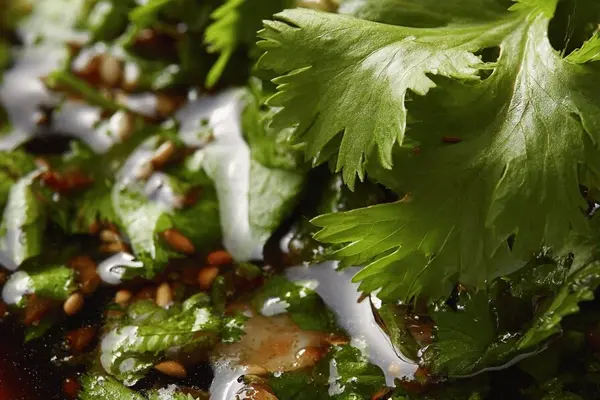
Asian Mignonette Sauce with Ginger
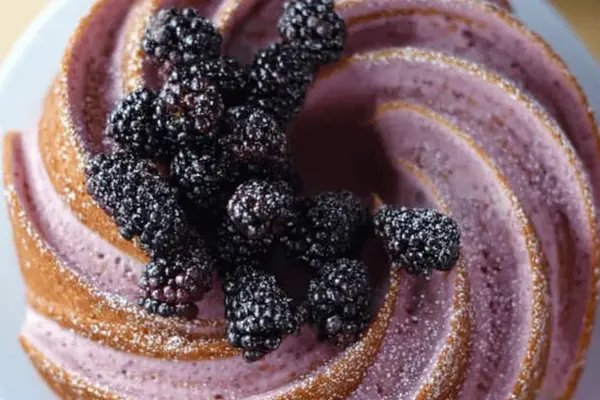
Blackberry Cake with Ginger Ale
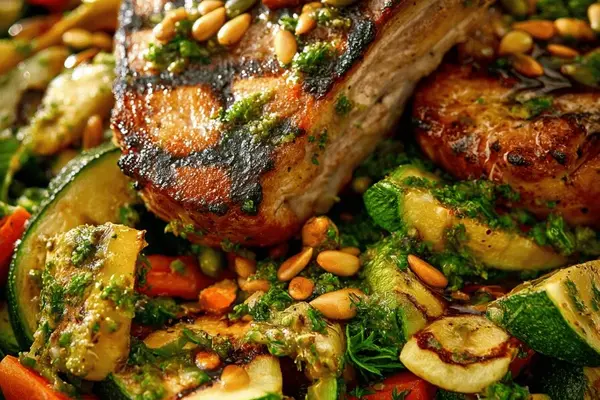
Grilled Pork Chops with Roasted Zucchini Salad

Walnut Baklava with Honey Cinnamon Syrup

Haskap Berry Billets with Coconut Cream
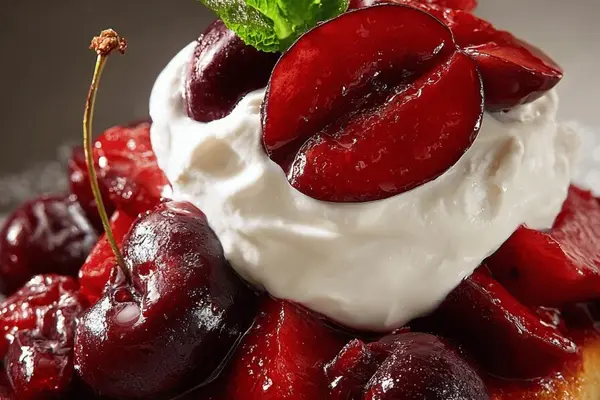
Plum Cherry Shortcakes with Maple Whipped Cream

Citrus Smoothie with Mango, Dates & Cardamom
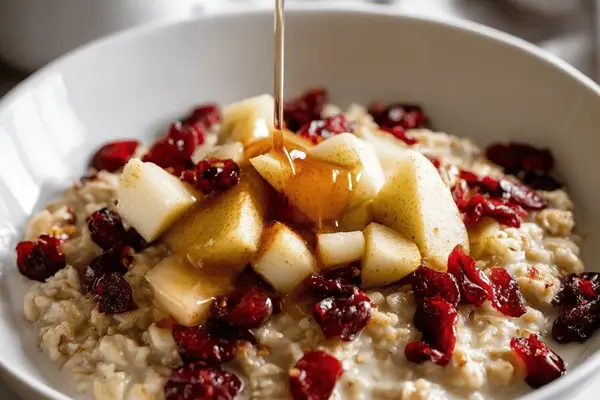
Creamy Steel-Cut Oats with Pear & Honey

Homemade Strawberry Syrup with Honey
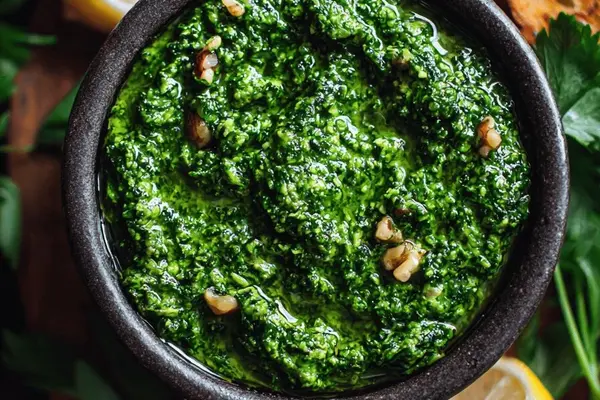
Fresh Basil Pesto Recipe with Spinach
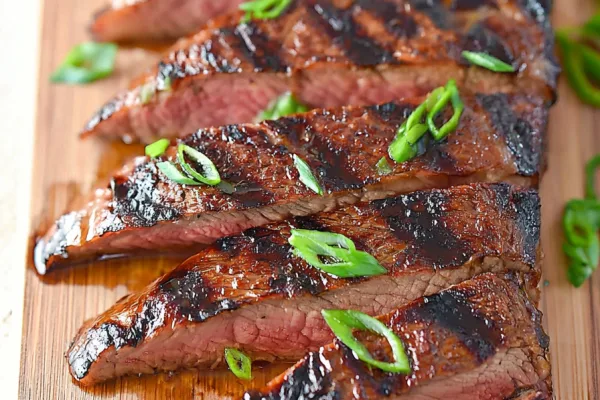
Honey Marinated Grilled Steak
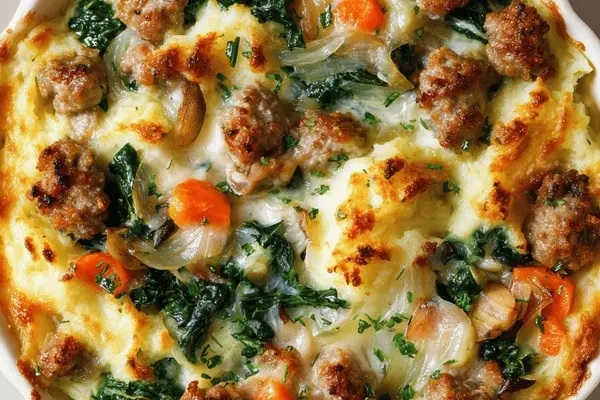
Sausage Shepherd's Pie with Parmesan
Bacon Wrapped Corn On The Cob Recipe
Beef Chili with Beer and Carrots
Spicy Shrimp Penne Pasta with Tomato Sauce
Leek Shrimp Tart with Dill & Parmesan

Ginger Mousse with Candied Kumquats

No-Cook Strawberry Jam with Mixed Berries

Mocha Coffee Recipe with Dark Chocolate