Piña Colada Ice Cream with Greek Yogurt
E
By Emma
Certified Culinary Professional
•
Recipe tested & approved
Crush the pineapple first—actually, buy it already crushed if you want to skip that part. Twelve hours of freezing time. But the real work is like 40 minutes if you move. The rest is just sitting there getting cold, which is kind of the point.
Why You’ll Love This Piña Colada Ice Cream
Tastes like a drink you’d order on vacation but you can actually eat it. No ice cream maker? Still possible but the texture gets grainy. Doesn’t happen with the machine. Greek yogurt keeps it from being thick cream sludge—there’s a slight tang underneath the sweet. Rum’s optional but it stops everything tasting one-note and heavy. Toasted coconut on top makes it look like you tried. Takes 30 minutes active work and then you just wait, which means zero stress.
What You Need for Homemade Coconut Pineapple Ice Cream
Heavy cream—the real stuff, not ultra-pasteurized if you can find it. Makes a difference in how it freezes. Full-fat coconut milk. Lite doesn’t work here. Greek yogurt adds body and a subtle tang that balances the sweetness without making it sour. Plain, not vanilla. Granulated sugar—caster works if that’s what you have but granulated’s fine. Coconut cream from a can. The thick stuff that sits at the top of coconut milk. Scoop it out. Crushed pineapple with the juice. Fresh is better. Canned works but you’ll taste the difference. Kosher salt. Coarser crystals. One tablespoon. That’s the whole amount. White rum—optional but worth it. A tablespoon of actual rum, not extract. Toasted coconut flakes for the top. Not sweetened. Just coconut.
How to Make Coconut Pineapple Ice Cream at Home
Freeze your ice cream maker bowl now. Like right now. It needs 20 hours minimum. Rock solid. Not just cold. This is where people mess up.
Heat the heavy cream, coconut milk, sugar, and coconut cream together in a thick pot. Low-medium heat. You’re watching for the sugar to melt completely. Stir gently. Don’t bash it around. The mixture should get shiny, loose, like it actually dissolved and isn’t trying to be granular anymore. Takes maybe five minutes. No boiling. The second it thinks about boiling, pull it off.
Fold in the pineapple with all its juice. Add the salt. Add the rum if you’re using it. Fold, don’t stir hard. Remove from heat before anything gets hot again. Let it cool on the counter until steam stops—you’ll see maybe a few small bubbles on top but mostly it’s just sitting there. Takes about 15 minutes. Don’t rush this by putting it in ice or ice bath. Just let it cool naturally. Patience.
How to Get the Texture Right for Homemade Ice Cream
Pour the cooled mixture into a wide bowl. Cover it tight. Refrigerate minimum 1.5 hours. If you remember, stir it every 30 minutes. Doesn’t have to be vigorous. Just stir. Helps it chill evenly and the ice crystals don’t build up as much.
Pour it into the frozen ice cream maker. Churn. It’ll take maybe 22 minutes. Watch the texture. It’ll go from liquid to thick mousse consistency. Creamy but still soft. That’s done. Don’t let it churn longer or it hardens weird inside the machine and then you’re stuck trying to scoop it out of the bowl like some kind of ice cream sculpture situation.
Spoon it into a container. A loaf pan lined with plastic works too. Press the surface flat. Smooth it out. Air pockets make it grainy when frozen solid. Cover it airtight. Freeze 11 to 13 hours. Overnight is ideal. The texture actually improves. Scoops come out cleaner. It melts faster on your tongue the longer it sits, which sounds wrong but it’s how it works.
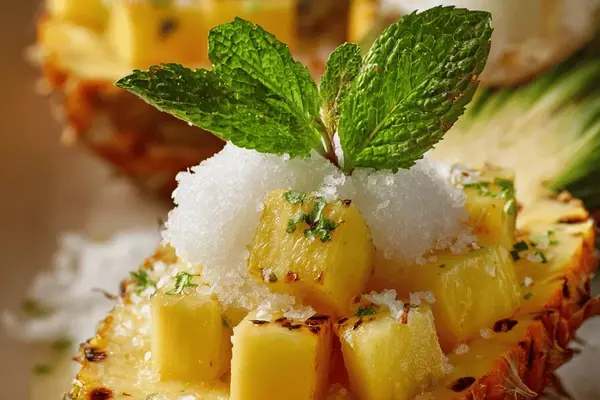
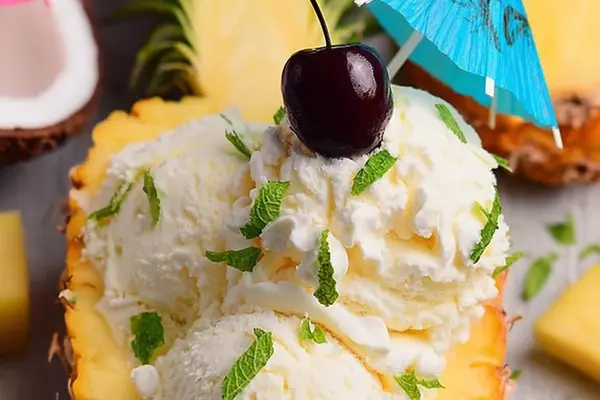
Top it with toasted coconut flakes. Maybe a cherry. Fresh pineapple chunk if you have one left. Scoop softness is firm enough to hold shape but melts quick.
Piña Colada Ice Cream Tips and Common Mistakes
Fresh pineapple is obviously better. The flavor’s brighter. Canned crushed gold works if that’s all you have. Drain the juice separate. Only add back a tablespoon instead of the full juice pour or it gets watery. Not frozen water but that kind of slick texture that doesn’t feel right.
Greek yogurt does something. Adds tartness. Helps body without more fat making it heavy. Skip it and use full 2 1/2 cups heavy cream instead but you’ll notice the difference. Subtle but there.
Rum can be skipped but—it shouldn’t be. A tablespoon of actual rum adds brightness that balances the sweetness. It stops everything tasting like coconut soup. Don’t use extract. Extract tastes like plastic. Use actual rum and add it at the end right before cooling so you don’t burn off the alcohol entirely.
Sugar’s the sneaky one. Underdose it and the mixture freezes hard and icy. Overdo it and it gets gummy, sticky, doesn’t scoop right. Measure carefully. Taste it before you chill it. If it’s not sweet enough raw, the ice cream won’t be sweet enough frozen.
The ice cream maker bowl—that 20 hours is real. People say 12 hours. It’s not enough. You need it actually frozen solid all the way through. Halfway frozen means it won’t churn properly and you get a weird texture that’s half grainy, half okay.
Piña Colada Ice Cream with Greek Yogurt
Prep:
30 min
Cook:
10 min
Total:
12h
Servings:
14 servings
Ingredients
- 1 1/2 cups heavy cream
- 1 cup full-fat coconut milk
- 1/4 cup plain Greek yogurt
- 3/4 cup granulated sugar
- 4 ounces coconut cream (canned thick cream)
- 1 cup crushed pineapple with juice (fresh preferred)
- 3/4 teaspoon kosher salt
- 1 tablespoon white rum (optional, for brightness)
- Toasted coconut flakes for garnish
Method
- 1 Freeze your ice cream maker bowl at least 20 hours ahead — rock solid is key, or churning won’t work well.
- 2 Heat heavy cream, coconut milk, sugar, and coconut cream in a thick-bottom pot over low-medium flame. Stir gently, watching for sugar crystals melting into a faintly shiny liquid. No boiling here; just dissolve fully.
- 3 Fold in pineapple with juice, salt, and optional rum right at the end. Remove from heat before any soft boil—too hot kills fresh flavors. Let cool until steam stops and you see a few small bubbles on surface (about 15 minutes).
- 4 Transfer to a wide bowl. Cover tightly and refrigerate minimum 1.5 hours. Stir every 30 minutes if you remember — helps chill evenly and cuts ice crystals.
- 5 Pour cold mix into your frozen ice cream maker. Churn about 22 minutes; texture will thicken but stay soft, creamy, like thick mousse. Don’t overdo or it’ll harden weird inside the machine.
- 6 Spoon into container or lined loaf pan. Press surface flat to avoid air pockets. Cover airtight, freeze 11 to 13 hours — preferably overnight. Texture improves after full set and gives cleaner scoops.
- 7 Serve topped with toasted coconut flakes, maybe a cherry or fresh pineapple chunk. Scoop softness is firm enough to hold shape but melts quick on tongue.
- 8 If stuck without fresh pineapple, canned crushed gold pineapple works but drain juice separately; add a tablespoon back instead of full juice pour to avoid watery mix.
- 9 Greek yogurt adds tang and helps body without more fat. No yogurt? Use full 2 1/2 cups heavy cream but expect lack of subtle tartness.
- 10 Rum can be skipped but adds brightness balancing sweetness. Add at end of cooking to avoid alcohol burning off entirely or overpowering.
- 11 Watch sugar closely. Under-sweet means icy and hard texture freezing cold. Overdo it and you get a gummy, overly sticky ice cream. Measure carefully, taste before chilling.
Nutritional information
Calories
250
Protein
3g
Carbs
15g
Fat
20g
Frequently Asked Questions About Homemade Piña Colada Ice Cream
Can I make this without an ice cream maker? Technically yes. Freeze it in a loaf pan, pull it out every hour, break up the ice crystals with a fork, freeze again. Do that five times. Takes five hours total and you’ll get a less smooth texture but it works.
What if I don’t have coconut milk? Heavy cream. Use all heavy cream. Adds richness but you lose the actual coconut flavor. Not the same thing.
How long does this last in the freezer? Two weeks before ice crystals take over. After that it’s still fine but the texture gets grainy. Eat it within the first week for best scoop.
Can I use fresh coconut milk instead of canned? Haven’t tried it. The fat content in canned is different and that matters for freezing. Probably not worth experimenting.
Does the rum actually freeze out? No. A tablespoon stays in there. It doesn’t make it boozy but it keeps things slightly softer so it scoops easier. That’s the actual benefit.
What if I want less pineapple flavor? Cut the crushed pineapple to 3/4 cup and add 1/4 cup coconut cream instead. Or just drain more juice from the pineapple. The juice is what carries the flavor mostly.
Can I make this with canned pineapple chunks instead of crushed? Chop them smaller. Chunks stay chunky and they don’t distribute the flavor evenly through the mix. Crushed is better but chunks work if you’re patient about chopping.
You’ll Love These Too
Explore all →
Breakfast Tater Tot Casserole with Bacon
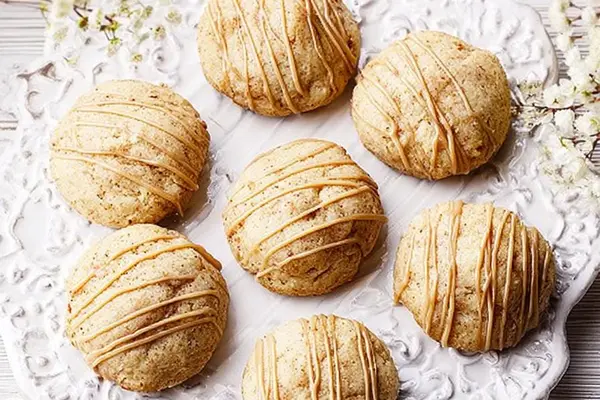
Apple Crumble Apples with Cinnamon
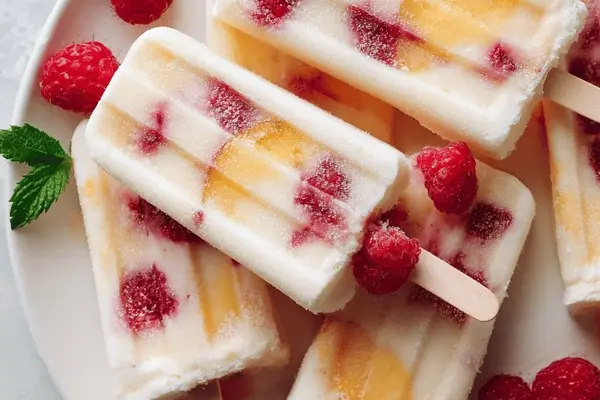
Frozen Popsicles with Raspberries and Peaches
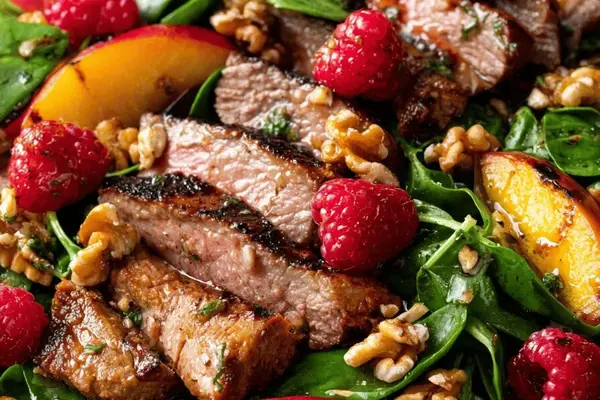
Marinated Pork Spinach Salad with Grilled Nectarines
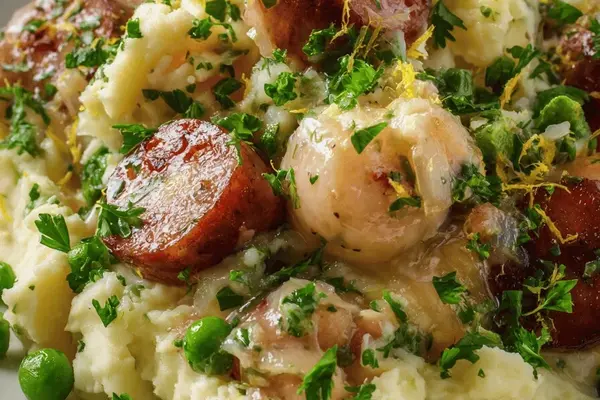
Red Potato Mash with Sweet Italian Sausages
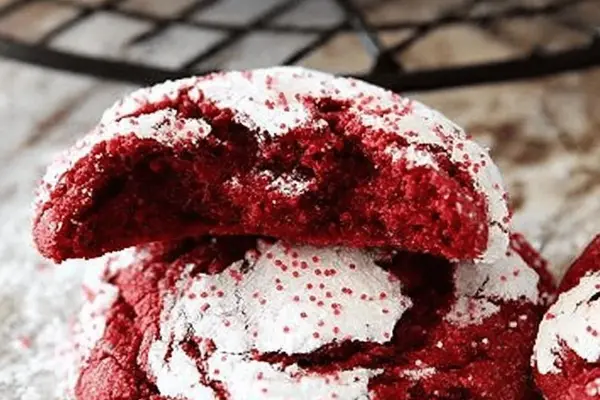
Red Velvet Powdered Cookies with Cake Mix
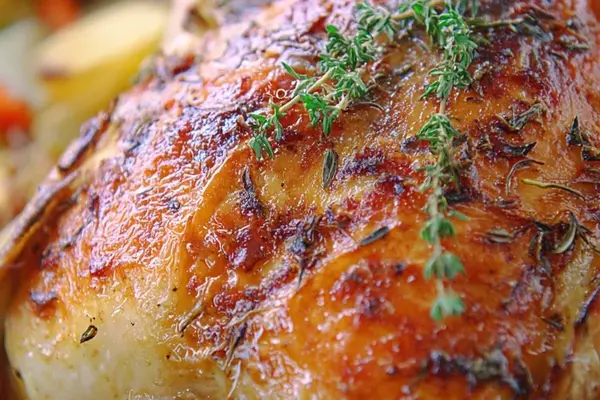
Crispy Herb Roast Chicken with Butter
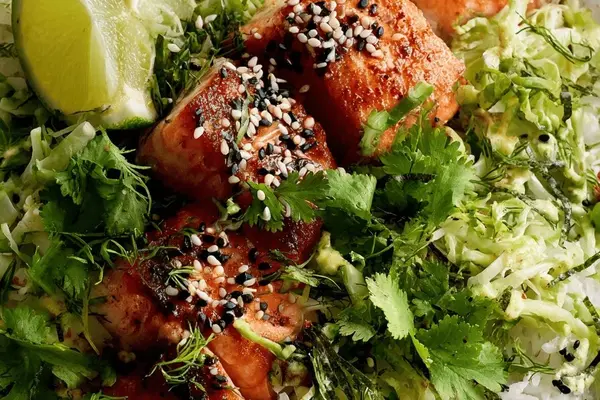
Sesame Salmon Edamame Bowl Recipe
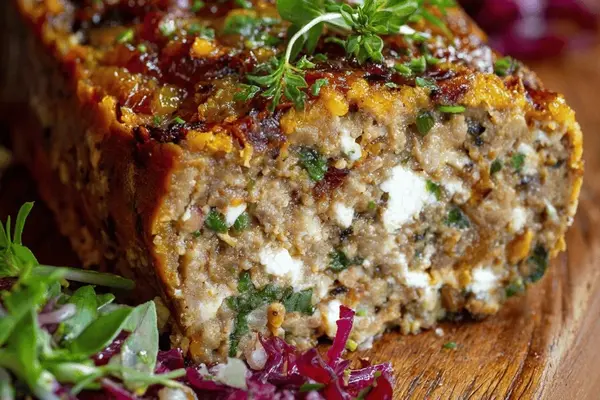
Rustic Meat Pâté with Pork and Celeriac
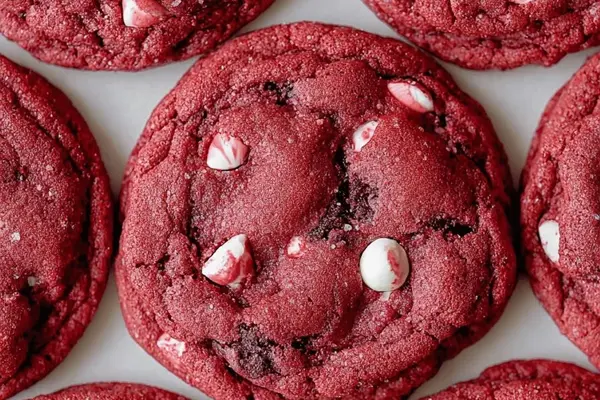
Red Velvet White Chip Cookies Recipe
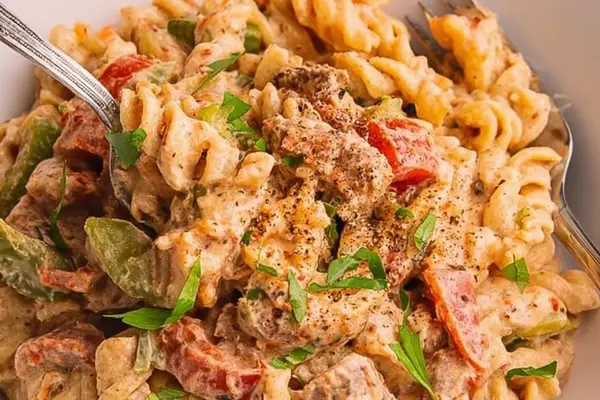
Creamy Cajun Pasta With Andouille Sausage
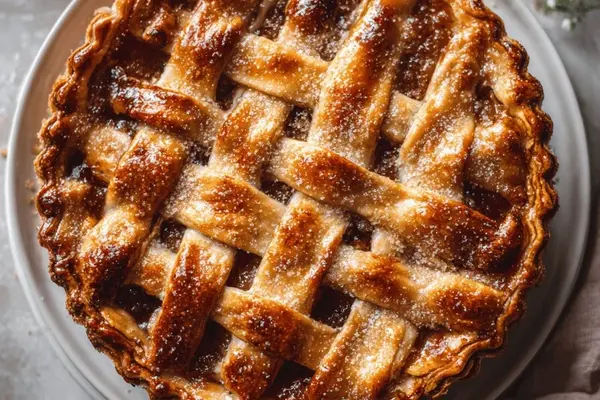
Maple Lattice Tart with Puff Pastry
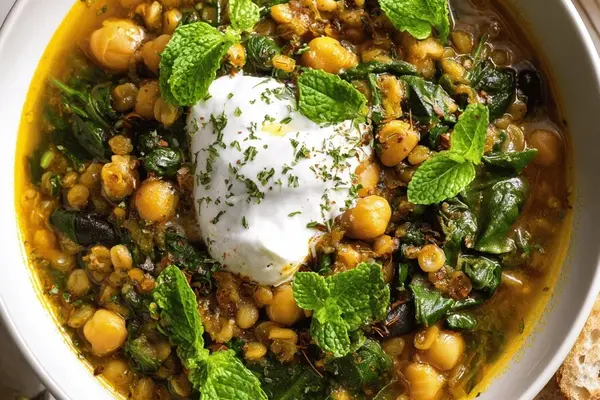
Barley Lentil Soup with Chickpeas and Spinach
Simplest Beef Lasagna with Ricotta
Celeriac Puree with Leek and Pecorino
Ham Cheddar Soufflé with Crispy Bacon
Easy Spiced Apple Crumble with Oats
Crispy Fried Turkey with Smoked Paprika
Sausage Balls Recipe with Cream Cheese