Pineapple Ham Glaze Remix
E
By Emma
Certified Culinary Professional
•
Recipe tested & approved
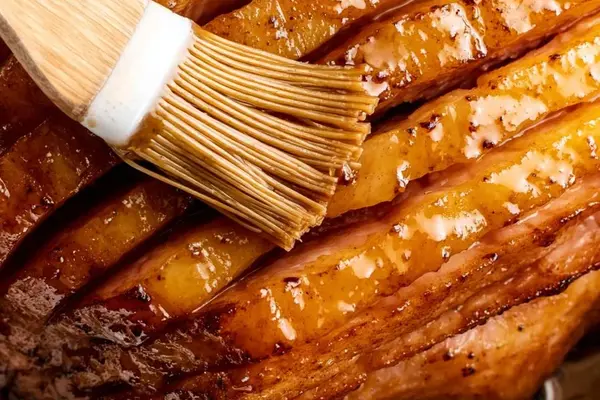
A tangy pineapple glaze with a twist on the classic. Uses fresh orange juice instead of pineapple juice for brightness. Brown sugar, Dijon mustard, butter, whole cloves, cinnamon stick, and grated nutmeg simmer slowly. Whisked constantly to dissolve sugar without burning. Removed cloves after cooling to avoid bitterness. Stored in jar up to 2 weeks. Adjust heat carefully; look for syrupy bubbles as glaze thickens. Substitution ideas included. Sensory tips focus on smell shifts, texture, and simmer sounds. Perfect for ham but versatile for pork or chicken.
Prep:
7 min
Cook:
12 min
Total:
19 min
Servings:
1 pint glaze
#glaze
#ham
#orange juice
#brown sugar
#spices
#home cooking
#simmer
#savory glaze
Before You Start
Glazes for ham aren’t mere toppings, they’re flavor bombs. I swapped pineapple juice for fresh orange juice in this version. Brightens the whole profile without losing tang. Brown sugar dissolves better with patient whisking—the sound of tiny bubbles signals it’s time to lower heat. Butter adds rich mouthfeel but toss in small chunks to avoid greasy pools. Whole cloves and a cinnamon stick throw subtle warmth, but mind the timing or bitterness creeps in. Nutmeg grates fresh, never canned powder, because dull spice ruins layers. Thickening is a tactile game. Spoon tests show you when it’s just right—not too runny, not rock hard. No fast boiling here. Store in your fridge, save for last-minute glazing glory. If crystallized, reheating saves the day, like a quick fix when kitchen chaos hits.
Ingredients
- 3/4 cup fresh orange juice instead of pineapple juice
- 1 cup packed brown sugar
- 1 1/2 tablespoons Dijon mustard
- 2 tablespoons unsalted butter, cut into pieces
- 10 whole cloves
- 1 cinnamon stick (replace ground cinnamon)
- 1/4 teaspoon freshly grated nutmeg
In The Same Category · Sauces and Condiments
Explore all →
Red Pepper Tomato Sauce
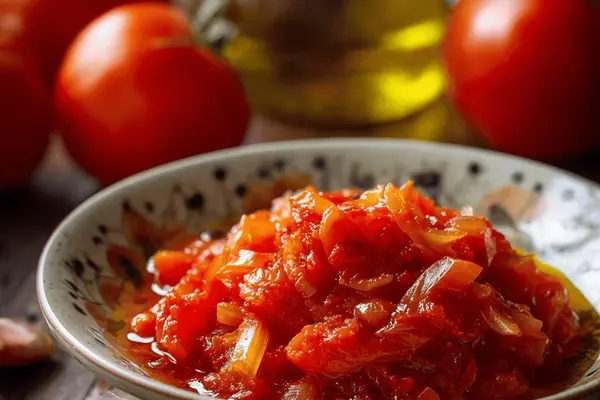
Fresh Tomato Sauce Twist
Rustic Tomato Basil Sauce
Twisted Chermoula Sauce
Herb Vinaigrette Remix
Fig Blueberry Chutney
Chicken Drippings Gravy
Quick Cherry Sauce Twist
Twist on Béchamel
Home Made Condensed Milk
Garlicky Whip Sauce
Zesty Raspberry Sauce Remix
Ruby Red Cranberry Syrup
Garlic Balsamic Vinaigrette Twist
Indian-Spiced Mayo Twist
Quick Strawberry Syrup Remix
Chunky Fiery Salsa
Quick Pickled Shallots
Asian Mignonette Twist
Vietnamese Fondue Sauces Remix
About the ingredients
Fresh orange juice replaces pineapple juice to brighten notes without losing acidity. Brown sugar is non-negotiable for molasses depth but must be whisked before simmering to avoid grainy lumps. Dijon mustard cuts sweetness with a sharp punch, so adjust if you prefer milder. Butter chunks slow melt gives control over richness — melt too fast and you risk greasy separation. Whole cloves can overpower; count and fish them out timely to avoid bitter glaze. Cinnamon stick is easier to remove than ground cinnamon, which can muddy texture. Freshly grated nutmeg is aromatic; pre-ground can dull flavor. If you don’t have fresh, dry roast ground briefly off heat to amplify aroma.
Method
- Start by placing orange juice, brown sugar, Dijon mustard, butter pieces, whole cloves, cinnamon stick, and grated nutmeg in a 1 to 1 1/2 quart heavy-bottomed saucepan over medium heat. Use a whisk to stir constantly, breaking up brown sugar lumps. The sugar must dissolve fully before it even starts to simmer. Keep a close eye; sugar burns instantly if heat too high.
- When the mixture moves from bubbles on edges to a low simmer, immediately reduce heat to low. Now, slow and steady. You want tiny bubbles with a slow sputter, not a roaring boil. Whisk often—don’t let it settle or scorch. Around 11 to 13 minutes, glaze will thicken and coat your spoon with a shiny, syrupy film. Scent intensifies, a sweet-spicy aroma fills the kitchen. That’s your cue.
- Remove from heat and let cool completely in the pan. Cloves and cinnamon stick infuse strong flavors; leaving them in too long can make glaze bitter, so don't skip next step.
- Use a slotted spoon to fish out cloves and cinnamon stick, discard them. Pour glaze into a clean 1-pint jar with tight lid and refrigerate until needed. Will keep for up to 2 weeks. If glaze crystals form, gently warm and whisk to loosen before use.
Cooking tips
Use a heavy-bottom pan to spread heat evenly and avoid burning sugar—a common rookie mistake. Start medium heat to dissolve sugar, watch for changes: sugar dissolving creates gentle foam before simmering begins. When very low simmer forms (slow soft bubbles), reduce to low immediately to prevent risk of burning or caramelizing beyond control. Keep whisking; unwhisked spots catch and scorch. Target texture looks like thick syrup that clings when spooned: coat the back and run a finger—two halves shouldn’t immediately join back. Smell guides doneness: sweet, warm, and slightly spicy with no burnt notes. After cooling, spice removal keeps glaze from turning sharp or bitter. Store glazed in jar to keep smell fresh—always rewarm gently to restore texture if needed.
Chef's notes
- 💡 Start medium heat. Whisk constantly. Brown sugar lumps hide like traps; without breaking, sugar burns fast. Watch edges for tiny bubbles first; that's signal to drop to low. Low simmer is slow sputter — no roaring boil allowed here. Otherwise glaze scorches like a dream gone wrong. Butter chunks melt unevenly; small pieces avoid pools of grease. Add spices whole—harder to catch later but easier to fish out in one go before bitterness kicks in.
- 💡 Whisking isn't a once-in-a-while deal; it's aggressive and steady. Sugar dissolves silently, then foam forms — smell sharpens with heat. Be patient; thickening takes time, 11-13 minutes stage is key. Use spoon tests, coat back, run finger through twice halves resist joining right away. Visual cues count as much as aroma and sound. Don’t rush. Sometimes glaze grabs texture too fast — means heat too high or sugar not fully dissolved.
- 💡 Spices need extraction timing nailed down. Cloves and cinnamon stick infuse heat and depth but left too long, bitterness shadows sweetness. Use a slotted spoon or tongs — fish out right at cooling start. Cooled glaze holds aroma better if spices removed before storing. Nutmeg grated fresh, not powder — boosts that crisp spicy note. If no fresh, toast ground off heat a bit. Gets back some punch lost in powders.
- 💡 Storage can be tricky — glaze thickens and crystals appear after fridge time. Heat gently to loosen; microwave low power or stovetop double boiler style. Whisk vigorously after warming, breaks crystals quickly. Keep in tight jar. Two weeks max before glaze tastes dull or grainy. No freezer; texture ruins badly. If reheating smells off, toss or remake. Clove and cinnamon flavors mellow with time, which can either help or hurt depending on your final dish.
- 💡 Substitutions matter a lot. Orange juice swaps pineapple juice for acid balance, less tropical but more bright. Brown sugar isn’t optional, gives molasses depth you can’t fake with white sugar. Butter chunk size controls melt speed — avoid oily piles. Dijon mustard cuts through sweetness, modulate amount if less tang wanted. Cinnamon stick preferred over ground for cleaner extraction and easier removal. Nutmeg fresh grating beats store-bought powder every time.
Common questions
Why use orange juice instead pineapple juice?
Orange juice gives brightness with less sweet tropicalness. Pineapple can be overpowering. Texture changes too — orange juice is thinner. Freshness varies. Also orange shifts acidity slightly—affects sugar dissolution and simmer timing.
Can I use ground cinnamon not stick?
Ground cinnamon works but lodges in glaze. Texture alteration. Makes glaze gritty if not strained well. Also harder to remove bitterness if overcooked. If needed, roast ground spice briefly off heat before adding. Gives aroma boost, less muddy flavor.
Sugar crystallizing — fix?
Warm glaze gently. Whisk fast to dissolve crystals. Avoid high heat or boil — recrystallizes quicker. Storage temp affects too — fridge is cold, slows but crystal prone. Adding small splash of lemon juice or corn syrup stabilizes sugar if you expect long storage.
How to store glaze best?
Refrigerate in jar tightly sealed. Room temp OK few hours but not longer or spoilage risk. Freezing no-go, ruins texture. If glaze thickens too much cold, warm gently, whisk back to syrup state. Discard if smell changes or mold appears. Use within 2 weeks tops.
You’ll Love These Too
Explore all →
Vegetable Platter with Garlic Aioli
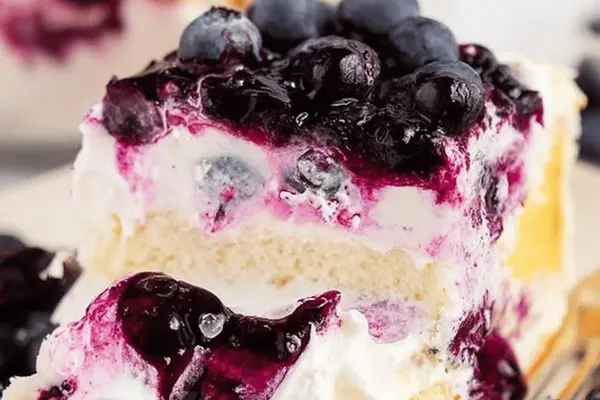
Blueberry Angel Food Trifle
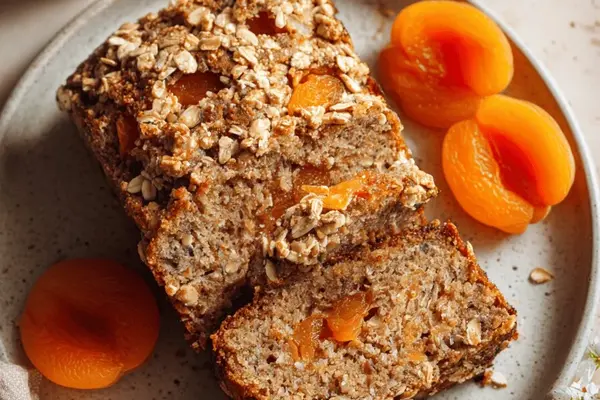
Bran Raisin Loaf Twist
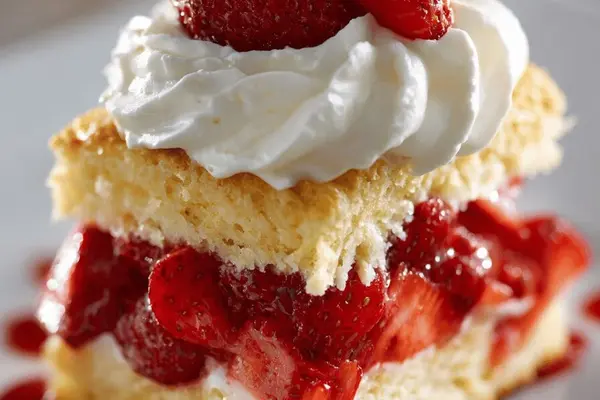
Lemon Strawberry Shortcake
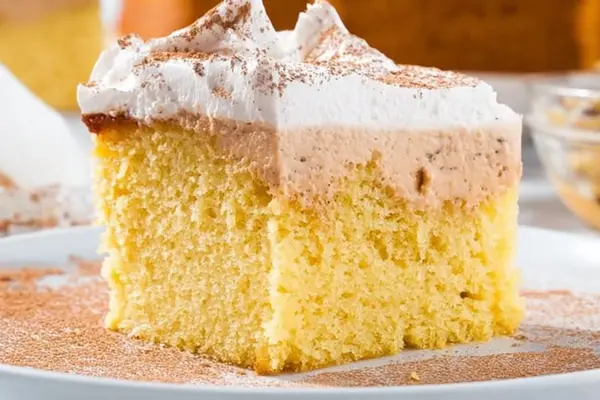
Pumpkin Magic Cake
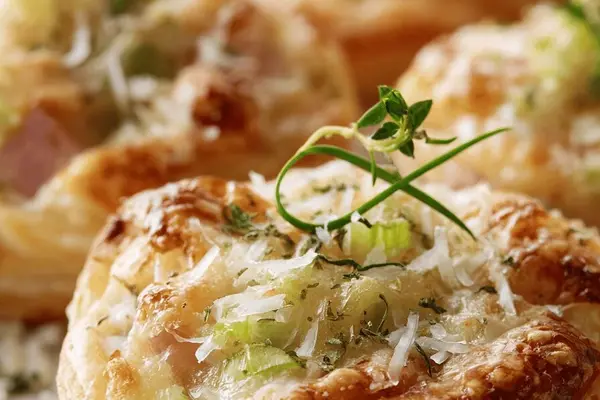
Leek and Ham Puffs

Curry Omelette Breakfast Sandwiches
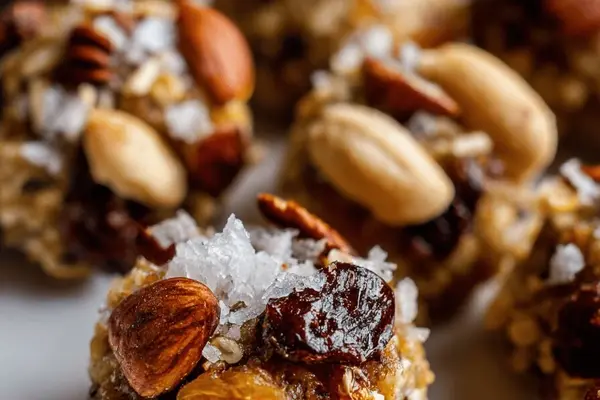
Apricot Nut Bites
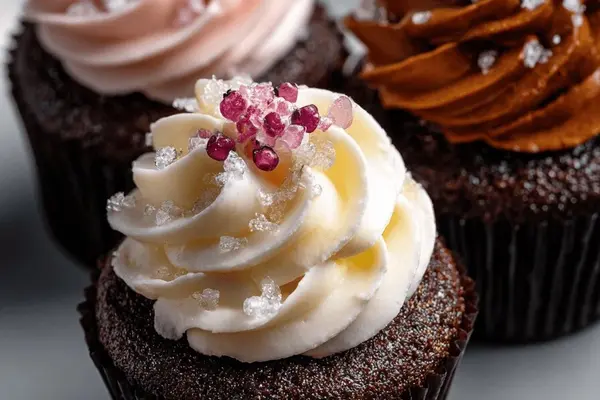
Mini Chocolate Surprise Cupcakes
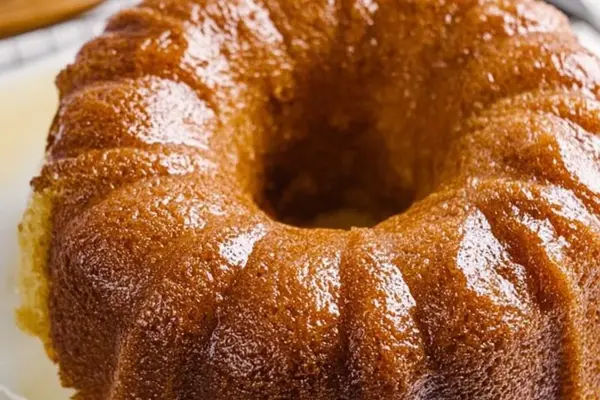
Kentucky Butter Cake
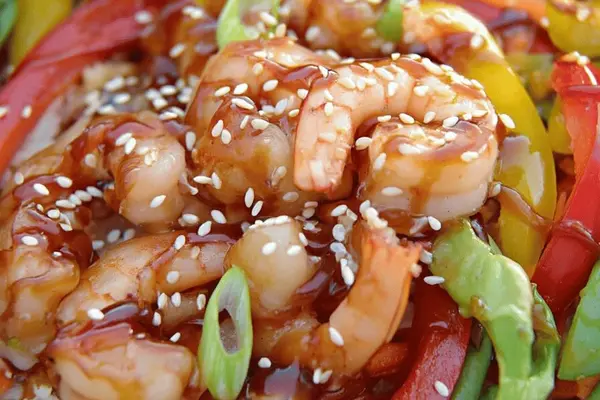
Twisted Teriyaki Shrimp Stir-fry
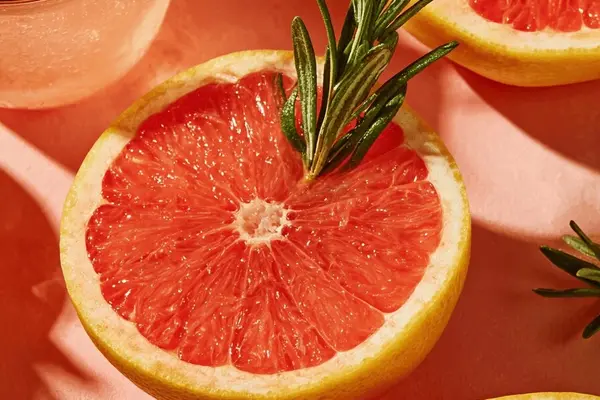
Grapefruit Rosemary Syrup
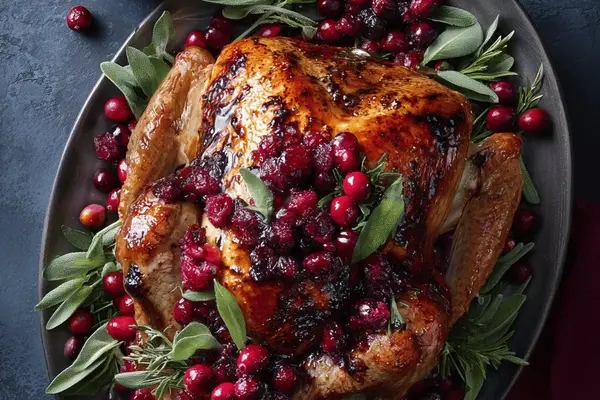
Turkey Roast cranberry port
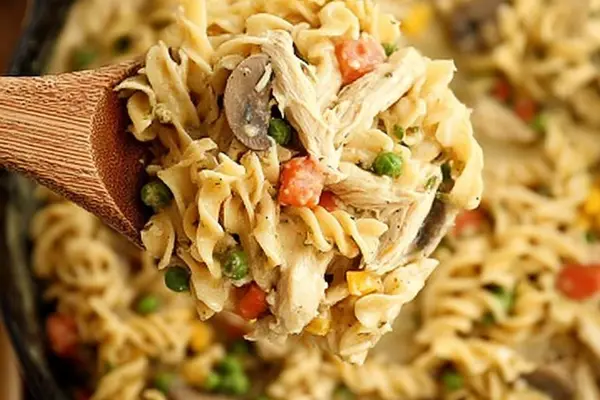
One Pot Chicken Pie Noodles
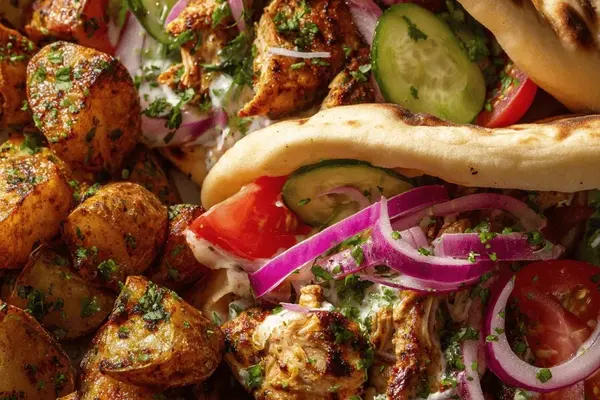
Chicken Naan Sandwiches
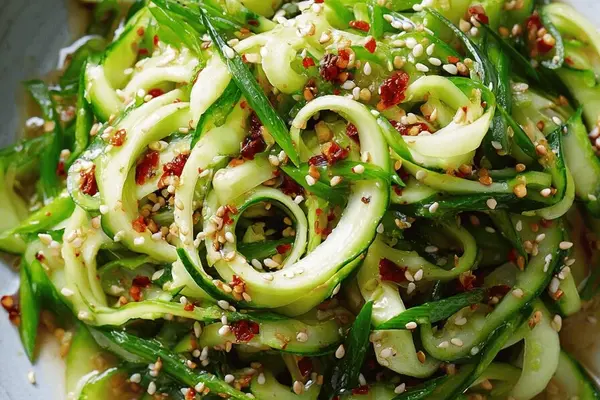
Sesame Cucumber Salad Twist
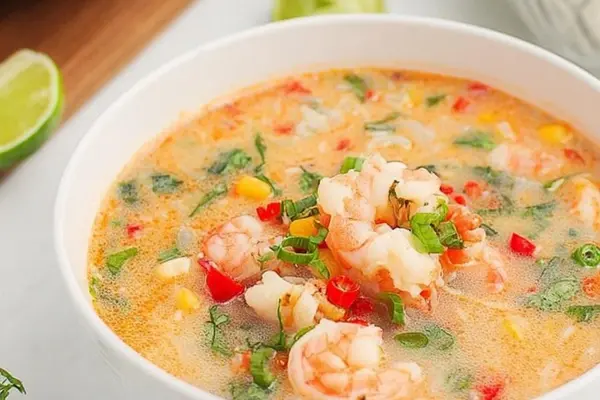
Spiced Thai Seafood Soup
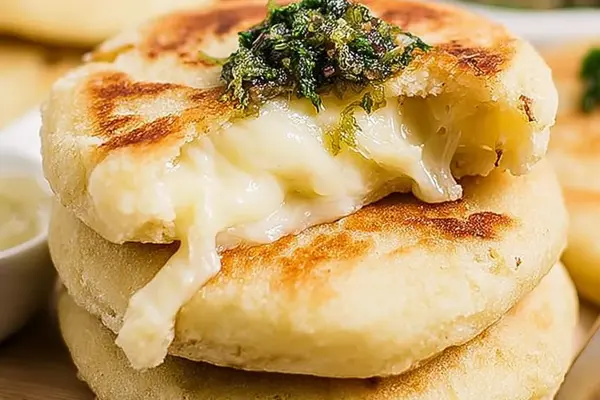
Cheesy Arepas Twist
Apple Slab Pie Remix
Vietnamese Pork Rice Rolls