How to Make Boiled Peanuts in Pressure Cooker
By Emma
Certified Culinary Professional
·
Recipe tested & approved
Learn how to make boiled peanuts with raw green peanuts, kosher salt, and apple cider vinegar in an electric pressure cooker. Tender, flavorful results fast.
Prep:
7 min
Cook:
63 min
Total:
1h 35min
Servings:
9 servings
Four pounds of raw green peanuts. Water. Salt. Sixty-three minutes in a pressure cooker and you’re done. Sounds simple because it is.
Why You’ll Love This Boiled Peanuts Recipe
Takes an hour and 35 minutes total — most of it just sitting there while the cooker does the work. Snack that actually fills you up. Not like chips where you eat the whole bag and feel nothing. Southern thing but works anywhere. Tastes better the next day. Refrigerated peanuts somehow get saltier, richer. One pot. One seal. No babysitting. Pressure cooker does the thinking. Costs almost nothing. Raw peanuts are dirt cheap compared to the bagged stuff at the store.
What You Need for Boiled Peanuts
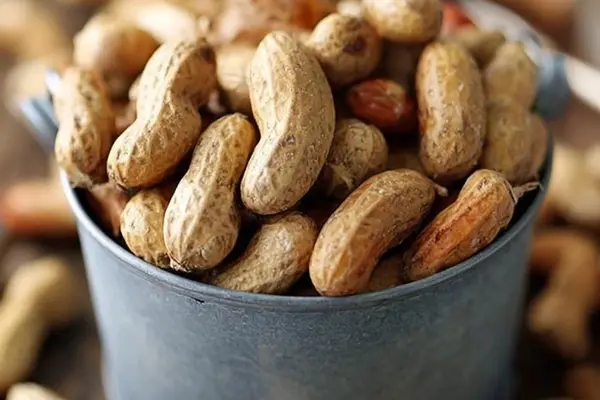
Raw green peanuts — the whole thing, in-shell. Not roasted. Not salted. Green means they still have moisture, skins are thinner. That’s what makes them work. Four pounds if you want leftovers.
Kosher salt. Three tablespoons. Coarser than table salt, stays on the peanuts instead of dissolving into nothing. Regular salt works but you’ll oversalt without thinking.
Apple cider vinegar. Not white vinegar. That stuff tastes like harsh chemicals. Apple cider has a subtle sweetness underneath. A tablespoon and a half breaks down the skins, adds a tang nobody can quite name.
Water. Ten cups, or enough to cover everything by an inch. Too much water and the peanuts go mushy and bland. Not enough and they cook uneven.
Smoked paprika. A teaspoon. Covers that bitter thing that happens sometimes. Optional if you hate smoke flavor, but worth it.
How to Prepare Boiled Peanuts in a Pressure Cooker
Rinse the peanuts under cold running water. Seriously. Dirt gets in there and stays. Rub them between your hands while the water runs. Drain. You can blot them dry if you want less foam later, but it doesn’t matter that much.
Dump them in the pressure cooker pot. Don’t pack them down. Just pour them in. Sprinkle the salt over top — don’t dump it all in one spot or some will be saltier than others. Pour the apple cider vinegar around, not straight on one pile. Sprinkle the paprika. Stir once or twice so everything mixes loosely.
Pour water slowly until the peanuts are covered by about an inch. Watch the max fill line on the pot — the peanuts foam up way more than you’d expect. You’re not filling it to the top. You’re filling it to where they tell you to fill it.
Secure the lid. Make sure the seal is actually tight. Set it to high pressure. Sixty-three minutes. That’s the number.
Here’s where patience matters. When the timer goes off, don’t hit the quick release button. Let it release naturally. That takes maybe 15 minutes while the pot cools down. The pressure dropping slowly lets the skins relax instead of shrivel. Peanuts stay plump.
Once the pressure’s gone, crack the lid open carefully — steam hits you in the face. Smell is loud. Take a peanut out, let it cool, crack it. The nut should be soft all the way through but not mushy. Skin might wrinkle or peel back a little bit. That’s right.
Too firm? Seal it back up. Five more minutes of cooking. Check again. Texture tells you more than the clock ever will.
How to Get Boiled Peanuts Tender and Perfectly Salted
The soak happens while they cook. Apple cider vinegar in the water does half the work — it softens the shells so they don’t fight you when you’re trying to eat them.
Salt goes in with the water, not after. It penetrates while cooking, not just sitting on the surface. Three tablespoons for four pounds is the baseline. If you like them less salty, start at two tablespoons and add more next time. If you like them brined, increase it. The second day they taste saltier even if you don’t add more — the salt keeps working into the nuts.
Smoked paprika isn’t just flavor. It covers bitterness. Some batches of peanuts have this underlying bitter thing that nobody likes. The smoke masks it. Worth experimenting with.
Don’t mess with the natural pressure release. Quick release makes the skins shrivel and the peanuts go dry inside. Natural release costs you 15 minutes but the texture stays right.
Boiled Peanuts Tips and Common Mistakes
If you can’t find raw green peanuts, dry raw peanuts work but they need longer cooking — maybe 90 minutes instead of 63. Also need more water because they’re already dried out. Pressure cooker still cuts the time down compared to boiling on the stove for three hours.
Reducing salt? Try adding a tablespoon of soy sauce or a teaspoon of miso paste to the water instead. Gets you the umami depth without oversalting everything. Different flavor but tasty different.
Want more tang? Extra apple cider vinegar makes the whole pot bubble more, and skins pop off easier. Some people love that. Some don’t. Test with an extra half tablespoon first.
Don’t skip the paprika if you’ve never tried smoked versions of things. Just don’t. Try it once.
Pressure cooker scared you before? Fill it with water only, seal it, run it on high pressure for five minutes, let it release naturally. Get comfortable with it. Peanuts foam and if you do it wrong they can clog the valve. Not dangerous, just annoying. Go slow your first time.
Storing them is stupid easy. Drain the broth or keep some — both work. Put them in an airtight container or wrap them in cling wrap. Refrigerate. They taste better the next day. Day three they’re still good. Day five they start tasting like the plastic.
How to make boiled peanuts in an Instant Pot specifically — it’s the same thing. Instant Pot is just a branded pressure cooker. Same settings, same time.
How to Make Boiled Peanuts in Pressure Cooker
Prep:
7 min
Cook:
63 min
Total:
1h 35min
Servings:
9 servings
Ingredients
- 4 pounds raw green peanuts
- 3 tablespoons kosher salt
- 1.5 tablespoons apple cider vinegar
- 10 cups water (or enough to cover peanuts)
- 1 teaspoon smoked paprika
Method
- Rinse and Prep
- 1 Wash peanuts thoroughly in cool running water; gritty dirt can ruin the texture. Drain well or blot dry if you want less foaming later. No skimping.
- Season and Soak
- 2 Place peanuts in the pot. Sprinkle salt evenly; don’t just dump it. Pour apple cider vinegar—not that plain white stuff—to add subtle tang and break down skins.
- 3 Add smoked paprika for smoky depth. Covers the bitterness some peanuts have post cooking.
- 4 Pour water gradually, just until peanuts are submerged. Too much water = bland mush. Watch the max fill line carefully; the pot foams and bubbles big with peanuts.
- Seal and Cook
- 5 Secure lid, seal valve tightly. Set pressure cooker to high pressure for 63 minutes. Do not rush to quick release; natural pressure release helps skins relax, keeps peanuts plump instead of shriveled.
- Release and Assess
- 6 Once pressure drops naturally, open carefully—steam bursts out hot, smell rich, earthy, salty. Peek at peanuts for softness. Should be tender but not falling apart. Skin wrinkles and sometimes peels slightly when done.
- 7 If too firm, reseal and cook more in 5-minute bursts. Texture clues > strictly clock times.
- Serve and Store
- 8 Drain if you want less salty broth or serve with some juice for intensely flavored snacking. Store leftovers in cling wrap or airtight; refrigerated peanuts spit up flavors next day even better.
- Tips and Substitutions
- 9 If green peanuts unavailable, dry raw unshelled need way longer soaking, more water, and cooking, but pressure cooker helps cut down time drastically.
- 10 Reducing salt? Try adding soy sauce or miso paste in broth for umami depth without over salting.
- 11 Extra vinegar? Bubbles intensify and skins pop off—you want that or not is personal. Play with acid balance for your palate.
- 12 Smoke paprika optional but with a history of smoked nuts, worth the extra punch.
- 13 If pressure cooker unknown to you, test with water only first to avoid surprises—peanuts tend to froth and can clog pressure valves if done wrong.
Nutritional information
Calories
495
Protein
28g
Carbs
48g
Fat
26g
Frequently Asked Questions About How to Boil Peanuts
Can I use a crock pot instead of a pressure cooker? Yeah, but it takes forever. Six to eight hours on low. Might as well just boil them on the stove for four hours and watch them. The pressure cooker cuts it down to just over an hour because high pressure forces the heat in faster. Not the same.
What if my peanuts are still too hard after 63 minutes? Natural release takes time. If they’re still firm when you crack one open, reseal and cook five more minutes on high pressure. Then natural release again. Some batches are tougher. Clock doesn’t matter. Texture does.
Can I make boiled peanuts in the oven? No. You need water and heat together. Oven doesn’t do that. Pressure cooker or stovetop in a big pot with a lid. That’s it.
How to prepare peanut butter from boiled peanuts? Drain them completely. Dry them on a towel. Blend in a food processor for like three minutes. They’ll go from whole peanuts to paste. Salt’s already in there so don’t add more. You might need to scrape down the sides twice. Works but tastes different than roasted peanut butter — saltier, less sweet.
Do I have to use apple cider vinegar or can I use regular vinegar? Regular white vinegar works but it’s harsh. Go with apple cider if you have it. If you don’t, use less of the white stuff — maybe a tablespoon instead of 1.5. It cuts through more aggressively.
Can I freeze boiled peanuts? Yeah. Drain them, put them in a freezer bag or container, freeze for like three months. Thaw them in the fridge overnight. Texture stays almost the same. Flavor holds.
Why does the water foam so much? Starches and proteins coming out of the peanuts during cooking. Normal. That’s why you don’t fill the pot all the way to the top. Just follow the fill line and you’re fine.
You’ll Love These Too
Explore all →
Cabbage Beet Soup with Caramelized Onions
Fluffy Chocolate Pancakes with Egg Whites
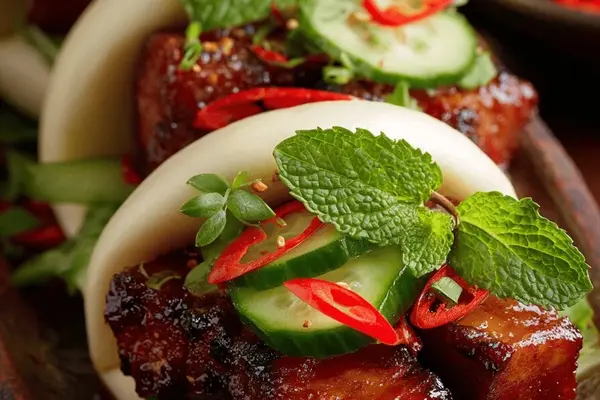
Belly Bao: Braised Pork Belly Buns

Chicken Naan Sandwich with Herb Roasted Potatoes
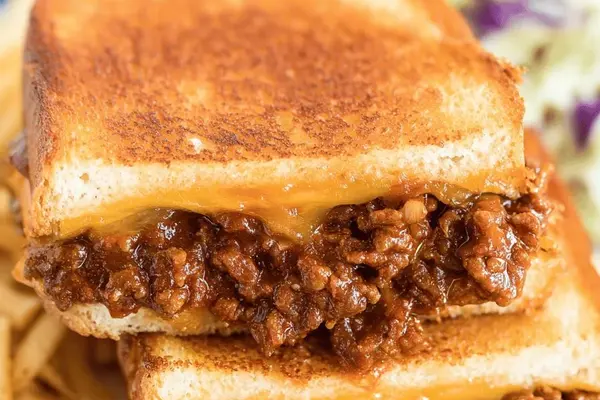
Grilled Cheese Sloppy Joe with Ground Beef

Sheet Pan Quesadillas with Black Beans
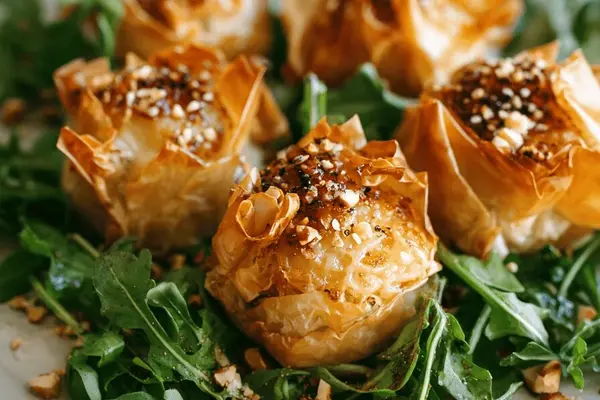
Crispy Phyllo Cheese Bundles with Apples
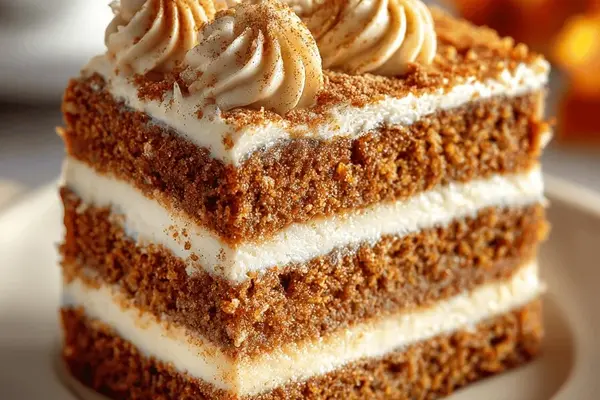
Maple Buttercream Cake with Cinnamon
Cucumber Feta Avocado Salad Recipe
Savory Mushroom Rice with Butter & Wine

Iced Sugar Cookie Recipe with Royal Icing
Pork Terrine with Blackcurrant Liqueur
Peanut Butter Cookies with Honey

Orange Marmalade Chicken with Cherry Tomatoes
Honey Jalapeño Cornbread with Butter
Jar Cookie Mix with Whole Wheat & Almond Meal
Brown Sugar Pecan Cake with Butter
Bacon Wrapped Scallops with Paprika
Oatmeal Breakfast Cups with Walnuts