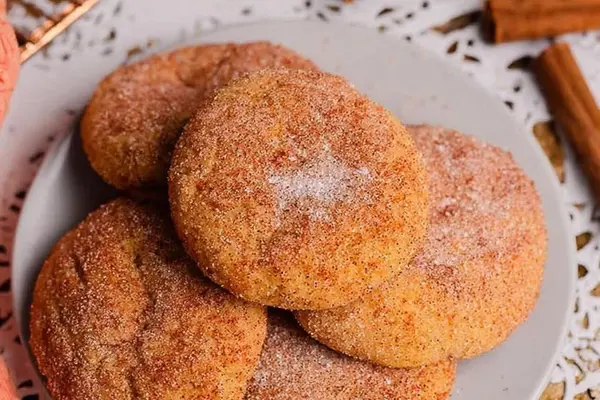
Pumpkin Snickerdoodle Recipe Cookies
E
By Emma
Certified Culinary Professional
•
Recipe tested & approved
Butter and sugar go in first — not fluffy, just combined. That’s the biggest mistake people make with these. They beat it to death and the cookies spread into hockey pucks instead of holding their shape like they should.
Why You’ll Love This Pumpkin Cookies Recipe
Takes 32 minutes total. Twenty to prep, twelve in the oven. The pumpkin keeps them soft in the middle even days later. Cinnamon and cardamom instead of the usual pumpkin pie spice — tastes like fall but different. Not a gimmick. Actually works. One bowl, one sheet pan. Cleanup is basically nothing. Works as a snack, dessert, lunchbox thing. Won’t crumble when you bite it like regular sugar cookies do. The cinnamon sugar coating gets a little crackly. Costs almost nothing extra. Makes them taste homemade in a way store cookies don’t.
What You Need for Pumpkin Snickerdoodle Cookies
Softened butter — a full cup. Cold butter won’t mix right and you’ll end up with gritty dough. Let it sit on the counter maybe thirty minutes.
Both sugars. Three-quarters cup granulated, half a cup packed brown. The brown sugar does something important here — makes the texture chewier. Don’t skip it.
Pumpkin puree. Half a cup. That’s the whole thing. If you use Greek yogurt instead, use a third cup — it’s tangier and changes how the dough feels. Either works. Yogurt makes them slightly airier.
One egg. Just one. Two makes them cake-y.
Vanilla, flour, cream of tartar. The cream of tartar is the secret that makes them snappy on the edges instead of cakey. Don’t substitute baking soda. Doesn’t work the same way.
Baking powder — three-quarters teaspoon, not the full teaspoon most recipes call for. Too much and they puff up weird and collapse.
Fine sea salt. One teaspoon. Kosher is too coarse. Table salt works if that’s all you have.
Cinnamon and cardamom. Cinnamon gives you the brown spice flavor you expect. Cardamom is the thing that makes people ask what’s different. It’s warm and a little citrusy. One teaspoon. If you hate cardamom, use pumpkin pie spice instead. Nobody will know.
For coating — granulated sugar and cinnamon mixed together. Quarter cup sugar, one teaspoon cinnamon.
How to Make Pumpkin Spice Cookies
Grab softened butter and both sugars. Whip them together with an electric mixer. You want it lighter in color but not fluffy — maybe three minutes total. Stop before it gets airy and pale. That’s where people mess up.
Stir in the pumpkin puree or yogurt. Then the egg and vanilla. Mix until it’s just combined. Don’t keep going. Overmix and the dough gets runny and spreads flat.
Sift your flour with the cream of tartar, baking powder, salt, cinnamon, and cardamom. Sifting matters here — it keeps the baking powder from making weird pockets. You’ll notice the difference.
Add the dry stuff in two batches. Gentle mixing. The dough should look dense and hold together but not sticky. If it’s too wet, throw in a tablespoon of flour. Not two. One.
Cover the bowl tight and shove it in the fridge for at least an hour and a half. This is not optional. Cold dough spreads slower and holds its shape. The flavors get better too — everything melds together.
How to Bake Pumpkin Cinnamon Cookies Right
Heat your oven to 350°F. Line a baking sheet with parchment or silicone. Don’t grease it. Greased sheets make them spread everywhere.
Make your coating. Sugar and cinnamon in a shallow bowl.
Scoop the dough. Use a tablespoon and a half per cookie. Roll each one loosely in the sugar mixture — all sides, but don’t pack it down. Loose coating, not pressed tight.
Space them two inches apart on the sheet. Use the flat bottom of a glass to gently press each one down. About half an inch thick. You can feel when it’s right. Press too hard and they come out dense and bitter.
After ten minutes, take a look. Not a full check — just a glance. You’re watching for puffed tops and slightly golden edges but soft centers still. Every oven runs different, so the time might be eleven minutes for you or thirteen. The edges go golden and then brown fast — watch it.
Pull them out, leave them on the sheet for two minutes. They’re fragile when hot. They’ll keep cooking a tiny bit from the residual heat.
Move them to a cooling rack with a spatula. Be gentle. They break apart when they’re still warm. As they cool they firm up and get that snappy exterior with a chewy middle.
Pumpkin Spice Cookie Tips and Common Mistakes
The dough gets gluey if you overmix. Once the flour is incorporated, stop. You’re done. Move on.
Don’t skip the chilling step. People always skip it. Cold dough spreads slower and holds its shape through the whole bake. Room temperature dough spreads into wafers.
Cream of tartar is not optional here. It’s what gives you that crackly exterior. Baking soda doesn’t do the same thing. Not worth trying.
If you use Greek yogurt, the dough will be slightly wetter. Thick it up with flour, a tablespoon at a time. The yogurt adds tang and moisture but also makes the texture a little more tender.
Cardamom is weird if you’ve never used it in sweet stuff. Start with three-quarters teaspoon if you’re nervous. You can always add more cardamom next time. Less change to dial back.
The sugar coating sticks better if the dough is slightly tacky. If it’s too dry it won’t hold. If you rolled your dough in the coating a day early and it dried out, re-roll it right before baking.
Pumpkin Snickerdoodle Recipe Cookies
Prep:
20 min
Cook:
12 min
Total:
32 min
Servings:
24 servings
Ingredients
- 1 cup (226g) unsalted butter softened
- 3⁄4 cup (150g) granulated sugar
- 1⁄2 cup (100g) light brown sugar packed
- 1⁄2 cup (120g) pumpkin puree or substitute 1⁄3 cup Greek yogurt for tangier
- 1 large egg
- 1 tsp vanilla extract
- 2 1⁄4 cups (280g) all-purpose flour sifted
- 1⁄2 tsp cream of tartar
- 3⁄4 tsp baking powder reduced from usual
- 1 tsp fine sea salt
- 1 1⁄2 tsp ground cinnamon
- 1 tsp ground cardamom replacing pumpkin pie spice
- For sugar coating: 1⁄4 cup granulated sugar
- 1 tsp cinnamon
Method
- 1 Whip softened butter with sugars until mixture is light in color but stop before overly fluffy — overbeating makes cookies spread too thin.
- 2 Stir in pumpkin or Greek yogurt for silkiness, then egg and vanilla until combined but don’t overmix or batter gets runny.
- 3 Sift together flour, cream of tartar, baking powder, salt, cinnamon, and cardamom for even distribution and lift.
- 4 Add dry ingredients in two batches to wet, mixing gently. Dough should look cohesive, dense but not sticky — if too wet, toss in tablespoon flour.
- 5 Cover bowl tightly and chill minimum 1.5 hours. Chilling firms butter helping cookies hold shape, encourages flavors to meld.
- 6 Preheat oven to 350°F (177°C). Prepare baking sheet lined with parchment or silicone mat — no greasing, cookies will spread otherwise.
- 7 Mix sugar and cinnamon for coating in small shallow bowl.
- 8 Scoop 1 1/2 tablespoons cookie dough and roll loosely in sugar mix, coating all sides but not compressed.
- 9 Place dough balls spaced minimum 2 inches apart on sheet. Use flat bottom glass to press down gently — aim for around 1/2 inch thickness. Pressed too hard? Cookies end up dense.
- 10 Listen for quiet crackle of edges starting to firm; skim a glance after 10 minutes. Look for puffed tops with slightly golden edges but centers still soft — oven times vary.
- 11 Remove from oven, leave on sheet 2 minutes to settle — cookies fragile when hot.
- 12 Transfer carefully using a spatula to wire rack to cool completely to set texture. Cookies firm as they cool but resist touching warm or they break apart.
- 13 Drop back if you tried variations — especially use of Greek yogurt or cardamom—that subtle changes bring a whole new cookie life.
Nutritional information
Calories
130
Protein
1g
Carbs
18g
Fat
6g
Frequently Asked Questions About Pumpkin Cookies
Can I make these ahead and freeze them? The dough freezes great. Scoop it, roll it in sugar, freeze on a tray, then throw frozen dough balls in the oven. Add maybe a minute to the bake time. Already-baked cookies freeze fine too but they’re better fresh.
What if my dough is too sticky? Toss in a tablespoon of flour. Mix it in. Check it. If it’s still sticky, another tablespoon. Don’t dump flour in all at once or you’ll overmix and they get tough.
Why are mine spreading too thin? You either didn’t chill the dough long enough, or you beat the butter and sugar too much. Those are the only two reasons. Chill longer next time. Mix less.
Can I substitute the cardamom? Yeah. Pumpkin pie spice works. Nutmeg works. Some people use allspice. It changes the flavor but not the texture. Cardamom is better though — not sure why exactly but it is.
How do I know when they’re done baking? Golden edges, puffed centers, centers still soft. Not when they look fully baked. They keep cooking on the sheet for two minutes after you pull them out. Bake them too long and the middle gets hard and they taste bitter.
Do these need to be coated in cinnamon sugar? No. You can skip it. They’re still good. But the coating is so easy and it makes a difference — you get that crackle and the texture gets crispy-chewy instead of just chewy.
You’ll Love These Too
Explore all →
Chicken Pie Noodles with Mushrooms
Apple Crumble Apples with Cinnamon
No Bake Blackberry Cheesecake with Greek Yogurt
Potato Casserole with Caramelized Onions
Veggie Naan Flatbreads with Lemon Basil Mayo

Melted Snowman Cookies with Marshmallows
Maple Cheesecake with Candied Bacon Recipe

Cherry Pineapple Fluff Recipe with Marshmallows
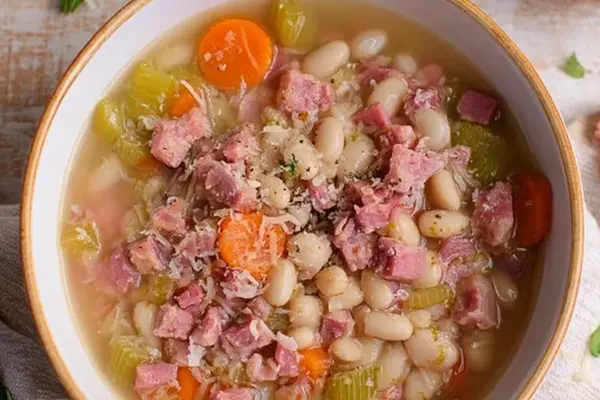
Ham and Bean Soup Recipe with Navy Beans
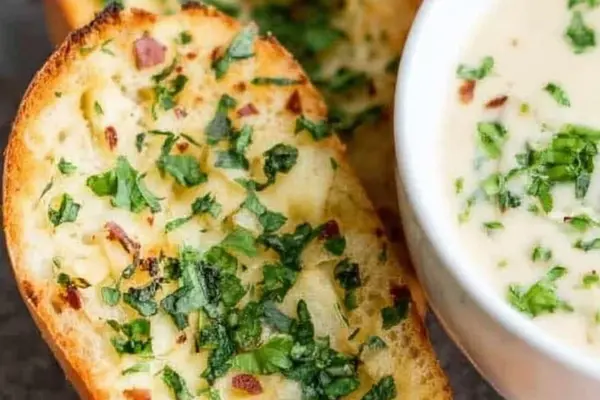
Chipotle Three Cheese Toast with Smoky Gouda
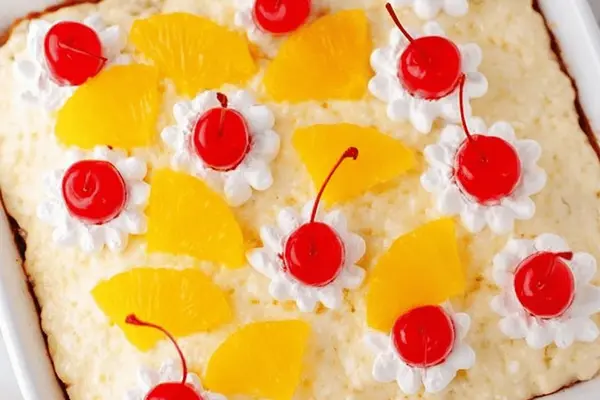
Cookie Recipe Cake Mix Orange Frosting

Crispy Tofu Sticks with Honey Mustard
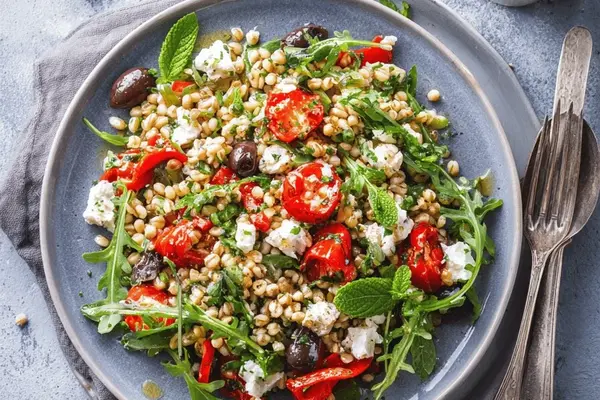
Barley Salad with Roasted Peppers and Feta

Chicken Tortilla Soup with Crispy Tortilla Strips

Cold Appetizer Ideas: Egg & Pancetta
Herbed Cheese Pull-Apart Bread Recipe
Crockpot Honey Teriyaki Chicken Recipe
Mediterranean Avocado Dip with Crispy Pita Chips
Slow Cooker Chocolate Brownies with Hazelnuts