Quick Cherry Sauce Twist
E
By Emma
Certified Culinary Professional
•
Recipe tested & approved
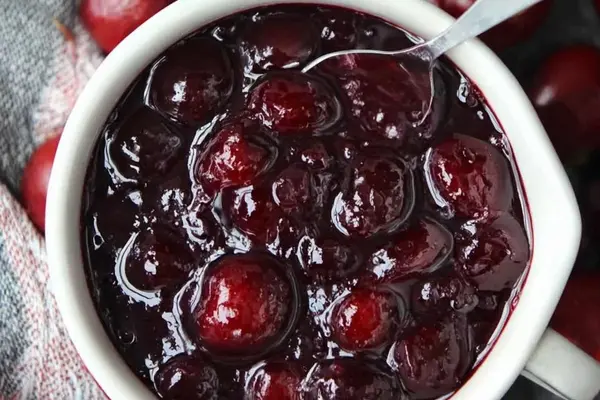
Simmer fresh cherries with sugar, lemon, salt, and cornstarch until thick and tacky. Time varies depending on cherry type and moisture. Adjust thickness with water or your choice of liqueur, stirred in at the end. Tupelo honey swapped for sugar adds a deeper note. Watch for bubbling intensity and sauce cling on the spoon—key doneness tests. Keep an eye; too thick is easy to fix but hard to reverse. Vibrant color shifts signal progress. Serve with ice cream or savory dishes for a bright contrast. Prep roughly 10 minutes, cook about 18, total around 28. Creates 5-6 servings.
Prep:
10 min
Cook:
18 min
Total:
28 min
Servings:
6 servings
#cherry
#sauce
#honey
#liqueur
#thickening
#desserts
#american cuisine
Before You Start
Cherry sauce, huh? Trickier than it looks. You throw fruit in a pot, think magic happens. Nope. Takes attention—hot enough to meld, but not scorch. Sugar, or in my case, tupelo honey, transforms the raw tartness to richness. Cornstarch? Crucial. Didn’t use it first try; ended up with watery mush. A few seconds too long and it’s glue, too short and it’s watery. Watch the thickening dance. The glossy sheen, that cling factor, my go-to signs. Add lemon for balance, salt to deepen flavor—don’t skip this, it’s subtle but lifts everything. Liqueur? Personal flair. Cherry brandy adds dimension without extra fuss. One batch I saved by thinning with brandy off heat—save that tip. Sounds simple but plays with your patience. Worth the wait, trust me.
Ingredients
- 4 cups pitted fresh cherries, halved
- 1 cup tupelo honey instead of sugar
- 2 teaspoons fresh lemon juice
- a pinch fine sea salt
- 1 tablespoon cornstarch
- water or cherry brandy for thinning
In The Same Category · Sauces and Condiments
Explore all →
Herb Garlic Salt Twist
Twist on Béchamel
Tangy Remoulade Sauce
Cauliflower Quick Pickles
Savory Corn Herb Oil
Maple Cream Sauce Twist
Lemon-Rosemary Salt
Tangy Sweet Pepper Sauce
Fresh Tomato Sauce Twist
Molasses Gingerbread Syrup
Grilled BBQ Tomato Sauce
Apple Cider Reduction
Twisted Chermoula Sauce
Rough Pecan Caramel Sauce
Parsley Vierge Sauce Remix
Easy Chili Spice Mix
Tropical Mignonette Twist
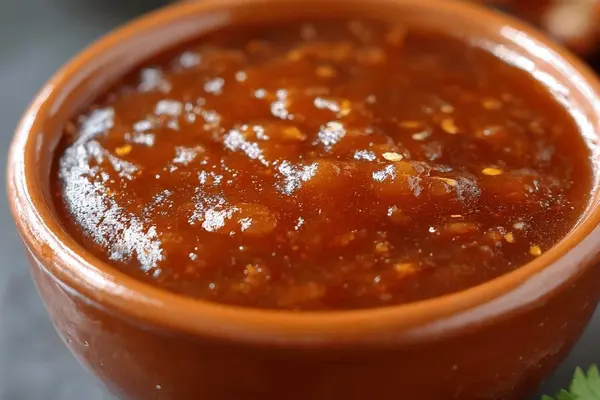
Smoky Tangy BBQ Sauce
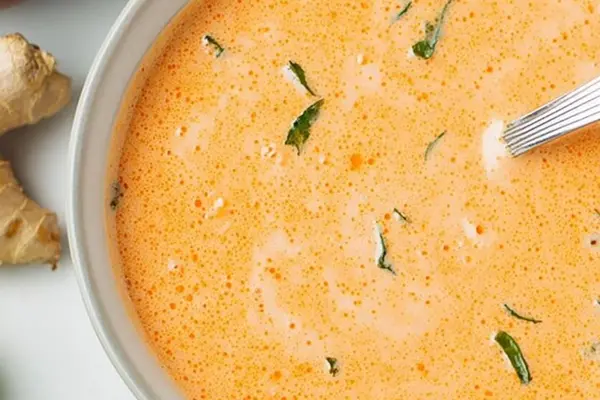
Coconut Curry Sauce Remix
Rustic Tomato Basil Sauce
About the ingredients
Swap regular sugar for tupelo honey or maple syrup for a deeper, nuanced sweetness that plays beautifully against cherry tartness. Lemon juice brightens and activates pectin, so don’t skimp. Salt is key: a pinch sharpens the overall flavor punch, especially useful when fruit is underripe. Cornstarch is your thickening agent, but beware lumps—mix it with a tiny splash of cold water before adding to avoid clumps. Water or cherry liqueur for adjusting thickness post-cook is a smart solution if the sauce goes too stiff; heating again risks breaking down texture. Frozen cherries can work but increase cook time and add more cornstarch since they release more moisture. Keep utensils and bowls ready to taste, adjust sweetness on the fly. Careful on measurements, cherries vary widely in water content and natural sugar levels.
Method
Heat and dissolve
- Dump cherries, honey, lemon juice, salt, and cornstarch in a heavy-bottom pot. Medium heat, steady bubble, not a boil. Stir gently but persistently; start hearing a faint pop-pop. Honey needs time to melt into a syrupy bath. Usually 5 minutes, but sensory checks are king here.
Watch and judge
- Simmer and stir, the sauce thickening slowly. Cherry type changes everything—some need a full 17 minutes, others just 8. Look for the sauce to cling to the spoon, not slide right off. Sticky, glossy, and slightly elastic. The surface tightens, ripples slow. Smell deepens, that tart cherry aroma punches the air. Color deepens from bright red to a darker ruby.
Finish and fix
- Take off heat when thick enough. If it stiffens too much—had that once—add a few teaspoons of water or cherry brandy, stir vigorously to loosen. Never add liquid on the heat, wait until off stove to avoid splitting.
Final stir-in
- If liqueur is on deck, fold it in now. Brandy, Kirsch, or even Chambord. Adds warmth and a little kick. Skips artificial flavoring, trust the real thing.
Serve & reflect
- Cool slightly to thicken more. Use on pancakes, ice cream, roast pork—don’t limit yourself. Got extra? Toss some in yogurt or oatmeal. Let me know your trials in comments or ratings. Every batch is a little different; embrace it.
Cooking tips
Always start by heating ingredients together slowly to allow honey or sugar to dissolve completely—rushed heating leaves gritty sugar or stuck honey. Medium heat essential here to avoid burning fruit while giving enough time for cornstarch to activate and thicken. Stirring often prevents scorching on the bottom and helps you keep tabs on bubbling changes. The sauce thickens gradually, use sight and feel rather than a stopwatch. When it starts to pull away from the pan sides and sticks to your stirring spoon like a thick glaze, it’s ready. If the sauce overshoots and gets stiff while resting, thin gently off heat with water or a little liqueur. Don’t add liquid while still hot or you risk a broken sauce. Let cool to finish setting before serving; the sauce thickens more as it cools. Practice recognizing these stages by sight, texture, and aroma for the best results.
Chef's notes
- 💡 Heat ingredients gently, low to medium. Honey needs melting, not burning. Stir often or cornstarch lumps will form; dissolve cornstarch first in cold water. Watch for faint popping sounds like pop-pop. That’s your cue for progressing melt and thickening, not boiling. Timing changes with cherry moisture and ripeness. Sauce’s cling to spoon means thickness close; relies more on feel than a timer here.
- 💡 Taste throughout cooking. Cherries vary wildly; some tart, some sweet. If sauce looks too thin near end, simmer longer but beware glue stage. Too thick? Add water or cherry brandy only off heat; heat risks splitting sauce. Color changes tell you loads: bright red to deep ruby signals caramelizing sugars and concentrated flavor. Air aroma sharpens, smells more tart but also deeper. Salt is subtle but key, careful no overdo.
- 💡 Frozen cherries need longer cook and more cornstarch; they release water as they thaw and melt down. Fresh cherries can be quicker but have inconsistent water content. Use a heavy-bottom pot; prevents scorching below. Stir continuously once cornstarch added, keep heat moderate. Lumps mean uneven thickening. Slow and steady wins here. Prepare all ingredients before you start. A liquid to loosen sauce—water or liqueur—should be ready after removing from heat.
- 💡 Add lemon juice early on; activates pectin for thickening. Don’t skip salt—a pinch brings depth. If sauce stiffens during rest, thin carefully off stove, no heat. Liqueurs boost warmth, a splash of brandy or kirsch finishes with aromatic kick. Add these at end folding gently, not cooking off. Skip artificial flavors. Final sauce works well on ice cream or pork roast, but don’t limit yourself; pancakes, yogurt, oatmeal too.
- 💡 Watch bubbling intensity; steady bubble, not rolling boil. Surface ripple slows as thickening progresses. Smell intensifies. Texture should be sticky, elastic to the touch on spoon, not runny or totally stiff. Too thick? Add teaspoon of liquid off heat, stir vigorously. Honey versus sugar changes taste depth; tupelo honey is more complex. Rushing melting or stirring can ruin texture. Practice recognizing thickening stages by feel and sight. Timing very approximate.
Common questions
How to know sauce is thick enough?
Look for sauce clinging to spoon, shiny and elastic. Surface ripples slow, smells tart deeper. Not sliding off fast, not stiff like glue. Timing varies with cherry moisture, heat. Don’t rely on clock only.
Can I substitute sugar with honey?
Yes but honey melts slower, needs gentle heating to dissolve fully. Gives richer flavor. Use tupelo or similar for best results. Sugar faster but risk gritty if not fully dissolved. Both work but texture differs slightly.
What if sauce is too thick?
Thin off heat only. Add small amounts of water or cherry brandy. Stir vigorously to loosen. Heating liquid addition risks breaking sauce. Fixing too thick after set is tricky, so better manage gradual thickening while cooking.
How to store leftover sauce?
Refrigerate in airtight container, lasts several days. Can freeze but texture may change slightly. Reheat gently, stir in liquid if thickened too much. No need to add sugar before storing. Use within a week for best freshness.
You’ll Love These Too
Explore all →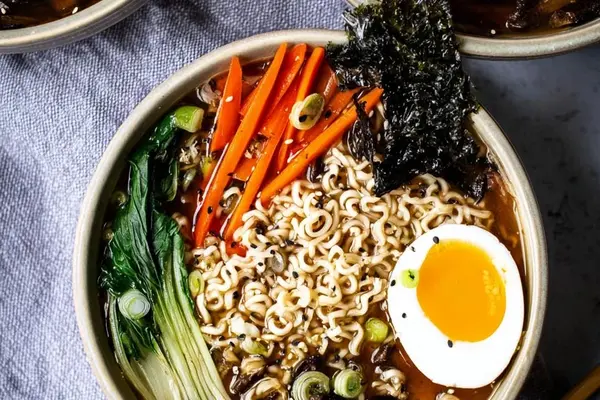
Quick Veggie Ramen

Double Chocolate Éclairs
Grilled Sirloin Roast
Warm Melty Chocolate Tart
Sunflower Veggie Pâté
Roasted Beet Salad Remix
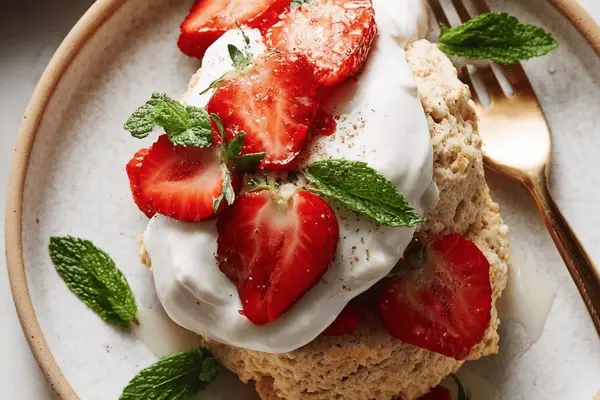
Vegan Strawberry Shortcakes
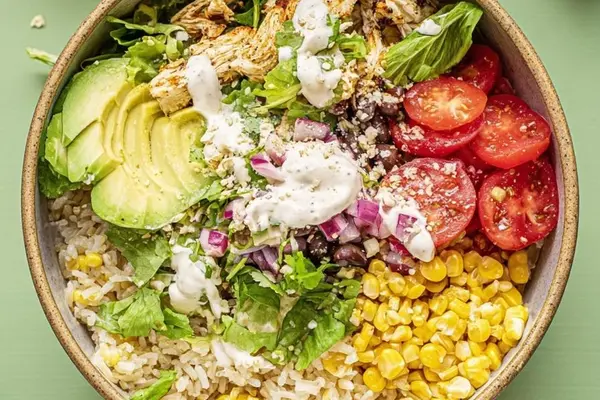
Instant Pot Chicken Burrito Bowl
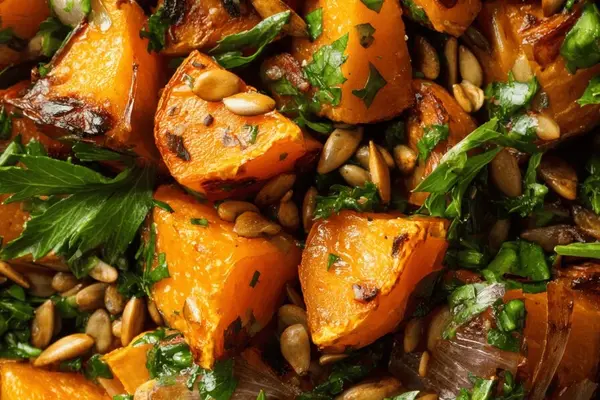
Roasted Pumpkin with Coriander Twist
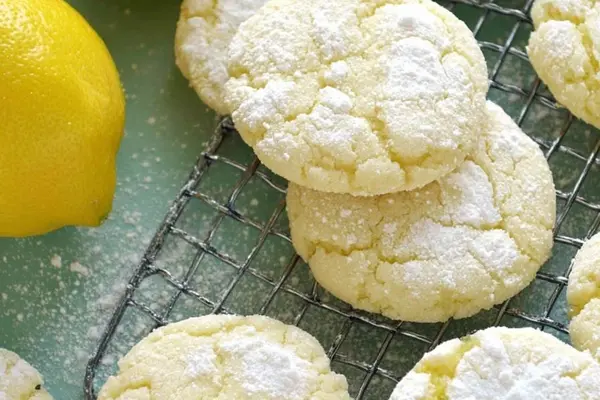
Zesty Lemon Crinkle Cookies
Honey Jalapeño Cornbread Twist
Peanut Butter Crinkle Cookies
Almond Pound Cake Twist
Twisted Classic Meatloaf
Quick Whipped Cream Remix
Chunky Chicken Salad Pitas
Vanilla Cream French Toast Sticks
Five Banana Bran Bread
Zesty Ginger Shrimp
Indian-Spiced Mayo Twist