Quick Cinnamon Rolls Remix
E
By Emma
Certified Culinary Professional
•
Recipe tested & approved
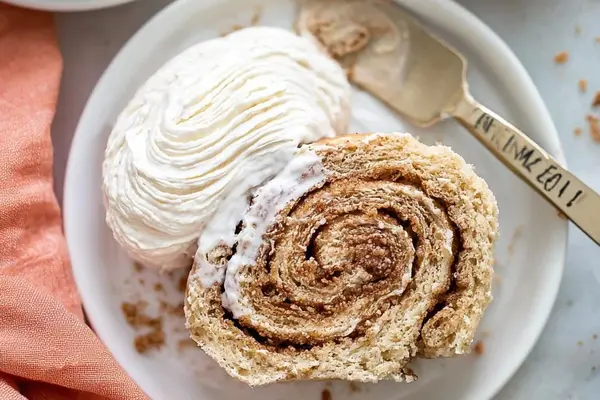
A faster spin on cinnamon rolls using almond flour pancake mix and oat milk. The dough kneads into a tactile ball, soft but not sticky, perfect for rolling out. Butter and a spiced brown sugar mix spread thick, then rolled tight. Cut with floss for clean edges, no mess. Bakes golden with a faint crackle from sugar caramelizing. Cool to set before frosting with a tangy cream cheese spread—optional but worth it. Keeps morning chaos low but aroma high. Adjust flour or milk if dough feels moody. Ideal for a weekend treat without fuss, blending nutty and sweet with simple pantry swaps.
Prep:
12 min
Cook:
18 min
Total:
30 min
Servings:
9 rolls
#quick baking
#gluten free
#sweet rolls
#almond flour
#cinnamon
#easy desserts
Before You Start
Forget the yeast drama and rising wait. Pancake mix as base dough is a cheat—done in under half an hour, yet with surprise fluffiness. I’ve wrestled with raw sticky messes before, so keep flour near, but don’t overwork or you’ll get dense texture. Oat milk adds a subtle sweetness and dairy-free twist, changing the mouthfeel from traditional, making these approachable. Butter spread thick, sugar/cinnamon mix generously scattered—not skimping here is crucial. Rolling tight ensures no dry edges or sugar leakage. Cutting with floss? Game changer. Clean edges, no squished mess. Baking time varies but look for golden domes and sweet crackling sounds. Cooling sets texture. Cream cheese frosting optional but I swear it elevates every bite. Rusty but reliable—a new staple with pantry stables remix.
Ingredients
- 1 cup Simple Mills almond flour pancake mix
- 3/4 cup oat milk (or any plant milk)
- 3 tbsp softened butter
- 1/3 cup brown sugar
- 2 tsp ground cinnamon
- String or dental floss for clean cutting
- Cream cheese frosting (optional): 1/2 cup cream cheese softened, 2 tbsp powdered sugar, 1 tsp vanilla extract
In The Same Category · Breakfast
Explore all →
Belgian Waffles Redo
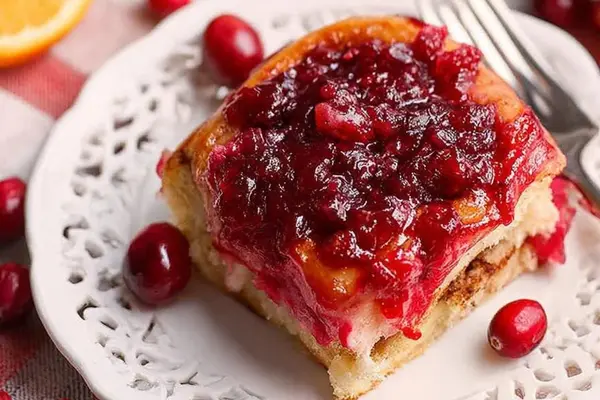
Cranberry-Orange Sticky Buns
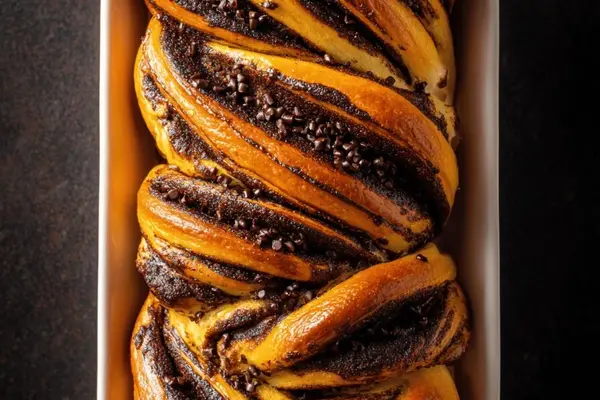
Chocolate Swirl Babka
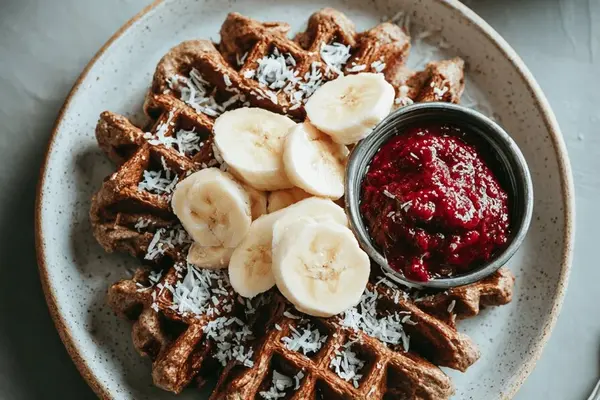
Oat Almond Waffles Twist
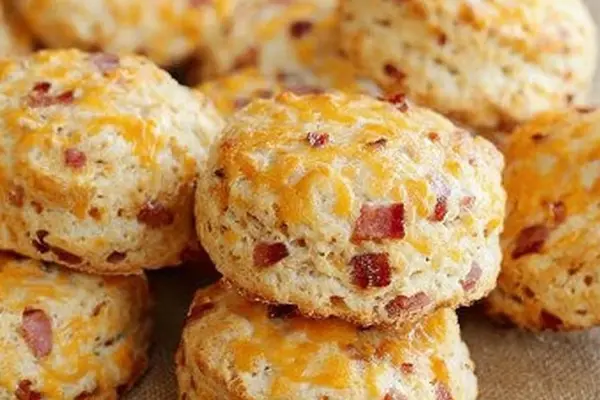
Ham Cheddar Biscuits
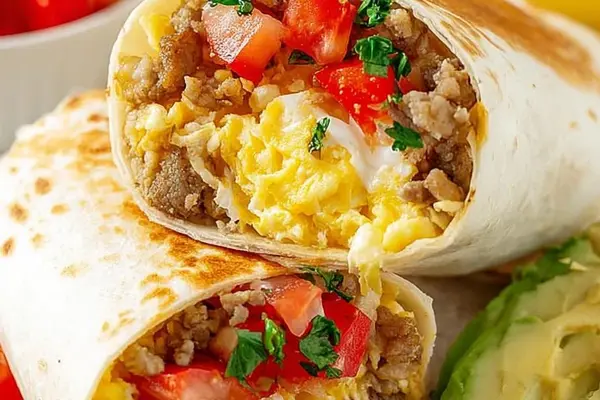
Chunky Breakfast Burritos
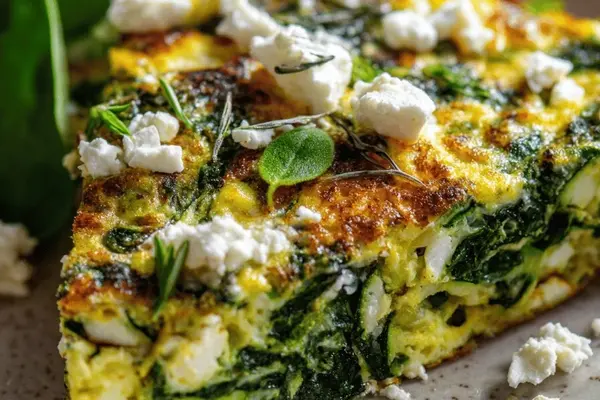
Spinach Zucchini Frittata
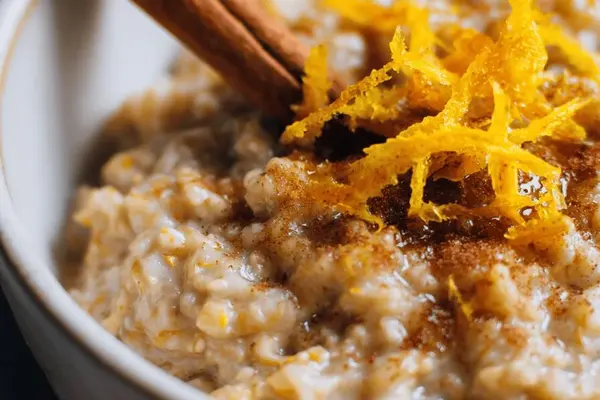
Irish Steel-Cut Oats Twist
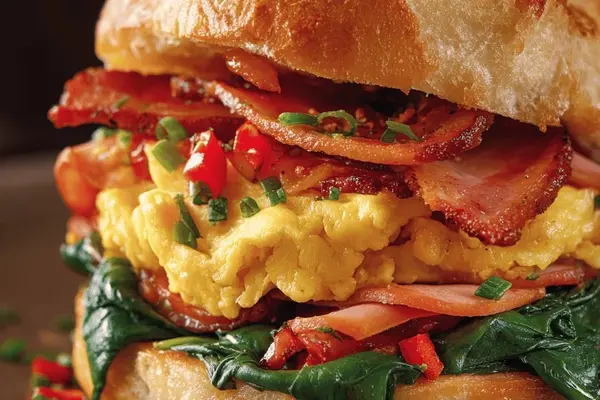
Curry Omelette Breakfast Sandwiches
Sunny Eggs Skillet
Ham Swiss Brunch Bake
Carrot Cake Muffins Twist
Salted Caramel Bacon Monkey Bread
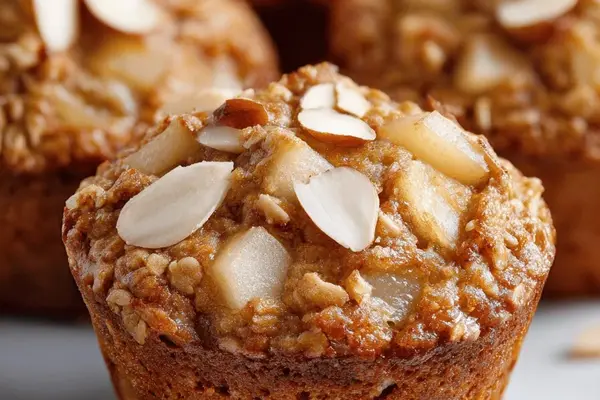
Pear Almond Muffins
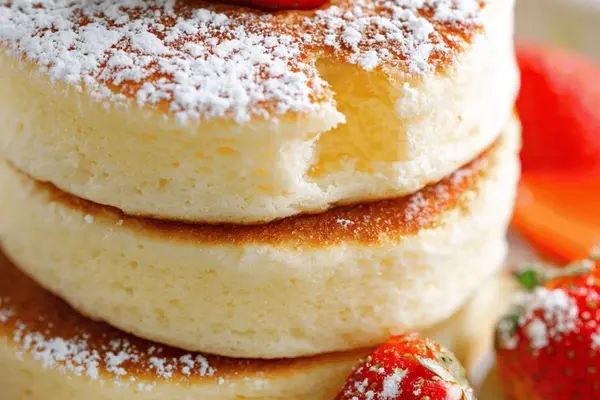
Fluffy Japanese Pancakes reimagined
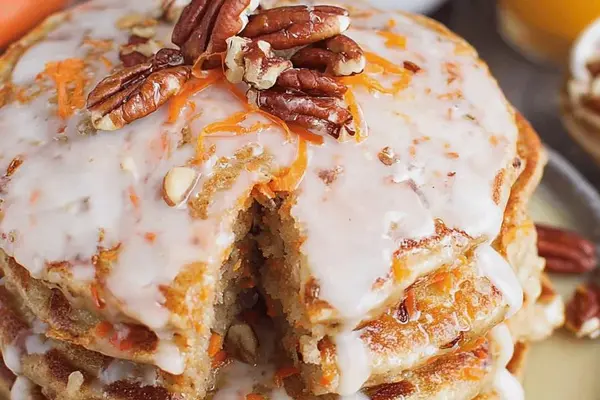
Carrot Cake Pancakes Remix
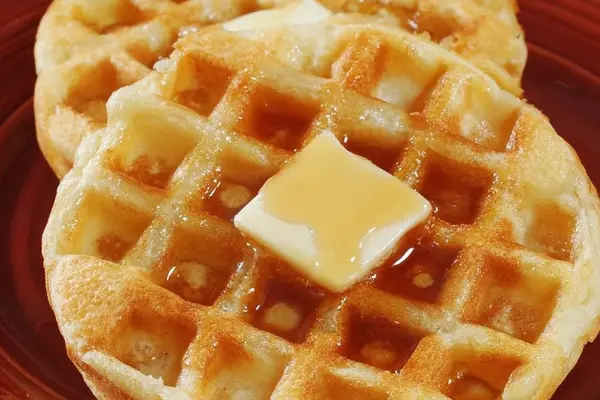
Light Crispy Waffles
Gluten Free Crepes
Dry Pancake Mix
Flaky Cinnamon Layered Scones
About the ingredients
Almond flour pancake mix plays double duty replacing yeast dough. If you only have regular flour, add baking powder and a pinch of baking soda to mimic leavening. Oat milk works well for mild sweetness, but almond or soy milk can sub in—adjust quantity based on thickness. Brown sugar and cinnamon combo classic, but try coconut sugar or maple sugar for deeper notes. Butter must be softened to spread easily; cold butter shreds dough. Floss for cutting avoids flattening rolls; if missing, use sharp serrated knife and a sawing motion carefully. Cream cheese frosting optional; powdered sugar swap with honey or agave for alternate sweetness. Non-stick spray or butter greases pan, keeps the bottoms from burning. Flour surface generously to counter sticky dough; too little and you’ll wrestle dough, too much and crumbly rolls. Keep hands floured but not overloaded. The dough springs back when elastic enough but too firm means over-kneaded.
Method
- Preheat oven 340-355 degrees F—aim for 350 but ovens fluctuate. Listen for the quiet buzz settling, a hint your oven’s ready.
- Pour pancake mix into a bowl. Slowly mix in oat milk—a 3/4 cup starting point. Dough’s going to look shaggy but don’t panic. Feel the stickiness; too wet add a sprinkle of almond flour. Too dry, splash a little more milk. Knead gently on a floured surface. Use heel of hand, press down and stretch away, incorporate the dough to a homogenous ball. It should spring back if poked but not cling to fingers.
- Press the dough into a long rectangle, roughly 9x12 inches. Not obsessively perfect, imperfections add charm. Spread butter thick; this is your richness layer. Then sprinkle cinnamon and brown sugar mix liberally across, use fingers—don’t scrape, spread with love.
- Roll carefully but firm. A tight roll is your friend; loose rolls spill sugar during baking and get dry edges. Grab some unwaxed floss and slide it under the log, cross over itself, pull tight to slice clean pieces without squashing. Should yield around 8-9 rolls. Don’t panic if one’s misshapen, rustic wins here.
- Coat your baking dish with non-stick spray or butter. Place rolls spaced but close enough to touch when risen. Oven time, 13-17 minutes. Watch for a golden dome. Slight crackle on top means the sugar is caramelizing, smells warm, toasty cinnamon filling the air. Don’t overbake or rolls dry out hard; softness matters.
- Remove and let cool without skirts or napkins. Twenty minutes minimum. The butter and sugar settle; cutting too soon just a sticky mess. Meanwhile, if frosting, whip cream cheese, powdered sugar, and vanilla till fluffy. Spread after cooling. Optional but gives a slight tang to the candy sweetness.
- Serve warm, not hot. Texture is tender with just a slight chew. Keep leftovers wrapped; best day two reheated gently or cold for contrast.
Cooking tips
Preheat ovens differ; test temperature with a kitchen thermometer if you can. Mix pancake mix and oat milk slowly to control consistency; shaggy dough is normal, but add flour if sticky. Knead just enough to bind; too much breaks down almond flour’s lightness into heaviness. When rolling, don’t rush, the rectangle doesn’t need to be perfect; texture varies with thickness and shapes. Butter spread thick locks in moisture; cinnamon sugar must be evenly but generously distributed to avoid bland spots. Rolling tight keeps cinnamon sugar from oozing, prevents chewy dry edges. Floss cutting keeps rolls neat—no messy squashing. Baking cues are golden color and slight crackle on top from sugar caramelizing. The smell of warm cinnamon and sugar is the oven whispering ‘almost done’—trust your nose. Cooling is key; hot cinnamon rolls are fragile, collapse or excessively gooey. Frost once cooled for clean spread. Reheat gently or eat cold the next day; flavors evolve. Wrap leftovers airtight, firmness will soften with time. Avoid overbaking; dryness ruins these otherwise soft gems.
Chef's notes
- 💡 Use almond flour pancake mix for quick dough. Avoid overkneading or firmness kills lightness. Dough should spring back but not stick. Adjust oat milk carefully; add small amounts. Sticky? Flour surface more but don’t overdo or crumbly rolls. Butter must soften fully for easy spread. Cold butter shreds dough instantly. Cinnamon sugar spread thick but even; gaps cause bland bites. Roll tight; loose means sugar leaks and dry edges. Floss slicing keeps rolls neat, clean edges without squashing. If no floss, serrated knife with gentle sawing helps but messier. Bake between 340 and 355 F, closer to 350 if unsure; oven quirks vary. Listen for sugar crackle, watch for golden dome not dark edges. Cooling sets texture; don’t cut hot or sticky mess happens.
- 💡 Mix oat milk slowly into pancake mix. Dough looks shaggy, not smooth, normal here. If too wet, add flour bit by bit. Dry? Splash oat milk gently. Knead on floured surface; use heel of hand, press and stretch away, avoid rough handling. Rectangle 9x12in-ish no perfect shape needed; irregular adds character. Butterfly fingers spread butter thick then sprinkle cinnamon sugar generously, don’t scrape butter away. Rolling tight seals sugar inside; loose rolls dry out edges or spill sugar mid-bake. Floss cut slices slide under log, cross and pull tight, clean slices avoid flattening rolls. Pan greased well with butter or spray, rolls spaced but close enough to touch once risen. Bake 13-17 minutes, listen for soft crackle, smell warm cinnamon. Watch closely to avoid dryness. Cooling minimum 20 minutes prevents collapse or gooey mess before frosting. Frosting whipped to fluffy texture; apply after cooling only.
- 💡 Floss cutting beats knife hands down but add alternatives if missing. Use dental floss unwaxed, wrap under dough log, cross and pull slow yet firm. Serrated knife works but saw gently to avoid squishing rolls and spilling sugar. Parchment paper or greased dish saves cleanup. Brown sugar plus cinnamon is classic but coconut sugar or maple sugar add deeper notes, experiment if you want different flavor layers. Butter spread thick locks moisture inside. If dough feels moody (too wet sticky or too dry crumbly), adjust flour or milk in teaspoon increments. Oat milk adds mild sweetness, almond or soy milk also options. Change milk quantity if using thicker or thinner substitutes. Wrap leftovers airtight; texture softens but flavors meld. Reheat gently or eat cold - shifts chew and taste profile.
- 💡 Temperature matters a lot. Oven heat range 340 to 355 F because ovens differ. Oven thermometer helps adjust; baking time varies with size and shape of rolls. Golden tops with slight crackle signal caramelizing sugar and done. If too pale or no crackle, bake longer few minutes watching closely. Dark edges mean overbaked and dryness, kill softness quickly. Cooling crucial; hot rolls collapse or sticky sugar ruins shape. Let sit minimum 20 mins. Frost cream cheese after cooling only to prevent melting. Frosting ingredients whipped to fluffy consistency, powdered sugar can swap honey or agave for sweetness change. Dough elasticity key; springs back when poked means enough kneading. Too firm stiff is overworked. Flour or wetness adjustments can rescue texture issues mid-prep.
- 💡 Butter, sugar, cinnamon ratio important. Butter softened not melted for spread control. Spread thick even layer, sugar sprinkle heavy but doesn’t clump. Roll tight but don’t squash; tightness keeps cinnamon sugar inside, prevents dry edges. Floss cut for clean slices, less mess, no squashing. If missing floss, serrated knife works careful slow sawing. Baking cues visual and sensory: golden tops, crackle, warm cinnamon scent filling kitchen. Cooling time is patience reward; skipping cool step means sticky mess or collapsed rolls. Frost cream cheese spread optional; adds tang and balances sweetness. Wrap leftovers airtight, texture changes next day softens but flavors intensify. Reheat low heat or cold eat for contrast in chew and flavor.
Common questions
Can I use regular flour instead of almond flour mix?
Yes; add baking powder pinch baking soda to mimic leavening. Texture changes denser. Adjust milk as needed. Expect different chew and flavor. Knead gently for lightness lost in wheat flour. Watch dough moisture closely. Pancake mix shortcut skipped.
Floss cutting missing, what else to slice rolls?
Serrated knife alternative works slow careful sawing. Avoid pressing down too hard or squashing rolls. Knife can cause messy edges or sugar spilling. Floss maintains shape better but not always available. Try clean, sharp blade and smooth sawing motion.
Dough too sticky how to fix?
Add almond flour bit by bit. Don’t dump flour all at once or crumbly result. Sticky dough normal early but excess stickiness makes handling tough. Flour surface generously but not overloaded hands. Knead until dough springs back when poked but still soft. Adjust liquids slowly, small splashes of milk if too dry.
How to store leftover rolls best?
Wrap airtight to avoid drying. Refrigerate extends life few days but hardens butter layer, soften before serving. Reheat gently in microwave or low oven to revive softness. Cold rolls edible and give texture contrast. Freeze uncut logs wrapped well, thaw before cutting and warming.
You’ll Love These Too
Explore all →
Layered Pumpkin Spice Pie
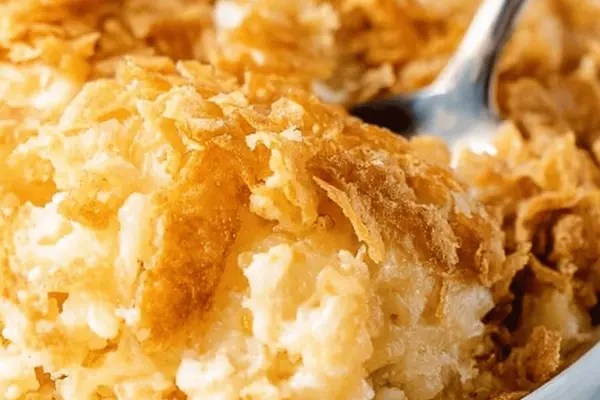
Crunchy Chicken Potato Bake
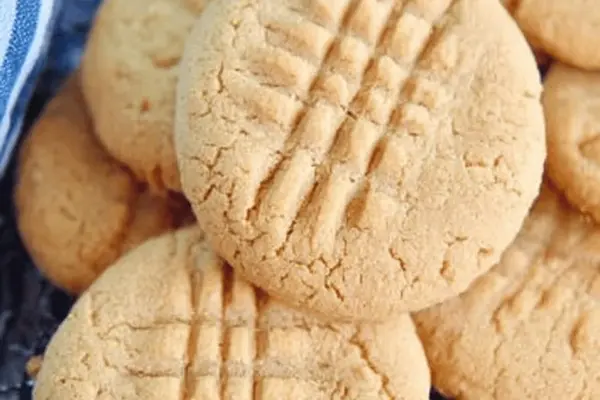
Soft Peanut Butter Cookies
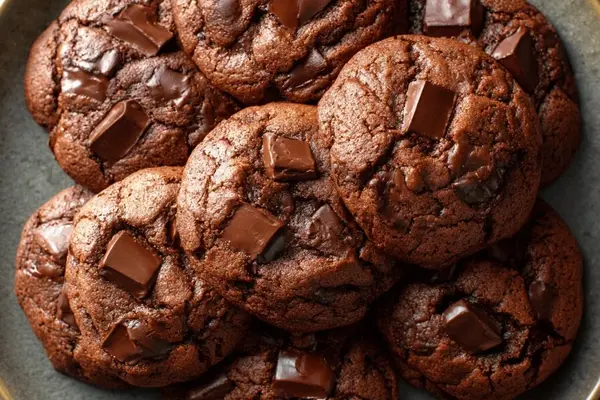
Frozen Chocolate Chip Cookies
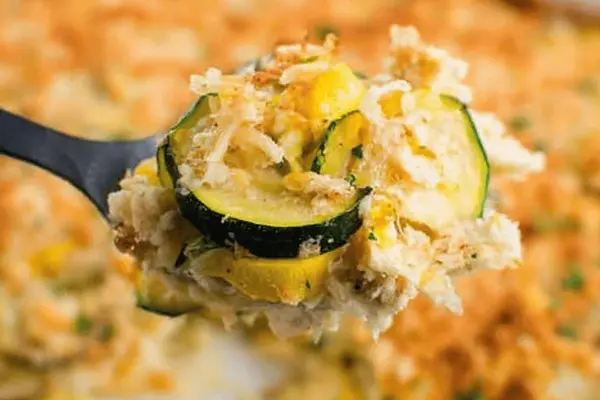
Cheesy Zucchini Bake
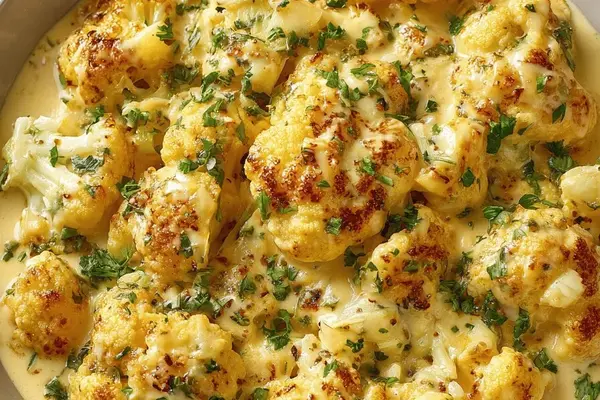
Cauliflower Mornay Sauce
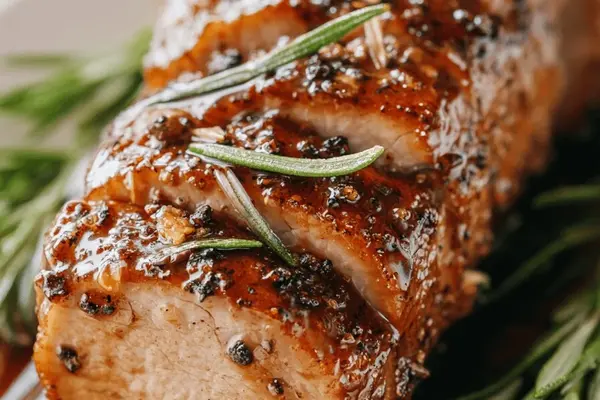
Sous Vide Maple Pork Roast
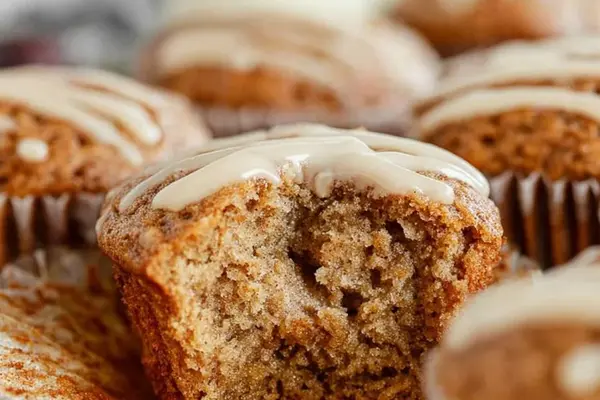
Prune Applesauce Muffins
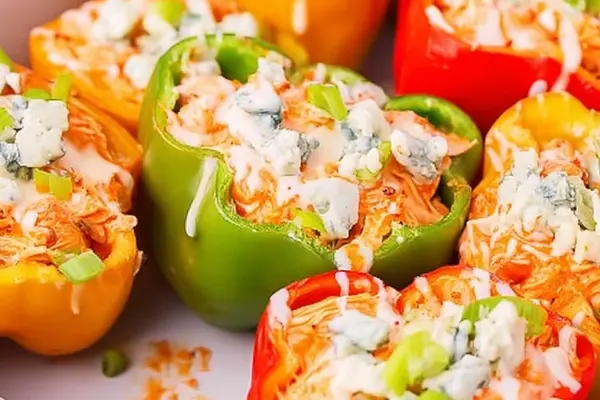
Buffalo Chicken Stuffed Peppers
Tangy Cran Blueberry BBQ
Tangy Hawaiian Macaroni Salad

Maple Rosemary Twist

Salmon Gravlax Canapés
Spiced Apple Filling

Apple Ginger Bitter Spritz
Twisted Fruity Sundae Brunch
Za'atar Chickpeas Poached Eggs
Dark Chocolate Sea Salt Tart
Dry Pancake Mix
Hansel Gretel Cake House