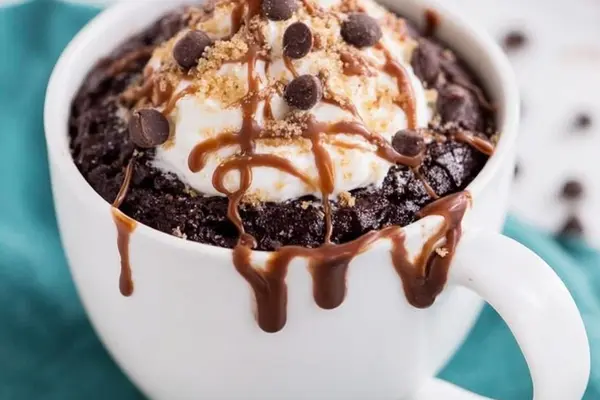
Mugcake Recipe: Chocolate in Minutes
E
By Emma
Certified Culinary Professional
•
Recipe tested & approved
Flour, sugar, cocoa, milk. That’s four minutes from craving to eating chocolate straight from the mug. No oven. No waiting. Just microwave and spoon.
Why You’ll Love This Chocolate Mug Cake
Five minutes to dessert. Literally. Not “five minutes if you prep everything beforehand”—five actual minutes from your kitchen to your mouth. No baking skills needed. Mix and microwave. That’s the whole thing. One mug means one dish. Cleanup isn’t complicated. Tastes like actual chocolate cake. Rich. Fudgy in the middle. Not like some weird protein sludge. It’s good. Works when you’re alone and don’t want to bake a full cake for nothing. Make it at midnight. Make it for one person. Works.
What You Need for a Chocolate Mug Cake
Flour. About a third of a cup. All-purpose works. Whole wheat doesn’t. Sugar. Same amount, roughly. White sugar. Brown works too but changes the taste slightly. Cocoa powder. Unsweetened. Three tablespoons. The actual cocoa flavor comes from here, so don’t skimp. Salt. Just a pinch. Makes the chocolate taste darker than it is. Milk. A bit less than a quarter cup. Almond or oat milk works fine. Changes texture slightly but fine. Coconut milk gets weird. Coconut oil. Three tablespoons, cut into tiny cubes before you add it. Butter works instead but the texture’s different—less fluffy, more dense. Cube it first or it won’t mix right. Vanilla. A quarter teaspoon. Not much. You’re not tasting vanilla cake. Toppings are optional. Nuts if you want crunch. Peanut butter if you want salt. Whipped cream if you’re not eating alone.
How to Make a Chocolate Mug Cake
Grab a big coffee mug. Has to be big—the batter rises and you don’t want it in your microwave. Dump in the flour, sugar, cocoa, and salt. Mix hard. You’ll see powder clumps. Don’t fight it. That’s normal. The wet ingredients dissolve them. Pour in the milk. Drop in the coconut oil cubes—this matters, don’t melt it first. Add vanilla. Stir until most of the dry powder is gone. It’s okay if it’s lumpy. Actually better if it is. Microwave on high. Twenty-five seconds. Then pull it out and stir. The coconut oil should be mostly melted now. The batter gets thicker. You’ll smell it. Back in the microwave. Seventy-five seconds this time. Watch through the window. The batter rises. Doesn’t spill, but close. It’s almost like it’s alive.
How to Get Your Chocolate Mug Cake Fudgy in the Middle
This is the part where timing matters. Take a toothpick or your finger—seriously, your finger works fine—and touch the center. If it sticks, needs more time. If it’s gooey, ten to fifteen more seconds. Maybe twenty if you like it really wet. Don’t overthink it. If you cook it too long it hardens into a brownie, which is fine, but not fudgy anymore. Let it sit for one minute after the microwave stops. Don’t eat it yet. This is when it sets up. The structure firms. It actually becomes cake instead of hot soup. Add toppings while it’s warm. The heat makes them stick. Peanut butter melts into it. Nuts stay crunchy. It’s better this way. Eat straight from the mug with a spoon. Scrape the edges. The mug keeps it warm while you eat.
Chocolate Mug Cake Tips and Common Mistakes
Oil clumps mean you didn’t cube it small enough or you added it before stirring the wet and dry. Next time cut smaller or stir longer. If it comes out too wet, your milk measurement was too much. Or your microwave runs cold. Add less milk next time. Or cook an extra ten seconds. Brownie texture instead of cake? You cooked it too long. Start at sixty seconds the second round instead of seventy-five. Milk swaps work fine. Oat milk, almond milk, regular milk, coconut milk sort of. Dairy or non-dairy doesn’t change the core thing—it just cooks. Coconut oil is better than butter for texture but butter works in a pinch. Melt it first if you use butter. Let it cool slightly. Then add it. Can you make two at once? Sure. Two mugs, same timing. They cook at slightly different rates but close enough. The mug matters a tiny bit. A narrow tall mug means it rises more. A wide shallow mug spreads out. Either works. Just needs to be microwave safe and bigger than you think.
Mugcake Recipe: Chocolate in Minutes
Prep:
5 min
Cook:
3 min
Total:
8 min
Servings:
1 serving
Ingredients
- 0.32 cup flour
- 0.31 cup sugar
- 3 tablespoons unsweetened cocoa powder
- pinch salt
- 0.22 cup milk
- 3 tablespoons coconut oil, cut in small cubes
- 1/4 teaspoon vanilla extract
- Optional toppings: chopped nuts, peanut butter, whipped cream
Method
- 1 Combine flour, sugar, cocoa powder and salt in a large coffee mug. Mix vigorously to blend but expect some powdery clumps—that’s okay. Dry mix first, trust me.
- 2 Add milk, cubed coconut oil and vanilla extract. Cubes melt more evenly with microwaving, avoid clumps of oil floating. Stir until most dry spots gone but batter a bit lumpy — butter remnants show richness.
- 3 Microwave on high for 25 seconds. Remove. Stir thoroughly — coconut oil should be glossy melted now, batter thickening. Smell chocolate warming.
- 4 Heat again for about 1 minute 15 seconds. Watch batter rise but not spill over. Check center with toothpick or finger — if gooey or sticky, nudge extra 10–15 seconds intervals. Don’t overcook or brownie hardens.
- 5 Let sit a minute out microwave — fudgy texture firms up here. Add toppings while warm — nuts crackle, peanut butter melts. Eat straight out of mug. Use spoon to scrape corners; no crumbs left behind.
- 6 If no coconut oil, use unsalted butter but melt and cube beforehand. Milk can switch to almond or oat; hydration and fat affect chewiness.
- 7 If too wet after cooking, batter may be overly wet from liquid. Add small spoon flour mix next time or shorten cook intervals.
Nutritional information
Calories
350
Protein
4g
Carbs
42g
Fat
18g
Frequently Asked Questions About Chocolate Mug Cake Recipe
Can I make chocolate mug cake without coconut oil? Use butter instead. Melt it slightly, let it cool a second, then add it. The texture gets a bit denser but it’s still cake. Vegetable oil works too—just pour it in liquid.
How long does a chocolate brownie in a mug take to cook? Total time is eight minutes. Five minutes prep, three minutes in the microwave. The actual cooking happens in one minute fifteen seconds once you count the first twenty-five second stir.
Why is my chocolate cake in the mug too wet? Too much milk or not enough cook time. Cut the milk by a tablespoon next time. Or add ten more seconds to the second microwave round. Start small—you can always add time.
Can I use regular cocoa powder or does it have to be unsweetened? Has to be unsweetened. Sweetened cocoa has sugar already mixed in and it’ll be too sweet and weird. The chocolate flavor also gets buried.
Does a chocolate mug cake recipe work with whole wheat flour? Not really. It comes out dense and grainy. All-purpose is the move. If that’s all you have, add a pinch more milk to compensate.
What’s the best topping for chocolate mug cake? Depends. Peanut butter if you want salty. Whipped cream if you’re being fancy. Chopped nuts if you want texture. Nothing if you just want pure chocolate. All work.
Can I add stuff to the batter like chocolate chips? Yeah. Chips don’t melt much in three minutes so they stay chunky. Same with nuts mixed in. Just don’t overstuff or the batter won’t cook through.
You’ll Love These Too
Explore all →
Herbed Spicy Olive Dip with Fresh Garlic
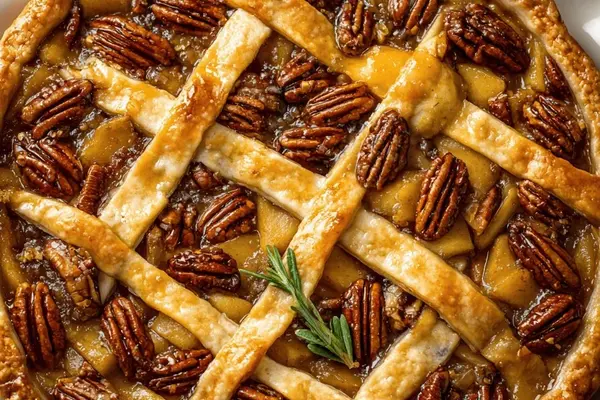
Apple Tart with Pecans and Dried Apricots
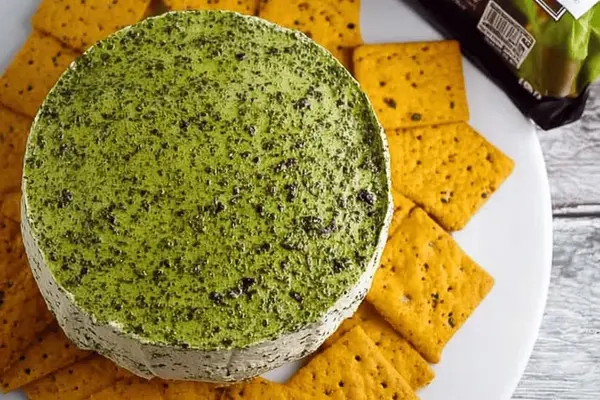
Pesto Dip with Ricotta and Sun-Dried Tomatoes
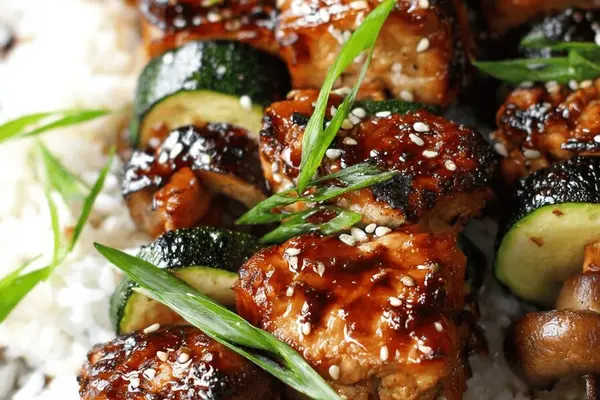
Chicken Skewers with Hoisin Glaze Recipe
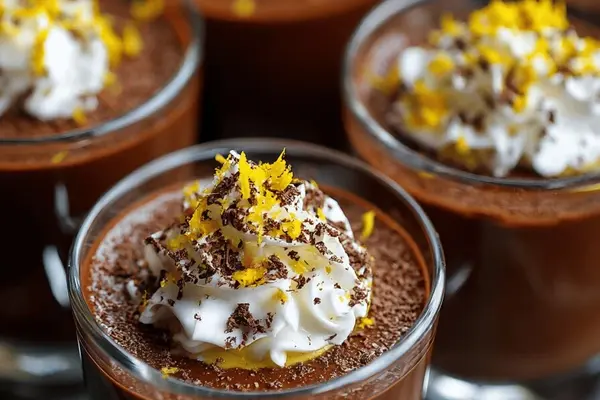
Orange Mousse with Dark Chocolate
Pan-Seared Salmon with Mushrooms & Orange

Braised Italian Sausages Red Wine Recipe
Caesar Salad with Bacon and Butter Croutons

Meat and Broccoli Meatballs with Panko
Fig Jams with Onion & Apple Cider Vinegar
Pear Almond Muffins with Cinnamon

Citrus Fluff Delight with Mandarin & Pineapple
Coffee Cream Pudding with Cold Brew

Broccoli Cheddar Potato Skins with Sour Cream
Lemon Souffle Pancakes with Blueberry Syrup
Dark Chocolate Sea Salt Tart Recipe

Mini Chicken Pot Pies with Cheddar Biscuits
Chocolate Chip Cookie Bars with Oreos
Crunchy Veggie Salad with Ginger Lime