Quick Whipped Cream Remix
E
By Emma
Certified Culinary Professional
•
Recipe tested & approved
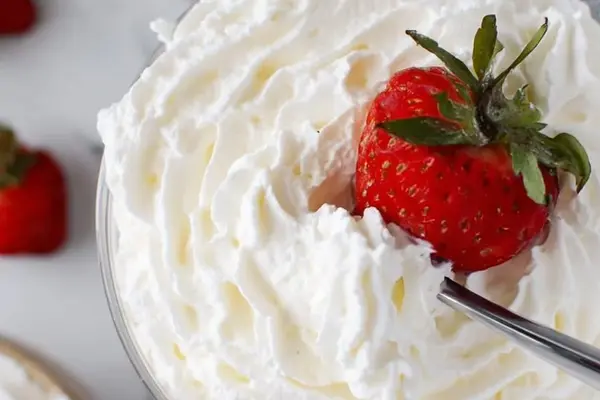
Chasing that fluffy cloud of whipped cream but with a twist. Chill everything—bowl, whisk—cold is key. I swap sugar with honey for a subtle depth and toss in cornstarch instead of skimmed milk powder, prevents weeping later. Whisk till stiff peaks, watch closely; texture speaks volumes. Hand whisking works, but expect a marathon. Store max 48 hours, revive with a quick re-whip. Tricks learned from kitchen battles; chilling speeds aeration, overheating kills the fluff. Honey adds flavor layers, less cloying than plain sugar. No rushing; see the cream thicken, hear the tiny splashes from whisking, smell that faint dairy sweetness. No em dashes clutter—clean, sharp punctuation keep it speedy.
Prep:
3 min
Cook:
0 min
Total:
3 min
Servings:
12 servings
#whipped cream
#dessert topping
#kitchen tips
#hand whisking
#ingredient swaps
Before You Start
Whipped cream, that fluffy cloud, not as fragile as it seems but close. Cold metal bowl and cold whisk make the difference between meh and magic. Tried sugar substitutes before—honey sticks but adds flavor depth. Cornstarch instead of skimmed milk powder keeps it from water-balling out after sitting a while. Whisking by hand? Prepare for arm workout, but learning the texture helps you reach the stiff peak zone confidently. Timing’s rough guide; watch the cream, feel the resistance as whisk moves. Smell changes subtly, sweet dairy turning fluffier. Serve fresh or fridge it 2 days max. Re-whisk to revive—some told me it’s dead after, but no—life returns with a good rev up. Watch for signs of over-beating—that’s butter’s birthplace. Experience counts. This is no quick pour; it’s a textured journey.
Ingredients
- 2 cups heavy whipping cream chilled
- 3 tablespoons honey (sub for sugar)
- 1 teaspoon vanilla extract
- 1 tablespoon cornstarch (sub for skimmed milk powder)
In The Same Category · Desserts
Explore all →
Chunky Peanut Butter Cups
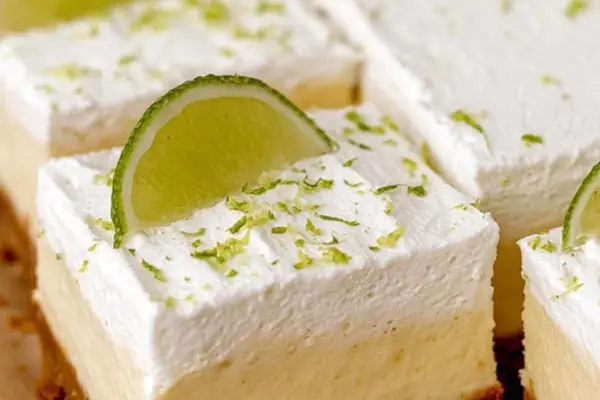
Tart Key Lime Bars
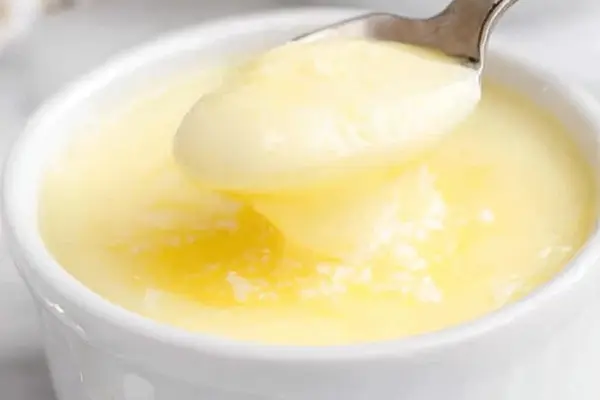
Velvety Custard Twist
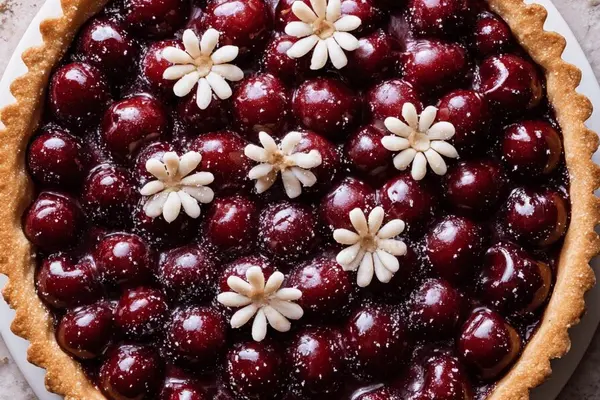
Cherry Pie with Yogurt Crust
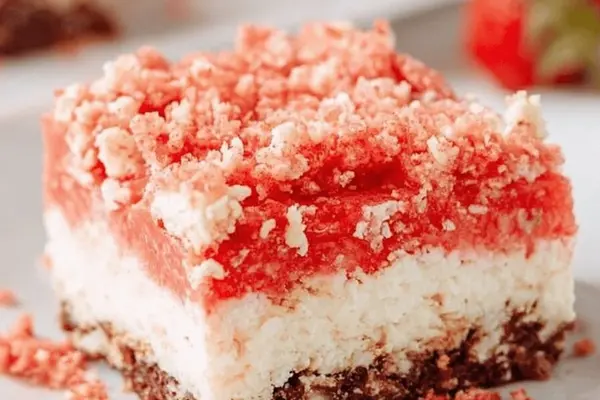
Strawberry Gelatin Brownies
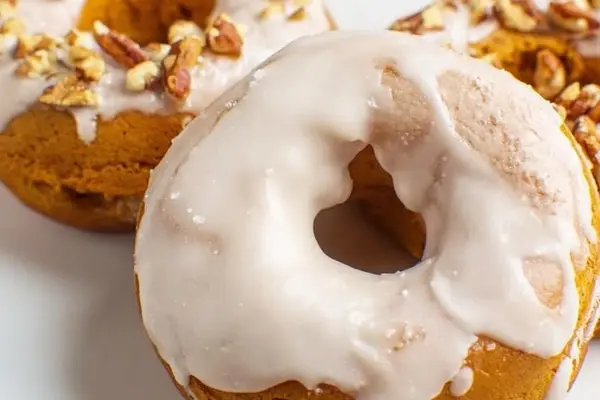
Baked Spiced Pumpkin Donuts
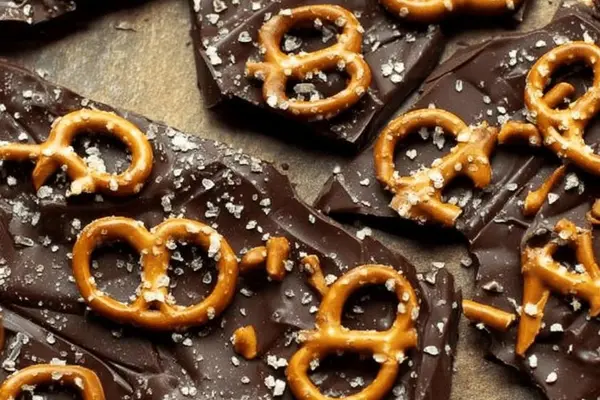
Salted Dark Chocolate Pretzel Bark
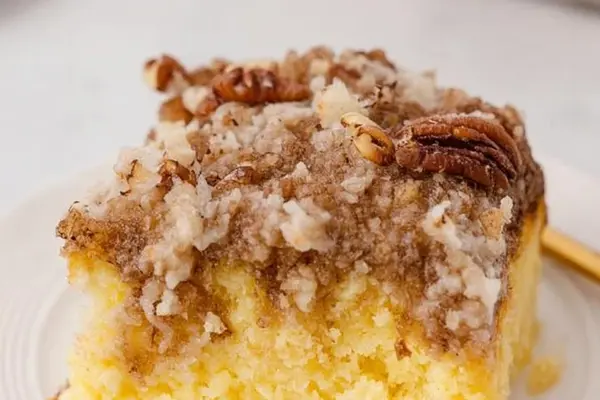
Pineapple Tornado Cake
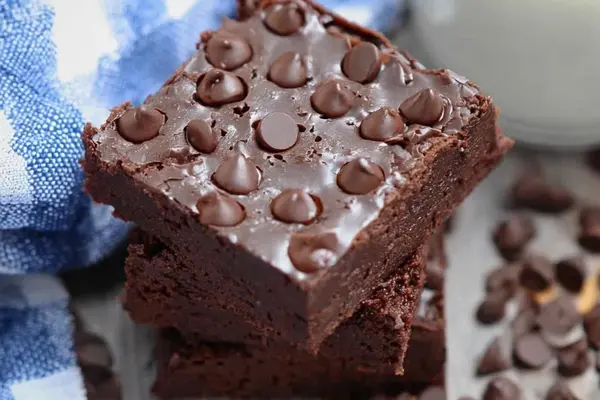
Flourless Black Bean Brownies

Zesty Lemon Royal Icing
Peanut Butter Bars Remix
Dark Chocolate Chip Muffins
Salted Caramel Blondies
Maple Slow Cooker Pudding
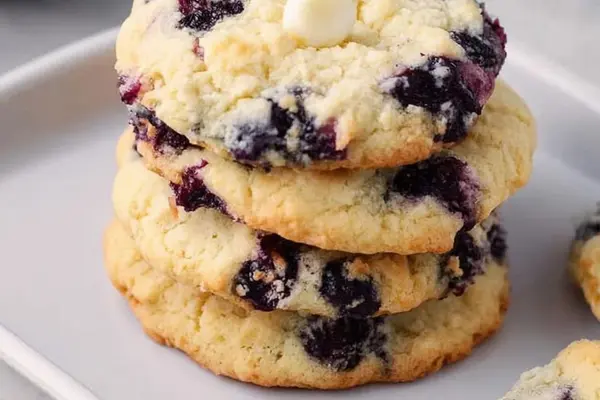
Blueberry Cheesecake Cookies
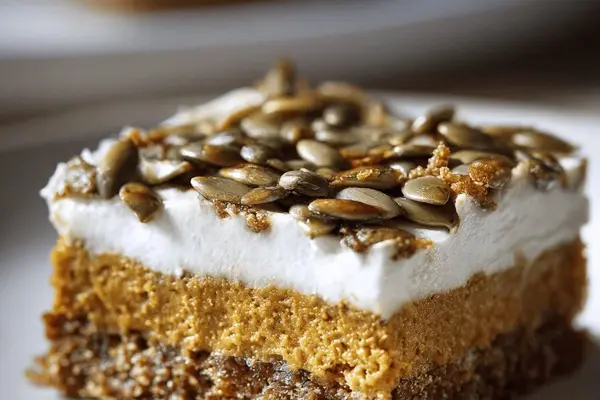
Spiced Pumpkin Squares
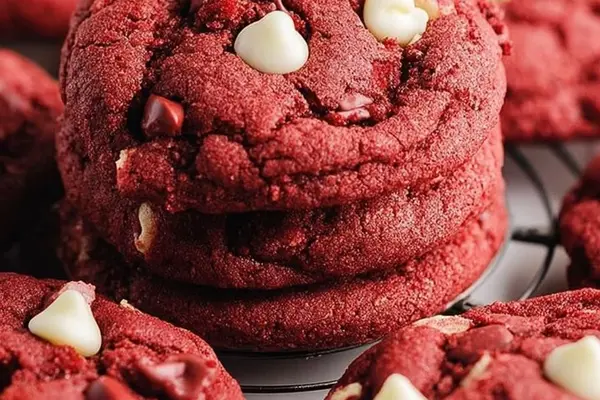
Velvety Red Cookies
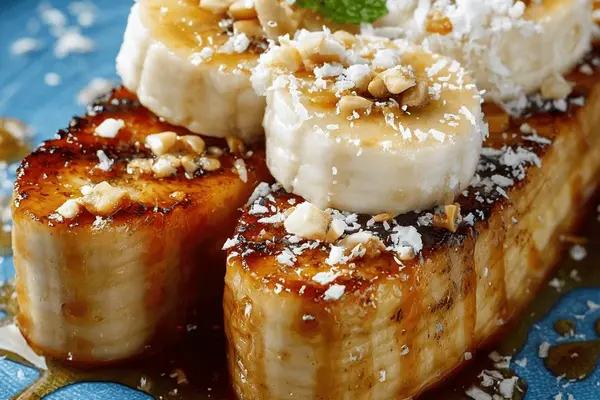
Caramelized Banana Foil
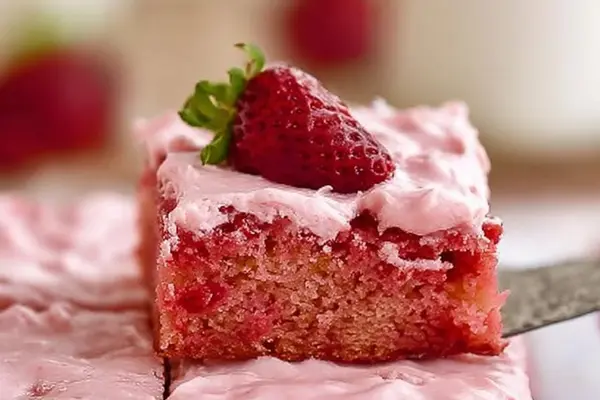
Strawberry Sheet Cake Remix

Blueberry Bread Pudding Maple Sauce
About the ingredients
Heavy cream must be cold. Ideally fresh, not ultra-pasteurized, or fluff yields less air. Honey instead of sugar brings complexity but may slightly affect peak stiffness—balance with cornstarch to hold thickness. Cornstarch acts like skimmed milk powder’s cousin here; stops pooling liquid when sitting. Vanilla adds aroma—adjust to taste but add mid-whip to blend better. If no cornstarch, sift all sugar substitute to avoid grainy clumps. Chill metal bowl and whisk tightly in freezer for 1 hour or longer; warm utensils kill volume. If using hand whisk, pick a sturdy balloon whisk; messy but effective. Avoid plastic bowls—they trap warmth. When hammering peaks, pause often to check texture; overshoot and you get grainy butter. Store whipped cream in sealed container, no exposure to fridge smells. For cream that won’t hold, check expiration—older cream declines whip quality.
Method
- Chill metal bowl and whisk in freezer 1 hour minimum. Cold everything traps air better. Skip this, you fight against warm cream.
- Pour cream into chilled bowl. Add honey and cornstarch. Honey’s weight means sift cornstarch to avoid lumps before tossing in.
- Whisk vigorously. Electric mixer speeds up; no mixer, expect 6 minutes or more. Watch surface—the cream will thicken, edges lifting, soft peaks first, then stiff.
- Vanilla extract added halfway—helps incorporate and boosts aroma early, watch for overmixing now. Too long and you get butter.
- Peak test: lift whisk straight up; if stiff like icy mountains, done. If droopy, keep going carefully.
- Serve right away or refrigerate up to 2 days. Will soften but can resurrect with a brief whisk.
- Troubleshoot lumps? Warm cream, too much sugar substitute, or whisk too slow. Chill more, whisk faster, or start over with fresh cream.
Cooking tips
Start cold. Whisking warms cream—time factor is a guideline, trust your eyes. Early on, cream will look glossy then turn matte, signals volume increase. Whisk fast in figure-eight motion for even aeration. Best to add vanilla midway to avoid deflating. Peak test by lifting whisk—droopy means soft peaks, stiff means done. Don’t stop too early or it collapses quickly, too late and butter lurks. If lumps or curdled spots appear, that’s overwhipped—salvage by whipping a bit fresh cream and folding in. Cool workspace, chill utensils, no drafts to keep temp stable. After whipping, avoid stirring too much or it breaks down. Serve immediate for fluffiest texture or keep chilled max 2 days sealed. Re-whisk cold whipped cream to revive fluffiness before serving again. Hand whisking requires wrist endurance, but better control. Electric mixers—watch speed to avoid splatter. Learn rhythm—whisking is tactile dialogue with cream.
Chef's notes
- 💡 Chill bowl and whisk at least 1 hour; cold metal traps air, helps fluff. Warm utensils kill volume fast. No plastic bowls; traps warmth, thumbs down. Whisking heats cream so pace yourself; short bursts better than marathon sessions. Watch cream change; glossy turns matte signals volume rise. Listen to whisk—tiny splashes fade as cream thickens.
- 💡 Honey swaps sugar but adds weight; sift cornstarch first to avoid lumps. Cornstarch fights weeping; think skimmed milk powder’s cousin. Vanilla midway folds in aroma without deflating; add too early and edges soften prematurely. Peak test always by lifting whisk; soft peaks droopy, stiff peaks hold sharp mountain shapes. No shortcuts here.
- 💡 Hand whisking? Build wrist endurance. Balloon whisk best; messy but effective. Electric mixer faster but watch splatter; speed control crucial. Pause often to check texture; overshoot and tiny lumps become grainy butter parts. Stirring breaks fluff; avoid unless saving curdled batch by folding fresh cream in partial mix.
- 💡 If lumps or curdling show, likely overwhipped or warm cream. Fix by folding some fresh chilled cream. Cream freshness matters; ultra-pasteurized means less whip time or lower volume. Always start cold from fridge. Room temp cream surrenders air; no exceptions. Storage sealed container keeps fridge smells out, but max 48 hours or softening inevitable.
- 💡 Peaks can collapse quickly if you stop too soon. Give extra seconds to stiffen; tricky balance. Overwhip – grainy, butter edges first; rescue possible but fragile. Chill more, whisk faster on restart. Honey’s flavor layers less cloying than sugar; cornstarch balances stiffness tradeoff. Watch aroma subtle shift, sweet dairy scent ups anticipation.
Common questions
Why chill bowl and whisk?
Metal cold traps air easy. Warm utensils kill whipped volume fast. Plastic bad keeps warmth. Chill at least hour; no shortcuts. Saves hours of work flipping flop cream.
Can I use sugar instead of honey?
Yeah but honey adds flavor layers. Sugar makes stiffer peaks usually. Cornstarch helps either way. Sift dry ingredients always to avoid lumps. Honey heavier; adjust whipping pace.
What if cream curdles or lumps?
Warm cream or overwhip usually. Fix fold fresh cold cream into curdled mix. If too overbeat, might turn butter eventually. Chill utensils, whisk faster, restart part batch if needed. Avoid rushing.
How to store whipped cream?
Sealed container keeps fridge smells out but real talk it goes soft after 2 days. Re-whisk cold whipped cream to revive some fluff. No stirring after storing; breaks texture. Fresh best. Room temp no go.
You’ll Love These Too
Explore all →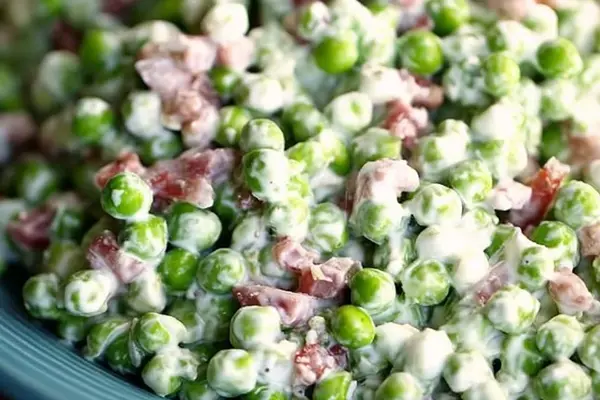
Tangy Pea Salad
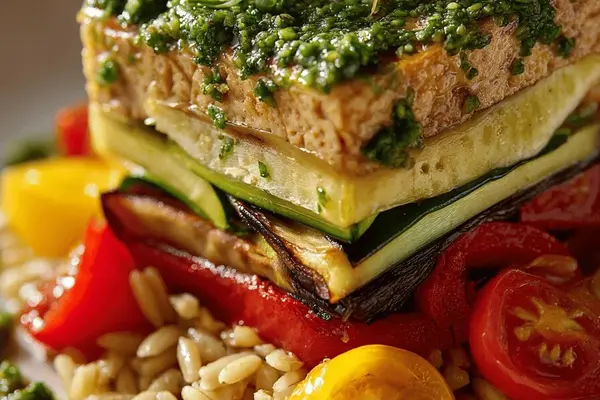
Grilled Tofu Orzo Stack
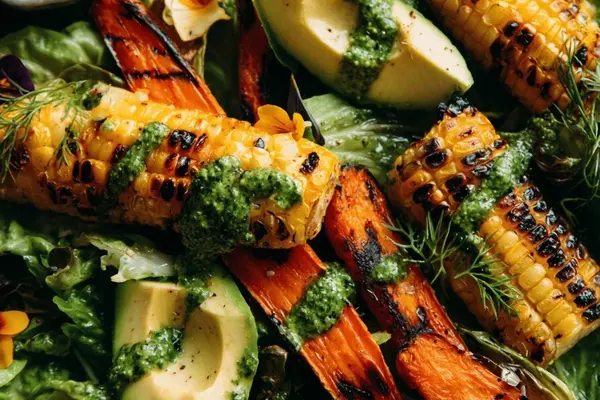
Grilled Veg Chimichurri Salad
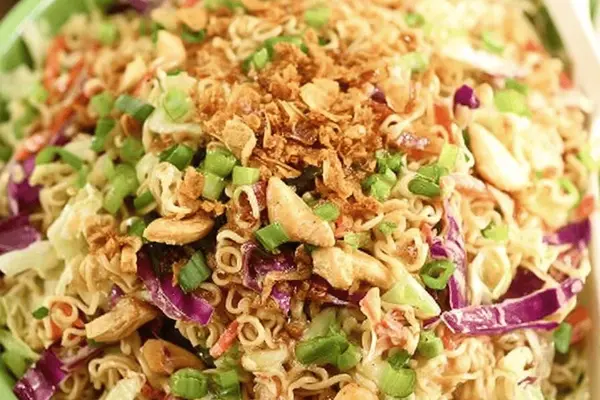
Toasted Crunchy Asian Slaw
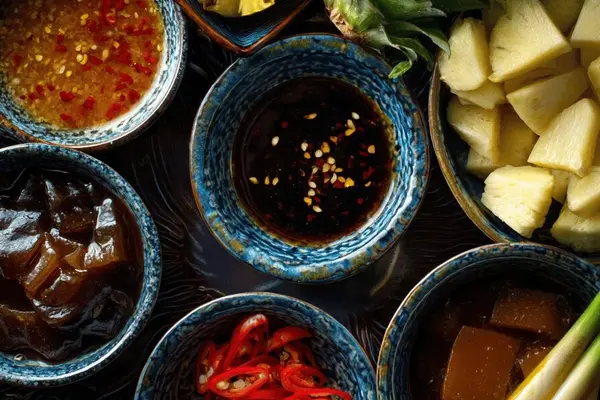
Vietnamese Fondue Sauces Remix

Neapolitan Pine Nut Pizzas
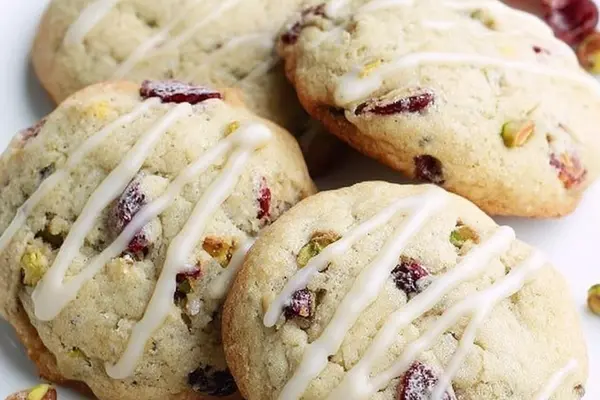
Cranberry Pistachio Cookies
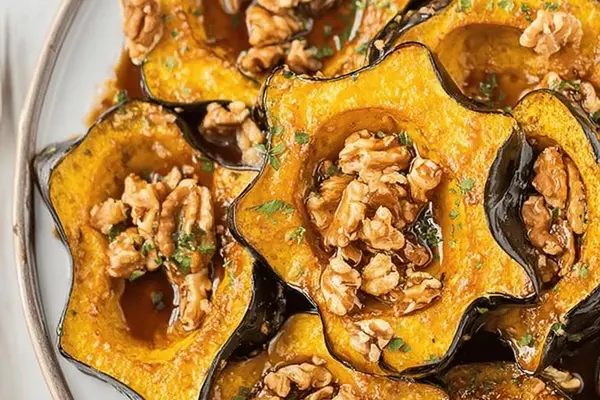
Spiced Roasted Acorn Squash
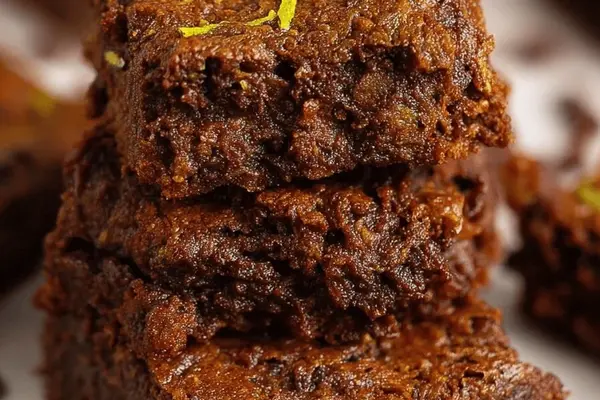
Zucchini Cocoa Brownies
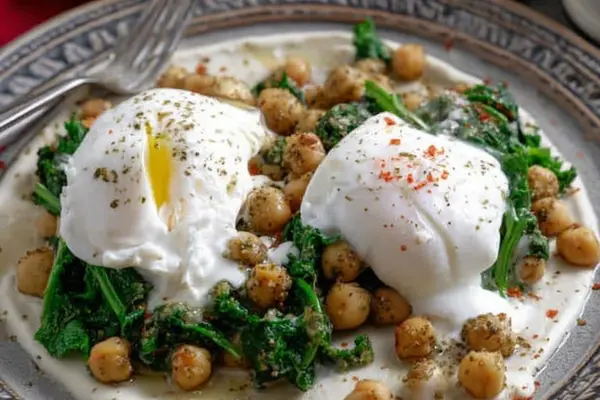
Za'atar Chickpeas Poached Eggs
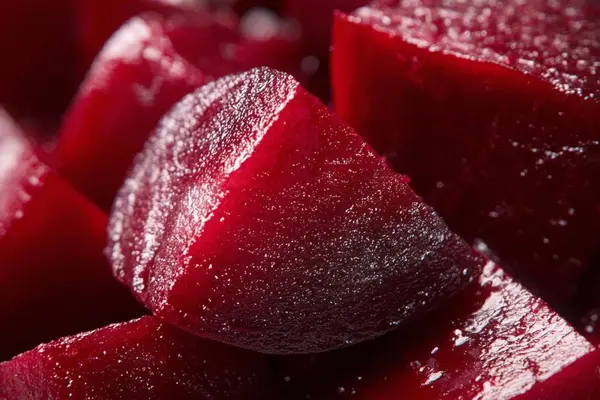
Braised Beets with Citrus Twist
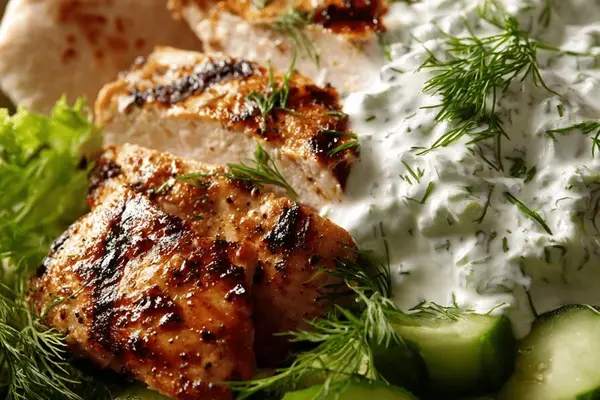
Grilled Chicken Tzatziki Combo
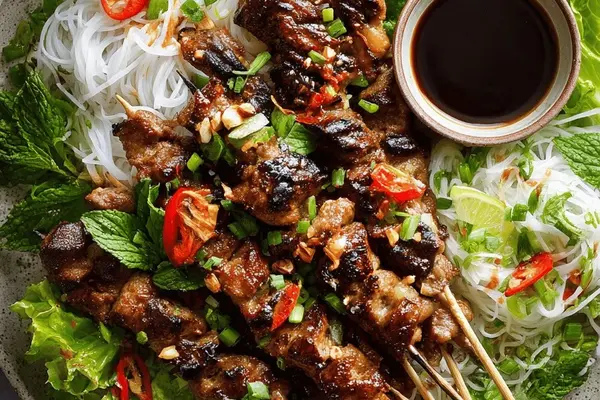
Vietnamese Pork Skewers
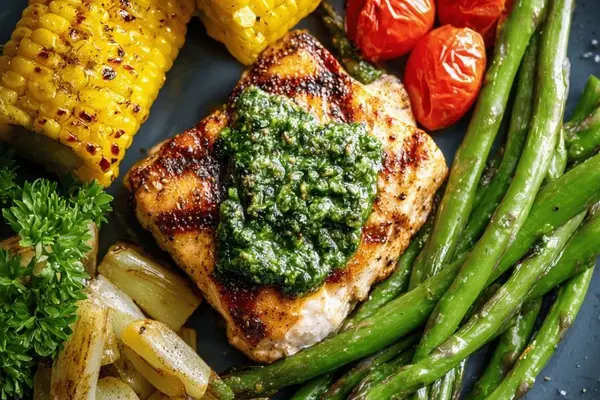
Savory Corn Herb Oil
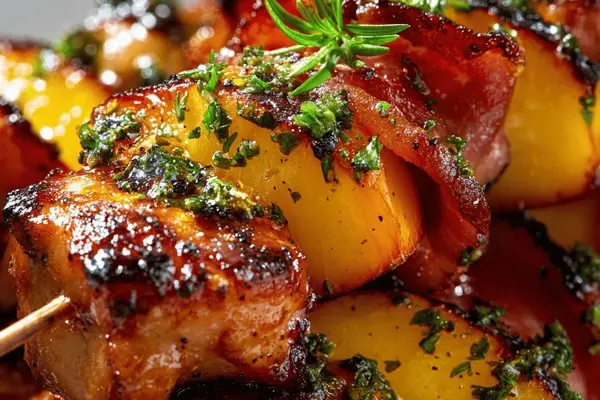
Chicken Peach Bacon Bites
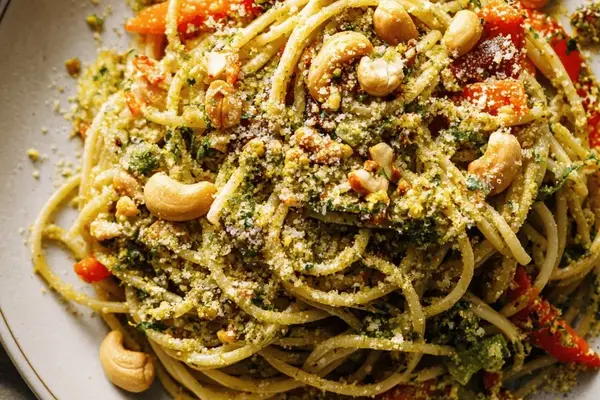
Vegan Parmesan Twist
Salted Caramel Chocolate Cake
Pesto Pine Nut Grilled Cheese

Twisted Ranch Chicken Bake
Pork Chops Pineapple Grill